
People spend about one-third of their life in bed, so comfort at night matters. When shopping for a new comforter, you’ll see a big price difference between goose down and other options like synthetic or duck down. Many ask: is goose down really worth the extra money for a comforter? Or is it just a luxury label with no real benefit? Let’s dive into what makes goose down special, how it compares to other fillings, and whether you should invest in it.
What Is Goose Down?
Goose down is the soft, fluffy clusters found underneath the feathers of geese, especially near their belly and chest. These clusters are not feathers; they don’t have stiff quills. Instead, down is light and airy, designed by nature to keep geese warm even in cold weather. Because of its structure, goose down traps air and keeps heat in, making it a top insulator for bedding.
How Goose Down Compares To Other Fillings
To really know if goose down is worth the money, you need to see how it stacks up against other popular comforter fillings.
Goose Down Vs. Duck Down
Both goose and duck down work as insulators, but there are differences:
- Cluster Size: Goose down clusters are larger on average, especially from mature geese. Bigger clusters trap more air, which means better insulation and fluffiness.
- Warmth-to-Weight: Goose down comforters feel lighter but warmer for their weight.
- Odor: Duck down sometimes has a stronger smell than goose down.
- Price: Goose down is usually more expensive due to its limited supply and better performance.
Goose Down Vs. Synthetic Fill
Synthetic fills like polyester try to copy natural down, but they don’t always match its comfort or durability.
- Insulation: High-quality synthetics can be warm, but usually need more material, making the comforter heavier.
- Breathability: Goose down is more breathable, so you’re less likely to overheat.
- Lifespan: Down comforters often last longer if properly cared for.
- Cost: Synthetic comforters are much cheaper, but may need replacing sooner.
Goose Down Vs. Wool And Cotton
While wool and cotton are natural, they don’t offer the same softness or warmth as down.
- Wool: Great for moisture wicking and warmth, but heavier and less fluffy.
- Cotton: Breathable but not very insulating; better for summer or warm climates.
Here’s a quick comparison:
| Filling Type | Warmth | Weight | Breathability | Price |
|---|---|---|---|---|
| Goose Down | Excellent | Light | High | Expensive |
| Duck Down | Good | Light | High | Moderate |
| Synthetic | Fair | Heavy | Medium | Low |
| Wool | Good | Heavy | High | Moderate |
| Cotton | Poor | Medium | High | Low |
Credit: www.ebay.com
Benefits Of Goose Down Comforters
People pay more for goose down for a reason. Here’s why:
Superior Warmth Without Weight
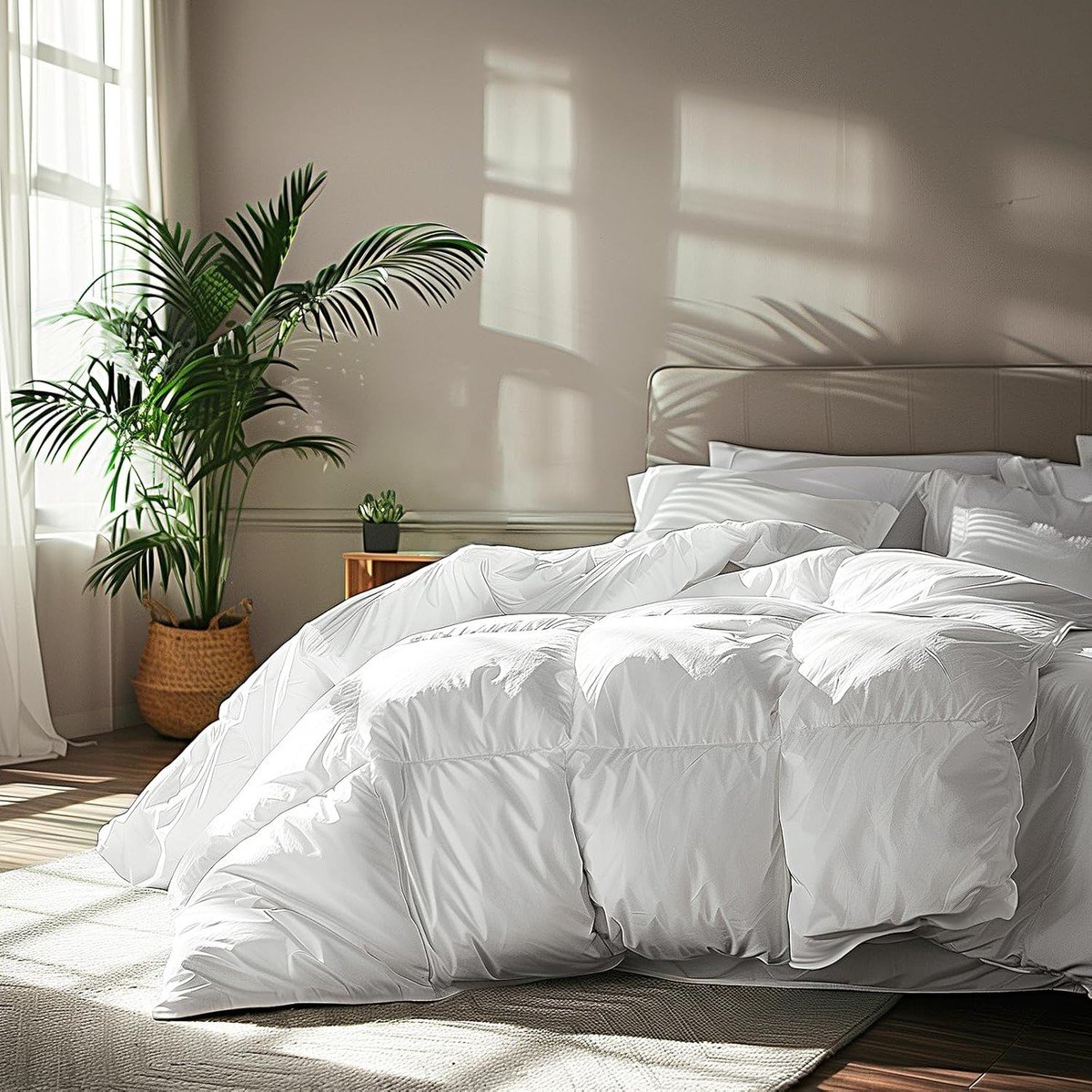
Goose down clusters expand and trap a lot of air. This means maximum warmth with less material. You get a comforter that is both light and incredibly cozy. Many users report that a goose down comforter feels like sleeping under a warm cloud.
Long-lasting Quality
A good goose down comforter can last 10 to 15 years or more, while synthetic ones may only last 3 to 5 years before losing their fluff. The long lifespan can make the higher price more reasonable over time.
Breathability And Temperature Control
Goose down naturally allows air to move, so you stay warm without overheating. This breathability is hard for synthetics to match and is a big reason why many people sleep better with down.
Softness And Loft
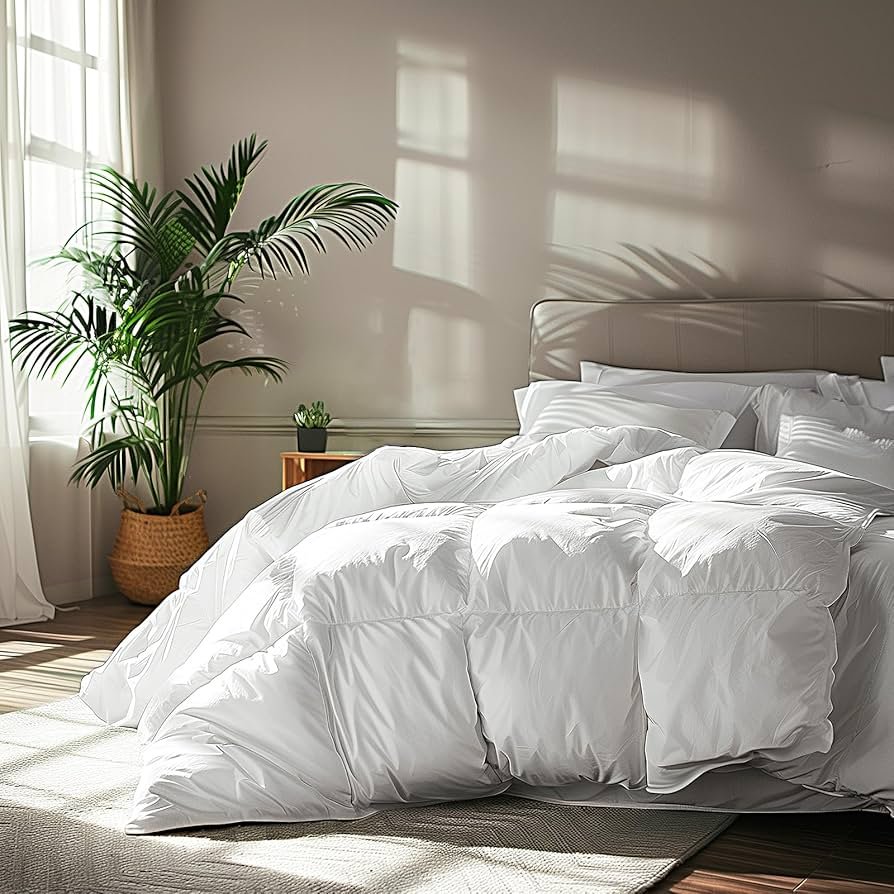
The loft (thickness and fluffiness) of goose down comforters is unmatched. They recover their shape quickly and feel luxurious every night.
Hypoallergenic Options
High-quality goose down is washed and processed to remove dust and allergens. Many brands offer hypoallergenic down comforters, which are suitable even for allergy-prone sleepers.
When Goose Down May Not Be Worth It
Goose down isn’t perfect for everyone. Here are situations where it may not be the best choice:
- Budget: If you need a comforter for a guest room or short-term use, synthetic may be enough.
- Wet Climates: Down loses warmth when wet. If you live in a very humid or damp place, synthetic may perform better.
- Vegan or Ethical Reasons: Some people avoid animal products. Some goose down is also not responsibly sourced (look for “responsible down standard” labels).
- Frequent Washing: Synthetics handle frequent machine washing better than down.
Credit: www.amazon.com
What Makes Goose Down Expensive?
You might wonder why goose down costs so much more than alternatives. Here are some reasons:
- Rarity: Geese produce less down than ducks, so supply is limited.
- Harvesting: High-quality down is collected from mature geese, which takes more time and care.
- Processing: Down must be carefully cleaned, sorted, and sterilized. This ensures it’s fluffy, clean, and odor-free.
- Fill Power: The best goose down has high fill power (a measure of fluff and insulation). Comforters with high fill power command higher prices.
- Quality Control: Brands that use goose down often invest in better stitching and materials for the shell.
Fill Power: The Key To Down Quality
When comparing down comforters, you’ll see fill power numbers—usually from 500 to 900. This number shows how much space one ounce of down takes up. Higher fill power means bigger clusters, more loft, and better insulation.
- 500-600: Good quality, warm enough for most uses.
- 600-700: Premium warmth and loft.
- 700+: Luxury level—very warm, light, and fluffy.
A comforter with high fill power will feel warmer and lighter than one with low fill power, even if both have the same weight of down.
Here’s an example:
| Fill Power | Warmth | Weight Needed | Typical Use |
|---|---|---|---|
| 500 | Medium | More | Spring/Fall |
| 700 | High | Less | Winter |
| 800+ | Very High | Least | Extreme Cold |
How To Choose A Goose Down Comforter
If you decide goose down is right for you, here’s what to look for:
- Fill Power: Go for at least 600 if you want warmth and lightness.
- Down-to-Feather Ratio: 100% down is best, but 80/20 is common and still high quality.
- Shell Material: Cotton with a high thread count is soft and keeps down from poking out.
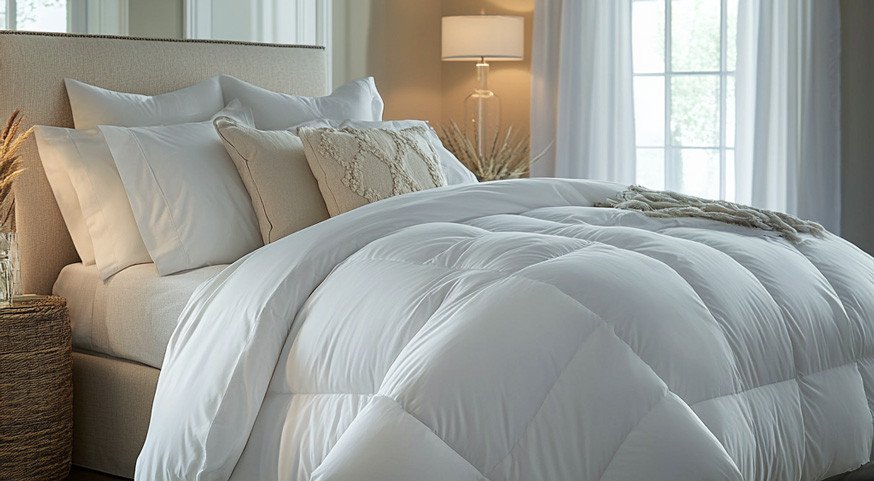
- Baffle Box Construction: This stitching style keeps down evenly spread, so you avoid cold spots.
- Certification: Look for labels like the Responsible Down Standard to ensure ethical sourcing.
- Hypoallergenic Treatment: If you have allergies, choose down that’s been specially cleaned.
Common Mistakes When Buying Goose Down Comforters
Many buyers make errors that can lead to disappointment or waste money.
- Mistaking Fill Weight for Fill Power: More weight doesn’t always mean better warmth. Fill power is more important for insulation.
- Ignoring Construction: Cheap stitching can let down move around or escape, causing flat spots.
- Not Checking Return Policy: Always check if you can return the comforter if it’s not right for you.
- Skipping Care Instructions: Down comforters need special washing—usually dry cleaning or large machines.
Real-world Experiences: What Users Say
Many users say their first night under a goose down comforter was life-changing. They notice better sleep, fewer nights waking up cold, and a feeling of luxury. However, some people find the cost hard to justify, especially when good synthetic options exist for less.
One non-obvious insight: many people with mild allergies do fine with hypoallergenic goose down, especially if they use a duvet cover and wash bedding regularly.
Another thing beginners miss: a high fill power comforter can sometimes be too warm for mild climates. It’s better to match fill power and weight to your local weather.
Cost Vs. Value: Is Goose Down Worth It?
A goose down comforter is a big purchase, but it can be worth it if:
- You want the best warmth-to-weight ratio
- You like a light, fluffy, cloud-like feel
- You plan to use it for many years
- You value natural, breathable materials
However, if your budget is tight, or you need something for occasional use, a synthetic or duck down comforter can be a smarter choice. It’s important to balance comfort, price, and your personal needs.
A 2023 survey found that 73% of people who bought goose down comforters would buy them again, even at a higher price. This suggests that most users find them worth the investment.
Credit: www.downlitebedding.com
Caring For Your Goose Down Comforter
To make your goose down comforter last, follow these tips:
- Use a duvet cover to protect against spills and dirt.
- Air it out every few months to keep it fluffy.
- Follow cleaning instructions—most need professional cleaning or a large-capacity washer.
- Store in a breathable bag (never plastic) when not in use.
With good care, a goose down comforter can keep you cozy for over a decade.
Where To Learn More
If you want to see more details about down types, ethical sourcing, and bedding care, visit the Wikipedia entry on down feathers for reliable, in-depth information.
Frequently Asked Questions
What Is The Difference Between Goose Down And Duck Down?
Goose down comes from geese and has larger, fluffier clusters than duck down. This gives goose down better insulation and a lighter feel. It’s also less likely to have a strong odor.
Can People With Allergies Use Goose Down Comforters?
Yes, many people with allergies are fine with hypoallergenic goose down comforters. Look for products that have been washed and treated for allergens. Using a duvet cover and washing bedding helps too.
How Long Does A Goose Down Comforter Last?
With proper care, a high-quality goose down comforter can last 10–15 years or more. Synthetic comforters usually last less than five years before losing their loft and warmth.
Is Goose Down Ethical And Cruelty-free?
Some goose down is responsibly sourced. Look for certifications like the Responsible Down Standard (RDS) or ask about the brand’s sourcing practices to make sure the down is collected humanely.
How Do I Clean A Goose Down Comforter?
Most need professional cleaning, but some can be washed in a large-capacity machine with mild detergent. Always use a duvet cover to reduce washing. Dry thoroughly to avoid clumping.
A goose down comforter is a real investment in sleep quality and long-term comfort. If you want the lightest, warmest, and most luxurious bedding, goose down is usually worth the extra money. But always match your choice to your needs, climate, and budget for the best results.
