
When you step into any modern kitchen, you’ll likely see at least one blender. But there’s more than one kind. Two of the most popular options are the immersion blender (also called a hand blender or stick blender) and the countertop blender. Both are useful, but they shine in different ways. If you’re deciding which to buy, or want to know if you need both, this guide will help you understand the differences and make the best choice for your needs.
What Is An Immersion Blender?
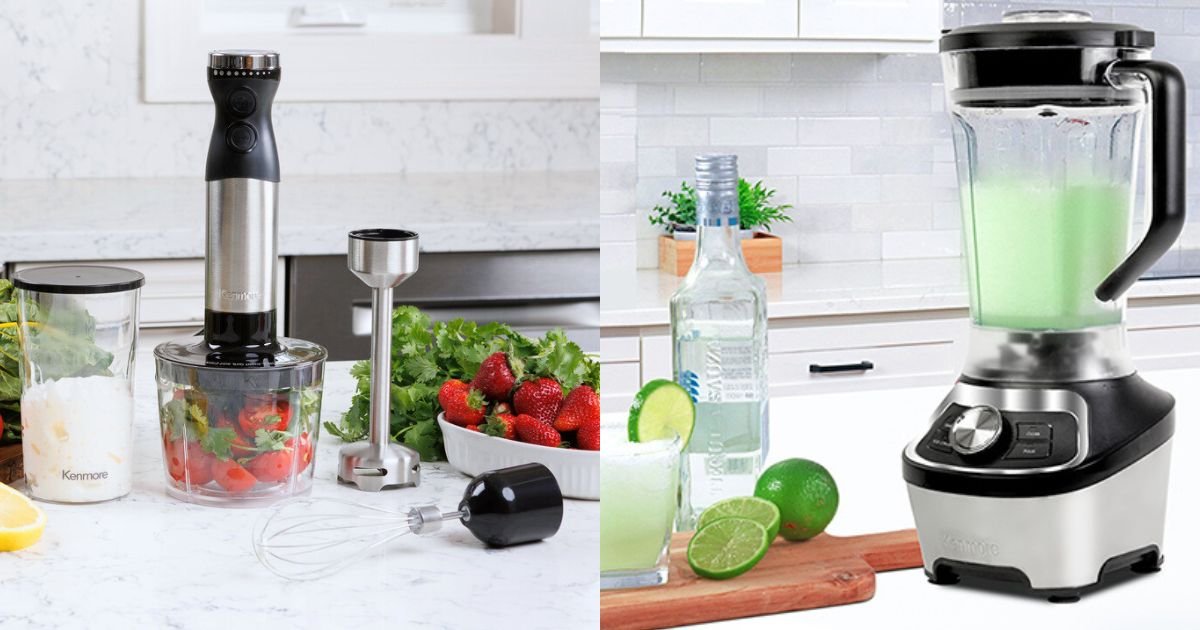
An immersion blender is a small, handheld appliance with blades at the end of a long stick. You hold the handle and dip the blade end directly into bowls, pots, or cups to blend food. Most immersion blenders are lightweight, easy to store, and can be used in almost any container.
The main attraction is convenience. You can blend soups right in the pot, whip up smoothies in a glass, or puree sauces without transferring hot liquids between containers. Many models come with attachments like whisks or mini choppers, adding to their versatility.
What Is A Countertop Blender?
A countertop blender is a larger machine with a motorized base and a jar (usually made of glass or plastic) that sits on top. You put your ingredients in the jar, secure the lid, and blend by pressing a button or turning a dial. Countertop blenders are often more powerful and have larger capacities, making them ideal for bigger batches and tougher tasks like crushing ice.
They can handle everything from smoothies and frozen drinks to nut butters, batters, and even some doughs. Some models come with pre-programmed settings for things like soup, ice crush, or smoothie.
Key Differences At A Glance
Let’s look at how immersion and countertop blenders compare on the most important features.
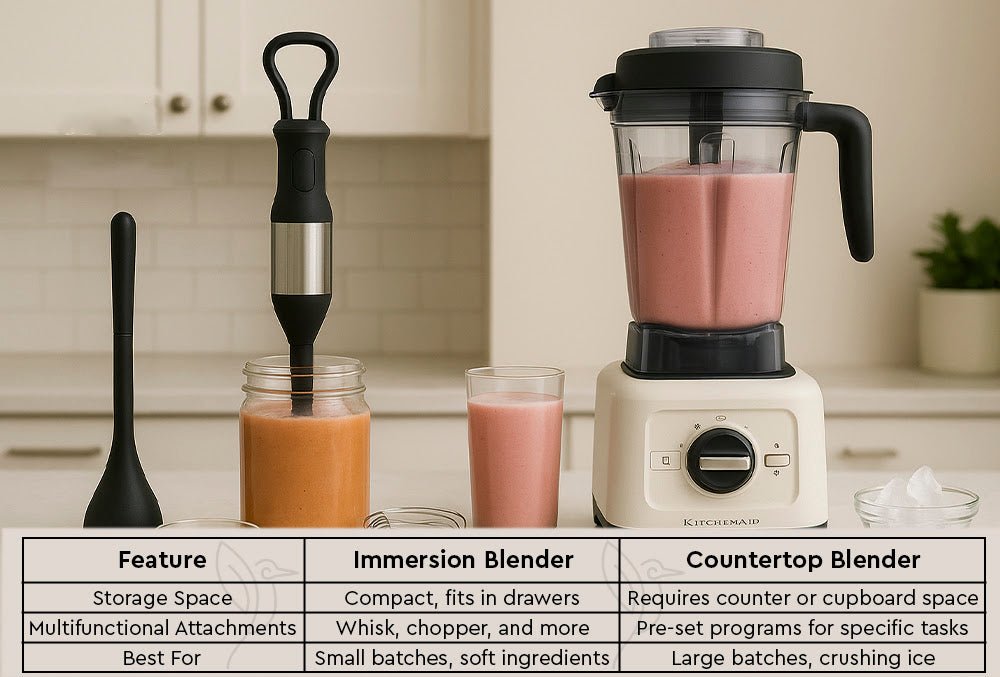
| Feature | Immersion Blender | Countertop Blender |
|---|---|---|
| Size & Storage | Compact, fits in drawers | Bulky, needs counter/cabinet space |
| Power | Lower (100–500 watts) | Higher (300–1500+ watts) |
| Capacity | Depends on container size | Fixed jar size (1–2 liters typical) |
| Ease of Cleaning | Very easy, detachable wand | Jar, lid, and blades need washing |
| Best For | Soups, sauces, small batches | Smoothies, frozen drinks, nut butters |
| Price Range | $20–$100 | $30–$600+ |
Performance: Power And Precision
The motor power is often the biggest difference. Countertop blenders usually have motors ranging from 300 to 1500 watts or even more. This lets them crush ice, blend frozen fruit, and puree tough ingredients easily. High-end models can even heat soup through friction.
Immersion blenders have smaller motors, usually 100 to 500 watts. They can puree cooked vegetables and blend soft foods, but may struggle with hard or frozen items. If you want to make thick smoothies with frozen fruit or crush ice regularly, a countertop blender is much better.
But immersion blenders offer precision. Since you hold and move the blender, you can control which parts of your food are blended. This is great for chunky soups or sauces where you want some texture.
Credit: www.koolatron.com
Capacity And Batch Size
With a countertop blender, you’re limited by the size of the jar. If you’re making smoothies for a family, this is perfect. Most jars hold 1 to 2 liters (about 4–8 cups). You can blend everything at once.
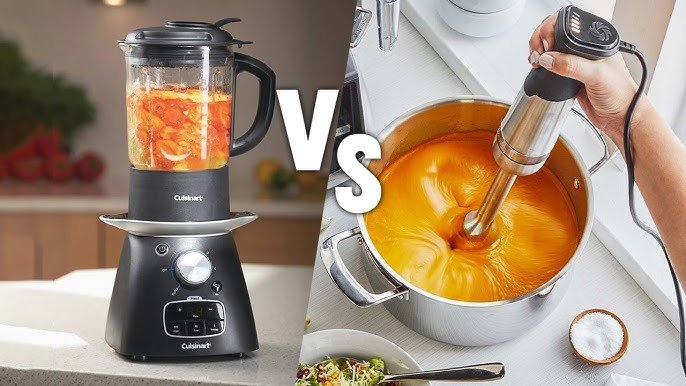
An immersion blender can be used in almost any pot, bowl, or cup. This flexibility is useful for small batches or when you want to blend something hot without transferring it. For example, you can puree soup right in the cooking pot.
However, for big batches, immersion blenders can be tiring. The motor may overheat if you use it too long, and your hand may get tired holding the blender.
Versatility And Attachments
Immersion blenders are not just for soups. Many models come with attachments like:
- Whisks for beating eggs or whipping cream
- Mini chopper bowls for nuts, herbs, or small amounts of vegetables
- Frothers for milk or coffee drinks
This makes them handy for quick tasks. For example, you can whip cream in a cup or make mayonnaise in seconds.
Countertop blenders often focus on blending, but some high-end models come with extra jars or blades for tasks like grinding grains or making dough. But most people use them mainly for smoothies, shakes, and purees.
Cleaning And Maintenance
Cleaning is a big factor, especially if you use your blender often. Immersion blenders are easy to clean—usually just rinse the detachable wand under running water or put it in the dishwasher. No need to take apart a big machine or clean a large jar.
Countertop blenders need more cleaning. You have to wash the jar, lid, and sometimes remove the blades for thorough cleaning. Some jars are dishwasher safe, but bulky jars can take up a lot of space in the dishwasher.
Tip: For fast cleaning, fill the blender jar halfway with warm water and a drop of dish soap. Blend for 30 seconds, then rinse.
Price And Value
Immersion blenders are generally cheaper. Basic models start around $20, while top models with lots of attachments can reach $100 or more. They’re a good choice if you want a low-cost tool that’s easy to use and store.
Countertop blenders have a wider price range. Entry-level models cost $30–$60, but high-powered machines like Vitamix or Blendtec can cost $400–$600 or more. These high-end blenders are popular with serious home cooks and professionals, but for basic blending, a mid-range model is usually enough.
Credit: www.youtube.com
When To Choose An Immersion Blender
An immersion blender is best if you:
- Want to blend hot soups or sauces directly in the pot
- Have limited kitchen space
- Make small batches (single servings, baby food, dressings)
- Prefer easy cleaning and quick setup
- Need a tool for quick pureeing or whipping
Many home cooks find immersion blenders perfect for pureed soups (like tomato or butternut squash), salad dressings, and pancake batter. They’re also a favorite for making homemade mayonnaise because you can blend right in the jar you’ll store it in.
When To Choose A Countertop Blender
A countertop blender is better if you:
- Make lots of smoothies, frozen drinks, or shakes
- Want to crush ice or blend frozen fruit often
- Need to make large batches at once
- Care about smooth, even textures (like in nut butters or creamy soups)
- Don’t mind cleaning a larger appliance
Countertop blenders are the top choice for making green smoothies with fibrous vegetables, thick milkshakes, or blending nuts into creamy butters. They’re also useful for mixing batters and crushing ice for cocktails.
Practical Examples: Everyday Use Cases
To see the difference in real life, consider these common kitchen tasks:
- Pureeing Soup: Immersion blenders are unbeatable. You can blend hot soup in the pot without risk of spills. With a countertop blender, you have to transfer the hot liquid, which can be messy and dangerous.
- Smoothies: Countertop blenders win for creamy, thick smoothies—especially if you like adding frozen fruit, ice, or leafy greens. Immersion blenders can make smoothies, but the results are often less smooth.
- Baby Food: Both work, but immersion blenders let you puree small amounts easily in any container. Countertop blenders are better for big batches.
- Nut Butters: Countertop blenders (especially high-powered ones) can make nut butters from scratch. Immersion blenders do not have enough power for this.
- Whipping Cream: Immersion blenders with a whisk attachment can whip cream quickly. Countertop blenders can do this, but it’s less convenient.
- Crushing Ice: Only high-powered countertop blenders can do this well. Most immersion blenders can’t handle ice.
Durability And Safety
Generally, countertop blenders are built for heavy use and last longer. They have stronger motors and thicker blades. Top brands often offer several years of warranty.
Immersion blenders are durable, but not made for heavy-duty blending. Overloading or running them too long can cause the motor to overheat.
Safety tip: Always unplug immersion blenders before removing or cleaning the blade. For countertop blenders, check that the jar is seated and the lid is secure before blending.
Credit: lifeboostcoffee.com
Noise And Comfort
Countertop blenders are known for being loud. High-powered models can be as loud as a lawn mower (up to 90 decibels). This can be a problem in small apartments or early mornings.
Immersion blenders are quieter, but not silent. Since you hold the device, vibrations can be felt in your hand. For big tasks, this can get uncomfortable.
Environmental Impact
Both types use electricity, but immersion blenders usually consume less power. If you only need to blend small amounts or use a blender rarely, an immersion blender may be the greener choice.
Countertop blenders can last longer, especially high-quality models. Buying one good blender that lasts 10 years may have less environmental impact than buying several cheap immersion blenders over the same period.
Hidden Insights: What Most Beginners Miss
- Hot Liquids and Blending: Many beginners try to blend hot soup in a countertop blender all at once. This can cause the lid to pop off, spraying hot liquid everywhere. If you must use a countertop blender, blend in small batches and hold the lid down with a towel.
- Blade Design Matters: Not all immersion or countertop blenders are created equal. The shape and sharpness of the blades, and the design of the blending jar or guard, affect how smoothly ingredients blend. Try to read reviews and choose a model known for even blending, not just high wattage.
Side-by-side Comparison Of Top Tasks
Let’s compare both blenders for the most common kitchen jobs.
| Task | Immersion Blender | Countertop Blender |
|---|---|---|
| Soup Puree | Excellent, blend in pot | Very good, but needs transfer |
| Smoothies | Good for soft fruit, small batches | Excellent, handles frozen/ice |
| Baby Food | Easy for small amounts | Best for large batches |
| Nut Butters | Not recommended | Excellent (high power needed) |
| Sauces/Dressings | Quick and easy | Good, but more cleanup |
| Crushing Ice | Not suitable | Best (high power needed) |
| Whipping Cream | Excellent (with whisk) | Possible, less convenient |
Which One Should You Buy?
There’s no single answer. If you love smoothies, make nut butters, or regularly blend large batches, a countertop blender is the way to go. If you mostly want to puree soups, make sauces, and value quick cleanup, an immersion blender will be your best friend.
Many home cooks end up owning both. The immersion blender becomes their everyday tool for small, quick jobs, while the countertop blender is used for bigger or tougher tasks.
If you’re only buying one, think about your most common kitchen tasks, your space, and how much you want to spend. Remember, the best blender is the one you’ll actually use.
For more in-depth technical comparisons, you can check out this Wikipedia guide to blenders.
Frequently Asked Questions
What Foods Should I Not Blend With An Immersion Blender?
Avoid blending hard ingredients like ice, raw carrots, or nuts with an immersion blender. It’s best for soft, cooked foods and liquids. Using it for tough items can damage the blades or motor.
Can I Make Smoothies With An Immersion Blender?
Yes, you can make smoothies with an immersion blender, but stick to soft fruits, yogurt, and liquids. For thick smoothies with frozen fruit or ice, a countertop blender gives better results.
How Do I Clean A Countertop Blender Safely?
To clean a countertop blender, fill the jar halfway with warm water and a drop of dish soap. Blend for 30 seconds, pour out, and rinse. Always unplug before removing blades, and never immerse the motor base in water.
Are Immersion Blenders Safe For Hot Liquids?
Yes, immersion blenders are designed to handle hot liquids. You can blend soup right in the pot, but keep the blade fully submerged to avoid splashes. Let boiling liquids cool slightly for extra safety.
Which Blender Is Better For Small Kitchens?
An immersion blender is better for small kitchens. It’s compact, lightweight, and easy to store in a drawer. Countertop blenders need more counter or cabinet space.