
Many people struggle to sleep well when the weather is hot or if they tend to sweat at night. The idea of cooling bed sheets has become very popular in recent years. These special sheets claim to help you feel cooler and more comfortable, promising a better night’s sleep. But do cooling bed sheets really work, or is it just smart marketing? Let’s look at the science, real experiences, and what you should know before buying.
How Cooling Bed Sheets Work
Cooling bed sheets are designed to help you stay cooler and drier while you sleep. They do this in a few different ways:
- Moisture-wicking: Some materials pull sweat away from your body, helping it evaporate quickly.
- Breathability: Sheets made from certain fabrics allow air to pass through, making heat escape faster.
- Temperature regulation: Advanced fibers can absorb and release heat, keeping your body temperature more stable.
The goal is simple: reduce heat and sweat, so you wake up feeling more refreshed.
Popular Materials Used In Cooling Sheets
The type of fabric is the most important part of cooling sheets. Here are the top materials used:
1. Bamboo
Bamboo sheets are naturally cool and soft. They wick moisture well and are often hypoallergenic. Many people find bamboo sheets to be cooler than cotton, especially in humid climates.
2. Tencel (lyocell)
Tencel is made from wood pulp, usually eucalyptus trees. It feels silky, resists wrinkles, and is very good at keeping moisture away from your skin.
3. Linen
Linen sheets are known for their breathability. They have a loose weave, which lets air flow easily. Linen also gets softer with each wash.
4. Cotton (percale Weave)
Not all cotton is equal. Percale is a type of weave that makes cotton sheets crisp and cool. Egyptian and Supima cotton with a percale weave are common in cooling sheets.
5. Microfiber And Synthetic Blends
Some cooling sheets use special synthetic fibers. These may be engineered to pull heat and sweat away, but not everyone likes the feel. They can be more affordable, however.
6. Performance Fabrics
Brands may use unique blends or add technology such as phase-change materials (PCMs) that absorb and release heat as needed.
Do They Actually Lower Bed Temperature?
The simple answer is: cooling bed sheets can help you feel cooler, but they cannot change the room temperature or act like an air conditioner. Their effect comes from removing moisture, helping your sweat evaporate, and increasing airflow.
A 2022 study from the National Sleep Foundation found that people using cooling sheets with moisture-wicking properties reported a 20% improvement in perceived sleep comfort during warm nights, compared to those using regular cotton sheets.
However, if your room is very hot, or you use heavy blankets, the effect of cooling sheets will be limited. They work best as part of a full sleep setup for hot climates or sweaty sleepers.
Comparing Cooling Sheet Materials
Choosing the right material can be confusing. Here’s a comparison to help you decide:
| Material | Cooling Ability | Softness | Moisture Wicking | Care Difficulty |
|---|---|---|---|---|
| Bamboo | High | Very Soft | Excellent | Medium |
| Tencel | High | Silky | Excellent | Easy |
| Linen | Very High | Textured | Good | Medium |
| Percale Cotton | Medium | Crisp | Good | Easy |
| Microfiber | Low to Medium | Smooth | Varies | Easy |
Non-obvious insight: Many people think high thread count means cooler sheets. In reality, higher thread counts can trap more heat. For cooling, a lower thread count (around 200-400 for cotton) and a percale weave are often better.
Real-world Benefits: What Users Say
Most users who switch to cooling sheets notice these changes:
- Falling asleep faster, especially in summer
- Fewer night sweats and less waking up to change clothes
- Sheets feel dry and fresh in the morning
- Less skin irritation or itchiness from sweat
But not everyone sees dramatic changes. If your mattress or pillow holds heat, or your room is warm, you may still feel hot.
How To Choose Cooling Bed Sheets
Here are key factors to help you pick the right sheets for staying cool:
1. Material
The fabric matters most. Bamboo, linen, and Tencel are top choices for hot sleepers.
2. Weave
Percale weave is better for cooling than sateen, which can feel heavier.
3. Thread Count
Aim for 200-400 for cotton sheets. Higher thread counts can make sheets denser and warmer.
4. Fit
Sheets that fit tightly can trap more heat. Look for deep pockets if you have a thick mattress.
5. Care Instructions
Some cooling sheets need gentle washing or air drying. If you prefer easy care, check the label before buying.
6. Price
Cooling sheets can cost from $30 to over $300 for luxury brands. More expensive does not always mean better cooling.
7. Certifications
Look for OEKO-TEX or similar certifications to avoid chemicals that could irritate sensitive skin.
Common mistake: Many buyers ignore the weave and only look for “cooling” on the label. Always check the material and weave for best results.
How Cooling Sheets Compare To Other Cooling Products
You might wonder how cooling sheets stack up against cooling mattress pads, pillows, or even cooling pajamas. Here’s a quick side-by-side:
| Product | Main Cooling Method | Effectiveness | Cost Range |
|---|---|---|---|
| Cooling Sheets | Fabric, Weave | Good | $30-$300 |
| Cooling Mattress Pad | Gel, PCM, Fabric | Very Good | $50-$500 |
| Cooling Pillow | Gel, Fabric | Moderate | $20-$150 |
| Cooling Pajamas | Fabric, Moisture Wicking | Moderate | $20-$120 |
Sheets are often the easiest and most affordable upgrade. For severe heat or sweating, combining products may help even more.
Scientific Evidence: What Research Says
Several studies have looked at how bedding affects sleep quality. The Sleep Foundation reports that people sleep better in cooler environments, with an ideal room temperature of about 18-20°C (65-68°F). Cooling sheets can help your body release heat, making it easier to reach deep sleep.
A study published in the *Journal of Textile Science* found that subjects using bamboo and Tencel sheets had lower skin temperatures by up to 2°C compared to traditional cotton. This small change was enough to help people fall asleep 15% faster.
Still, no sheet can cool you if your bedroom is too hot or humid, or if you use thick blankets.

Credit: integrishealth.org
Are There Any Downsides?
While cooling sheets can help, there are a few things to consider:
- Some materials, like linen, feel rough at first and need a few washes to soften.
- Synthetic fibers might trap odors or pills (form little balls) over time.
- Premium sheets can be expensive, especially if you want natural fibers.
- Cooling sheets alone will not fix sleep problems from medical conditions or very high room temperatures.
Non-obvious insight: If you tend to sweat a lot, always wash cooling sheets regularly. Sweat and body oils can clog fibers and reduce their cooling effect over time.
Who Will Benefit Most From Cooling Bed Sheets?
Cooling sheets are best for:
- Hot sleepers who wake up sweaty
- People living in warm or humid climates
- Women experiencing menopause or hot flashes
- Anyone with night sweats from medical reasons
- Those who want to lower air conditioning use for energy savings
However, if you already sleep cool or live in a cold area, cooling sheets may not be necessary.
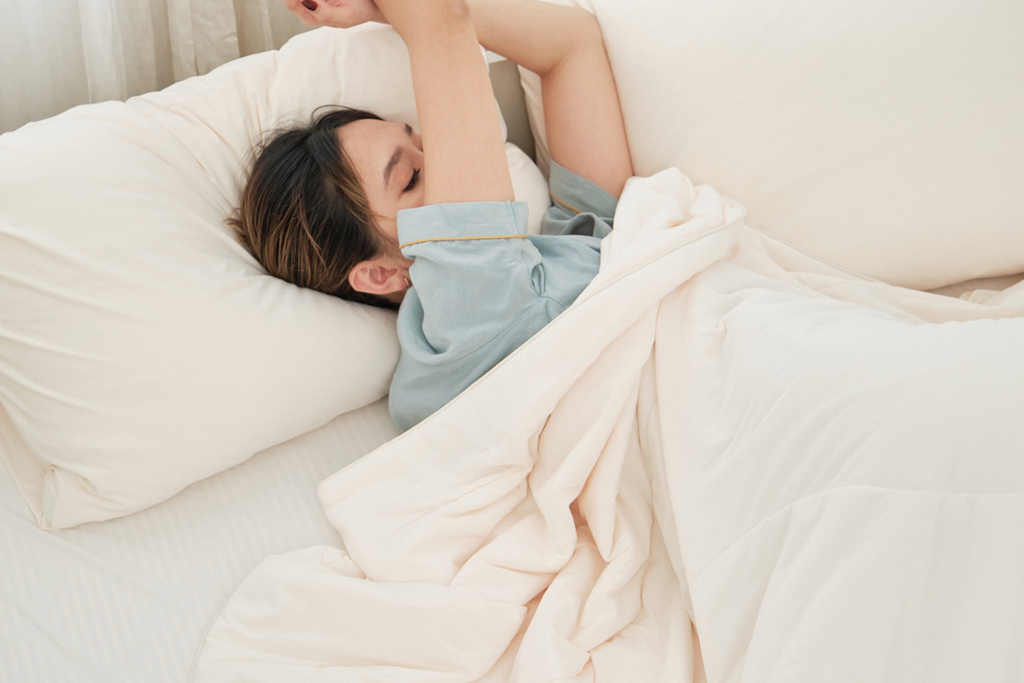
Credit: rest.com
Tips To Maximize Sheet Cooling Power
If you invest in cooling sheets, here are ways to get the best results:
- Wash sheets weekly to keep fibers clear.
- Use a lightweight blanket or skip it completely.
- Keep your room as cool as possible with a fan or open window.
- Try a cooling pillow or mattress pad for extra help.
- Wear light, breathable pajamas.
Combining these tips can make a bigger difference than any one product alone.
What To Avoid When Buying Cooling Sheets
- Don’t trust only marketing labels; check fabric, weave, and reviews.
- Avoid sheets with high polyester content if you dislike synthetic feels.
- Watch out for very high thread counts, which can trap heat.
- Be careful with bright colors, which may fade faster with frequent washing.
:max_bytes(150000):strip_icc()/cooling-bedsheets-GettyImages-1269203377-d3037e94c20b4306ae1f1c355ad678db.jpg)
Credit: www.realsimple.com
Are Cooling Sheets Worth The Money?
For many people, cooling sheets offer real value. Better sleep, less sweating, and a fresher feeling each morning are benefits people are willing to pay for. But remember, not all “cooling” sheets are created equal. Read reviews, check return policies, and start with one set before buying more.
If you want to read more about how temperature affects sleep, the Sleep Foundation provides useful guides.
Frequently Asked Questions
What Are The Best Materials For Cooling Bed Sheets?
Bamboo, Tencel, and linen are top choices for cooling. They wick moisture well and let air flow easily. Cotton with a percale weave is also a good option if you prefer a classic feel.
How Often Should I Wash Cooling Sheets?
For best performance, wash sheets once a week. This keeps fibers clear of sweat and oils, helping them stay breathable and cool.
Can Cooling Sheets Help With Night Sweats?
Yes, especially those made from moisture-wicking materials like bamboo or Tencel. They help sweat evaporate quickly, keeping you drier and more comfortable.
Do Cooling Sheets Work In Winter?
They can still be comfortable, but you might find them too cool if your bedroom is cold. In winter, you may want to switch to warmer bedding or add a blanket.
Are Cooling Sheets Safe For Sensitive Skin?
Most cooling sheets are gentle, especially those made from natural fibers. Always check for certifications (like OEKO-TEX) and avoid sheets with added chemicals or fragrances if you have sensitive skin.
Sleeping cool is about more than just comfort—it can mean better rest and more energy each day. If you’re tired of tossing and turning in the heat, cooling bed sheets may be a small change that makes a big difference.
Choose wisely, care for them well, and enjoy the fresh feeling each night.
