
Many people struggle with sleeping hot at night. Waking up sweaty or tossing and turning to find a cool spot on the pillow can ruin sleep quality. If you’re a hot sleeper, you know these problems well. The good news is, the right cooling pillow can make a huge difference. This guide will help you understand how cooling pillows work, what features matter, and how to pick the best one for your needs. You’ll also learn about the science behind pillow cooling, common mistakes, and answers to questions most people forget to ask.
Why Hot Sleepers Need Special Pillows
Hot sleepers often wake up uncomfortable, leading to poor rest and low energy the next day. The body naturally cools down at night, but regular pillows can trap heat, making things worse. Cooling pillows are designed to solve this problem. They use special materials that pull heat away from your skin or help air flow through the pillow. This keeps your head and neck at a more comfortable temperature.
Some people don’t realize that even a small temperature change can affect sleep. Research shows that a drop of just 1–2°C in skin temperature can improve deep sleep. This is why choosing the right pillow isn’t just about comfort—it can directly impact how well you sleep.
How Cooling Pillows Work
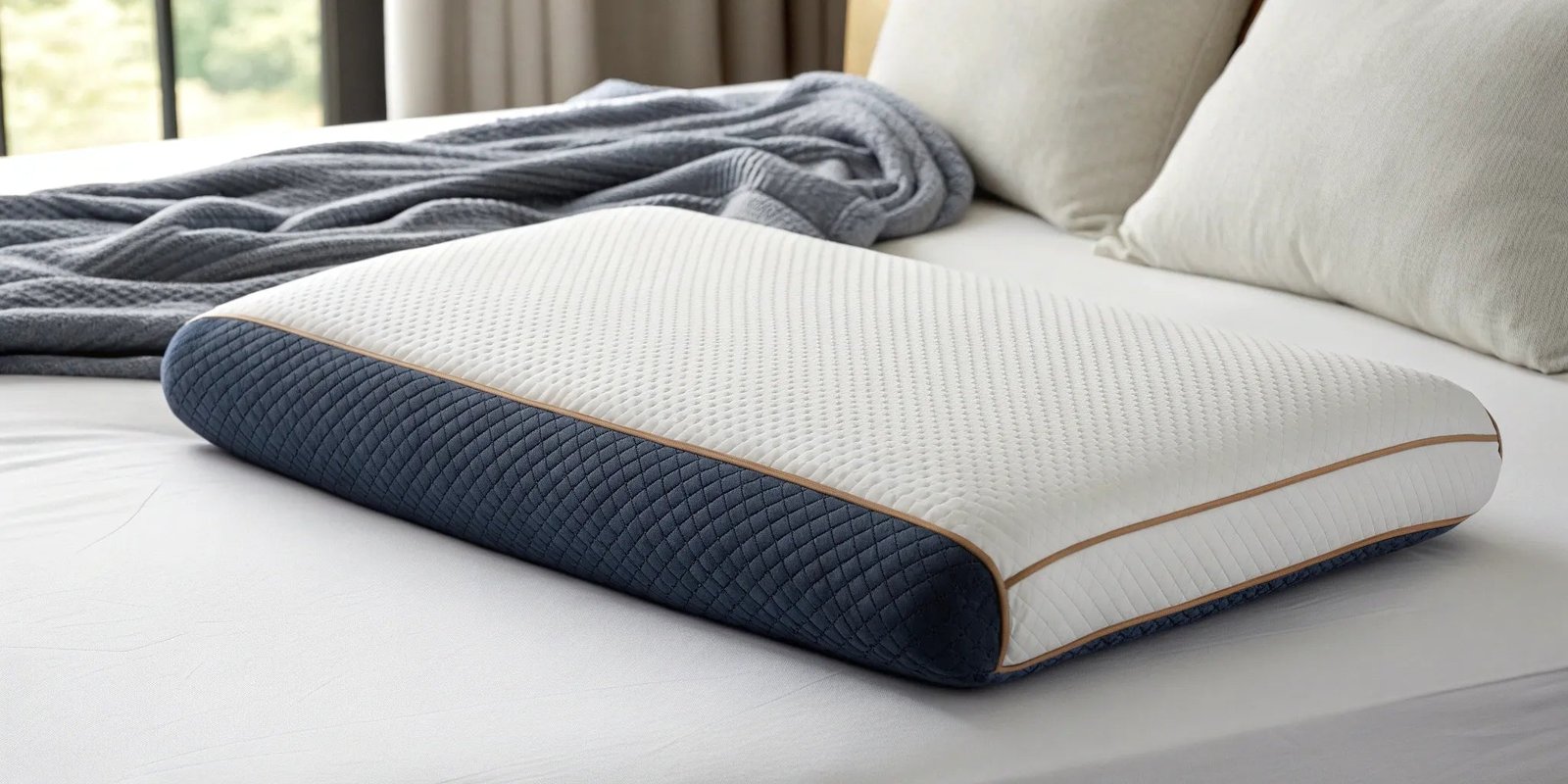
Cooling pillows use different technologies to fight heat. Some use gel infusions that absorb and spread warmth. Others use ventilated foam or natural materials that let air flow better. There are also phase change materials (PCMs) that adjust their temperature to keep you cool.
Here’s a quick look at the most common cooling pillow types:
| Type | How It Cools | Typical Price Range |
|---|---|---|
| Gel-Infused Memory Foam | Absorbs and spreads heat | $40–$120 |
| Latex | Breathable, does not trap heat | $50–$150 |
| PCM Technology | Adjusts to your body temperature | $80–$200 |
| Bamboo or Cotton Fill | Wicks moisture, allows airflow | $30–$100 |
| Water or Air Pillows | Liquid or air conducts heat away | $40–$100 |
Each type has its own pros and cons. For example, gel memory foam is very popular, but some people still find it too warm after a few hours. Latex is naturally cooler, but it can feel a bit bouncy. The key is matching the pillow to your personal needs and sleep style.
Key Features To Look For
When shopping for a cooling pillow for hot sleepers, focus on these important features:
- Material: Memory foam, latex, and natural fibers all handle heat differently. Memory foam with gel or ventilated holes is best for support and cooling. Latex is naturally cool and bouncy. Bamboo and cotton are great for sweat-wicking.
- Cooling Technology: Gel, PCM, and ventilated designs work in different ways. If you sweat a lot, pick one that focuses on moisture control.
- Firmness: Side sleepers need firmer, thicker pillows. Back or stomach sleepers should look for something softer and lower. The right firmness also affects airflow.
- Cover Material: Look for covers made from bamboo, Tencel, or cooling cotton. These fabrics breathe better and feel cooler against your skin.
- Shape and Size: Standard, king, and contoured pillows all have different benefits. A contoured shape can help keep your neck cool and supported.
- Maintenance: Some pillows have machine-washable covers or the whole pillow can be washed. This is important for hygiene, especially if you sweat at night.
Many buyers forget to check the cover material or pillow thickness. These details can make a big difference in how cool and comfortable you feel.
Comparing Top Cooling Pillow Materials
Let’s compare the most popular materials used in cooling pillows:
| Material | Cooling Power | Support | Durability |
|---|---|---|---|
| Gel Memory Foam | High (initially) | Medium-High | Medium |
| Latex | High | High | High |
| Bamboo Fiber | Medium | Medium | Medium |
| Phase Change Material | Very High | Medium | Medium |
| Water Pillow | Medium-High | Adjustable | Medium |
One non-obvious detail: Latex pillows last much longer than memory foam and don’t lose their cooling properties over time. Another insight is that water pillows can be adjusted for firmness and cooling by changing the water level, which many people overlook.
Credit: hushblankets.com
Mistakes To Avoid When Buying
Even experienced shoppers make mistakes. Here are the most common ones:
- Focusing only on cooling: Support and comfort are just as important. A pillow that’s cool but unsupportive will cause neck pain.
- Ignoring pillow size: A pillow that’s too small or large for your bed or body can reduce cooling benefits and comfort.
- Not checking return policies: Some pillows feel different at home than in the store. Buy from brands with a sleep trial or easy returns.
- Assuming more gel means more cooling: Too much gel can actually trap heat if the pillow isn’t designed well.
- Forgetting about allergies: Some cooling pillows use latex or down, which can cause allergies in sensitive people. Look for hypoallergenic options if needed.
How To Test A Cooling Pillow At Home
Once you get your new pillow, it’s important to test it correctly:
- First night: Use the pillow without a pillowcase to feel the real cooling effect.
- Check for sweating: Notice if you wake up sweaty or keep flipping the pillow.
- Test support: Make sure your neck and head feel supported in your usual sleep position.
- Try different covers: Some fabrics block cooling. Try a cotton or bamboo pillowcase for best results.
- Give it time: Some materials need a few days to adjust to your body heat and weight.
If the pillow still feels too warm after a week, it might not be the right fit. Many brands offer a 30–100 night trial, so use this time to decide.
Care And Maintenance Tips
To keep your cooling pillow working well:
- Wash covers regularly: Dirt and sweat can block airflow and cooling materials.
- Follow care instructions: Some pillows can be machine washed, others need hand washing or spot cleaning only.
- Fluff or air out: Foam and fiber pillows need fluffing to keep their shape and air channels open.
- Protect from direct sunlight: Some cooling materials break down faster in strong sunlight.
Proper care can add years to your pillow’s life and keep it cool night after night.
Price Vs. Value: What Should You Pay?
Prices range widely. You can find cooling pillows for as little as $30, but high-end models can cost over $200. More expensive doesn’t always mean better cooling. Focus on the right features and materials for you.
Here’s a simple price breakdown:
- Budget ($30–$60): Basic cooling covers, simple foams, or fiber fills.
- Mid-range ($60–$120): Gel-infused memory foam, latex, better covers.
- Premium ($120+): Advanced PCM, adjustable fills, luxury natural materials.
Investing more can bring better durability and cooling, but always check for real customer reviews and sleep trials.
Credit: shopmattressondemand.com
Who Should (and Shouldn’t) Use Cooling Pillows
Cooling pillows are ideal for:
- People who sweat or overheat at night
- Those living in warm climates
- Anyone using memory foam mattresses (which can trap heat)
- Women in menopause or people with hot flashes
But they might not be right if you:
- Sleep cold or get chilly easily
- Have allergies to common pillow materials
- Prefer down or feather pillows (these rarely have cooling tech)
If you’re unsure, try a pillow with a good return policy or a budget option first.
Real-world Examples And Insights
A recent sleep study found that people using a gel memory foam pillow reported 20% fewer awakenings due to heat compared to those with regular foam. Another test showed that latex pillows stayed 1–2°C cooler than standard foam after one hour of use. These differences may seem small, but they add up over a full night’s sleep.
One insight most people miss: room temperature and bedding also matter. Even the best cooling pillow won’t help if your sheets or mattress trap heat. For best results, pair your pillow with lightweight, breathable bedding and keep your room cool.
If you want to see more about the science of sleep and temperature, visit this Sleep Foundation article.
Frequently Asked Questions
What Is The Best Cooling Pillow Material For Hot Sleepers?
Latex and gel-infused memory foam are top choices. Latex is naturally cool and doesn’t trap heat, while gel foam spreads warmth away from your head. Some people prefer bamboo or PCM for extra moisture control.
How Long Do Cooling Pillows Last?
Most cooling pillows last 1–3 years. Latex pillows can last up to 5 years or more if cared for properly. Foam and fiber pillows usually need replacing sooner, especially if they flatten or lose their cooling effect.
Can A Pillow Really Help With Night Sweats?
Yes, a true cooling pillow can help reduce sweating by pulling heat and moisture away from your skin. For heavy night sweats, look for pillows with moisture-wicking covers and good airflow.
Are Cooling Pillows Safe For Allergies?
Many cooling pillows are hypoallergenic, but not all. Check if the pillow uses latex, down, or other materials that can cause reactions. Look for certifications like CertiPUR-US or OEKO-TEX for safer options.
Do Cooling Pillows Lose Effectiveness Over Time?
Some do. Gel foam can lose its cooling power as the gel breaks down, and cheap covers can block airflow after washing. Latex and PCM pillows tend to keep their cooling effect longer if properly cared for.
Final Thoughts
Choosing the right cooling pillow for hot sleepers can transform your nights. With smart material choices, good care, and attention to your own needs, you can wake up feeling refreshed and dry. Don’t just pick the first pillow you see—compare materials, look for real cooling technology, and always check the details others miss. Good sleep is worth the effort.
Credit: breescape.com
