
Washing an electric blanket can feel scary if you’ve never done it before. Many people worry about damaging the wires, shrinking the fabric, or even causing a safety risk. But with the right steps, you can clean your electric blanket safely and keep it warm and comfortable for years.
This guide explains everything you need to know, from checking the manufacturer’s instructions to drying your blanket the right way. If you want your blanket to last and stay safe, just follow these clear steps.
Why Washing An Electric Blanket Is Different
An electric blanket is not like a regular blanket. It has heating wires and sometimes sensors inside. Water and electricity don’t mix well, so washing must be done with care. If the wires bend too much or if the connections get wet, the blanket might stop working or even become dangerous. That’s why following the correct method is important—not only to keep your blanket clean, but also to stay safe.
Before You Start: Check The Manufacturer’s Instructions
Every electric blanket is a bit different. The first thing you should always do is read the label or the manual. Most manufacturers include a tag with washing instructions. Some blankets are machine washable, but others are not. If you lost the manual, you can often find washing instructions on the brand’s website.
A few things to look for in the instructions:
- Whether the blanket is machine washable or hand wash only
- Maximum water temperature allowed
- If you must remove the controls and cords
- Approved cleaning products
Skipping this step can void your warranty or even damage your blanket. If you’re not sure, contact the manufacturer for advice.
Credit: www.cnet.com
Unplug And Detach Everything
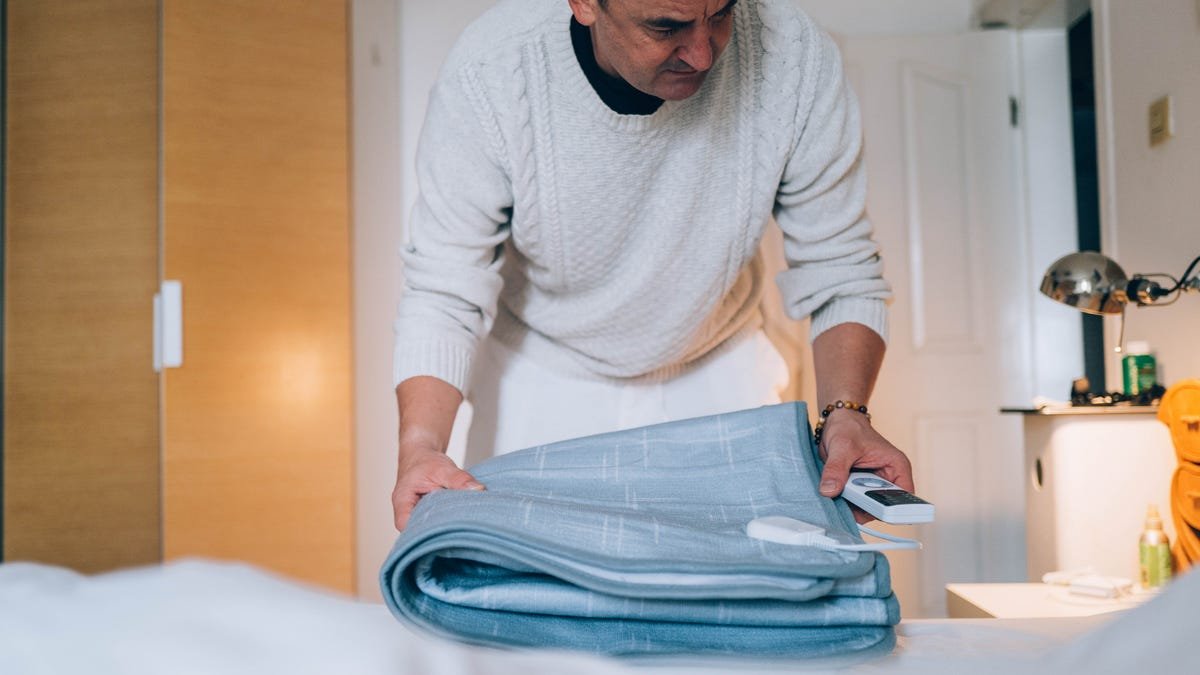
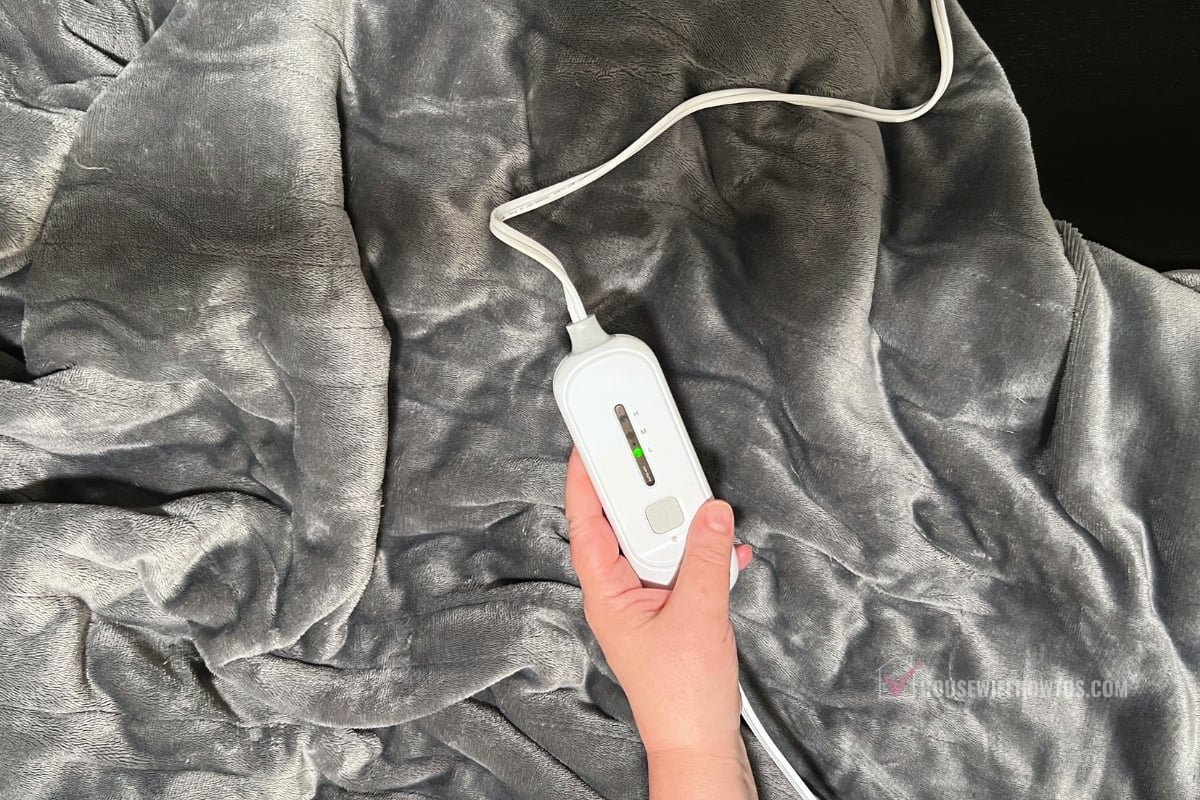
Before cleaning, always unplug the blanket from the wall. Remove any controls, cords, or power units. Most modern electric blankets have detachable cords for this reason. Never wash a blanket with cords or controls still attached. This step prevents water from reaching electrical parts and protects your washing machine, too.
Some older blankets have non-removable cords. If that’s your case, do not wash the blanket in water. Instead, consider surface cleaning (spot cleaning) only.
Pre-treat Stains And Problem Areas
Sometimes, your electric blanket may have stains or spots that need extra attention. For sweat, oils, or spills, use a gentle stain remover. Spray a small amount on the dirty area and let it sit for 10–15 minutes. Do not scrub hard, as too much pressure can damage the wires inside.
Use a soft cloth to blot the area.
For urine or other strong odors, mix a little baking soda with water to form a paste. Spread gently on the spot and rinse with a damp cloth. Avoid soaking any area for too long.
Washing Methods: Machine Or By Hand
Machine Washing
Most newer electric blankets can be washed in a machine, but only on a gentle cycle. Here’s how to do it safely:
- Place the blanket in the washer by itself. Do not add clothes or towels.
- Use cold or lukewarm water (never hot).
- Select the shortest gentle or delicate cycle, usually around 2–5 minutes of washing time.
- Add a small amount of mild detergent. Avoid bleach or strong chemicals.
Do not use fabric softener, as it can coat the heating wires and reduce performance. Once the cycle is finished, remove the blanket right away.
Hand Washing
If your blanket is older or the label says “hand wash only,” follow these steps:
- Fill a bathtub or large basin with cool or lukewarm water.
- Mix in a small amount of mild detergent.
- Submerge the blanket and gently move it around for 2–3 minutes. Don’t twist or wring.
- Drain the soapy water and refill with clean water to rinse.
- Gently press out excess water. Never wring or twist.
Hand washing is slower but much safer for delicate or vintage electric blankets.
Rinsing: Get All The Soap Out
Soap left in the fabric can cause skin irritation or reduce the blanket’s softness. Rinse the blanket in clean water until all the soap is gone. In a machine, use a gentle rinse cycle. For hand washing, change the water several times. Check by touching the fabric—if it feels slippery, rinse again.
Credit: housewifehowtos.com
Drying: The Most Critical Step
Drying your electric blanket is where many people make mistakes. Too much heat can melt the wires or shrink the fabric. Never use a high-heat setting or iron.
Air Drying
The safest way is to air dry your electric blanket:
- Spread the blanket flat on a large, clean surface (like a bed or a large table).
- Smooth out any folds or wrinkles.
- Let it dry for several hours, turning occasionally for even drying.
Never hang the blanket by the corners, as this can stretch the wires inside.
Tumble Drying
Some blankets allow tumble drying on low heat. Check the label first. If it’s allowed, use these steps:
- Place the blanket in the dryer alone.
- Set to “air fluff” or the lowest heat setting.
- Dry for 5–10 minutes, then check for dampness.
- Remove and finish air drying if needed.
Do not leave the blanket in the dryer for too long. Overheating can cause permanent damage.
Reattaching Cords And Safety Check
Once your blanket is completely dry, inspect it closely. Look for:
- Any damage to the wires or fabric
- Signs of shrinking or warping
- Loose threads or melted spots
If everything looks good, reattach the cords and controls. Plug the blanket in and test it for a few minutes. If you notice any unusual smell, sound, or the blanket doesn’t heat evenly, stop using it and contact the manufacturer.
Common Mistakes People Make
Many people accidentally ruin their electric blankets by making these mistakes:
- Using hot water or high heat in the dryer
- Forgetting to remove the controls before washing
- Twisting or wringing the blanket to remove water
- Using bleach or strong chemicals
- Washing too often (which wears out the wires)
Try to wash your electric blanket only when needed—usually once or twice a season.
How Often Should You Wash An Electric Blanket?
Washing too often can shorten the blanket’s life. For most people, washing once a season is enough. If you use the blanket every night or sweat a lot, you might wash it more often. Between washes, shake out the blanket and air it on a clothesline or bed to keep it fresh.

Credit: www.youtube.com
Caring For Your Electric Blanket Between Washes
Small efforts can keep your blanket clean and safe:
- Use a cover or duvet to protect it from spills and dirt.
- Air it out regularly by laying it flat in a well-ventilated room.
- Spot clean stains right away before they set in.
These small habits reduce the need for frequent washing and help your blanket last longer.
Comparison: Machine Wash Vs. Hand Wash
Some people are unsure if machine washing or hand washing is better. Here’s a quick comparison to help you decide:
| Feature | Machine Wash | Hand Wash |
|---|---|---|
| Time | Faster (10–20 minutes) | Slower (20–30 minutes) |
| Safety for Blanket | Good (if gentle cycle) | Best for delicate blankets |
| Risk of Damage | Medium (wrong settings can harm wires) | Low (if handled gently) |
| Effort Needed | Low | Higher |
Different Types Of Electric Blankets And Their Care
Not all electric blankets are the same. Here’s a quick look at common types and how they should be washed:
| Type | Washing Method | Special Care |
|---|---|---|
| Modern Removable Cord | Machine or Hand Wash | Unplug cords first |
| Non-Removable Cord | Spot Clean Only | Never submerge in water |
| Heated Mattress Pad | Machine or Hand Wash | Check for extra padding inside |
| Vintage Blanket | Hand Wash or Spot Clean | Very delicate wires—handle with care |
Two Insights Most Beginners Miss
Many new electric blanket owners make mistakes because they don’t know these two facts:
- Short gentle cycles are best: Most people think a “thorough wash” is needed. In fact, a quick, gentle cycle is enough and much safer. Long cycles can ruin the wires even if the water is cool.
- Blanket must be fully dry before use: Even if your blanket feels dry on the outside, moisture trapped inside can cause electric shorts. Always let the blanket air dry for several hours after machine drying.
What To Do If Your Blanket Smells After Washing
If you notice a musty or unpleasant smell after washing, it usually means the blanket wasn’t dried fully. Lay it flat in a sunny, ventilated room for a few more hours. You can also sprinkle a little baking soda on the surface, wait 15 minutes, and then shake or brush it off.
This removes odors without damaging the wires.
When To Replace Your Electric Blanket
No electric blanket lasts forever. If you notice any of the following, it’s time to replace your blanket:
- Wires feel stiff or broken inside
- Controls do not work properly
- The blanket smells burnt or scorched
- Fabric has holes or burns
Most electric blankets last 5–10 years if cared for properly. After that, safety may decrease, even if the blanket still works.
Safety Tips For Long-term Use
To avoid damage and stay safe, keep these tips in mind:
- Do not fold or store the blanket while plugged in.
- Avoid placing heavy objects on the blanket.
- Do not use pins or sharp items near the wires.
- Store flat or loosely rolled, never tightly folded.
These steps prevent wire breakage and keep your blanket safe to use year after year.
Where To Get More Information
If you want more details about washing and caring for electric blankets, you can visit the official Consumer Reports guide, which provides expert advice based on laboratory testing.
Frequently Asked Questions
How Do I Know If My Electric Blanket Is Machine Washable?
Check the label or manual that came with your blanket. Most modern blankets with removable cords are machine washable. If you are unsure, look up your model on the manufacturer’s website or contact their support.
Can I Dry Clean My Electric Blanket?
No, dry cleaning is not recommended. The chemicals used in dry cleaning can damage the wires and sensors inside your electric blanket. Stick to gentle machine or hand washing, as explained above.
What Detergent Should I Use For Washing?
Always use a mild, non-bleach detergent. Harsh chemicals can break down the insulation around the wires. Avoid fabric softeners, too, as they may coat the wires and reduce heating ability.
My Blanket Stopped Working After Washing. What Should I Do?
First, check that all cords are connected properly and that the blanket is fully dry. Test the outlet with another device. If it still doesn’t work, stop using it and contact the manufacturer. Never try to repair electric wires yourself.
Can I Use My Electric Blanket If It’s Still A Little Damp?
Never use or plug in an electric blanket that is not completely dry. Even a small amount of moisture can cause a short circuit or pose a fire risk. Always air dry until no dampness remains.
Washing your electric blanket the right way keeps it warm, clean, and safe for years. With these steps, you can enjoy cozy nights with peace of mind.