
Storing comforters when you’re not using them seems easy—just fold and put them away, right? But if you want your comforters to stay fresh, fluffy, and last for many years, it’s not so simple. Many people make mistakes that lead to musty smells, flat filling, or even mold.
With the right steps and a bit of care, you can avoid these problems and keep your comforters in perfect condition until you need them again.
Why Proper Storage Matters
Comforters are often expensive and made from delicate materials like down, wool, or specialty fibers. When stored incorrectly, these materials can get damaged. For example, moisture can cause mildew, and compression can ruin the loft (the fluffiness) of the filling.
Proper storage protects your investment and saves you from buying new bedding too soon.
Another reason to store comforters well is for health. Dust mites, mold, and bacteria can grow if you store bedding in the wrong environment. Clean, dry, and well-protected comforters mean a healthier sleep when you use them again.
Clean Before You Store
Never store a dirty comforter. Even if it looks clean, body oils, sweat, and dust can cause stains or odors to develop over time. Here’s what to do:
- Read the care label for washing instructions. Some comforters need dry cleaning, while others can be machine washed.
- Wash with gentle detergent. Avoid bleach or harsh chemicals that can damage the fabric or filling.
- Dry thoroughly. Use a dryer on low heat with clean tennis balls or dryer balls to fluff the filling. Any leftover moisture can lead to mold.
- Spot clean stubborn stains before storing.
If you skip cleaning, even small amounts of dirt or moisture can attract pests or cause permanent damage.
Choose The Right Storage Location
Where you store your comforter matters as much as how you store it. The best place is cool, dry, and away from sunlight. Sun can fade colors and weaken fabrics. Damp basements, garages, or attics are risky because they often have moisture and temperature changes.
Ideal spots:
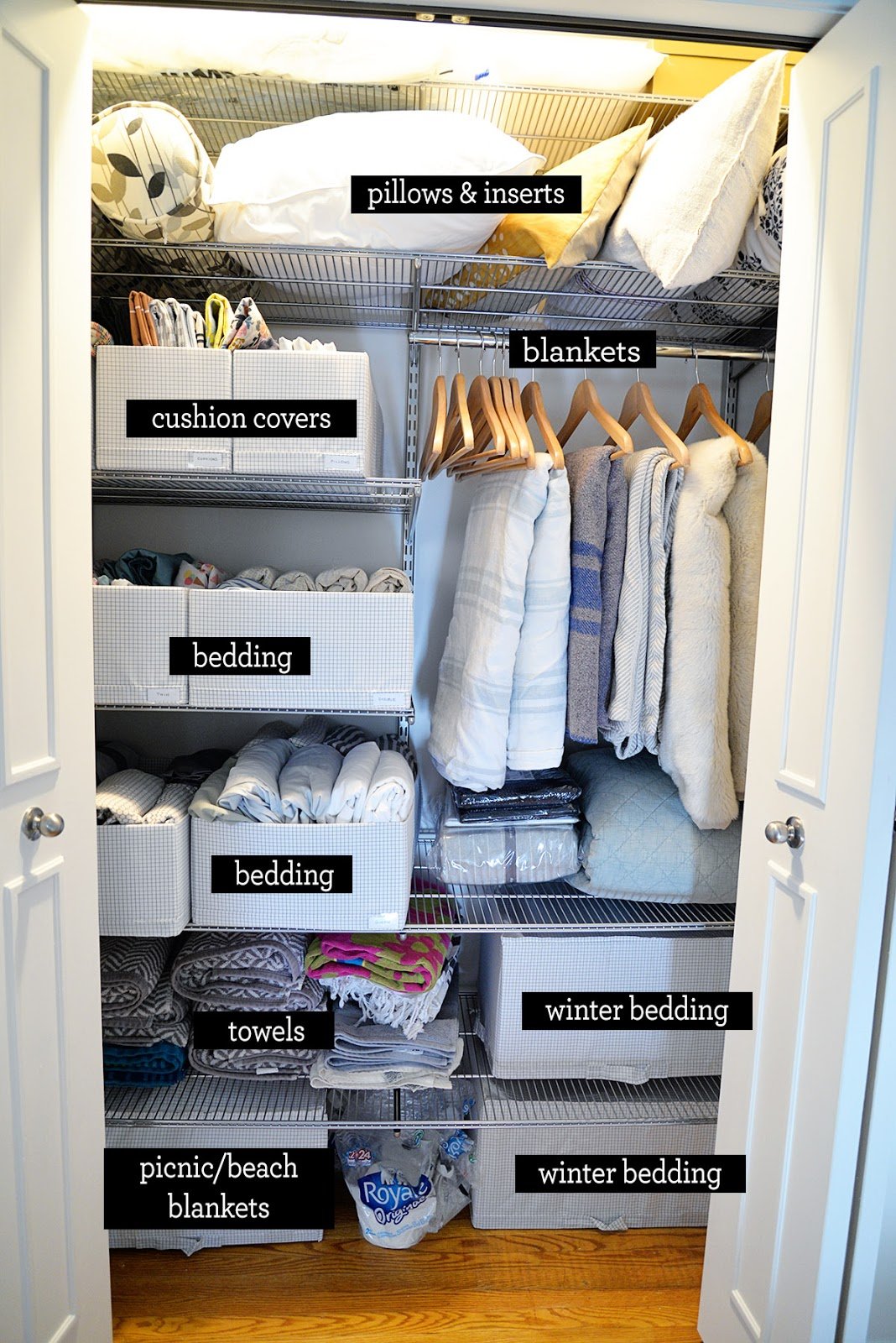
- Closet shelf inside the house
- Under-bed storage (if not humid)
- Spare room or linen closet
Avoid plastic bags in hot climates. Plastic traps moisture and causes mildew. For humid areas, use a dehumidifier or silica gel packs to keep air dry.
Folding Vs. Rolling: Which Is Best?
How you store your comforter affects its shape and fluffiness. Many people fold their comforters, but rolling is often better for long-term storage.
| Method | Pros | Cons |
|---|---|---|
| Folding | Easy, saves space, fits shelves | Can cause creases, compresses filling |
| Rolling | Prevents deep creases, maintains loft | Takes more space, harder to stack |
If you need to save space, folding is fine for a few months. For longer storage, rolling keeps the filling in better shape.
Credit: www.ramblingrenovators.ca
Use The Best Storage Containers
Choosing the right container is key. Options include:
- Cotton storage bags: Breathable, prevent moisture build-up, keep dust out.
- Plastic bins (with loose lids): Good for protecting from pests, but must allow air flow.
- Vacuum storage bags: Save space, but only for synthetic comforters. Vacuum sealing can damage down or wool comforters.
- Suitcases or large pillowcases: Useful for short-term or if you lack special bags.
Never use trash bags for storage—these can trap moisture and aren’t pest-proof.
Here’s a comparison of common storage container types:
| Container Type | Best For | Drawbacks |
|---|---|---|
| Cotton Bag | All comforters, long-term | Not waterproof |
| Plastic Bin | Protection from pests | Can trap moisture |
| Vacuum Bag | Synthetic comforters, short-term | Damages natural filling |
| Pillowcase/Suitcase | Short-term, easy access | Not dust-proof |
Avoid Common Storage Mistakes
Even with good intentions, people often make storage mistakes that ruin comforters. Here are the most common errors and how to avoid them:
- Storing when damp: Even a little moisture can lead to mildew.
- Using airtight plastic for down or wool: Natural fibers need to breathe.
- Placing near heat sources: Heaters or sunlight can break down materials.
- Ignoring pests: Moths and insects love natural bedding. Always check for holes or signs of insects first.
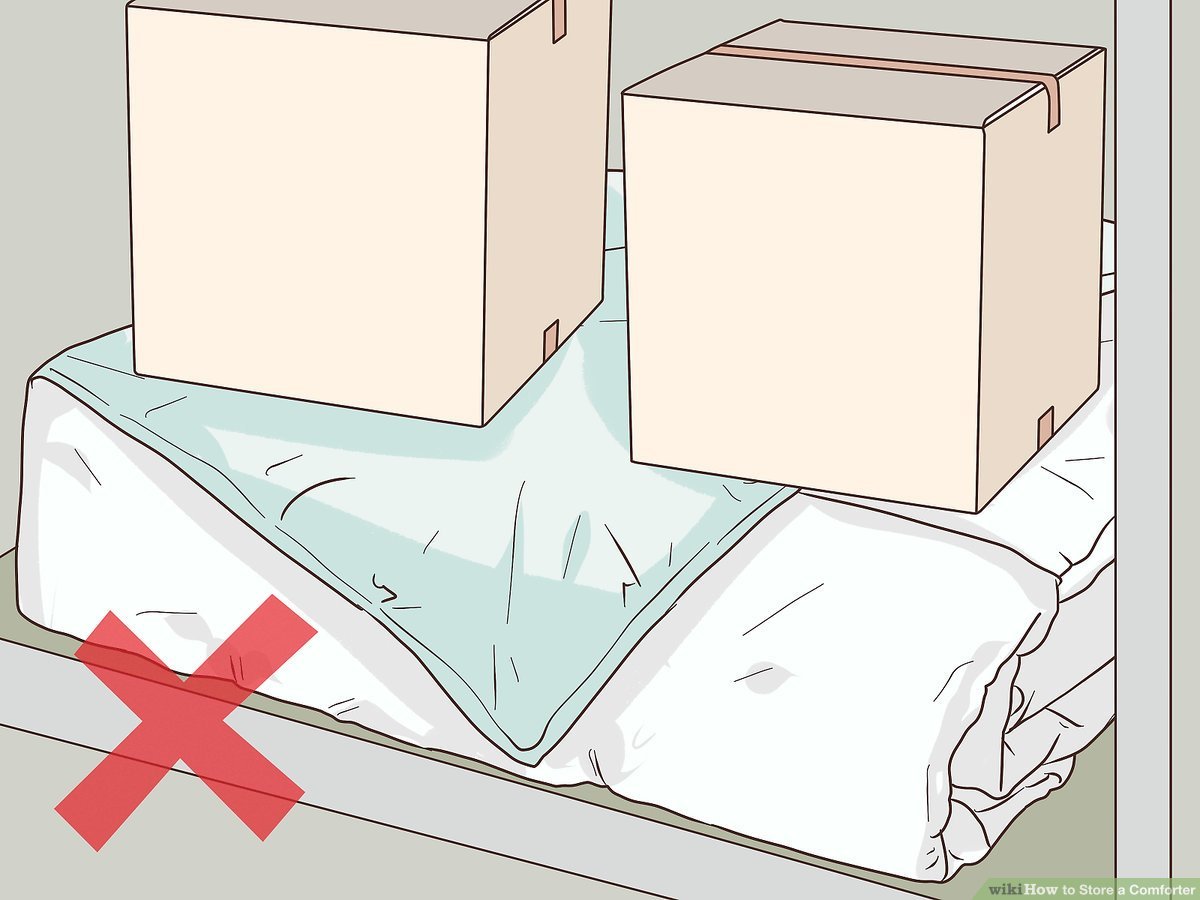
- Stacking heavy items on top: This flattens your comforter and damages the filling.
If you remember just one thing: always keep comforters clean, dry, and able to breathe.
Special Considerations For Different Comforter Types
Not all comforters are made the same. Down, wool, cotton, and synthetic fillings each need different care.
Down Comforters
- Store in a breathable cotton bag.
- Never compress for long periods—down loses loft and warmth.
- Add a lavender sachet or cedar blocks to deter pests naturally.
Wool Comforters
- Use a cotton or canvas bag.
- Wool can absorb moisture, so add silica gel packs to keep dry.
- Avoid plastic containers, as wool needs air flow.
Synthetic Comforters
- Can be stored in vacuum bags for space saving.
- Less risk of damage from compression but avoid keeping compressed for years.
- Wash and dry fully—synthetics can trap sweat and odors.
Silk Comforters
- Always use a cotton bag.
- Store flat or loosely rolled.
- Keep away from heat and sunlight—silk is delicate.
Here’s a quick reference for storage by comforter type:
| Comforter Type | Best Storage Method | Notes |
|---|---|---|
| Down | Cotton bag, rolled | Needs to breathe |
| Wool | Cotton bag, flat/rolled | Use moisture absorbers |
| Synthetic | Vacuum bag or bin | Safe for compression |
| Silk | Cotton bag, flat | Protect from light and heat |
Add Protection Against Pests And Odors
Comforters stored for months can attract pests like moths or get musty. To prevent this:
- Add cedar blocks or lavender sachets for natural pest control.
- Place a dryer sheet or small cotton bag with baking soda to absorb odors.
- Check every few months for signs of damage or smell.
Never use mothballs directly with bedding—they leave a strong smell and can be toxic.
Credit: kelleynan.com
Refreshing A Stored Comforter
When it’s time to use your comforter again, don’t just put it on your bed. First:
- Air it out: Hang outside or in a well-ventilated room for a few hours.
- Fluff by hand or in dryer: A quick tumble with dryer balls helps restore loft.
- Check for pests or stains: Spot clean if needed before use.
If you notice any musty smell, an hour in the sun (if safe for the fabric) can help remove odors.
How Often Should You Rotate Comforters?
If you store comforters for long periods, it’s smart to rotate them every 6 months. Take them out, shake them, and refold or reroll. This prevents flat spots, creases, and hidden moisture.
Credit: www.wikihow.life
Two Insights Most Beginners Miss
- Breathability is more important than airtightness. Many people think sealing out air is best. For most comforters, especially natural ones, air flow prevents mildew and musty smells.
- Short-term and long-term storage need different methods. Vacuum bags are fine for a few weeks, but ruin down or wool if used for months or years.
Quick Tips For Best Results
- Always label your storage bags with the comforter type and the date stored.
- Do not overload storage bins—leave space for air.
- Store comforters you rarely use in higher, dryer shelves.
- Use only mild scents; strong fragrances can linger and irritate sensitive skin.
When To Replace A Comforter
Even with perfect storage, comforters eventually wear out. Signs it’s time for a new one:
- Filling is flat and won’t fluff up
- Persistent stains or smells
- Holes or ripped fabric
- You wake up feeling cold or itchy
On average, a good down or wool comforter lasts 10-15 years with proper care. Synthetics may last 5-10 years. For more on comforter lifespan and care, check out this Wirecutter guide.
Frequently Asked Questions
How Do I Store A Comforter In A Small Apartment?
Use an under-bed storage bag or a large cotton bag placed on a closet shelf. Roll, don’t fold, to save space. If you must use a vacuum bag, limit storage to a few weeks and only for synthetic comforters.
Is It Safe To Use Vacuum Storage Bags For All Comforters?
No. Vacuum bags are good for synthetic comforters but can damage down or wool by compressing their natural loft. Always check the care instructions before using vacuum storage.
How Do I Keep My Comforter From Smelling Musty In Storage?
Make sure it is 100% dry before storing. Use a cotton bag, add a lavender sachet or dryer sheet, and store in a cool, dry place. Check the comforter every few months and air it out if needed.
Can I Store My Comforter In The Attic Or Basement?
It’s risky. Attics and basements often have big temperature changes and moisture, which can lead to mildew or pests. If you must, use a dehumidifier and a strong, sealed storage bin with moisture absorbers.
Should I Wash My Comforter Before Storing It Every Time?
Yes, always clean your comforter before long-term storage. Even if it looks clean, body oils and dust can attract pests or cause odors over time.
Storing comforters the right way keeps them clean, cozy, and ready to use whenever you need them. With just a little extra care, you can make your bedding last for many comfortable years.
