
A drooping plant can feel like a small heartbreak. You water it, maybe talk to it, and hope for a miracle. When your favorite green friend starts to look sick, you might think it’s too late. But most houseplants can bounce back with the right care—even those that look half dead.
Knowing how to revive a dying houseplant is a skill any plant lover can learn. With patience, observation, and some science-backed steps, you can give your plant a second chance. Let’s walk through each stage of rescue, from detective work to long-term healing.
Spotting The Signs: Is Your Houseplant Really Dying?
Before you start treatment, you need to know what’s wrong. Not every yellow leaf means disaster. Some common signals your plant is in trouble include:
- Wilting that doesn’t improve after watering
- Brown leaf tips or edges
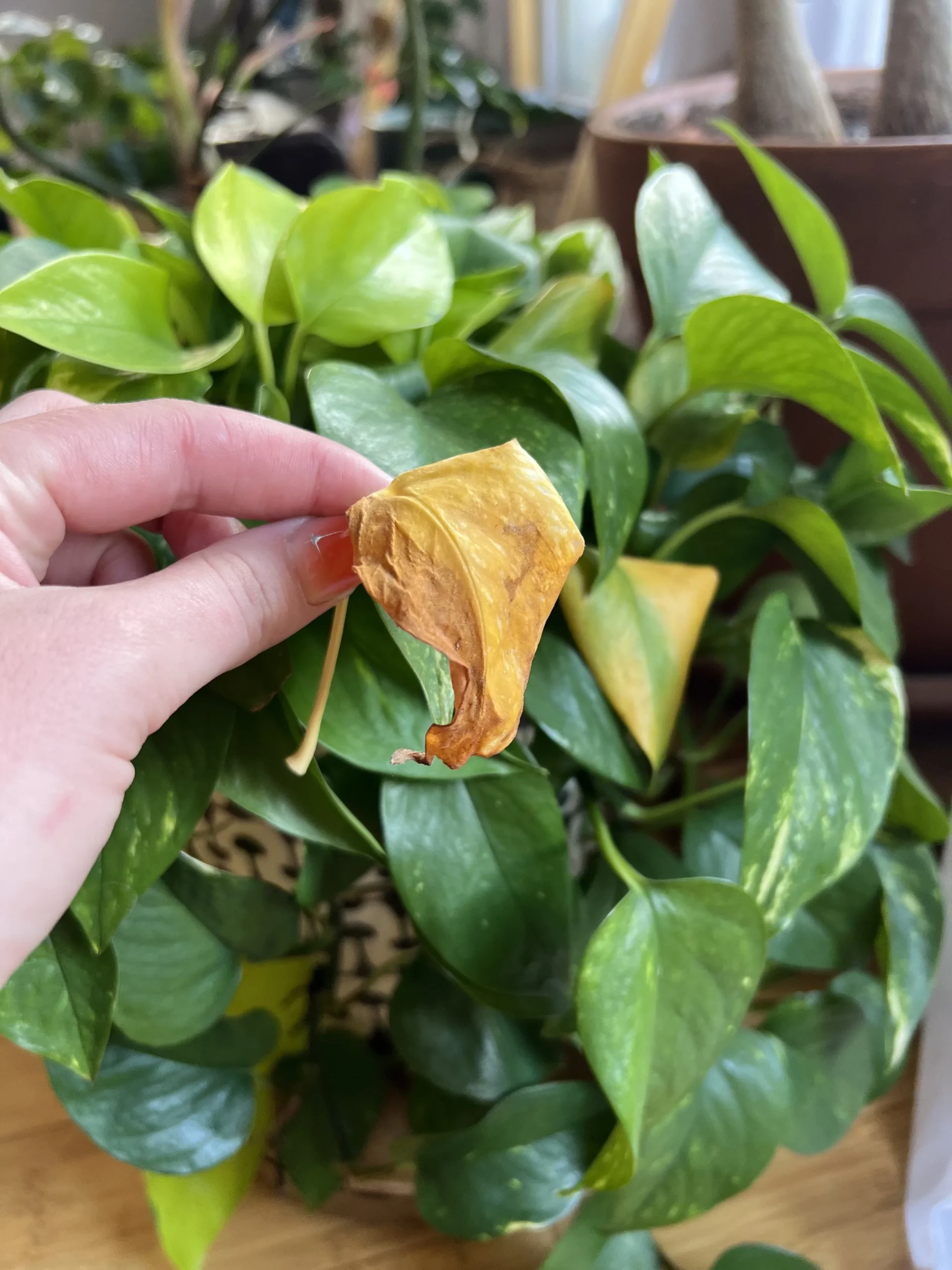
- Yellowing leaves spreading quickly
- Leaf drop (leaves falling off in large numbers)
- Soft, mushy stems or roots
- Slow or no growth during active seasons
- Spots or mold on soil or leaves
It’s important to note that some symptoms can appear similar, but the causes are different. For example, both overwatering and underwatering can cause wilting. Understanding the root cause is the first step to saving your plant.
Diagnose The Problem: What Went Wrong?
Reviving a plant starts with asking the right questions. Here are the most common reasons houseplants decline:
- Overwatering: Roots drown and rot in soggy soil. Look for black, mushy roots and a musty smell.
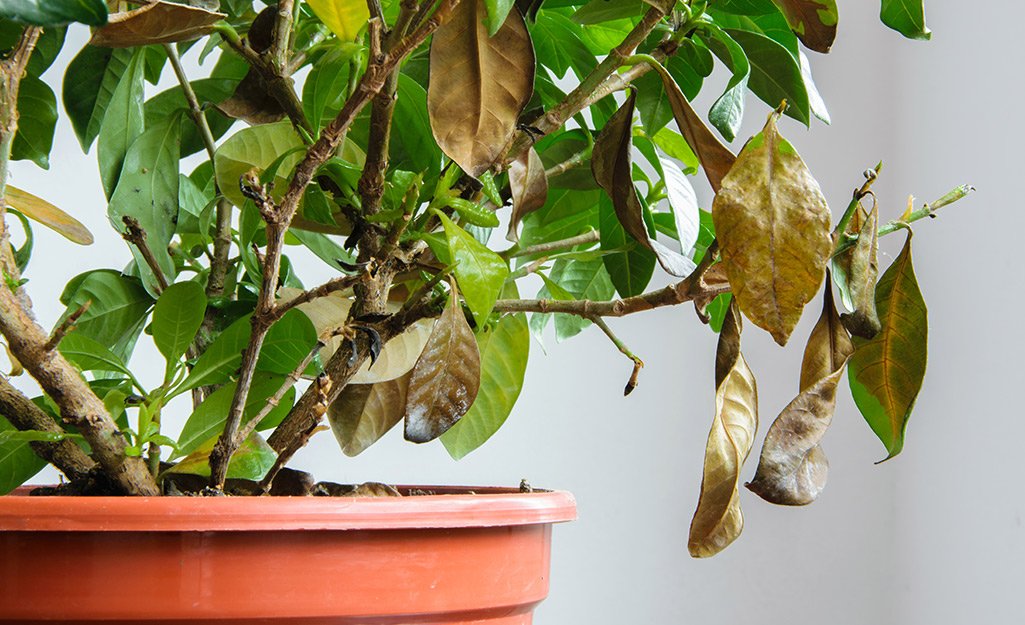
- Underwatering: Leaves turn crispy, curl, and drop. Soil feels dry and pulls away from the pot.
- Lack of Light: Pale, thin leaves and stunted growth. Some plants lean toward the window.
- Too Much Sun: Scorched, bleached, or brown patches on leaves, especially for shade-loving types.
- Nutrient Deficiency: Weak growth, yellowing between veins, or strange leaf colors.
- Pests and Diseases: Sticky residue, holes, webbing, or white powder on leaves.
- Pot-Bound Roots: Roots circle the pot or poke out the drainage holes.
Many beginners misdiagnose the problem, treating for one issue when another is to blame. For example, watering more when the plant is actually drowning. Take time to look closely at the plant, soil, and roots before making changes.
Immediate First Aid: Steps To Stabilize Your Plant
When you realize your plant is in crisis, quick action can stop further damage. Here’s what to do right away:
- Isolate the Plant: If pests or disease are possible, move the plant away from others to prevent spread.
- Remove Dead or Dying Parts: Cut off brown, mushy, or dead leaves and stems. This helps the plant focus energy on healthy growth.
- Check the Soil Moisture: Stick your finger an inch deep. If it’s bone dry, water lightly. If it’s soggy, skip watering and move to repotting.
- Clean the Leaves: Wipe leaves gently with a damp cloth. Dust blocks sunlight and can hide pests.
- Inspect for Pests: Look under leaves and on stems for bugs. Treat as needed (see pest section below).
Adjust Watering: The Make-or-break Factor
Watering is where most plant care goes wrong. Too much or too little can harm roots. Here’s how to get it right:
- For Overwatered Plants:
- Remove the plant from its pot. Gently shake off wet soil.
- Trim away any black or mushy roots with clean scissors.
- Let the roots air-dry for a few hours.
- Repot in fresh, dry soil with good drainage. Use a clean pot with holes.
- For Underwatered Plants:
- Water the plant deeply, letting excess water drain out.
- Soak the whole root ball if soil is hard and dry.
- Avoid flooding; give enough to moisten evenly.
A common beginner mistake is sticking to a fixed schedule. Instead, always check the top inch of soil before watering. Most houseplants prefer to dry out slightly between waterings.
Light: Finding The Sweet Spot
A houseplant’s light needs depend on its species. When reviving a plant, light is often overlooked. Too much or too little can both cause problems.
- Low Light Symptoms: Pale or “leggy” (stretched) growth.
- Too Much Light: Scorched or faded leaves.
Place your plant where it gets the right type of light for its species. If unsure, bright indirect light suits most common houseplants. South or east-facing windows are best, but sheer curtains can soften harsh sun.
Comparing Common Houseplant Light Needs
| Plant Type | Light Requirement | Symptoms of Too Much/Too Little |
|---|---|---|
| Snake Plant | Low to bright, indirect | Too little: slow growth; Too much: leaf burn |
| Peace Lily | Low to medium, indirect | Too little: no blooms; Too much: yellow leaves |
| Fiddle Leaf Fig | Bright, indirect | Too little: leaf drop; Too much: brown spots |
Adjust the location and watch for changes over the next week or two.
Soil And Repotting: Giving Roots A Fresh Start
Old, compacted, or waterlogged soil can suffocate roots. Repotting is sometimes the only way to save your plant.
- How to Repot:
- Gently remove the plant and shake away old soil.
- Check roots. Healthy roots are white or tan and firm.
- Trim away any dead roots.
- Use fresh, well-draining potting mix suited for your plant.
- Choose a pot only 1–2 inches bigger than the root ball.
- Water lightly after repotting.
Potting Mix Comparison
| Plant Type | Recommended Potting Mix | Why It Works |
|---|---|---|
| Cactus/Succulent | Sandy, fast-draining | Prevents root rot |
| Tropical Foliage | Peat-based, airy | Holds moisture but drains well |
| Orchids | Bark-based, chunky | Allows air to roots |
Repotting can stress a plant, but it’s often necessary for survival. If the plant is very weak, wait until it shows new growth before repotting unless roots are rotting.
Credit: www.plantsavvy.com
Pests And Diseases: Silent Killers
Insects and fungi can attack stressed plants. Common pests include spider mites, mealybugs, and aphids. Fungal issues appear as spots or fuzzy growth.
- Pest Removal Steps:
- Wash leaves with water or a mild soap solution.
- Wipe pests away with a soft cloth or cotton swab.
- Use neem oil or insecticidal soap if needed.
- Repeat every few days until clear.
- Fungal or Bacterial Issues:
- Cut off affected leaves.
- Improve air circulation.
- Avoid splashing water on leaves.
Never use strong chemicals unless you know your plant can tolerate them. Many houseplants are sensitive to harsh sprays.
Feeding And Fertilizer: Boost Or Harm?
When a plant is recovering, less is often more. Fertilizer can burn weak roots if used too soon.
- Wait at least 3–4 weeks after repotting or reviving before feeding.
- Use a balanced, diluted liquid fertilizer.
- Feed only during active growth (usually spring and summer).
Fertilizer Comparison Table
| Fertilizer Type | Best For | Pros | Cons |
|---|---|---|---|
| Liquid | Most houseplants | Easy to dilute and control | Needs frequent application |
| Slow-release Granules | Busy owners | Long-lasting, less frequent | Harder to adjust quickly |
| Organic (compost, worm tea) | Natural care | Gentle, improves soil | Smells, can attract pests |
If in doubt, skip fertilizer until the plant is clearly growing again.
Pruning And Encouraging New Growth
Removing damaged leaves helps your plant focus on recovery. Prune with clean, sharp scissors. Cut just above a leaf node or stem joint. For bushy plants, pinching the tips can encourage more branches.
Don’t remove too much at once—leave enough green for photosynthesis. If only a few healthy leaves are left, wait for new growth before pruning more.
Creating The Ideal Recovery Environment
A stressed plant needs gentle conditions:
- Humidity: Many houseplants recover faster with higher humidity (40–60%). Place a tray of water nearby or use a humidifier.
- Temperature: Keep away from cold drafts and hot radiators. Most houseplants prefer 65–75°F (18–24°C).
- Air Circulation: Good airflow prevents mold and pests. Open a window slightly or use a fan on low, but avoid direct drafts.
For some tropical species, grouping plants together boosts humidity naturally.
Credit: www.homedepot.com
Patience And Monitoring: The Waiting Game
Rescued plants rarely bounce back overnight. Sometimes it takes weeks to see improvement. Watch for:
- New leaf buds
- Firm, upright stems
- Healthy root growth (if you can check)
Keep a simple diary of changes. Take pictures every week. This helps you spot slow progress and avoid repeating mistakes.
A non-obvious insight: Sometimes, a plant will drop old leaves as it starts to recover—this is normal! As long as new growth appears, the plant is on the mend.
When To Let Go
Not every plant can be saved. If all roots are mushy and black, or the stem is hollow and collapsed, it may be time to compost the remains. Even expert gardeners lose plants sometimes. Learn from the experience and try again with a new green friend.
:max_bytes(150000):strip_icc()/how-to-revive-a-dying-houseplant-GettyImages-1316912503-0f92fc0a5e054a86930374bd5c550bcb.jpg)
Credit: www.realsimple.com
Tips For Preventing Future Problems
- Water only when needed, not on a strict schedule.
- Use pots with drainage holes.
- Match plant species to your home’s light and humidity.
- Inspect new plants for pests before bringing them home.
- Clean leaves regularly for healthy growth.
Many plant lovers find that learning from a “rescue mission” makes them better growers in the long run.
Frequently Asked Questions
What Is The Fastest Way To Revive A Drooping Plant?
The quickest fix is to check soil moisture. If dry, water thoroughly and let excess drain away. If wet, remove from pot and let roots dry. Also, trim off any dead leaves and move the plant to a spot with proper light.
How Long Does It Take For A Dying Houseplant To Recover?
Recovery time depends on the problem and the plant. Some bounce back in a week or two, while others may take a month or more. Consistency and patience are key—avoid making too many changes at once.
Can Yellow Leaves Turn Green Again?
Usually, once a leaf turns yellow, it will not turn green again. Focus on new growth. Remove yellow leaves only if they are fully dead or causing rot.
Is It Possible To Save A Plant With Root Rot?
If some healthy roots remain, you can save the plant by cutting off rotten roots and repotting in fresh, dry soil. If all roots are black and mushy, the plant is unlikely to survive.
What’s The Best Soil For Most Houseplants?
A standard peat-based or coco coir mix with added perlite suits most houseplants. It holds moisture but allows good drainage, preventing root rot. For specific plant needs, see detailed guides from sources like Royal Horticultural Society.
Reviving a dying houseplant takes some detective work, gentle hands, and lots of patience. By understanding what went wrong and following careful steps, you can give your green companion the best chance to thrive again. Every plant you save makes you a better, more confident plant parent.
