
Freezing food is a smart way to save time and money. It keeps meals fresh, reduces waste, and lets you plan ahead. But many people wonder: how long can you freeze cooked food safely? The answer is not always simple. Different foods last for different times. Some foods keep their flavor and texture longer than others. If you freeze food too long, it might not make you sick, but the taste and quality can drop. This article will help you understand the safe freezing times for various cooked foods, why those limits matter, and how to freeze food the right way. You will also learn practical tips to avoid common mistakes and keep your meals delicious.
Why Freezing Cooked Food Is Safe—but Not Forever
Freezing stops bacteria from growing, but it does not kill all microbes. That means food won’t spoil in the freezer, but it can lose quality over time. Over months, frozen food can get freezer burn—dry patches or icy crystals. This does not usually make food unsafe, but it does make it less tasty. Also, flavors and textures can change, especially in delicate foods.
Most cooked foods are best eaten within a certain time for the best taste and safety. The “safe” time is how long food will stay at its top quality, based on advice from health agencies like the US Department of Agriculture and the Food and Drug Administration.
Safe Freezing Times For Common Cooked Foods
How long you can freeze cooked food depends on what it is. Here are the typical safe freezing times for different foods, based on expert guidelines:
Cooked Meat And Poultry
Cooked meats keep their flavor and texture for a few months in the freezer. Here are safe limits:
| Cooked Food | Safe Freezing Time |
|---|---|
| Roast beef, pork, lamb | 2–3 months |
| Cooked chicken or turkey (pieces) | 4 months |
| Whole cooked chicken or turkey | 4 months |
| Cooked ground meat (beef, pork, poultry) | 2–3 months |
| Cooked ham | 1–2 months |
Cooked Fish And Seafood
Fish and seafood are more delicate than meat. They don’t last as long in the freezer.
| Cooked Food | Safe Freezing Time |
|---|---|
| Cooked fish (lean) | 4–6 months |
| Cooked fish (fatty) | 2–3 months |
| Cooked shellfish (shrimp, crab, lobster) | 2–3 months |
| Cooked clams, scallops, mussels | 2–3 months |
Cooked Soups, Stews, And Casseroles
Dishes with liquid, like soups and stews, freeze well. But dairy-based or egg-based dishes may separate.
- Soups (without cream or milk): 2–3 months
- Soups (with cream or milk): 1–2 months
- Stews and chili: 2–3 months
- Casseroles: 2–3 months
- Pasta dishes (with sauce): 2–3 months
- Rice dishes: 2–3 months
Cooked Vegetables And Sides
Most cooked vegetables keep their best flavor and texture up to 10–12 months, but some can last longer. The key is to blanch vegetables before freezing, but if they were cooked already, they can be frozen after cooling.
- Cooked vegetables: 10–12 months
- Mashed potatoes: 2 months
- Stuffing: 1 month
Baked Goods And Breakfast Foods
Breads, muffins, pancakes, and waffles freeze well and last longer than most other foods.
| Cooked Food | Safe Freezing Time |
|---|---|
| Bread | 3 months |
| Muffins | 3 months |
| Pancakes and waffles | 1–2 months |
| Cakes (unfrosted) | 2–3 months |
| Pie (baked) | 1–2 months |
Sauces And Gravies
- Tomato-based sauces: 3–4 months
- Cream-based sauces: 1–2 months
- Gravy: 1–2 months
Credit: www.soupercubes.com
Factors That Affect Freezing Time
Not all freezers are the same. A few things can change how long food stays good:
- Freezer temperature: The best temperature is 0°F (-18°C) or lower. Warmer freezers mean shorter safe times.
- How you pack food: Air-tight packing keeps food from drying out and getting freezer burn.
- Food quality at freezing: Only freeze fresh, well-cooked food. Old or spoiled food won’t improve in the freezer.
- Size of portions: Small portions freeze and thaw faster. Large items may take longer, which affects texture.
- Power outages: If the freezer thaws and refreezes, food may spoil faster.
How To Freeze Cooked Food The Right Way
Freezing food correctly makes a big difference in taste and safety. Here are steps to follow:
- Cool food quickly. Do not freeze hot food. Let it cool to room temperature within two hours.
- Portion food. Divide into meal-sized packs so you only thaw what you need.
- Use freezer-safe containers. Choose heavy-duty bags, hard plastic boxes, or glass containers made for the freezer.
- Remove extra air. Air causes freezer burn. Squeeze it out of bags or lay plastic wrap on top of food in containers.
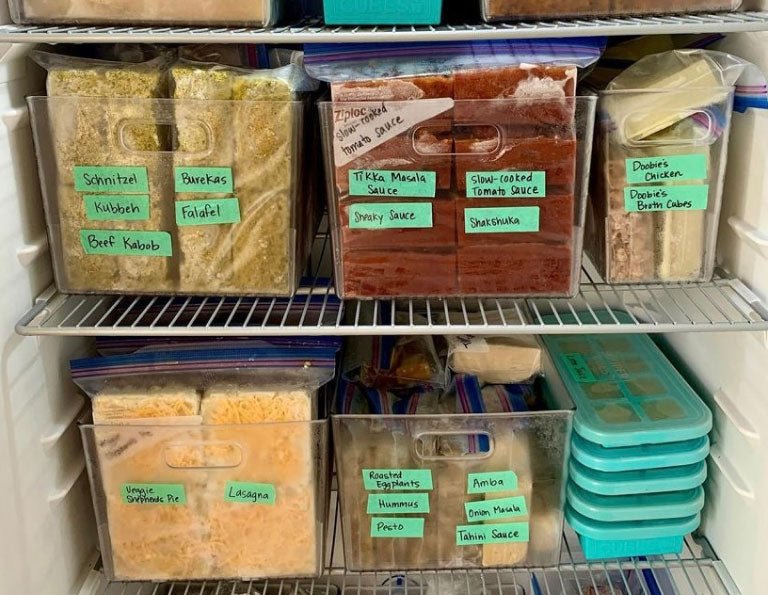
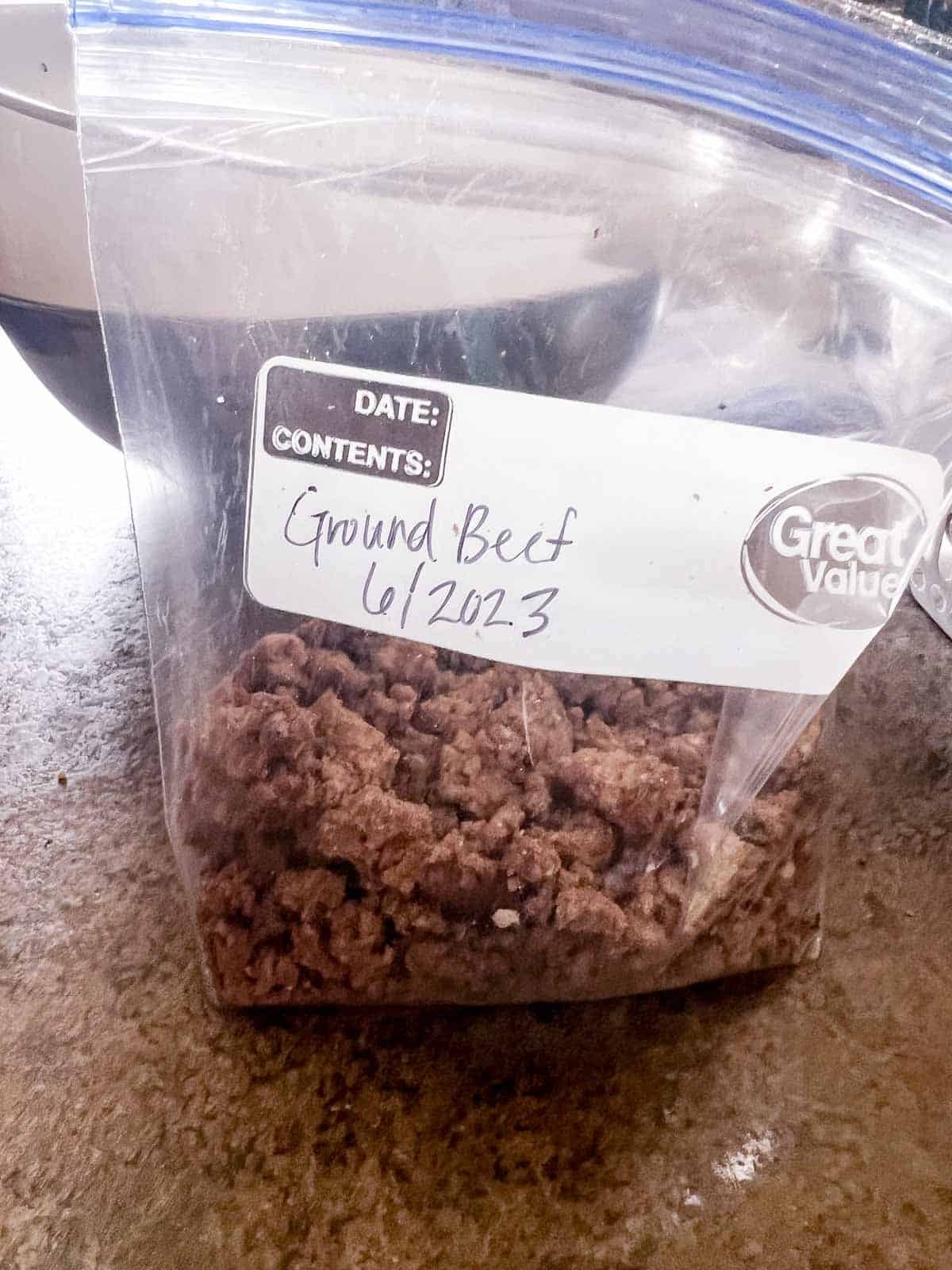
- Label clearly. Write the name and date you froze the food.
- Freeze flat. Lay bags flat to freeze. It saves space and makes thawing faster.
- Keep the freezer full but not crowded. A full freezer stays cold better, but air must still move.
Non-obvious tip: Avoid freezing food in disposable takeout containers. Many are not freezer-safe and can crack or let in air.
Signs Your Frozen Cooked Food Is No Longer Good
Frozen cooked food usually stays safe as long as it is kept at the right temperature. But sometimes, food can go bad even in the freezer. Watch for these signs:
- Freezer burn: White, dry spots or ice crystals. The food is safe but not tasty.
- Odd smell: If the food smells bad after thawing, throw it away.
- Change in color or texture: Gray or faded color, mushy or watery texture.
- Slimy surface: This shows spoilage.
- Broken packaging: If the bag or box is open, air and bacteria can get in.
Extra insight: Freezer burn does not cause illness, but it ruins the flavor and texture. You can cut away small freezer-burned spots if the rest of the food is fine.
How To Thaw And Reheat Frozen Cooked Food Safely
Thawing is as important as freezing. If you thaw food wrong, bacteria can grow. The safest ways are:
- In the refrigerator: Move food from freezer to fridge a day before. This is the safest method.
- In cold water: Put the food in a leak-proof bag and place in cold water. Change water every 30 minutes.
- In the microwave: Use the defrost setting. Cook and eat right away.
Never thaw cooked food at room temperature. Bacteria can multiply quickly between 40°F (4°C) and 140°F (60°C).
When reheating, make sure food reaches at least 165°F (74°C). Stir food to heat evenly, especially soups and stews.
Useful tip: Don’t refreeze cooked food that has been thawed unless you re-cook it first. Thawing and refreezing changes texture and can raise the risk of bacteria.
Credit: loveablelemons.com
Common Mistakes When Freezing Cooked Food
Many people repeat the same freezing errors. Here’s what to avoid:
- Freezing food too late: Only freeze food when it is fresh. Do not freeze leftovers that have been in the fridge for days.
- Using thin bags or containers: This allows freezer burn and bad odors.
- Forgetting to label: You may not remember what you froze or when.
- Overfilling containers: Food expands when frozen. Leave a small space at the top.
- Freezing dairy-rich or fried foods: Cream-based foods and fried items often turn grainy or soggy.
Beginner’s insight: Some foods don’t freeze well, like custards, mayonnaise-based salads, or cooked eggs. The texture gets rubbery or watery.
Tips To Keep Frozen Cooked Food Tasting Great
- Use a freezer inventory list. Write down what you freeze and cross it off when you use it.
- Freeze in single layers. This helps food freeze faster and more evenly.
- Wrap tightly. Double-wrap or use vacuum sealers for long-term storage.
- Rotate stock. Use older items first (first in, first out).
Pro tip: For best results, eat frozen cooked food within the recommended times—even if it’s still safe after. The quality is much better.
:max_bytes(150000):strip_icc()/can-you-freeze-cooked-chicken-2000-a937a9f665374d7faae1e19e8f5a3bf0.jpg)
Credit: www.eatingwell.com
When In Doubt, Throw It Out
If you are not sure how long a food has been frozen, or if it looks or smells odd, don’t risk it. Food poisoning is not worth the gamble. Always follow safe freezing guidelines from trusted sources like the USDA or your country’s food safety authority.
For more detailed guidelines, check the official FDA freezing and food safety page.
Frequently Asked Questions
How Can I Tell If Frozen Cooked Food Is Still Safe To Eat?
If food has been kept at 0°F (-18°C) and shows no signs of spoilage—like smell, color, or slimy texture—it is usually safe. But if you see freezer burn, odd smells, or leaks, it’s best to throw it away.
Can I Freeze Cooked Food More Than Once?
It’s not recommended. Each time you freeze and thaw, the quality drops. If you must refreeze, make sure to re-cook the food first before freezing again.
What Is Freezer Burn And Is It Dangerous?
Freezer burn happens when air reaches the food, causing dry spots and ice crystals. It’s not dangerous, but it makes the food taste and look worse. Cut away small spots if you want to eat the rest.
Does Freezing Kill Bacteria In Cooked Food?
No. Freezing only stops bacteria from growing, it does not kill all bacteria. That’s why it’s important to freeze food while it’s still fresh and to reheat it well.
What Foods Should Not Be Frozen After Cooking?
Foods with a lot of cream, mayonnaise, or egg—like potato salad, custard, or quiche—often turn watery or grainy after freezing. Also, fried foods lose their crispness.
Freezing cooked food is a great way to save time and reduce waste, but only when you know the safe limits. Follow these tips to keep your meals tasty and safe, and you’ll always have a delicious backup ready to go.