
Choosing the right mattress can make a big difference in how well you sleep and how you feel every day. With so many options, it’s easy to feel confused, especially when comparing gel memory foam and regular memory foam mattresses. Both types promise comfort and support, but they are not the same. Understanding their differences will help you make a smarter choice for your sleep and health.
What Is Memory Foam?
Memory foam was first developed by NASA in the 1960s to improve seat safety for astronauts. Over time, it became popular in mattresses because of its ability to mold to the body, relieve pressure, and absorb movement. Traditional memory foam is made from polyurethane and other chemicals that create a dense, energy-absorbing material.
When you lie down, memory foam softens with your body heat and weight, then slowly returns to its original shape when you move. This unique feature is called viscoelasticity. It’s why memory foam mattresses can feel like they are “hugging” your body.
What Is Gel Memory Foam?
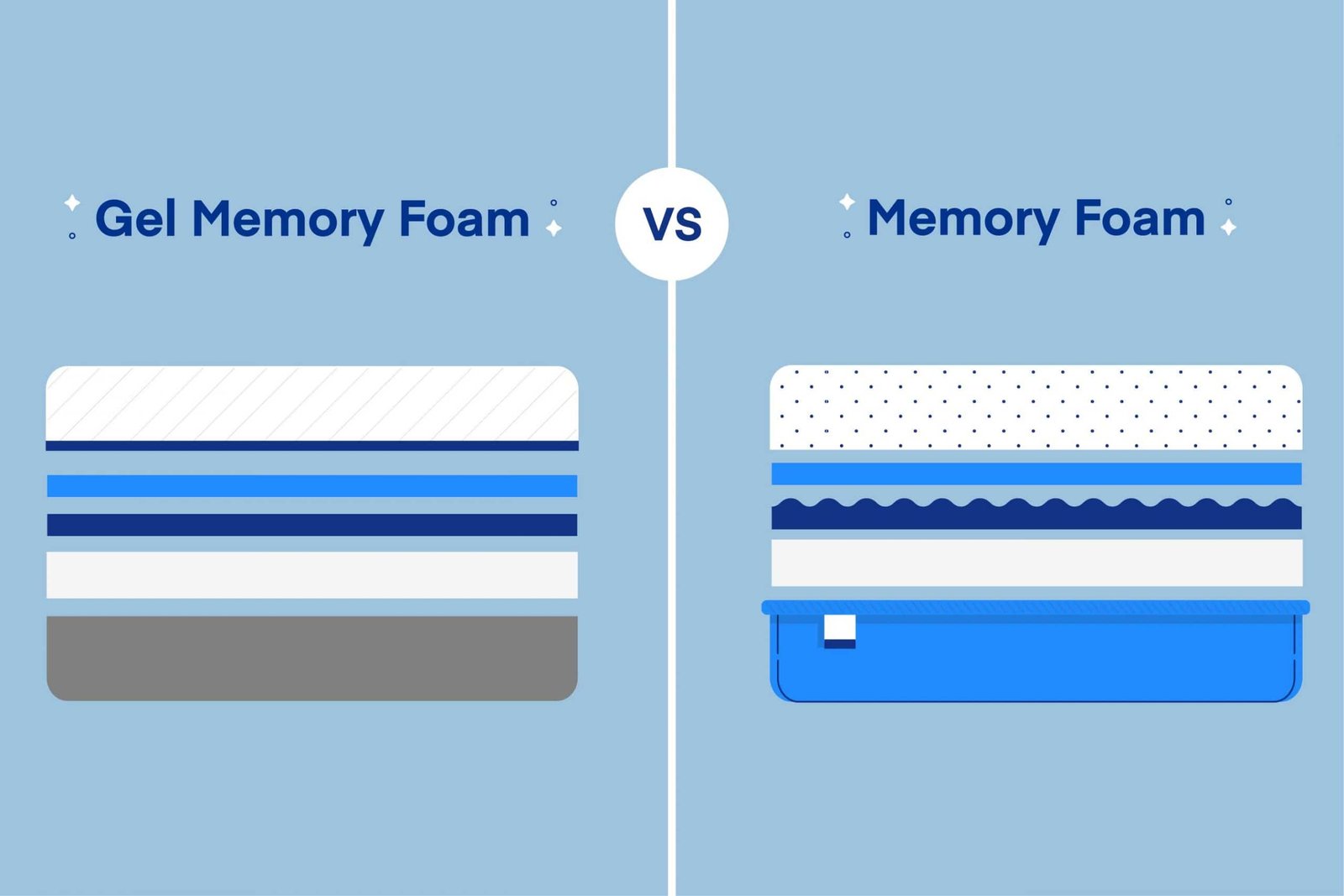
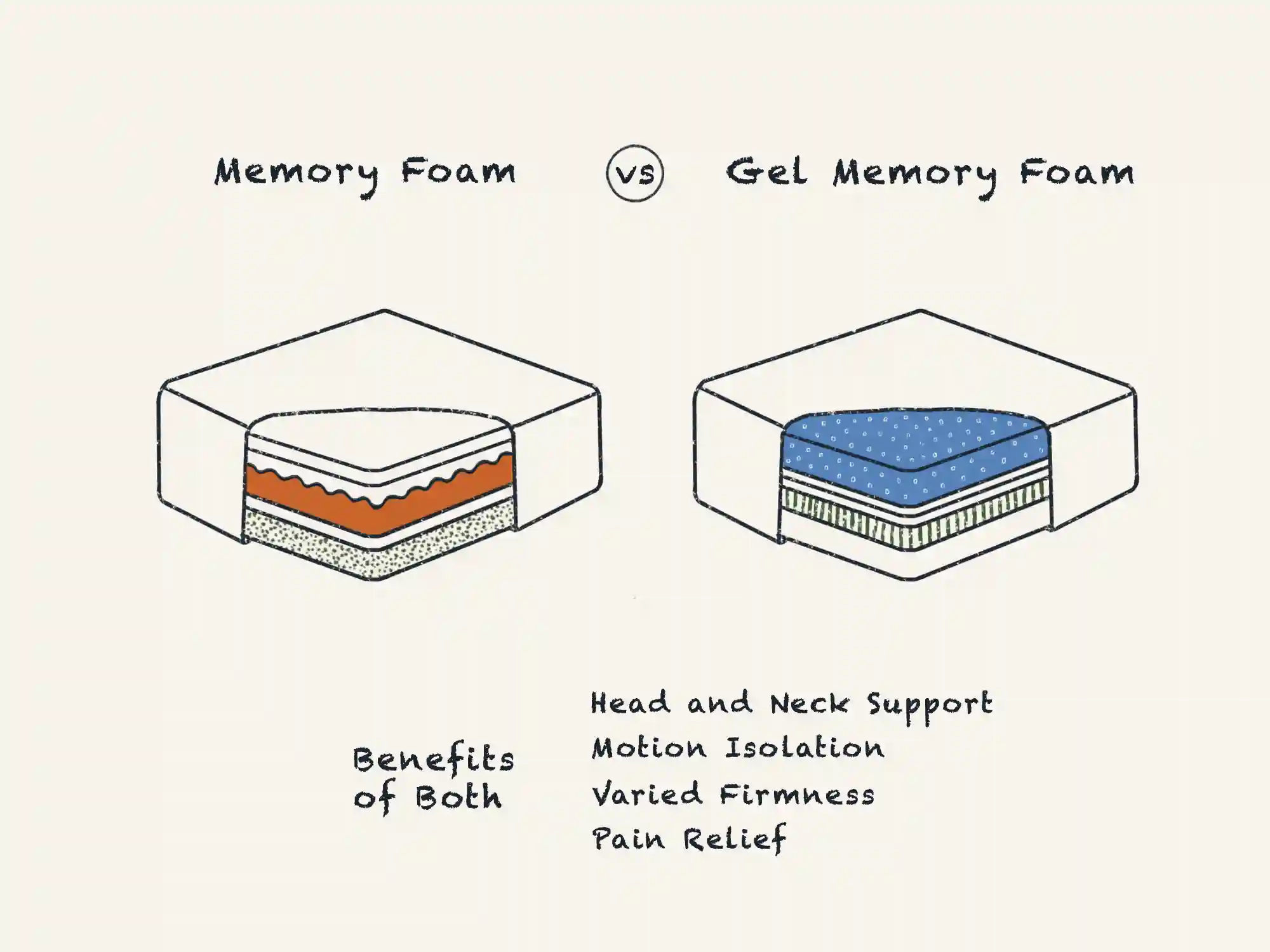
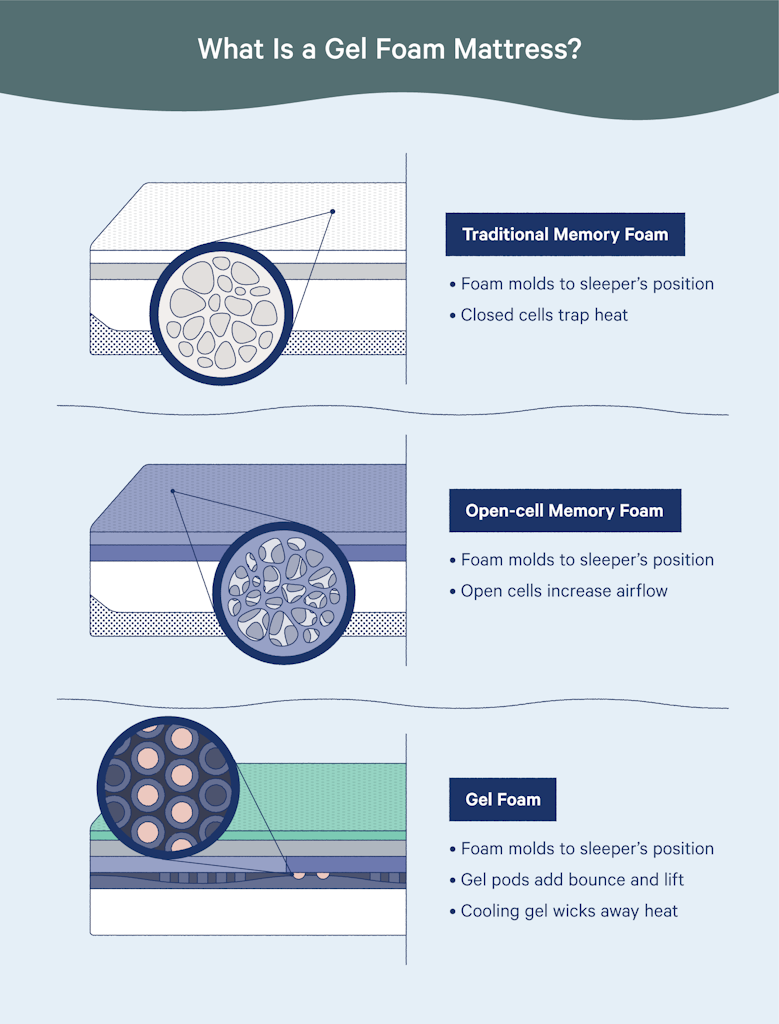
Gel memory foam is a newer version of traditional memory foam. Manufacturers add small gel beads or infuse gel directly into the foam. The goal is to improve one of the main problems with regular memory foam: heat retention. By adding gel, the mattress can help draw heat away from your body and keep you cooler at night.
Gel can be added in different forms:
- Gel beads: Tiny capsules mixed into the foam.
- Gel swirls or layers: Gel is spread or layered throughout the foam.
- Phase-change gel: Special gels that change from solid to liquid at certain temperatures to help with cooling.
Credit: amerisleep.com
How Do They Feel? Comfort And Support
Both gel and regular memory foam offer excellent pressure relief. They adapt to your body shape, which helps support your spine and reduce pain in your shoulders, hips, and back. However, there are a few differences in feel.
Regular memory foam often feels warmer and may seem softer. The foam hugs the body closely, creating a “sinking in” feeling. Some people love this sensation, while others may find it too enveloping or hot.
Gel memory foam usually feels cooler and sometimes a bit firmer. The gel can make the foam feel more responsive, meaning you won’t sink in as deeply. This can help you move more easily during the night.
Cooling Performance: Staying Comfortable All Night
One of the biggest complaints about regular memory foam is that it can trap heat. The foam absorbs your body warmth and holds it, which may cause you to feel hot and sweaty—especially in warm climates or if you naturally sleep hot.
Gel memory foam was designed to solve this problem. The gel helps pull heat away from your body and spread it through the mattress. Some studies and reviews show that gel memory foam mattresses can feel 1-3 degrees cooler than regular memory foam. However, the cooling effect may depend on:
- The amount and type of gel used
- The mattress cover material (such as breathable fabrics)
- Room temperature and humidity
It’s important to know that gel can only do so much. If you have a very thick memory foam mattress, it may still sleep warm, even with gel. For people who are very sensitive to heat, other cooling technologies (like open-cell foam or special covers) may be better.
Durability And Lifespan
A mattress is a big investment, so you want it to last. Both types of foam are known for their long life compared to traditional spring mattresses.
Regular memory foam can last 7–10 years with proper care. Over time, it may develop body impressions, especially if the foam is lower quality or if you sleep in the same spot every night.
Gel memory foam mattresses generally have a similar lifespan, but they may resist body impressions a little better if the gel makes the foam firmer. However, cheap gel mattresses may break down quickly if the gel is not evenly spread or if the overall foam quality is poor.
Here’s a simple side-by-side look at expected durability:
| Mattress Type | Average Lifespan | Common Wear Signs |
|---|---|---|
| Regular Memory Foam | 7–10 years | Body impressions, loss of support |
| Gel Memory Foam | 7–10 years | Sagging, uneven cooling if low quality |
To make your mattress last longer, always use a strong foundation and rotate the mattress every few months.
Motion Isolation: Sharing The Bed
If you sleep with a partner, motion isolation becomes important. This means how well the mattress stops movement from spreading. Both gel and regular memory foam perform well here. The foam absorbs energy, so you’re less likely to feel your partner moving or getting up.
This is a key reason why memory foam mattresses are popular for couples. Even if one person tosses and turns, the other can sleep peacefully.
Credit: www.dreamcloudsleep.com
Pressure Relief And Pain Reduction
People with back or joint pain often choose memory foam for its ability to relieve pressure points. Both gel and regular memory foam contour to your body, spreading your weight evenly. This helps reduce stress on your shoulders, hips, and lower back.
Some studies suggest that memory foam mattresses may help reduce pain and improve sleep quality for people with conditions like arthritis or fibromyalgia. However, the specific level of support depends on the foam density and mattress construction.
Odor And Off-gassing
A new memory foam mattress often has a chemical smell when you first open it. This is called off-gassing. The smell comes from volatile organic compounds (VOCs) used in the manufacturing process.
Both gel and regular memory foam mattresses can produce off-gassing, but the strength and duration depend on the foam quality and how well the mattress is ventilated. Usually, the smell fades within a few days to a week if you air out the mattress in a well-ventilated room.
Non-obvious tip: Some gel foams use extra chemicals for the gel itself, which can make the smell stronger at first. If you are very sensitive to smells, choose a mattress that is CertiPUR-US certified—this means it is made with lower emissions and safer materials.
Weight And Ease Of Handling
Memory foam mattresses are generally heavier than spring mattresses. Gel memory foam models can be even heavier because of the added gel materials. This is important if you plan to move your mattress or need to lift it for cleaning.
Here’s a quick look at average queen-size mattress weights:
| Mattress Type | Average Weight (Queen) |
|---|---|
| Regular Memory Foam | 60–80 lbs (27–36 kg) |
| Gel Memory Foam | 70–90 lbs (32–41 kg) |
If you live alone or need to carry the mattress up stairs, consider the weight before buying.
Price: Is Gel Memory Foam Worth The Extra Cost?
Gel memory foam mattresses are usually more expensive than regular memory foam. The added gel technology and cooling benefits raise the price. How much more? On average, expect to pay $100–$300 extra for a queen-size gel memory foam mattress compared to a similar regular memory foam model.
Here is a rough price comparison:
| Mattress Type | Average Price (Queen) |
|---|---|
| Regular Memory Foam | $500–$1,200 |
| Gel Memory Foam | $700–$1,500 |
Is it worth it? If you sleep hot or live in a warm climate, the extra cooling can make a big difference. If you rarely feel hot at night, you may not need to spend more for gel foam.
Common Buyer Mistakes
Many people choose a mattress based only on price or advertising promises. Here are some common mistakes to avoid:
- Thinking all gel memory foam is cool: Not all gel mattresses stay cool. The cooling effect depends on the amount and type of gel, the mattress cover, and your own body heat.
- Choosing the softest mattress: A mattress that’s too soft may feel nice at first, but it can cause back pain over time. Consider your sleeping position and body weight.
- Ignoring certifications: Low-quality foams can contain harmful chemicals. Look for certifications like CertiPUR-US for peace of mind.
- Not testing the mattress: If possible, test the mattress in a store or choose one with a generous return policy.
- Overlooking edge support: Some memory foam mattresses sink too much at the edges, making it hard to sit or sleep near the edge.
Who Should Choose Gel Memory Foam?
Gel memory foam is a smart choice if:
- You often wake up hot and sweaty
- You live in a warm or humid area
- You prefer a mattress that’s a bit firmer and more responsive
- You want the latest technology and don’t mind paying more
Who Should Choose Regular Memory Foam?
Regular memory foam is a good option if:
- You like a warmer, body-hugging feel
- You sleep cold or live in a cooler climate
- You want the benefits of memory foam at a lower price
- You’re less sensitive to heat
Non-obvious Insights And Tips
- Mattress cover materials can matter as much as the foam: Even the best gel memory foam can sleep hot if the mattress cover is made from thick, non-breathable fabric. Look for covers made from bamboo, Tencel, or other cooling materials.
- Layer construction changes everything: Some mattresses have only a thin gel layer on top, while the rest is regular foam. These may not provide much cooling. Ask about the layer thickness before buying.
- Firmness feels different with gel: If you try regular and gel memory foam mattresses with the same firmness rating, the gel version might feel a bit firmer and more supportive. Always try before you buy.
Environmental Impact
Memory foam mattresses, both regular and gel, are made from synthetic materials. They are not biodegradable, and their production can have environmental effects. Some brands use recycled materials or make eco-friendly foams with less harmful chemicals. If sustainability matters to you, research the brand’s practices and look for certifications.
Where To Find More Information
For more data on sleep health and mattress materials, visit the official Sleep Foundation website.
Credit: casper.com
Frequently Asked Questions
What Is The Main Difference Between Gel Memory Foam And Regular Memory Foam?
The main difference is the addition of cooling gel in gel memory foam. This gel is added to help the mattress stay cooler by absorbing and spreading heat, while regular memory foam tends to trap heat.
Does Gel Memory Foam Really Sleep Cooler?
Gel memory foam can sleep cooler than regular memory foam, but the effect depends on how much gel is used, the mattress cover, and your own body heat. It may lower the surface temperature by 1–3 degrees, but it does not feel as cool as some other mattress types, like latex or hybrid mattresses.
How Long Do Gel Memory Foam Mattresses Last?
Most gel memory foam mattresses last 7 to 10 years with proper care. The actual lifespan depends on the foam quality, mattress construction, and how well you maintain it.
Are Gel Memory Foam Mattresses Safe?
Yes, gel memory foam mattresses are generally safe. For the lowest risk of chemical exposure, choose a mattress with a CertiPUR-US or similar certification. Allow new mattresses to air out before use to reduce off-gassing smells.
Can I Use A Regular Mattress Cover With A Gel Memory Foam Mattress?
You can use a regular cover, but it’s better to choose one made from breathable, cooling fabrics. Thick or waterproof covers can block airflow and reduce the cooling effect of the gel memory foam.
Choosing between gel memory foam and regular memory foam is a personal decision based on your sleep needs, body temperature, and budget. By understanding their differences and knowing what really matters, you can pick a mattress that helps you sleep better every night.