
Flat Weave Vs Pile Rug Difference: What You Need to Know
Choosing the right rug is more than just picking a color or design. The way a rug is made changes its look, feel, and even how long it lasts. Many people wonder about the difference between flat weave and pile rugs. These two popular types have their own unique features, making them better for different rooms, lifestyles, and budgets.
If you are looking for a new rug, or want to understand the one you already have, this guide will help. We will break down how these rugs are made, their benefits, downsides, and what makes each one special. By the end, you will know which type fits your space and needs best.
What Is A Flat Weave Rug?
A flat weave rug is made using a weaving technique that creates a flat surface with no pile. This means there are no raised threads or knots sticking up from the rug. Instead, the yarns are woven tightly together, much like a basket or fabric.
The most common types of flat weave rugs are Kilim, Dhurrie, and Soumak. These styles have been used for centuries in places like Turkey, India, and Morocco. Because they are woven, not knotted, flat weave rugs are often thinner and lighter than pile rugs.
Flat weave rugs are known for:
- Being reversible (you can use both sides)
- Easy to roll up and move
- Strong patterns and bold colors
They do not have the plush, soft feeling of a pile rug, but they have their own charm and practical advantages.
What Is A Pile Rug?
A pile rug is made by knotting or looping yarns onto a base, which creates a soft, raised surface called the “pile.” The pile can be cut (for a smooth, velvety feel) or looped (for a more textured look).
Pile rugs come in many styles, from the thick, luxurious Persian or Oriental rugs to modern shag rugs. The pile height and density can vary a lot:
- Low pile: Short, tight fibers (easy to clean, less plush)
- Medium pile: A balance of softness and durability
- High pile: Long, fluffy fibers (very soft, but harder to keep clean)
Because of their construction, pile rugs are often heavier and give a warm, cozy feeling underfoot.
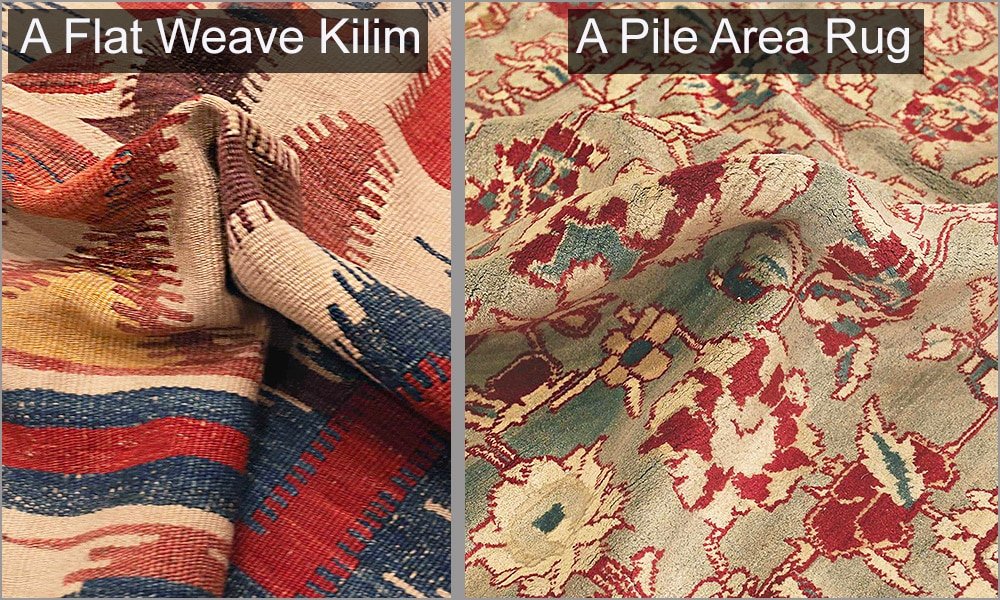
Credit: nazmiyalantiquerugs.com
Key Differences Between Flat Weave And Pile Rugs
Let’s look at the main ways these two rug types are different. This will help you see which one matches your needs.
| Feature | Flat Weave Rug | Pile Rug |
|---|---|---|
| Construction | Woven, no pile | Knotting or looping to create pile |
| Thickness | Thin (usually under 0.25 inch) | Thick (up to 2 inches or more) |
| Feel | Firm, flat, less cushioned | Soft, plush, cushioned |
| Weight | Lightweight | Heavier |
| Reversibility | Often reversible | Not reversible |
| Cleaning | Easy to clean | More difficult to clean |
| Durability | Very durable in high-traffic | Can wear down faster in busy areas |
| Best Use | Kitchens, hallways, under tables | Living rooms, bedrooms |
Construction: How Are They Made?
The way a rug is made affects everything from its price to its lifespan.
Flat Weave Construction
Flat weave rugs are made on a loom. The weaver passes the weft (side-to-side threads) over and under the warp (up-and-down threads). No knots are used. This makes the rug thin, flat, and often reversible.
Some traditional flat weaves, like Kilim, use special weaving tricks to make sharp, colorful patterns. Because they use less material, flat weaves are usually cheaper and faster to make.
Pile Rug Construction
Pile rugs are made by tying yarns around the warp threads. Each knot creates a little tuft, which forms the pile. After knotting, the tufts are cut to the same height, giving the rug its soft surface.
There are two main types of pile:
- Cut pile: The loops are cut, making a smooth surface (like velvet).
- Loop pile: The loops are left uncut, which adds texture and durability.
Hand-knotted pile rugs, like Persian carpets, can have over a million knots per square meter. This process can take months or even years for large, detailed rugs.
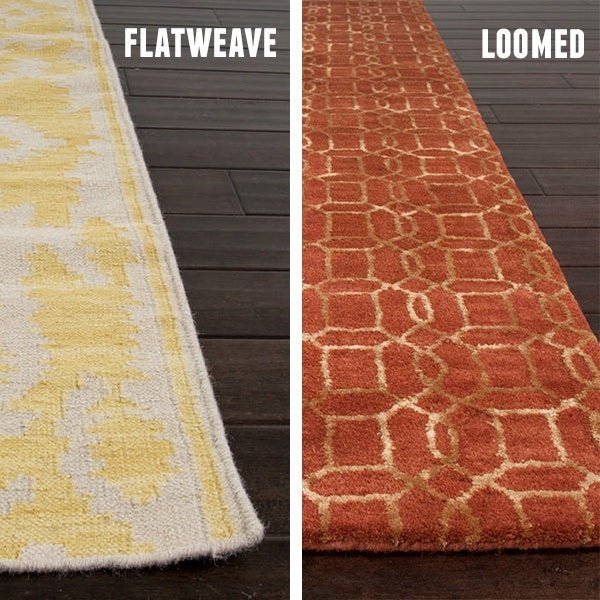
Credit: nwrugs.com
Appearance And Style
Flat weave and pile rugs offer different looks and design options.
Flat Weave Style
Flat weaves are famous for geometric patterns, strong colors, and ethnic designs. They are perfect if you like a bold, artistic look. Because they are flat, the patterns appear very crisp and clear.
Flat weaves also look great layered with other rugs, or under furniture, as they don’t add much height.
Pile Rug Style
Pile rugs often feature floral, medallion, or abstract patterns. The pile adds depth and texture, making colors appear richer and the design more three-dimensional.
High-pile rugs, like shags, create a cozy, warm feeling. Traditional Persian or Oriental pile rugs are known for their detailed, hand-knotted designs.
Comfort And Feel Underfoot
Comfort is a big reason why people choose one rug over another.
- Flat weave rugs feel firm and smooth underfoot. Some people love this solid feel, especially in busy areas. But they are not very cushioned.
- Pile rugs are much softer and more comfortable. If you like to sit or lie on the floor, a pile rug is a better choice.
A non-obvious tip: if you want a flat weave rug to feel softer, you can add a rug pad underneath. This increases both comfort and safety by preventing slips.
Durability And Maintenance
How long your rug lasts depends on how it’s made and where you put it.
Flat Weave Durability
Flat weaves are very tough. They can handle a lot of foot traffic, dirt, and even pets. Because they don’t trap dust and are easy to shake out or vacuum, they are perfect for entryways, kitchens, and hallways.
Another advantage: if one side gets dirty or worn, you can simply flip the rug over and use the other side.
Pile Rug Durability
Pile rugs can also be durable, but the pile will flatten over time, especially in busy areas. Dirt, pet hair, and spills can get trapped in the fibers. Regular vacuuming helps, but deep cleaning is harder.
High-pile rugs show footprints and vacuum marks easily. In a busy home, low or medium pile is more practical.
Cleaning And Care
Cleaning is a big consideration, especially in homes with kids or pets.
| Cleaning Task | Flat Weave Rug | Pile Rug |
|---|---|---|
| Vacuuming | Very easy, no pile to trap dust | Needs more effort, pile traps dirt |
| Spot Cleaning | Stains are easier to remove | Stains can sink deep into pile |
| Washing | Many can be hand-washed or machine-washed | Usually needs professional cleaning |
| Drying | Dries quickly | Takes longer to dry |
A non-obvious tip: flat weaves are great for people with allergies because they do not trap dust and pet hair like pile rugs do.
Cost And Value
Price can vary a lot based on materials, size, and brand.
- Flat weave rugs are usually less expensive. The weaving process is faster, and they use less material. You can often find large flat weave rugs for a fraction of the price of a similar pile rug.
- Pile rugs—especially hand-knotted or hand-tufted versions—can be very expensive. The cost reflects the time, skill, and material used.
However, a good pile rug can last decades, and even increase in value if it is a rare or antique piece.
Best Places To Use Each Rug Type
Where you put your rug makes a big difference.
Flat Weave Rugs Work Best In:
- Dining rooms: Chairs move easily on flat surfaces
- Kitchens: Easy to clean spills
- Entryways: Withstand heavy foot traffic
- Kids’ rooms: Lightweight, easy to wash
- Outdoor spaces: Many flat weaves work outside
Pile Rugs Work Best In:
- Living rooms: Comfortable for sitting or playing
- Bedrooms: Warm and cozy under bare feet
- Offices: Reduces echo, adds comfort
- TV rooms: Great for relaxing or lying down
Common Mistakes When Choosing Between Flat Weave And Pile Rugs
- Ignoring traffic level: Many people put high-pile rugs in busy hallways, then get frustrated when the rug wears out quickly.
- Not thinking about cleaning: If you have pets or young children, a flat weave is often easier to manage.
- Forgetting about rug pads: Both types can slip or bunch up if you skip the pad underneath, especially on hardwood floors.
- Choosing style over function: A beautiful, thick pile rug may not work in a dining room where chairs are pulled in and out daily.
- Overlooking allergies: Pile rugs can trap dust mites and allergens, which is a problem for sensitive people.
Sustainability And Eco-friendly Choices
Flat weave rugs often use natural materials like wool or cotton, and because they use less material and energy to make, they can be a more eco-friendly option. Many are also handmade, supporting traditional crafts.
Pile rugs can also be eco-friendly, especially if made from natural wool and dyes. However, synthetic pile rugs (made from nylon or polyester) are less sustainable but often cheaper.
If you care about the environment, look for rugs with certifications like GoodWeave or OEKO-TEX.
For more details on sustainable rug choices, the Wikipedia page on rugs gives a helpful overview.
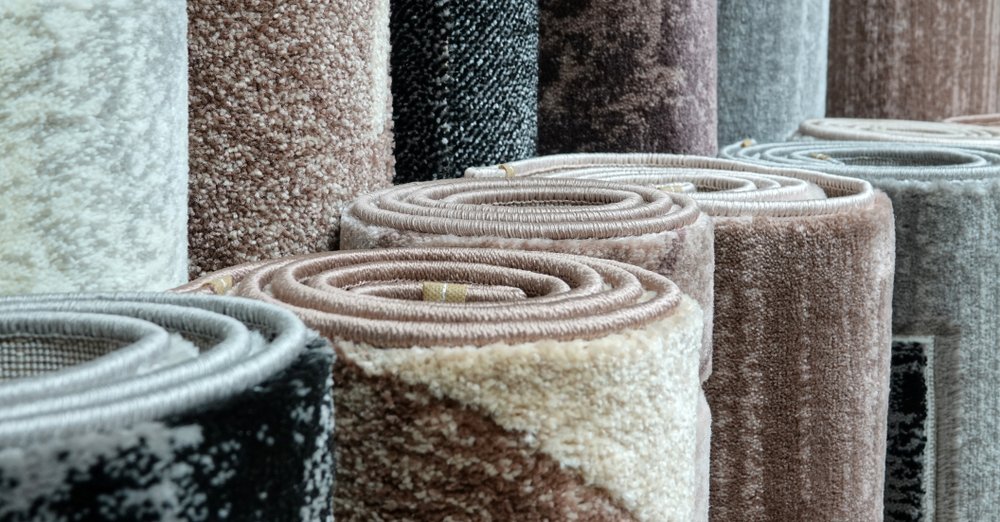
Credit: ruglaundry.com.au
Flat Weave Vs Pile Rug: Which Should You Choose?
To pick the right rug, think about:
- Where will the rug go? (High-traffic = flat weave. Cozy spot = pile.)
- How much cleaning are you willing to do? (Flat weave is easier.)
- Do you have kids or pets? (Flat weave is less likely to stain.)
- Do you want a soft, plush feel? (Choose pile.)
- What is your budget? (Flat weave is often cheaper.)
Sometimes, the best solution is to use both types in different rooms. For example, a flat weave in the hallway and a pile rug in the bedroom.
Frequently Asked Questions
What Is The Main Difference Between Flat Weave And Pile Rugs?
The main difference is in how they are made. Flat weave rugs are woven with no pile, so they feel flat and firm. Pile rugs are knotted or looped to create a soft, raised surface.
Are Flat Weave Rugs Durable?
Yes, flat weave rugs are very durable, especially in high-traffic areas. They can handle a lot of use, and many are reversible, which doubles their lifespan.
Which Rug Is Easier To Clean: Flat Weave Or Pile?
Flat weave rugs are much easier to clean. They don’t trap as much dust or dirt, and many can be washed by hand or even in a washing machine.
Can You Use A Pile Rug In A Dining Room?
You can, but it’s not always practical. Food and drink spills can soak into the pile and are harder to remove. Flat weave rugs are better for dining rooms because they are easier to clean.
Do Flat Weave Rugs Need A Rug Pad?
Yes, it’s a good idea to use a rug pad under a flat weave rug. This prevents slipping and adds a little extra softness underfoot.
Choosing between flat weave and pile rugs is not just about looks—it’s about how you live. By understanding the real differences, you can pick a rug that looks great, fits your space, and makes your home more comfortable for years to come.
