
Keeping your comforter smooth inside a duvet cover can feel like a daily battle. You fluff it, straighten it, and yet, by morning, all the filling has slid to one side or bunched into a lumpy mess. It can make your bed look untidy and, worse, feel uncomfortable while you sleep.
The good news? There are proven ways to stop your comforter from bunching in your duvet. With the right techniques and some smart choices, you can enjoy a neat, even bed every night—without the frustration.
This guide will explain why bunching happens, how to fix it, and what you can do to prevent it for good. You’ll get practical steps, tips, and clear explanations that make sense even if English isn’t your first language. Whether you just bought your first duvet or you’re tired of fighting with your bedding, you’ll find real answers here.
Why Comforters Bunch Inside Duvets
Understanding the cause is the first step. Most comforters bunch because they move inside the duvet cover. Here are the main reasons:
- Loose fit: If the duvet cover is much larger than your comforter, the extra space allows the comforter to shift.
- Slippery fabrics: Some covers and comforters are made from materials like satin or microfiber, which slide against each other.
- Lack of anchors: Many duvet covers have corner ties or loops. If you don’t use these, the comforter can move freely.
- Active sleepers: If you toss and turn at night, you can unintentionally push the comforter out of place.
- Washing and drying: The process of cleaning bedding often causes the comforter to bunch up inside the cover.
Knowing these causes helps you pick the right solution for your own bedding.
Choose The Right Duvet Cover Size
A good fit is critical. If your duvet cover is too big or too small, your comforter will never stay in place.
How To Measure
- Lay your comforter flat and measure its length and width.
- Compare these measurements to the duvet cover’s size.
Ideally, the cover should be the same size or just 2-3 cm smaller than the comforter. This close fit keeps the comforter from sliding around.
Here’s a comparison of common sizes:
| Comforter Size | Duvet Cover Size | Fit |
|---|---|---|
| 200 x 200 cm | 200 x 200 cm | Snug |
| 200 x 200 cm | 210 x 210 cm | Loose |
| 200 x 200 cm | 198 x 198 cm | Tight |
Tip: If your cover is slightly bigger, wash it in hot water—it may shrink just enough for a better fit.
Use Corner Ties And Loops
Many duvet covers include corner ties or loops. These are small fabric strips sewn into the inside corners. Their job is to hold the comforter in place.
How To Use Them
- Place the comforter inside the cover.
- Tie each corner of the comforter to the corresponding tie or loop inside the cover.
- Shake the cover to spread the comforter evenly.
If your comforter doesn’t have loops, you can sew small ribbons onto each corner. It’s a simple five-minute sewing job that makes a big difference.
Insight: Many people forget to look for covers with ties when shopping. Always check product details before buying. If you already own a cover without ties, you can add them yourself.
Try Duvet Clips, Grippers, Or Fasteners
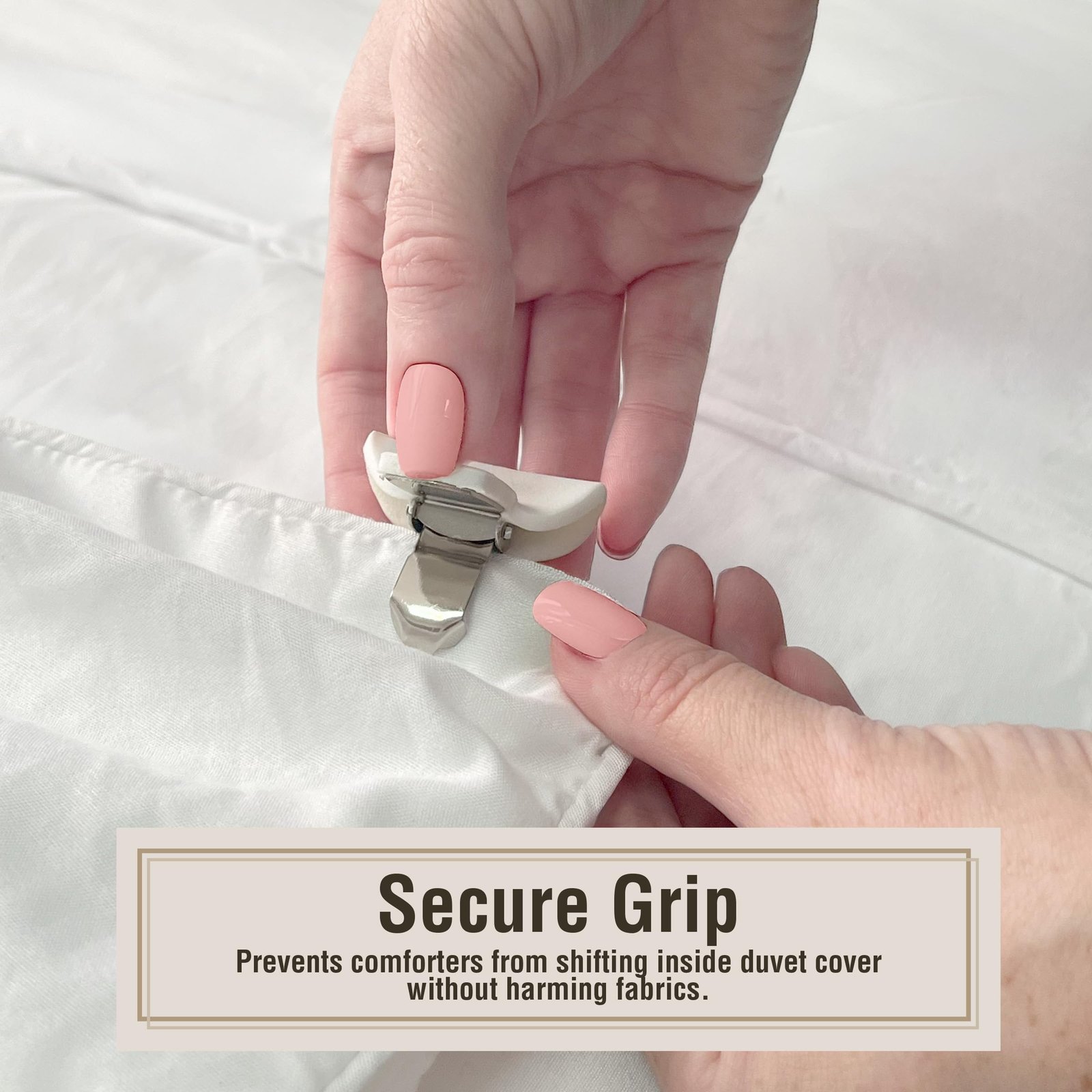
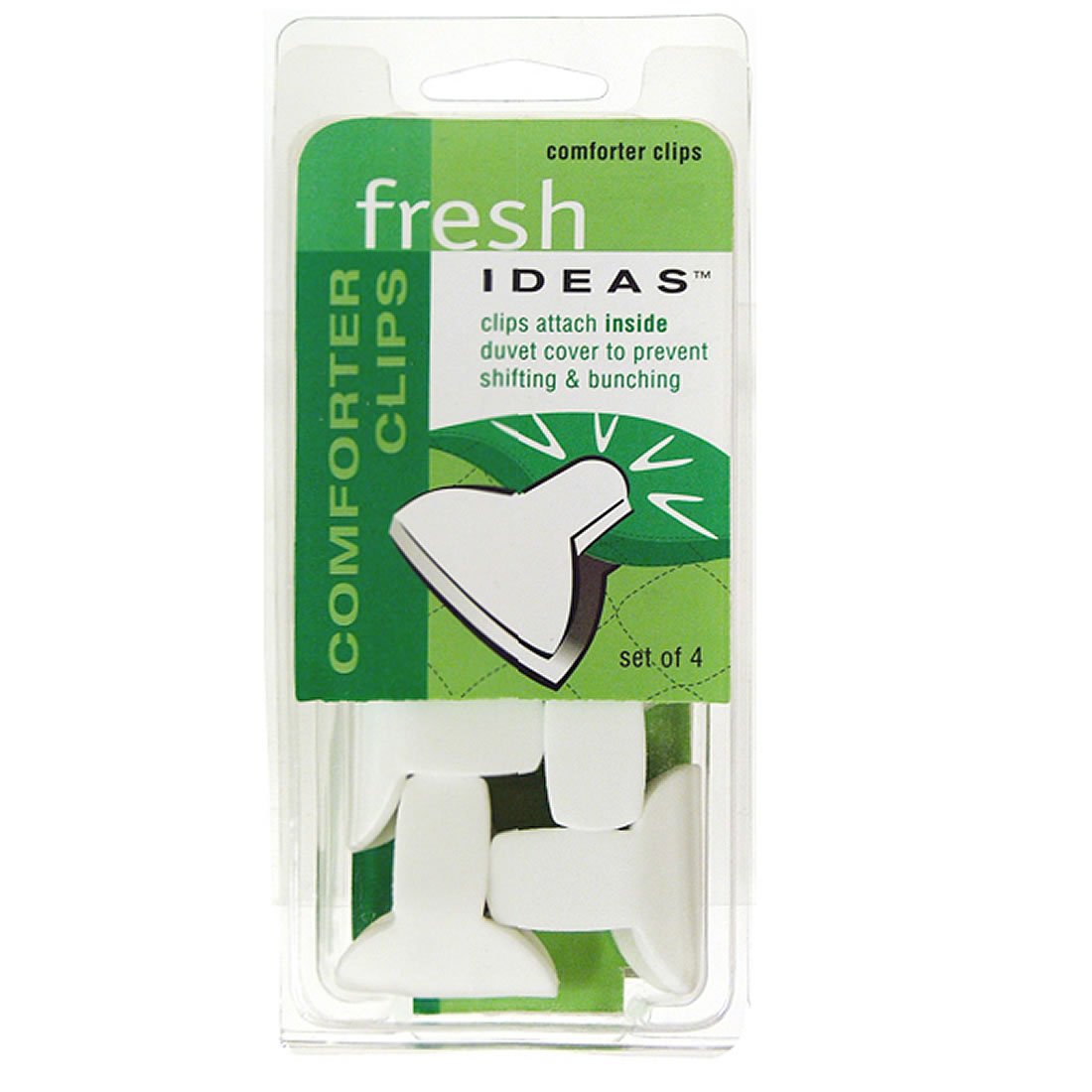
If ties and loops aren’t enough, there are special tools designed to keep bedding together. These include duvet clips, grippers, and snap fasteners.
Types Of Duvet Fasteners
| Fastener Type | How It Works | Pros | Cons |
|---|---|---|---|
| Duvet Clips | Clip cover and comforter at corners | Easy to attach, reusable | May be visible through thin covers |
| Snap Fasteners | Sew onto cover and comforter | Invisible, secure | Requires sewing |
| Grippers | Pin fabric together | Quick to use | Can damage delicate fabrics |
Choose the type that best matches your bedding and your sewing skills.
Practical note: Duvet clips are especially useful for kids’ beds, where covers are often kicked around at night.
Shake And Fluff Regularly
Even with the best tools, bedding can shift over time. Developing a simple habit helps keep your comforter in place.
Daily Fluffing
- Hold two corners of the duvet cover (top side).
- Lift and shake hard 2-3 times.
- Smooth out the surface.
This not only spreads the filling but also gives your bed a fresh, full look. Set a routine: shake your duvet every morning as you make your bed.
Non-obvious insight: Fluffing also helps the comforter’s insulation stay even, which means a warmer, more comfortable sleep.
Choose The Right Comforter Material
Some comforters slip more than others. The fabric on the outside matters.
Best Materials To Reduce Slipping
- Cotton: Not slippery, holds position well.
- Brushed microfiber: Slight grip, affordable.
- Wool blends: Natural friction, stays put.
Fabrics To Avoid
- Silk or satin: Very slippery.
- Smooth polyester: Tends to slide, especially with polyester covers.
When shopping, touch the comforter’s surface. If it feels very smooth and “slippery,” it’s more likely to bunch.
Credit: www.amazon.com
Wash Comforter And Cover Together
Washing can sometimes shrink fabrics unevenly. If the comforter and duvet cover change size differently, the comforter can start to bunch.
Washing Tips
- Always check care labels.
- Wash both comforter and cover at the same time, if possible.
- Dry them together or on the same day.
This helps keep their sizes matched and prevents fit problems.
Beginner mistake: People often wash only the cover and not the comforter. Over time, this can make the fit worse.
Use Safety Pins For A Quick Fix
If you don’t want to buy special clips or sew ties, safety pins can help. They are not perfect for permanent use but work in a pinch.
How To Pin
- Turn your duvet cover inside out.
- Place the comforter inside.
- Pin each corner of the comforter to the duvet cover.
- Turn right side out and shake.
Use large, rust-resistant safety pins and avoid pinning through delicate fabrics.
Warning: Never use safety pins with children’s bedding—the pins could open and cause injury.
Sew Custom Attachment Points
For those who want a permanent solution, sewing extra attachments is a good option.
How To Add Loops Or Ties
- Cut four short pieces of ribbon (about 5-10 cm each).
- Sew one piece to each corner of the comforter.
- Sew matching ties inside the duvet cover.
- Tie them together each time you make the bed.
This is the most secure way to keep a comforter from bunching, especially for oversized or heavy comforters.
Extra tip: Use a color that matches the comforter to keep the ties invisible.
Try Anti-slip Bedding Pads
There are special anti-slip pads designed for bedding. These are thin sheets placed between the comforter and the duvet cover to create friction.
How They Work
- They use a rubbery texture to grip both fabrics.
- Cut to fit the size of your comforter.
- Washable and reusable.
These pads are often used for sofa cushions and rugs but work well in bedding, too.
Non-obvious insight: You can use thin shelf liners or non-slip rug pads as a DIY alternative, cutting them to the right size.
Choose Duvet Covers With Zip Closures
Button closures can leave gaps where the comforter escapes. Zippered duvet covers provide a full seal along one edge.
Why Zippers Help
- They stop the comforter from poking out.
- The seal keeps corners in place.
- They are faster to open and close when making the bed.
If you are buying a new duvet cover, consider one with a zipper closure for the best results.
Don’t Overfill Or Underfill
The amount of filling inside your comforter matters too. An overstuffed comforter can bunch because it doesn’t have space to spread. An underfilled one can slide because it has too much extra room.
How To Check
- Lay your comforter flat. It should fill the cover edge to edge, but not bulge or feel loose.
- If you notice empty corners, try a smaller cover.
- If it’s hard to insert, the comforter is probably too big.
Proper fill helps the comforter stay smooth and even.
Credit: www.missionallergy.com
Rotate Your Comforter Regularly
This is a simple trick most people miss. By rotating (turning) your comforter 180 degrees each week, you help prevent uneven wear and shifting.
How To Rotate
- Strip your bed.
- Turn the comforter around (top to bottom).
- Replace the cover and ties.
This distributes pressure and movement across all sides, reducing bunching.
Use Weighted Comforters
Weighted comforters are heavier than regular ones and less likely to shift during sleep. They’re also good for people who move a lot at night.
What To Consider
- Choose a weight that’s comfortable (usually 5-10% of your body weight).
- Make sure your duvet cover is strong enough to hold the weight.
- Use ties or clips for extra security.
Weighted comforters can be a game-changer for restless sleepers.
Store Your Bedding Properly
When you change bedding for the season, how you store it makes a difference for future use.
Storage Tips
- Fold comforters and covers together, not separately.
- Store in a dry, breathable bag.
- Avoid stuffing into small spaces, which can bend or crush corners.
Proper storage helps maintain shape and fit, reducing bunching when you use them again.
Real-world Example: Fixing A Bunched Comforter
Let’s say you wake up and your comforter is all at the bottom of the duvet. Here’s a step-by-step fix:
- Lay the duvet cover flat on the bed.
- Place the comforter on top, matching all corners.
- Attach ties, pins, or clips at all four corners.
- Flip the cover inside out over the comforter.
- Zip or button up.
- Shake hard to spread the filling.
This method, sometimes called the “burrito roll,” is fast and effective.

Credit: www.ebay.com
Common Mistakes To Avoid
- Ignoring corner ties or not tying them tightly.
- Choosing a cover that’s the wrong size.
- Using smooth, slippery fabrics together.
- Not fluffing or shaking daily.
- Overlooking the importance of washing and drying both pieces together.
Small changes can make a big difference in how neat your bed looks and feels.
Frequently Asked Questions
Why Does My Comforter Bunch Up In My Duvet Cover?
Most bunching happens when the comforter can move freely inside the cover. This is often due to a loose fit, slippery fabrics, or not using corner ties or clips. Active sleeping and improper washing can also make the problem worse.
Can I Use Normal Safety Pins To Hold My Comforter In Place?
Yes, but only as a short-term solution. Safety pins can damage delicate fabrics and may open during use. For a more secure and long-term fix, use duvet clips or sew ties.
What Size Duvet Cover Should I Choose For My Comforter?
Your duvet cover should be the same size or just slightly smaller than your comforter. This helps hold the comforter in place. Check measurements before you buy, as sizing can vary by brand and country.
Is There A Special Type Of Comforter That Doesn’t Bunch?
Weighted comforters and those with textured, non-slip fabrics are less likely to bunch. Comforters with built-in corner loops also help. Pairing these with the right cover and fasteners gives the best results.
Where Can I Buy Duvet Clips Or Anti-slip Pads?
You can find duvet clips, grippers, and anti-slip pads at bedding stores, online marketplaces, or home improvement shops. For more information, see this guide from Wirecutter.
Keeping your comforter smooth in its duvet isn’t just about looks—it’s about comfort, warmth, and better sleep. With these strategies, your bedding will finally stay put, night after night.
