
Egyptian Cotton Sheets Vs Pima Cotton Sheets
Choosing the right bed sheets can be more important than you think. A good night’s sleep often starts with the sheets you use. Two popular choices for luxury bedding are Egyptian cotton sheets and Pima cotton sheets. Both are known for their softness, durability, and comfort, but they have key differences that affect how they feel, last, and look. If you are wondering which one is better for you, this guide will help you understand the details so you can make a smart decision for your bedroom.
What Makes Cotton Sheets Special?
Cotton is the most common material for bed sheets worldwide. But not all cotton is the same. Sheets made from premium cotton are softer, stronger, and last longer. The quality depends on the cotton fiber length (called “staple”), where it’s grown, and how it’s woven. Both Egyptian and Pima cotton are famous for their extra-long fibers, but there are important differences in their origin and properties.
Egyptian Cotton Sheets: The Gold Standard
Egyptian cotton is often called the “gold standard” for luxury sheets. Grown along the Nile River, this cotton benefits from the unique climate and soil in Egypt.
What Is Egyptian Cotton?
Egyptian cotton comes from the species Gossypium barbadense. The fibers are exceptionally long, sometimes over 1.5 inches. This length allows the threads to be spun very fine and strong. Genuine Egyptian cotton must be grown in Egypt. However, there are many sheets labeled “Egyptian cotton” that may not be 100% authentic, so it’s important to check for certification or reputable brands.
Key Features Of Egyptian Cotton Sheets
- Extra-long staple fibers: These make the sheets feel silky and smooth.
- High thread count potential: You can find Egyptian cotton sheets with thread counts from 200 to over 1000.
- Breathability: They help regulate temperature, which is useful in both hot and cool climates.
- Durability: These sheets can last for many years if cared for properly.
The Feel Of Egyptian Cotton
The first thing people notice is the luxurious softness. The sheets become even softer with each wash. They also have a subtle sheen that makes them look elegant on any bed.
Price Range
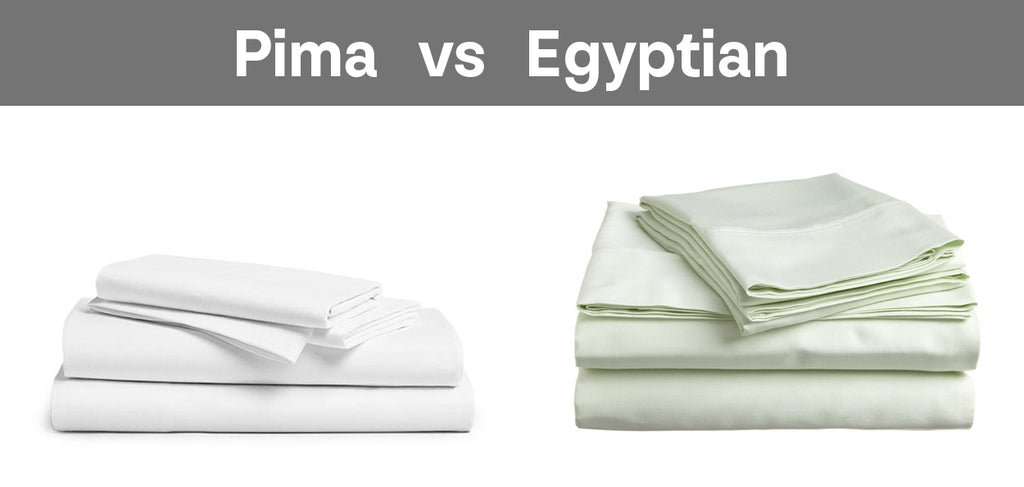
Egyptian cotton sheets are usually more expensive than other types. Prices can range from $80 for a set to well over $500, depending on the brand, thread count, and authenticity.
Credit: yorkshirebedding.co.uk
Pima Cotton Sheets: The American Rival
Pima cotton is the main competitor to Egyptian cotton. It’s grown mostly in the United States, especially in Arizona, California, and Texas. Sometimes, you’ll see Pima cotton sold under the brand name Supima.
What Is Pima Cotton?
Like Egyptian cotton, Pima also comes from the Gossypium barbadense species. The main difference is the growing region. Pima cotton fibers are also long, but on average, they are slightly shorter than Egyptian cotton fibers.
Key Features Of Pima Cotton Sheets
- Extra-long staple: Nearly as long as Egyptian cotton, leading to a soft feel.
- High durability: Resists pilling and can last for years.
- Smooth texture: Pima cotton sheets feel crisp and cool to the touch.
- Color retention: The fibers hold dye well, so colors look brighter and stay vibrant.
The Feel Of Pima Cotton
Pima cotton sheets feel smooth and crisp. Some people say they feel “cooler” than Egyptian cotton. Over time, they soften, but they may not reach the same silky finish as high-end Egyptian cotton sheets.
Price Range
Pima cotton sheets are a bit more affordable. Prices often range from $60 to $300 for a set, depending on thread count and brand.
Egyptian Cotton Vs Pima Cotton: Side-by-side Comparison
It can be hard to see the difference just by touching the sheets, especially when they are new. Here’s a quick comparison:
| Feature | Egyptian Cotton | Pima Cotton |
|---|---|---|
| Origin | Egypt (Nile region) | USA, Peru, Australia |
| Fiber Length | 1.5 inches or more (extra-long staple) | Up to 1.4 inches (extra-long staple) |
| Feel | Silky, soft, luxurious | Smooth, crisp, cool |
| Durability | Very high (10+ years possible) | High (7–10 years possible) |
| Price | $$$–$$$$ | $$–$$$ |
| Common Problems | Counterfeits, high cost | Fewer fakes, better value |
Thread Count: Does It Really Matter?
Many people think a higher thread count means better sheets. This is only partly true. Thread count is the number of threads woven into one square inch of fabric.
- For Egyptian cotton, a thread count of 400–700 is usually ideal. Higher thread counts can be softer, but after a point (over 800), the difference is small.
- For Pima cotton, a thread count of 300–600 is comfortable and durable. Too high a thread count can actually make sheets less breathable.
Be careful: Some brands use multi-ply threads to boost the thread count number. This does not always mean better quality.
Durability And Longevity
Both Egyptian and Pima cotton sheets are known for lasting many years. Here are some insights:
| Cotton Type | Average Lifespan | Care Needed |
|---|---|---|
| Egyptian Cotton | 10+ years | Gentle wash, low heat dry |
| Pima Cotton | 7–10 years | Normal wash, low heat dry |
A non-obvious tip: Over-drying either type can cause fibers to break down faster. Line drying or using the lowest heat setting can help sheets last longer.
Color And Appearance
Both cotton types hold color well, but Pima cotton has a reputation for slightly better color retention. This means your sheets can look new for longer, especially with bright or dark colors. Egyptian cotton has a natural sheen, giving it a more elegant look. If you want sheets that look crisp and new, Pima may be the better choice. If you prefer a soft, glowing finish, Egyptian cotton is hard to beat.
Care And Maintenance
Proper care is the secret to making luxury sheets last.
- Wash in cold or warm water: Hot water can damage fibers and fade colors.
- Use mild detergent: Strong chemicals break down the natural oils in cotton.
- Skip fabric softeners: These can coat fibers and reduce softness over time.
- Dry on low heat: High heat can cause shrinkage and weaken the fibers.
- Avoid overloading the washer: Sheets need room to move for even cleaning.
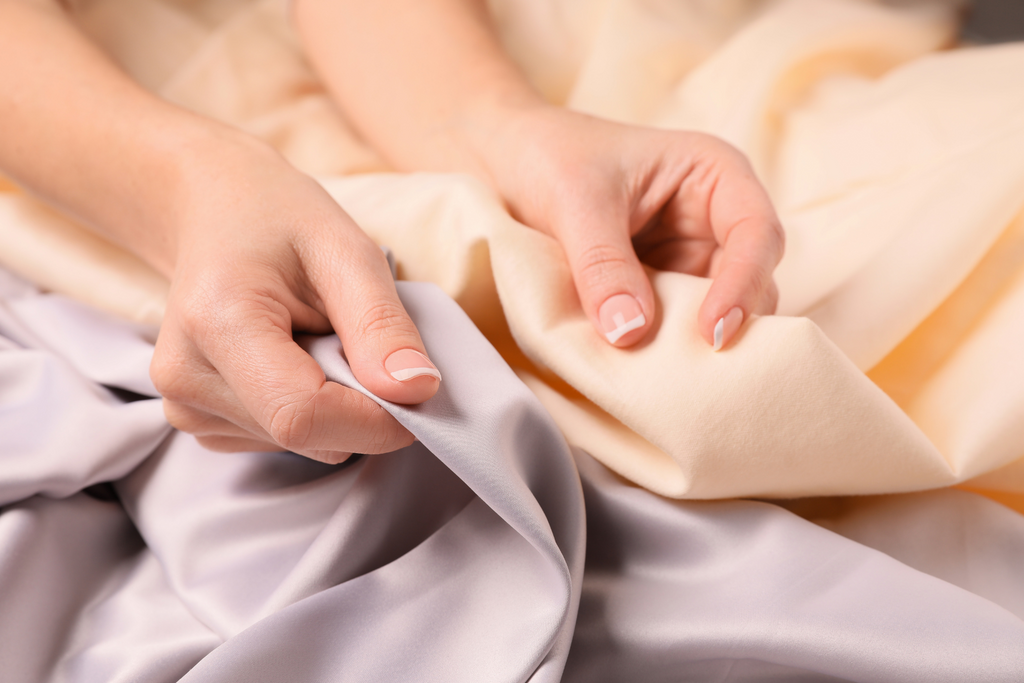
An extra tip: Wash new sheets before first use. This removes any finishing chemicals from the factory and softens the fabric.
Credit: www.pureparima.com
How To Spot Fakes And Misleading Labels
A big problem in the bedding market is false labeling. Many sheets sold as “Egyptian cotton” are blends or not true Egyptian cotton at all. Pima cotton, especially with the “Supima” label, is usually more carefully regulated.
Look for:
- Certification labels: For Egyptian cotton, ask for the Cotton Egypt Association seal. For Pima, look for the Supima trademark.
- Country of origin: Real Egyptian cotton must be grown in Egypt; Pima usually comes from the USA.
- Price: If the price is too low, it’s probably not genuine.
- Brand reputation: Buy from known brands or retailers.
Comfort And Sleep Quality
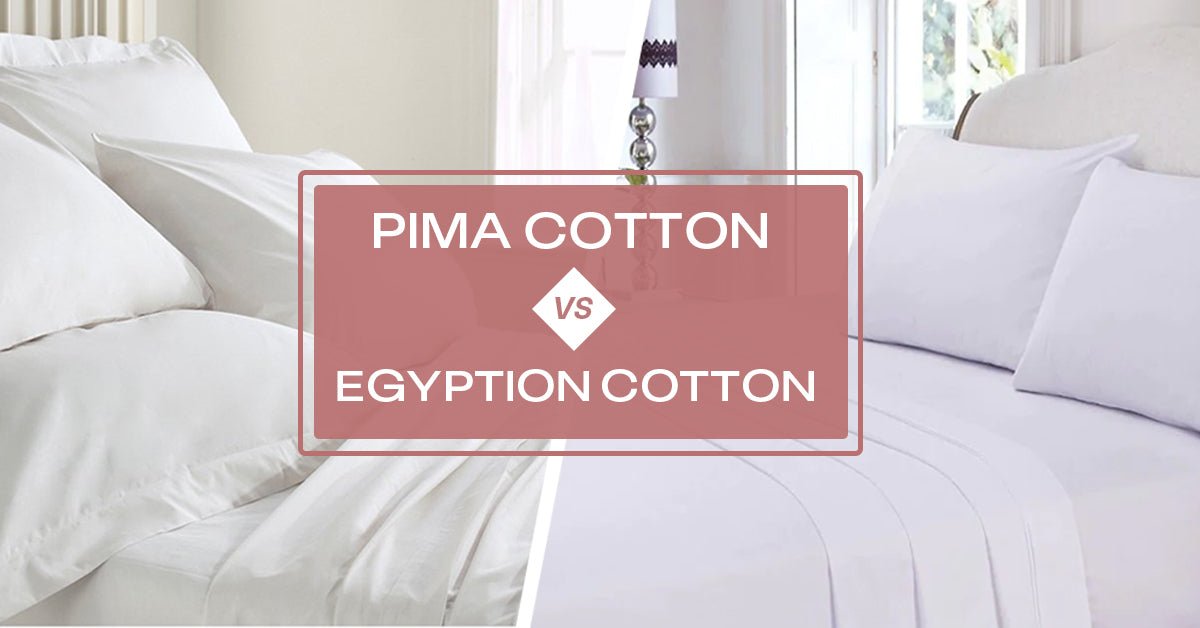
The right sheets can make a real difference in sleep. Egyptian cotton sheets are often chosen by luxury hotels for their soft, inviting feel. Pima cotton sheets are loved for their breathability, which helps if you get hot at night.
Both types absorb moisture well, making them good for sweaty sleepers.
One thing beginners miss: The “feel” of the sheets changes over time. Egyptian cotton sheets will get softer and silkier with every wash. Pima cotton softens too, but usually keeps a crisper texture.
Credit: yorkshirebedding.co.uk
Environmental Impact
Both types of cotton require a lot of water and resources to grow. However, some Egyptian and Pima cotton is grown using more sustainable methods. Look for organic or certified sustainable options if you care about the environment. Supima-certified Pima cotton often follows stricter environmental controls.
When To Choose Each Type
So, Which Should You Choose?
Choose Egyptian cotton sheets if:
- You want the softest, most luxurious feel
- You don’t mind paying more for premium quality
- You like a silky, elegant look
Choose Pima cotton sheets if:
- You want a balance between quality and price
- You like a crisp, cool feel
- You want sheets that resist fading and pilling
A final insight: For most people, the difference is small after a few washes. Unless you have very sensitive skin or a strong preference for texture, both are excellent choices.
Real User Experiences
Many people who switch to Egyptian or Pima cotton sheets say they sleep better and wake up feeling more rested. Some users notice that Egyptian cotton feels better for people with allergies, since the fabric is less likely to attract dust mites.
Pima cotton sheets are sometimes preferred in hot climates because of their coolness.
For an in-depth look at the history and science of cotton types, see Wikipedia’s cotton page.
Frequently Asked Questions
What Is The Main Difference Between Egyptian Cotton And Pima Cotton Sheets?
The main difference is the origin and fiber length. Egyptian cotton is grown in Egypt and has extra-long, silky fibers, giving it a smooth, luxurious feel. Pima cotton is usually grown in the USA, has slightly shorter fibers, and feels crisp and cool.
Are Egyptian Cotton Sheets Always Better Than Pima Cotton Sheets?
Not always. While Egyptian cotton is known for luxury, genuine Pima cotton (like Supima) can be just as soft and durable. The choice often comes down to personal preference, price, and how the sheets are made.
How Can I Tell If My Sheets Are Real Egyptian Or Pima Cotton?
Check for certification labels. Egyptian cotton often has the Cotton Egypt Association label, while Pima may have the Supima trademark. Also, look for country of origin and buy from reputable brands to avoid fakes.
Do Both Types Of Sheets Get Softer Over Time?
Yes, both Egyptian and Pima cotton sheets get softer with washing. Egyptian cotton becomes silkier, while Pima cotton keeps a crisp feel but also softens.
Which Is Better For Hot Sleepers: Egyptian Cotton Or Pima Cotton?
Both are breathable, but Pima cotton sheets are often cooler and crisper, making them a good choice for people who get hot at night. Egyptian cotton is also breathable but feels warmer and silkier.
Choosing between Egyptian cotton and Pima cotton sheets comes down to your budget, preferences, and how you want your bed to feel. Both types are excellent, and with proper care, will give you years of comfort and luxury in your sleep.
