
Satin pillowcases are becoming more popular every year, especially among people who want to take better care of their hair and skin. You might have seen them recommended by beauty influencers or even your hairdresser. But are these pillowcases really better than cotton or other materials? Let’s explore the real benefits, the science behind them, and what you should know before switching.
Why Satin Pillowcases Are Different
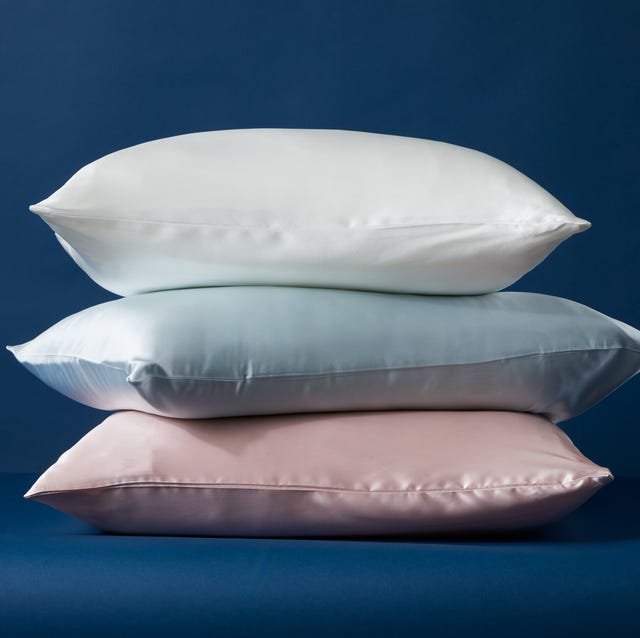
Most people sleep on cotton or polyester pillowcases without thinking about the effect on their hair and skin. Cotton is soft, but it absorbs moisture and creates friction. Satin, on the other hand, is a weave that produces a smooth, glossy surface. This surface is less absorbent and allows hair and skin to glide easily. Satin can be made from silk or synthetic fibers like polyester, but all true satin pillowcases share the same slippery texture.
Top Benefits For Hair
1. Reduces Hair Breakage
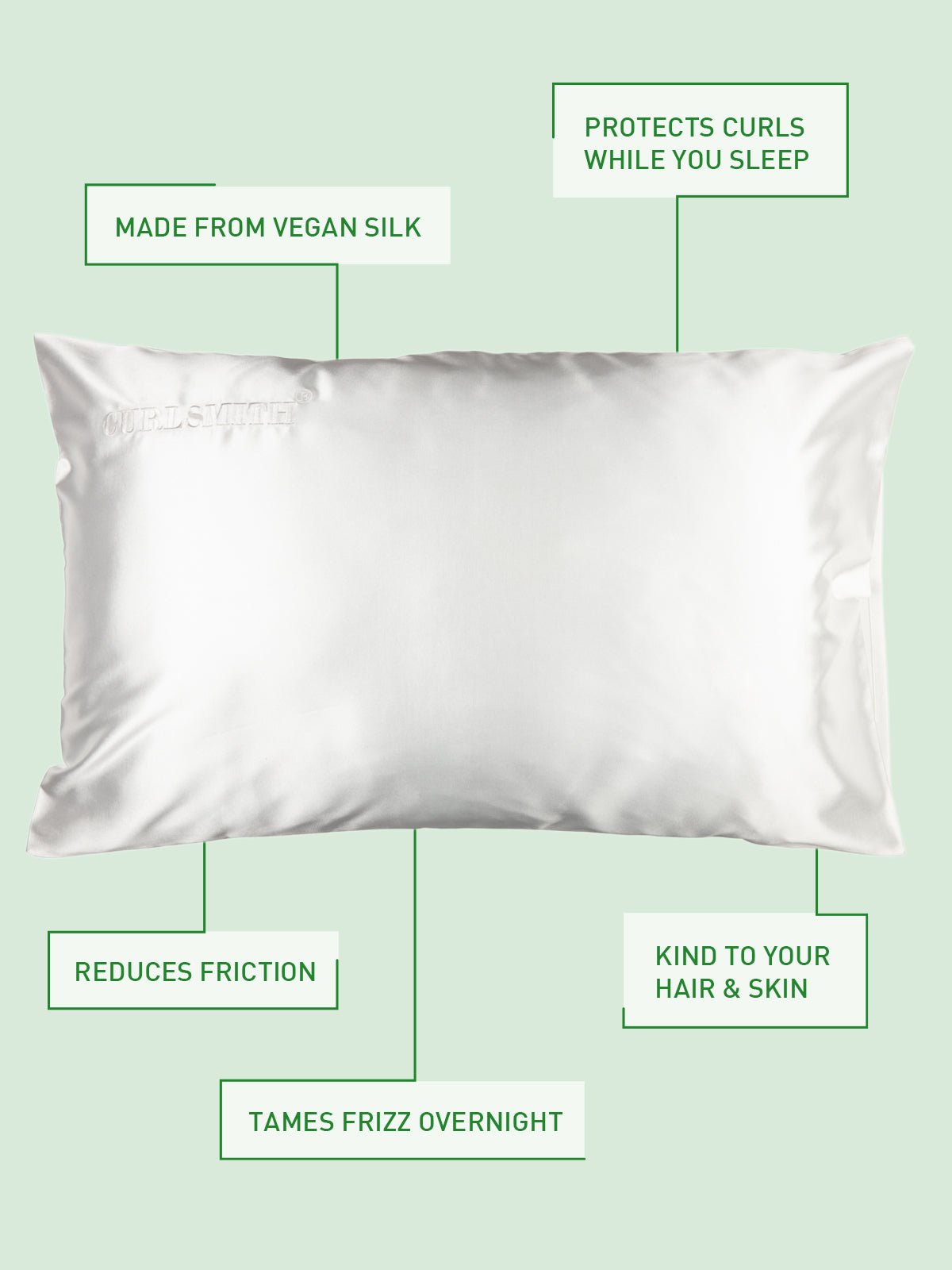
One of the biggest reasons people switch to satin pillowcases is to prevent hair breakage. Cotton pillowcases grip your hair as you move, causing friction and tiny breaks in the hair shaft. Satin’s smooth surface lets your hair slide rather than tug, which means less split ends and fewer broken hairs. People with curly, coily, or fragile hair see the biggest difference, but anyone can benefit.
2. Fights Frizz And Tangles
Frizzy hair in the morning is often caused by friction and moisture loss. Satin helps in two ways:
- Less friction: Your hair glides smoothly, so it’s less likely to get tangled or frizzy.
- Moisture retention: Satin doesn’t absorb oils from your hair, so your strands stay hydrated.
A 2019 survey by the American Academy of Dermatology found that over 70% of people with curly hair noticed less frizz after switching to satin pillowcases.
3. Keeps Hairstyles Longer
If you spend time straightening, curling, or braiding your hair, you know how quickly styles can get ruined overnight. Satin helps hairstyles last longer because there’s less rubbing to mess up your look. This is especially true for protective styles like braids, twists, and blowouts.
4. Gentle On Extensions And Wigs
People who wear hair extensions or wigs need to protect their investment. Satin pillowcases help extend the life of these styles by minimizing pulling and tangling. Many stylists recommend satin for anyone with added hair.
5. Reduces Dryness And Split Ends
Since satin doesn’t soak up your hair’s natural oils, it helps your hair stay moisturized. This means fewer split ends and less dryness, especially at the ends of your hair. If you notice your hair feels brittle or dry, a satin pillowcase may help restore softness.
Credit: www.goodhousekeeping.com
Key Benefits For Skin
1. Less Wrinkle Formation
Cotton pillowcases create tiny creases that press into your skin. Over time, these sleep lines can turn into permanent wrinkles. Satin’s smooth surface reduces this pressure, letting your skin move freely while you sleep. Dermatologists often recommend satin for people concerned about fine lines.
2. Retains Skin Moisture
Satin pillowcases help your skin hold onto natural oils and skincare products. Cotton absorbs these, leaving your face dry and sometimes irritated. Satin keeps moisture on your skin, which is especially helpful if you use night creams or have dry skin.
3. Gentler On Sensitive And Acne-prone Skin
People with sensitive or acne-prone skin can react to rough fabrics or trapped bacteria. Satin is less likely to cause irritation because it’s non-absorbent and easier to keep clean. A 2021 study published in the Journal of Cosmetic Dermatology showed that satin pillowcases reduced skin irritation in 61% of participants with eczema compared to cotton.
4. Reduces Skin Creasing
If you wake up with lines on your face, your pillowcase could be the cause. Satin’s slippery surface lets your face slide, so you don’t get those deep creases. This small change can make your skin look smoother in the morning.
5. Helps With Post-procedure Healing
If you’ve had facial treatments like microneedling, chemical peels, or laser therapy, your skin is extra sensitive. Doctors often recommend using satin pillowcases to reduce rubbing and help the skin heal faster.
Comparing Satin, Silk, And Cotton Pillowcases
Not sure if you need satin or silk? Or should you stick with cotton? Here’s a quick comparison:
| Feature | Satin | Silk | Cotton |
|---|---|---|---|
| Smoothness | Very smooth | Very smooth | Moderate |
| Moisture Absorption | Low | Low | High |
| Allergy-Friendly | Yes | Yes | Varies |
| Cost | Low to medium | High | Low |
| Animal-Free | Yes (synthetic) | No | Yes |
Satin pillowcases offer most of the same benefits as silk but at a lower price and without using animal products. Cotton is affordable but lacks the smooth, gentle surface that protects hair and skin.
Credit: eu.curlsmith.com
Who Should Use Satin Pillowcases?
Almost everyone can benefit from switching to satin pillowcases, but some groups see the biggest improvements:
- People with curly, coily, or wavy hair
- Those with dry or damaged hair
- Anyone with sensitive or acne-prone skin
- People concerned about wrinkles or fine lines
- Individuals recovering from facial treatments
Even if your hair and skin are healthy, switching to satin can help keep them that way.
How To Choose The Best Satin Pillowcase
Not all satin pillowcases are created equal. Here’s what to look for:
1. Material Quality
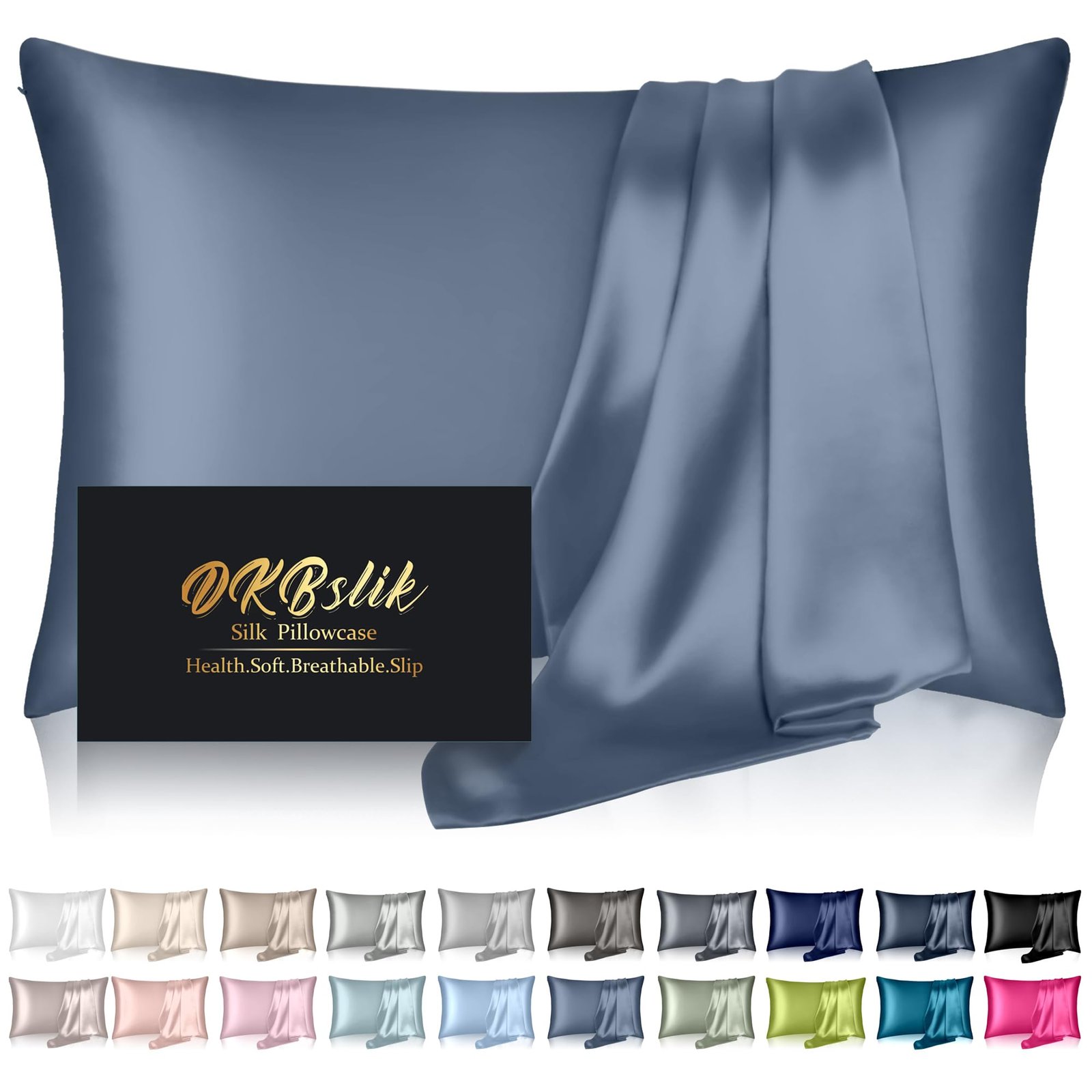
Some satin pillowcases are made from polyester, while others use silk or nylon. Polyester satin is the most common and affordable. Look for high-quality, tightly woven satin for the smoothest feel.
2. Thread Count And Weave
A higher thread count usually means a softer, longer-lasting pillowcase. The weave should be tight and glossy, not rough or dull.
3. Envelope Vs. Zipper Closure
Envelope closures keep the pillow inside without a zipper, while some prefer zippers for a snug fit. Both work—choose what feels most comfortable.
4. Size And Fit
Check the dimensions to be sure your pillow fits well. Most brands offer standard, queen, and king sizes.
5. Easy Care
Look for pillowcases that are machine washable and won’t lose their shine after washing. Avoid those that require dry cleaning for everyday use.
How To Care For Your Satin Pillowcase
Satin is easy to care for, but you need to be gentle:
- Wash with cool or lukewarm water.
- Use a mild detergent; skip bleach and fabric softeners.
- Air dry or tumble dry on the lowest setting.
- Iron on the lowest heat if needed, but most satin pillowcases don’t wrinkle much.
Regular washing keeps your pillowcase clean and free of oils or skincare residue. Unlike cotton, satin doesn’t trap bacteria as easily, but it’s still important to wash it weekly.
Common Myths About Satin Pillowcases
Some people believe satin pillowcases are just a luxury or that they’re hard to maintain. In reality, they’re practical and often more affordable than silk. Another myth is that only women need them—men with short hair or beards also benefit from the reduced friction and moisture loss.
Some think satin and silk are the same. While both are smooth, silk is a natural protein fiber and more expensive, while satin refers to the weave and can be made from several materials. For most people, polyester satin offers the same benefits as silk for a fraction of the price.
Real-world Experiences
Many people notice changes within a week of switching to a satin pillowcase. For example, a woman with type 3C curls reported less morning frizz and easier detangling. A man with sensitive skin said he woke up with fewer pillow creases and less redness after just three nights. These stories are common, but it’s important to note results can vary based on hair and skin type.
Satin Pillowcase Benefits: At A Glance
Here’s a quick summary of the main advantages:
| Benefit | How It Helps |
|---|---|
| Reduces hair breakage | Less friction means fewer split ends and tangles |
| Fights frizz | Hair stays smoother and hydrated overnight |
| Prevents wrinkles | Minimizes sleep lines and creases on skin |
| Retains moisture | Keeps natural oils and skincare products on your face and hair |
| Gentle on sensitive skin | Less likely to cause irritation or acne |
| Extends style life | Protects braids, blowouts, and extensions |
Non-obvious Tips For Maximum Benefit
- Rotate pillowcases: Even with satin, oils and sweat can build up. Use a few pillowcases and rotate them through the week for best hygiene.
- Check your laundry routine: Harsh detergents or over-drying can damage the satin weave. Use gentle products and skip the dryer when possible.
- Pair with a satin bonnet: For extra protection, especially for very curly or long hair, consider wearing a satin bonnet in addition to the pillowcase.
- Travel with one: Hotel pillowcases are often rough. Bring your satin pillowcase on trips to protect your hair and skin wherever you go.
When Satin Might Not Be Enough
Satin pillowcases are a great tool, but they can’t fix all hair or skin issues. If you have severe dryness, breakage, or skin problems, you may need to adjust your hair care or skincare routine too. Think of satin as part of a bigger strategy for healthier hair and skin.
Scientific Support And Expert Opinions
Research supports the benefits of satin for reducing hair breakage and skin irritation. Dermatologists and stylists often recommend satin, especially for people with curly hair, fragile hair, or sensitive skin. For more details on studies and science behind these benefits, visit this Wikipedia article.
Frequently Asked Questions
What’s The Difference Between Satin And Silk Pillowcases?
Satin refers to a type of weave, while silk is a natural fiber. Satin can be made from silk, polyester, or nylon. Silk pillowcases are usually more expensive and need more care. Both offer similar benefits for hair and skin.
Are Satin Pillowcases Good For Oily Skin?
Yes, because satin doesn’t absorb oil as much as cotton. This means you won’t lose as much of your natural oils overnight, and your pillowcase won’t hold onto bacteria as easily. But you still need to wash your pillowcase regularly.
How Often Should I Wash My Satin Pillowcase?
Aim to wash your satin pillowcase at least once a week. If you have acne-prone skin or oily hair, you may want to wash it more often—every 3-4 days is ideal.
Can Men Benefit From Satin Pillowcases?
Absolutely. Men with short hair, beards, or sensitive skin can all benefit from the reduced friction and smoother surface. Satin pillowcases aren’t just for long hair or women.
Do Satin Pillowcases Help With Allergies?
Satin pillowcases are less likely to hold onto dust mites and allergens compared to cotton. People with allergies often find satin more comfortable, especially if they clean their bedding regularly.
Switching to a satin pillowcase is a simple change that can make a noticeable difference in your hair and skin health. With smoother mornings, less frizz, and fewer skin creases, it’s one of the easiest beauty upgrades you can try.
Credit: www.amazon.com