
Choosing the right comforter can make the difference between a restless night and a perfect sleep. When temperatures drop or you simply crave extra coziness, the filling inside your comforter becomes crucial. But with so many materials—down, synthetic, wool, cotton, and more—which truly offers the most warmth?
The answer isn’t as simple as picking the fluffiest option. Understanding what makes one comforter warmer than another can help you invest wisely for your best sleep ever.
Let’s explore the science behind warmth, compare popular comforter fillings, and uncover the warmest option for cold nights.
What Makes A Comforter Warm?
Before comparing materials, it helps to know what actually creates warmth. The warmth of a comforter depends on three main things:
- Insulation: How well the filling traps body heat.
- Loft: The thickness and fluffiness, which creates small air pockets.
- Fill Power: Especially for down, this measures the volume one ounce of filling creates. Higher fill power means better insulation.
Other factors like the comforter’s construction (baffle box, sewn-through, etc. ) And the outer fabric also matter, but the filling is the heart of warmth.
Types Of Comforter Fillings
Let’s break down the most common types of comforter fillings, focusing on their warmth, pros, and cons.
Down
Down is the fluffy underlayer found beneath the feathers of ducks or geese. It’s long been considered the gold standard for warmth.
- Warmth: Exceptionally warm. High-quality goose down with a fill power of 700 or above offers the best insulation with minimal weight.
- Weight: Lightweight but puffy.
- Durability: Can last 10-20 years with proper care.
- Drawbacks: Expensive, not ideal for allergy sufferers unless labeled hypoallergenic, not suitable for humid climates (can retain moisture).
Example: A 700-fill power goose down comforter can keep you warm even in freezing temperatures.
Synthetic (polyester/microfiber)
Synthetic fills like polyester or microfiber are engineered to mimic down, but the performance varies.
- Warmth: Good, but usually not as warm as premium down. However, high-loft microfibers can provide impressive insulation.
- Weight: Heavier than down for the same warmth.
- Durability: Lasts 5-10 years.
- Benefits: Hypoallergenic, easy to wash, affordable.
- Drawbacks: Less breathable, can feel clammy in humid conditions.
Synthetic comforters are practical for kids or guest rooms but might not satisfy those seeking the absolute warmest option.
Wool
Wool is a natural fiber from sheep, prized for its unique warmth and moisture-wicking abilities.
- Warmth: Very warm, but less “puffy” than down. Wool naturally regulates temperature, preventing overheating.
- Weight: Medium to heavy.
- Durability: 10+ years with care.
- Benefits: Breathable, resists dust mites and mold.
- Drawbacks: Heavier feel, can be expensive, some find it itchy.
Wool is excellent for people who get cold but also sweat at night—it keeps you cozy without overheating.
Cotton
Cotton comforters use cotton batting as filling. While breathable and natural, they’re not usually the warmest choice.
- Warmth: Moderate. Cotton insulates less than down or synthetic.
- Weight: Heavier for the same warmth.
- Durability: 5-10 years.
- Benefits: Hypoallergenic, easy to wash, affordable.
- Drawbacks: Can lose shape, not ideal for cold winters.
Cotton is better for warmer climates or those who sleep hot.
Silk
Silk filling is made from long silk fibers, creating a lightweight and luxurious feel.
- Warmth: Warm, but not as insulating as down or wool. Best for mild to cool conditions.
- Weight: Very light.
- Durability: 10+ years with gentle care.
- Benefits: Naturally hypoallergenic, resists dust mites, very breathable.
- Drawbacks: Expensive, requires delicate care.
Silk is perfect for people who want light warmth and luxury but not for extreme cold.
Down Alternative
Down alternative is a specific type of synthetic fill, engineered to feel like down.
- Warmth: Good, with high-quality options approaching down’s insulation.
- Weight: Slightly heavier than real down.
- Durability: 5-10 years.
- Benefits: Hypoallergenic, easier to clean, more affordable.
- Drawbacks: May flatten over time, less breathable than down.
A great option for allergy sufferers who want down-like warmth.
Bamboo
Bamboo fiber is less common but gaining popularity.
- Warmth: Moderate. Bamboo regulates temperature well but doesn’t trap heat like down.
- Weight: Medium.
- Durability: 5-8 years.
- Benefits: Eco-friendly, hypoallergenic, breathable.
- Drawbacks: Not for extremely cold conditions.
Bamboo is ideal for those wanting a green, breathable choice for moderate climates.
Warmth Comparison: Key Data
To make it easier to compare, see how these fillings stack up for warmth, weight, and who they suit best.
| Filling | Warmth Level | Weight | Ideal For |
|---|---|---|---|
| Goose Down (700+ fill) | Very High | Light | Cold climates, luxury seekers |
| Duck Down | High | Light | General use |
| Synthetic (Microfiber) | Medium-High | Medium | Allergy sufferers |
| Wool | High | Medium-Heavy | Cold, humid climates |
| Cotton | Medium | Heavy | Hot climates |
| Silk | Medium | Very Light | Mild climates |
| Bamboo | Medium | Medium | Eco-friendly buyers |
The Warmest Type: Goose Down
If pure warmth is your goal, goose down—especially high fill power (700 and above)—is the warmest comforter filling available for home use. Here’s why:
- Down clusters trap heat efficiently. They expand, creating thousands of tiny air pockets that hold body warmth.
- Lightweight insulation means you stay warm without heavy layers.
- Fill power matters. A high fill power down is warmer and fluffier than lower fill options.
Some luxury goose down comforters can keep you warm in sub-zero temperatures with a comforter that feels almost weightless.
Down Vs. Synthetic: Key Differences
While both can be warm, there are important differences:
| Feature | Goose Down | Synthetic |
|---|---|---|
| Warmth-to-Weight Ratio | Excellent | Good |
| Durability | 10-20 years | 5-10 years |
| Care | Special cleaning | Machine washable |
| Allergy Friendly | No (unless treated) | Yes |
| Cost | High | Low-Medium |
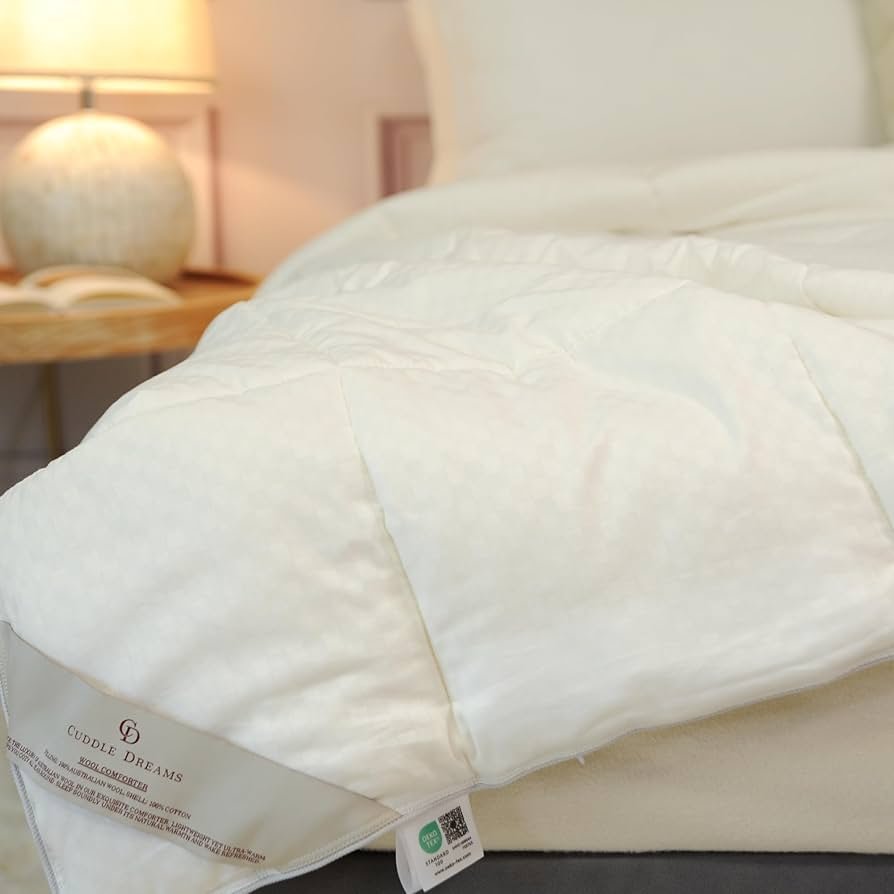
Credit: www.amazon.com
Common Mistakes When Choosing For Warmth
Many people believe the thickest or heaviest comforter is the warmest. Not true. Here are mistakes to avoid:
- Judging by weight alone: Down is much lighter but warmer than cotton or synthetic.
- Ignoring fill power: A 500-fill power down is less warm than a 700-fill power, even if the comforter looks bigger.
- Overlooking climate needs: Warmest isn’t always best—overheating can ruin sleep. Match the filling to your room temperature.
- Not considering allergies: Down and wool can trigger allergies unless specially treated.
- Skipping care requirements: Down needs special cleaning; synthetic is easier to wash.
How To Choose The Right Warmth For You
The “warmest” filling isn’t always the right one for everyone. Here’s how to decide:
- If you live in a cold climate or keep your room cold at night, invest in a high fill power goose down comforter.
- If you want warmth but have allergies, look for hypoallergenic down, down alternative, or wool.
- If you sleep hot or your room is warm, a lighter down, silk, or bamboo comforter is better.
- If you want easy care, choose synthetic or down alternative.

Credit: www.cuddledown.com
Non-obvious Insights For Maximum Warmth
- Baffle box construction: How the comforter is sewn matters. Baffle box designs keep filling evenly distributed, preventing cold spots.
- Shell fabric counts: The outer fabric (like high-thread-count cotton) can help trap warmth and keep filling from leaking.
- Layering: Sometimes, two thinner comforters (like a down layer and a wool layer) offer more flexible warmth year-round than a single heavy one.
Caring For Warm Comforters
Warmth and longevity go hand in hand with proper care:
- Fluff regularly: Keeps down and synthetic fills at maximum loft.
- Use a duvet cover: Protects the filling and makes cleaning easier.
- Follow washing instructions: Down usually needs professional cleaning; synthetic can often go in the machine.
- Store properly: Don’t compress; use a breathable bag in a cool, dry place.
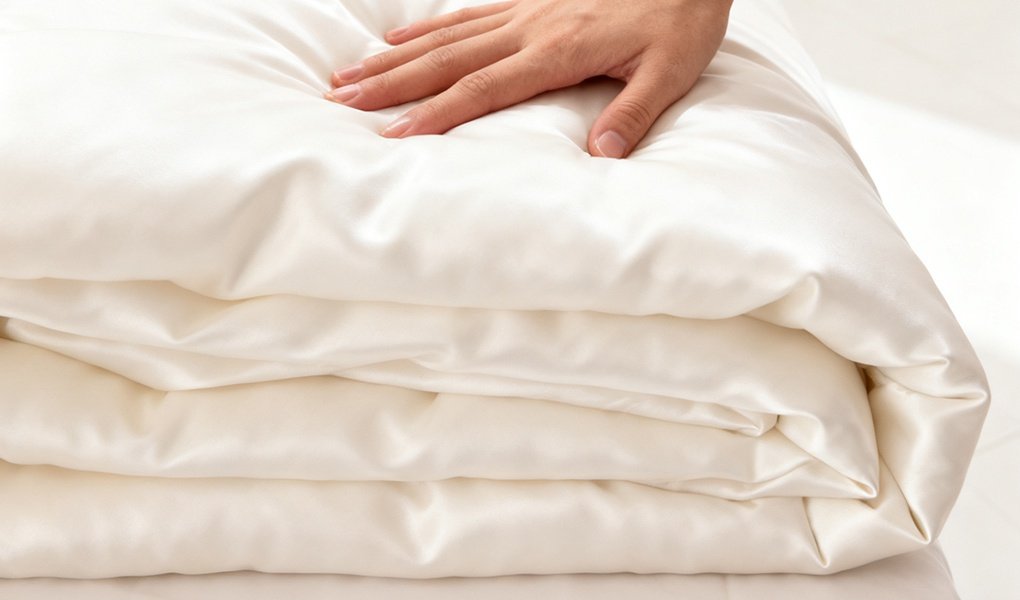
Credit: www.ellesilk.com
Real-world Examples
- In Scandinavian countries, most people use high fill power down comforters for cold winters.
- Hotels in cold climates often use down alternative or wool for guests with allergies.
- Outdoor brands use goose down in sleeping bags for arctic expeditions, proving its superior warmth.
Where To Learn More
For more in-depth scientific information on insulation and bedding materials, check out this resource from the Wikipedia: Down Feather.
Frequently Asked Questions
What Is The Difference Between Duck Down And Goose Down?
Goose down generally has larger, fluffier clusters than duck down, which means it traps more heat and stays loftier over time. For the warmest comforters, goose down—especially with high fill power—is preferred. Duck down is a good, more affordable alternative but slightly less warm.
Is Wool Or Down Better For People Who Sweat At Night?
Wool is often better for people who sweat because it naturally wicks moisture and regulates temperature. Down is warmer but can feel clammy if you sweat a lot, unless it’s paired with a moisture-wicking cover.
Can Synthetic Comforters Be As Warm As Down?
High-quality synthetic fills like advanced microfibers can closely match the warmth of down. However, they are usually heavier and might not last as long. For those with allergies or a lower budget, they are a good alternative.
How Important Is Fill Power In Down Comforters?
Fill power is very important for warmth. A higher fill power means more insulation and fluffiness for the same weight. Aim for at least 600 for good warmth, and 700 or more for the warmest comforters.
Are There Eco-friendly Warm Comforters?
Yes, options like bamboo and responsibly sourced wool or down are considered eco-friendly. Bamboo is not as warm as down but is sustainable and breathable. Look for certifications like RDS (Responsible Down Standard) for down products.
Finding the warmest comforter filling is about more than just chasing the fluffiest option. When you match the right material to your needs, you’ll enjoy true, lasting warmth and better sleep every night.