
Every night, your bed should be a place of comfort. But for many, it’s actually a source of sneezing, itching, and restless sleep. Allergies can turn a cozy bed into a nightmare. If you wake up with a stuffy nose, watery eyes, or scratchy throat, your bedding may be the problem. This is where allergy-friendly bedding comes in. But what is it, and why does it matter? Let’s explore what makes bedding allergy-friendly, who needs it most, and how choosing the right materials can turn your bed into a true safe haven.
What Is Allergy-friendly Bedding?
Allergy-friendly bedding refers to sheets, pillowcases, blankets, and mattress covers designed to reduce allergens like dust mites, pet dander, mold, and pollen. These products use specific fabrics, weaves, and treatments that block common triggers for allergies and asthma. Unlike regular bedding, allergy-friendly options are made to create a barrier against microscopic irritants.
Instead of relying on heavy chemicals or uncomfortable plastic, most allergy-friendly bedding uses physical methods to block allergens. This includes tightly woven fabrics and hypoallergenic materials. The goal is simple: help you breathe easier and sleep better by keeping allergens out of your sleeping space.
Why Allergens Build Up In Bedding
Your bed is the perfect home for dust mites and other allergens. Here’s why:
- Warmth and moisture: Your body heat and sweat create a cozy environment for dust mites.
- Skin cells: Every night, you shed thousands of skin flakes, which become food for dust mites.
- Pet hair and dander: If you let pets on the bed, their fur and skin particles collect in bedding.
- Humidity: Dampness encourages mold and bacteria, both of which can trigger allergies.
Regular bedding does little to stop these problems. Washing helps, but tiny allergens often remain trapped in fabric. Over time, these build up and make symptoms worse.
Key Features Of Allergy-friendly Bedding
Not all bedding marketed as “hypoallergenic” is truly effective. Look for these important features:
1. Tightly Woven Fabric
The weave of the fabric matters more than thread count. Allergy-friendly bedding often uses a pore size of less than 10 microns. This small size keeps dust mites and their waste out.
2. Hypoallergenic Materials
Materials like organic cotton, bamboo, and microfiber resist allergens naturally. These fabrics are less likely to cause irritation and don’t trap as much dust.
3. Special Treatments
Some bedding is treated with antimicrobial finishes that help reduce mold and bacteria. However, these treatments should be safe for sensitive skin.
4. Encasements And Covers
Mattress and pillow encasements are zippered covers that fully seal the bedding item. These act as a physical barrier, blocking allergens from escaping or entering.
5. Easy Care
Allergy-friendly bedding should be easy to wash in hot water (at least 130°F/54°C). This temperature kills dust mites and removes most allergens.
Common Types Of Allergy-friendly Bedding
Different bedding items play different roles in an allergy-free bed. Here’s how each helps:
Mattress Encasements
These covers completely wrap your mattress and zip shut. Good quality encasements use tightly woven fabric and block all dust mites, pet dander, and even bed bugs. Many people notice fewer allergy symptoms within days of using one.
Pillow Protectors
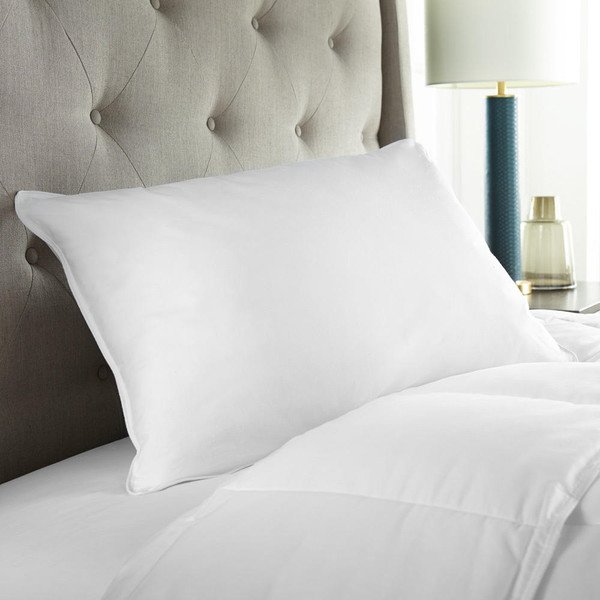
Pillows are a favorite hiding place for dust mites. Allergy-friendly pillow covers work just like mattress encasements. They protect your face and airways from allergens all night.
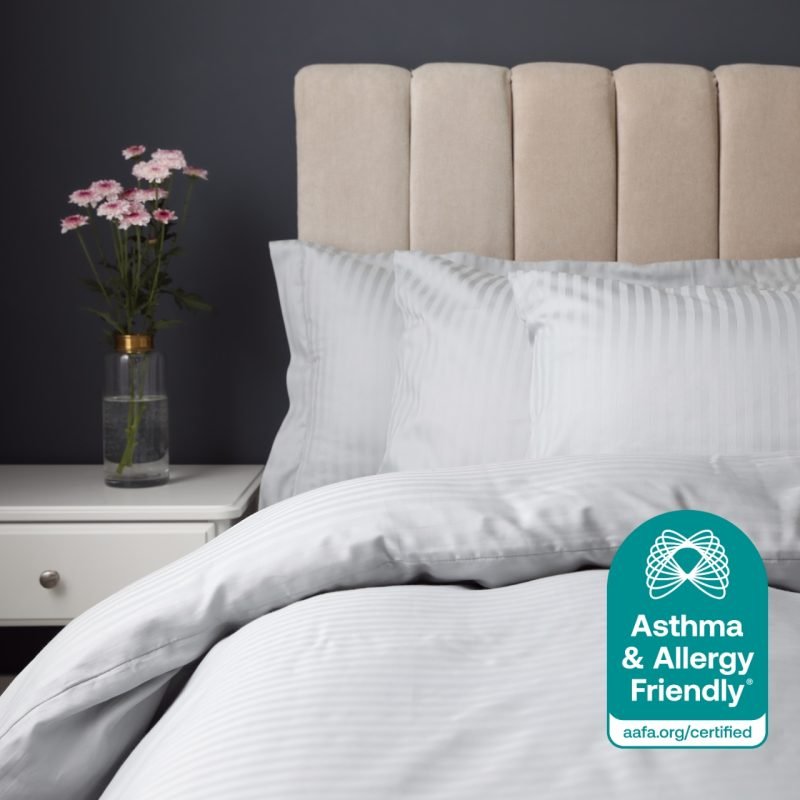
Sheets And Duvet Covers
Look for sheets labeled as hypoallergenic or allergy-friendly. Materials like bamboo or Tencel are naturally resistant to dust and bacteria.
Blankets And Comforters
Washable, synthetic-filled comforters often work best for allergy sufferers. Wool and down can harbor dust mites unless specifically treated to be allergy-friendly.
Credit: www.allergystandards.com
Materials Comparison: Allergy-friendly Vs. Regular Bedding
To see the difference, here’s a comparison between common bedding materials and their allergy-friendly qualities.
| Material | Allergy-Friendly? | Why/Why Not |
|---|---|---|
| Organic Cotton | Yes | Natural fiber, tightly woven, easy to wash |
| Bamboo | Yes | Resists bacteria, moisture-wicking |
| Microfiber | Yes | Fine weave, blocks dust mites |
| Wool | Sometimes | Can trap dust unless specially treated |
| Down/Feather | No | Attracts dust mites, hard to wash |
| Polyester | Mixed | Can be allergy-friendly if tightly woven |
Who Should Use Allergy-friendly Bedding?
Anyone can benefit, but certain groups need it most:
- People with dust mite or pet allergies
- Asthma sufferers
- Children and infants
- People with eczema or sensitive skin
- Those living in humid or dusty climates
If you wake up feeling worse than when you went to bed, allergy-friendly bedding is worth a try. Even people without diagnosed allergies often sleep better with cleaner bedding.
How To Choose The Best Allergy-friendly Bedding
Picking the right bedding can feel overwhelming with so many choices. Here’s how to make a smart decision:
1. Check Material And Weave
Choose tightly woven fabrics like microfiber, bamboo, or certified organic cotton. Look for pore sizes under 10 microns.
2. Look For Certifications
Trust bedding with certifications from organizations like OEKO-TEX or the Asthma and Allergy Foundation of America. These labels mean the product meets strict standards.
3. Washability
Make sure all pieces are machine washable at high temperatures. This is key to removing allergens over time.
4. Avoid Fragrances And Dyes
Stick to bedding without added perfumes or bright dyes. These can irritate sensitive skin and sometimes trigger reactions.
5. Read Real Reviews
Look for reviews from other allergy sufferers. They’ll tell you if a product truly reduces symptoms.
6. Consider Your Climate
In humid areas, choose moisture-wicking materials like bamboo or Tencel. In dry areas, natural cotton may be enough.
7. Start With Encasements
If you’re on a budget, start with mattress and pillow encasements. These offer the biggest reduction in allergen exposure.
Practical Tips For Allergy-free Sleep
Allergy-friendly bedding is a great start, but there are extra steps you can take for even better results.
- Wash bedding weekly in hot water to kill dust mites and remove pollen.
- Shower before bed to keep sweat, pollen, and dander out of your sheets.
- Keep pets off the bed if you have pet allergies.
- Vacuum your mattress and pillows with a HEPA filter vacuum every few months.
- Use a dehumidifier in damp rooms to prevent mold growth.
One non-obvious tip: Don’t just focus on your bed. Curtains, carpets, and even stuffed animals can hold allergens. Try to choose allergy-friendly options throughout your bedroom.
Credit: www.allergystandards.com
Myth-busting: Common Mistakes About Allergy-friendly Bedding
Many people make small mistakes that reduce the benefits of allergy-friendly bedding. Here are a few:
Believing “hypoallergenic” Always Means Safe
Not all products labeled “hypoallergenic” are equal. Some still allow allergens to pass through or use irritating chemicals. Always check for third-party certifications.
Skipping Regular Washing
Even the best encasement won’t help if you never wash your sheets. Dust and sweat build up quickly, so keep a routine.
Ignoring Old Pillows And Mattresses
Older bedding can hold millions of dust mites. If your pillow is more than two years old, or your mattress is more than eight, consider replacing them for best results.
Allergy-friendly Bedding: Cost Comparison
Allergy-friendly bedding often costs more up front but can save money on medication and doctor visits in the long run. Here’s a quick look at typical prices.
| Product | Regular Bedding | Allergy-Friendly |
|---|---|---|
| Queen Sheet Set | $40–$80 | $60–$120 |
| Mattress Encasement | $20–$40 | $40–$80 |
| Pillow Protector (2-pack) | $10–$20 | $20–$40 |
While prices are higher, many people find the investment worth it for better sleep and fewer allergy symptoms.
Credit: www.downlitebedding.com
Real-world Example: Impact Of Allergy-friendly Bedding
A 2021 clinical study found that allergy-friendly mattress encasements reduced dust mite exposure by over 80% in children with asthma. After three months, these children had 30% fewer nighttime breathing problems. This shows how the right bedding can make a big difference for health and quality of life.
Environmental Impact And Sustainability
Many allergy-friendly bedding brands are now focusing on eco-friendly materials and processes. Organic cotton and bamboo use less water and fewer chemicals during production. This means you can protect your health and the planet at the same time.
Some brands even use recycled materials for fillings and packaging. When shopping, look for products that are both allergy-friendly and sustainable.
Care And Maintenance: Keeping Bedding Allergy-free
It’s not enough to buy the right bedding—you must also care for it properly. Here’s a summary of best practices.
| Step | Frequency | Why It Matters |
|---|---|---|
| Wash sheets and pillowcases | Weekly | Removes dust, sweat, and allergens |
| Wash encasements | Every 1-2 months | Keeps barriers clean |
| Replace pillows | Every 2 years | Reduces dust mite buildup |
| Replace mattress | Every 8-10 years | Prevents long-term allergen buildup |
Frequently Asked Questions
What Is The Best Material For Allergy-friendly Bedding?
The best materials are organic cotton, bamboo, and microfiber. These fabrics are tightly woven and naturally resist dust mites and other allergens.
How Often Should I Wash Allergy-friendly Bedding?
Wash sheets and pillowcases every week in hot water (at least 130°F/54°C). Wash mattress and pillow encasements every 1-2 months for best results.
Do I Need To Replace My Mattress To Reduce Allergies?
Not always. A high-quality mattress encasement can block most allergens. However, if your mattress is more than 8–10 years old, replacing it may help.
Are Allergy-friendly Bedding Products Safe For Sensitive Skin?
Yes, most are made for sensitive skin. Choose products without added fragrances or dyes. Look for certifications from trusted organizations.
Where Can I Find Reliable Allergy-friendly Bedding Brands?
Start with brands certified by groups like the Asthma and Allergy Foundation of America or OEKO-TEX. For more on certifications, see this Asthma and Allergy Foundation resource.
Your bed should help you rest and recover, not make you feel worse. By choosing allergy-friendly bedding and caring for it properly, you can create a cleaner, safer sleep environment. Even small changes—like adding a mattress encasement or switching to hypoallergenic sheets—can lead to better nights and healthier days.