
Choosing the best mattress density for support is one of the most important decisions you can make for your sleep quality and spinal health. Mattress density affects how your mattress feels, how long it lasts, and how well it supports your body throughout the night.
But what does mattress density really mean? How does it connect to support, and how can you choose the right one for your needs? Many people are confused by the numbers and marketing terms, but understanding density is simpler than it seems.
Finding the right mattress density is not just about comfort; it’s about keeping your spine aligned and avoiding pain. With so many choices—soft, medium, firm, memory foam, latex, hybrid—it’s easy to feel lost. Each mattress density brings unique benefits and drawbacks, and what works for one person may not work for another.
In this article, you’ll learn how mattress density is measured, how it relates to support, and how to pick the perfect density for your body type, sleep style, and health needs. You’ll also discover real data, expert guidance, and common mistakes to avoid, so you can make a confident, informed choice.
What Is Mattress Density?
Mattress density refers to the weight of the foam (or other material) in a mattress per unit of volume, usually measured in pounds per cubic foot (PCF) or kilograms per cubic meter (kg/m³). Higher density means more material packed into the same space, while lower density means the material is lighter and often has more air pockets.
For example, a memory foam mattress with a density of 5 PCF is much denser—and usually heavier—than one with a density of 2 PCF. This measurement is different from mattress firmness, which describes how hard or soft the surface feels.
Density affects support, durability, and how well the mattress contours to your body.
Density Ranges Explained
Most mattresses fall into three main density categories:
- Low Density: Less than 3 PCF (or under 48 kg/m³)
- Medium Density: 3 to 5 PCF (48–80 kg/m³)
- High Density: Above 5 PCF (over 80 kg/m³)
Each range offers unique support qualities and practical benefits, which we’ll explore in detail.
How Mattress Density Impacts Support
Support is about how well a mattress keeps your spine in a natural position. This helps prevent back pain and allows your muscles to relax during sleep. Mattress density is a major factor because it influences two key things: contouring (how well the mattress hugs your body) and durability (how long it keeps its shape).
- Low-density mattresses tend to feel softer and may not support heavier parts of your body as well over time. They can break down faster.
- Medium-density mattresses often balance contouring and firmness, offering solid support for most sleepers.
- High-density mattresses provide stronger support, resist sagging, and last longer. They are especially good for people who need extra support or have higher body weight.
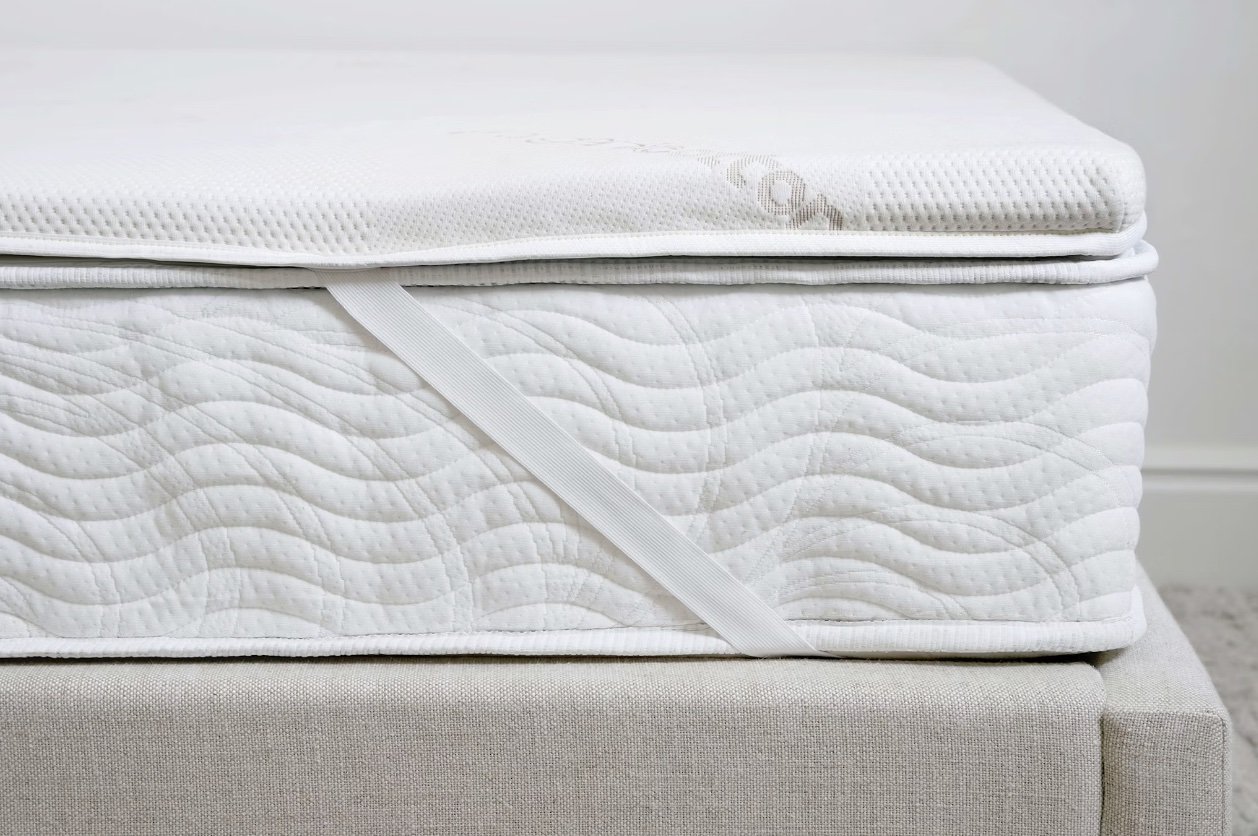
A common beginner mistake is confusing density with firmness. A high-density mattress can still feel soft, depending on its construction. Always check both density and firmness ratings before making your decision.
Credit: welcometogouda.com
Choosing The Right Mattress Density For Support
To pick the best mattress density for support, consider these five factors:
- Body Weight: Heavier people need higher-density mattresses for proper support and to avoid sinking too deeply.
- Sleeping Position: Side sleepers often prefer medium density for pressure relief, while back and stomach sleepers may benefit from higher density for added support.
- Health Needs: People with back pain or joint issues usually need consistent, high-density support.
- Mattress Type: Memory foam, latex, and hybrid mattresses each have unique density options and support characteristics.
- Climate: High-density foam retains more heat, which might not be ideal for hot sleepers.
Let’s break down each factor for better understanding.
1. Body Weight
Your body weight is a key factor in selecting mattress density. Here’s a quick guide:
| Body Weight | Recommended Density | Reason |
|---|---|---|
| Under 130 lbs (59 kg) | Low–Medium (2–4 PCF) | Less support needed, softer feel |
| 130–230 lbs (59–104 kg) | Medium (3–5 PCF) | Balanced contour and support |
| Over 230 lbs (104 kg) | High (5+ PCF) | Prevents sagging, better longevity |
A non-obvious insight: If you’re on the border between two weight categories, choose the higher density for better long-term support.
2. Sleeping Position
How you sleep changes where your body puts pressure on the mattress. This affects the best density for you.
- Side sleepers: Need pressure relief at shoulders and hips. Medium-density foam (3–5 PCF) works well.
- Back sleepers: Require even support for the spine. Medium to high density (4–6 PCF) is best.
- Stomach sleepers: Should avoid sinking too far, so high density (5+ PCF) is often necessary.
Sleeping position is often ignored, but it’s one of the biggest factors in mattress comfort and support.
3. Health Needs
If you have back pain, arthritis, or other joint issues, support matters even more. High-density mattresses provide a stable surface, keeping your spine aligned and reducing pressure points. For chronic pain sufferers, a density of 5 PCF or more can make a real difference in sleep quality and pain relief.
Some people with certain medical conditions (like pressure ulcers) may need even higher density or special medical-grade foams. Always consult with a health professional if you have special needs.
4. Mattress Type And Material
Not all mattresses use the same density scale. Here’s how the main types compare:
| Mattress Type | Typical Density Range | Support Quality |
|---|---|---|
| Memory Foam | 2–8 PCF | Excellent body contouring, long-lasting at high density |
| Latex | 3–6 PCF | Responsive, supportive, naturally durable |
| Polyfoam | 1.5–2.5 PCF | Budget-friendly, less durable |
| Hybrid | Varies (depends on foam/coil layers) | Customizable support, check foam density |
Memory foam is most sensitive to density changes. Latex is naturally supportive even at lower densities. Hybrids mix materials, so check the density of the foam layers inside.
5. Climate And Sleeping Temperature
High-density foam retains more heat. If you live in a warm climate or tend to sleep hot, you may want to look for gel-infused or open-cell foams. These allow better airflow, even at higher densities. Some mattress brands use special cooling covers or materials to balance density and temperature.
Comparing Mattress Density And Support: What The Research Says
Research shows that mattress density has a direct effect on sleep quality and body support. According to a 2015 study published in the Journal of Chiropractic Medicine, people sleeping on medium- to high-density memory foam reported less back pain and improved sleep compared to those on lower-density foam. The study found that mattresses with a density of 4–5 PCF provided optimal balance for most adults.
But density is just one factor. The thickness of the mattress, the firmness level, and the quality of materials also play a role. Still, if you want long-term support and durability, density is a reliable guide.
Here’s a quick data comparison of density versus support quality:
| Density (PCF) | Expected Support | Estimated Lifespan |
|---|---|---|
| 1–2 | Poor support, quick sagging | 1–3 years |
| 3–4 | Good support for average users | 4–6 years |
| 5–8 | Excellent support, resists sagging | 7–10+ years |
Credit: www.amazon.com
Common Mistakes When Choosing Mattress Density
- Confusing density with firmness: Density is about weight and durability, while firmness is about feel. Always check both.
- Ignoring body weight: Lightweight people may find high-density foam too hard. Heavier people may sink in low-density foam.
- Focusing only on price: Cheaper, low-density foams often break down quickly and lose support.
- Neglecting climate: High-density foam can feel hot in warm climates.
- Not reading the fine print: Some brands use marketing terms like “ultra-supportive” without giving real density numbers. Always ask for specifics.
A non-obvious tip: Some brands layer different densities in one mattress. Check which layer is densest—ideally, the support core should have the highest density.
How To Test Mattress Density In Store Or Online
If you’re testing mattresses in a store, ask about the foam density. Feel the weight of the mattress—high-density foam is noticeably heavier. When shopping online, look for density numbers in the product description. If they’re not listed, ask customer service.
Lying on the mattress for at least 10 minutes helps you feel how well it supports your body. Pay attention to your shoulders, hips, and lower back. If you feel pressure or sagging, the density may be too low.
Many companies now offer sleep trials. Use this to your advantage—test the mattress at home and return it if it doesn’t offer the support you need.
Credit: www.amazon.com
Which Mattress Density Is Best For You?
Based on the factors above, here are some quick recommendations:
- Lightweight sleepers (under 130 lbs): 2–4 PCF
- Average sleepers (130–230 lbs): 3–5 PCF
- Heavy sleepers (over 230 lbs): 5–8 PCF
But remember, these are just starting points. Your personal comfort, health needs, and local climate also matter. Try to test different densities before buying, or use brands with generous return policies.
Why Mattress Density Matters More Than You Think
Many beginners focus only on price or brand, but mattress density is a true sign of quality and support. Low-density mattresses may feel nice at first but often lose support quickly. High-density mattresses cost more but last longer and offer stable support night after night.
A mistake people make is thinking high density is always better. If you’re very light or have certain health conditions, too much density can create discomfort or pressure points. The key is to match density to your unique needs, not just follow trends or advertisements.
For more in-depth research on how mattress density impacts sleep quality and support, you can visit this Sleep Foundation article.
Frequently Asked Questions
What Is The Ideal Mattress Density For Back Pain?
For most people with back pain, a density of 5 PCF or higher in memory foam provides the best support. This keeps the spine aligned and reduces pressure points. However, personal comfort is important, so test different densities if possible.
Does Higher Mattress Density Mean A Firmer Mattress?
Not always. Density refers to how much material is packed into the mattress, while firmness is about how it feels when you lie down. A high-density mattress can feel soft if made with certain materials or layered with softer foams.
How Long Does A High-density Mattress Last?
A high-density foam mattress (5+ PCF) can last 7–10 years or more with proper care. Lower-density mattresses usually last only 3–5 years before they start sagging.
Is Mattress Density Important For Children?
Yes, but children are lighter, so they don’t need as much density as adults. A medium density (2–4 PCF) is usually enough to give children proper support and comfort.
What Should I Do If Mattress Density Is Not Listed?
Always ask the manufacturer or seller for the specific density numbers. Avoid buying if they can’t provide this information. True support and durability depend on density, not just marketing claims.
Choosing the best mattress density for support is a personal journey, but understanding these details will help you make a decision that leads to better sleep and better health. Take your time, ask questions, and remember: the right density is the foundation for a good night’s sleep.