
Going through menopause can change how you sleep. Many women wake up feeling hot, sweaty, or restless. Night sweats and temperature swings are common. When your bedding traps heat or feels uncomfortable, it can make sleep even harder. Finding the best bedding for menopause patients is more than just comfort—it’s about getting better rest and feeling more energetic during the day.
Good bedding can help control temperature, wick away sweat, and reduce skin irritation. But with so many choices, how do you know what actually works? This guide explains the best bedding options for menopause, what to look for, and how to create a cool, soothing sleep environment.
You’ll learn about materials, thread count, pillow choices, and more—plus some surprising facts most people miss.
Why Bedding Matters For Menopause
During menopause, hormone changes can make your body temperature go up and down quickly. This often leads to night sweats—sudden episodes of sweating during sleep. If your bedding does not breathe well or traps heat, you’ll wake up soaked and uncomfortable. Over time, poor sleep affects memory, mood, and health.
Choosing the right bedding helps your body stay cool and dry. This means fewer sleep interruptions and a better chance to recharge overnight.
Key Features To Look For In Bedding
Not all bedding is equal when it comes to menopause symptoms. Here are important features to consider:
- Breathability – Materials that allow air to flow prevent overheating.
- Moisture-wicking – Fabric that moves sweat away from your skin keeps you drier.
- Softness – Sensitive skin can get irritated, so gentle textures are important.
- Easy care – Bedding that washes well and dries quickly is practical.
- Durability – Good bedding lasts longer, even with regular washing.
Most people focus on thread count or brand, but the material’s cooling ability and moisture management matter more for menopause. Don’t overlook pillowcases, mattress covers, and even blankets—they all play a role.
Best Materials For Menopause Bedding
Some fabrics are better than others for hot sleepers and night sweats. Let’s compare the most popular options:
| Material | Breathability | Moisture-wicking | Softness | Durability |
|---|---|---|---|---|
| Cotton (Percale) | High | Medium | Soft | Good |
| Bamboo Viscose | High | Excellent | Very Soft | Moderate |
| Linen | Excellent | High | Crisp, Softens Over Time | Excellent |
| Tencel (Lyocell) | High | Excellent | Silky Soft | Good |
| Microfiber/Polyester | Low | Poor | Soft | Good |
Cotton (especially Percale)
Cotton is a classic choice. Percale weave is crisp, lightweight, and allows air to move easily. It’s less likely to cling to your skin. Egyptian or Pima cotton are extra soft and durable. Sateen weaves feel silky, but they can trap more heat.
Bamboo Viscose
Bamboo sheets are popular with menopause patients. This fabric is naturally moisture-wicking and cooler than cotton. It’s also hypoallergenic—good for sensitive skin. However, bamboo sheets need gentle washing to stay soft.
Linen
Linen is made from flax plants. It’s excellent for air flow and absorbs moisture quickly. Linen feels cool on hot nights and gets softer with each wash. It’s more expensive, but it lasts for years.
Tencel (lyocell)
Tencel is made from wood pulp. It’s silky, breathable, and wicks sweat better than cotton. Tencel sheets are gentle on skin and naturally resist bacteria and odors.
Avoid: Microfiber And Polyester
Many affordable sheets are made from polyester or microfiber. These trap heat and moisture. While soft, they can worsen night sweats and are not recommended for menopause.
Best Types Of Bedding Items
Every part of your bedding can help or hurt sleep. Here’s how each piece plays a role:
Sheets
Go for breathable, natural fibers with a percale or linen weave. Avoid flannel, jersey, or microfiber if you get hot at night.
Pillowcases
Sweat and oil can build up quickly. Choose moisture-wicking pillowcases—bamboo or Tencel are top choices. Wash often for hygiene.
Duvet Covers
Pick a lightweight cover that pairs with a cooling duvet. Linen or cotton percale works best.
Blankets
Use a layered approach: a light cotton or bamboo blanket for summer, and add a breathable wool throw for winter.
Mattress Protectors
Many protectors are plastic or rubbery. Instead, look for cooling mattress covers made with bamboo, Tencel, or special cooling fibers. They add breathability without trapping sweat.
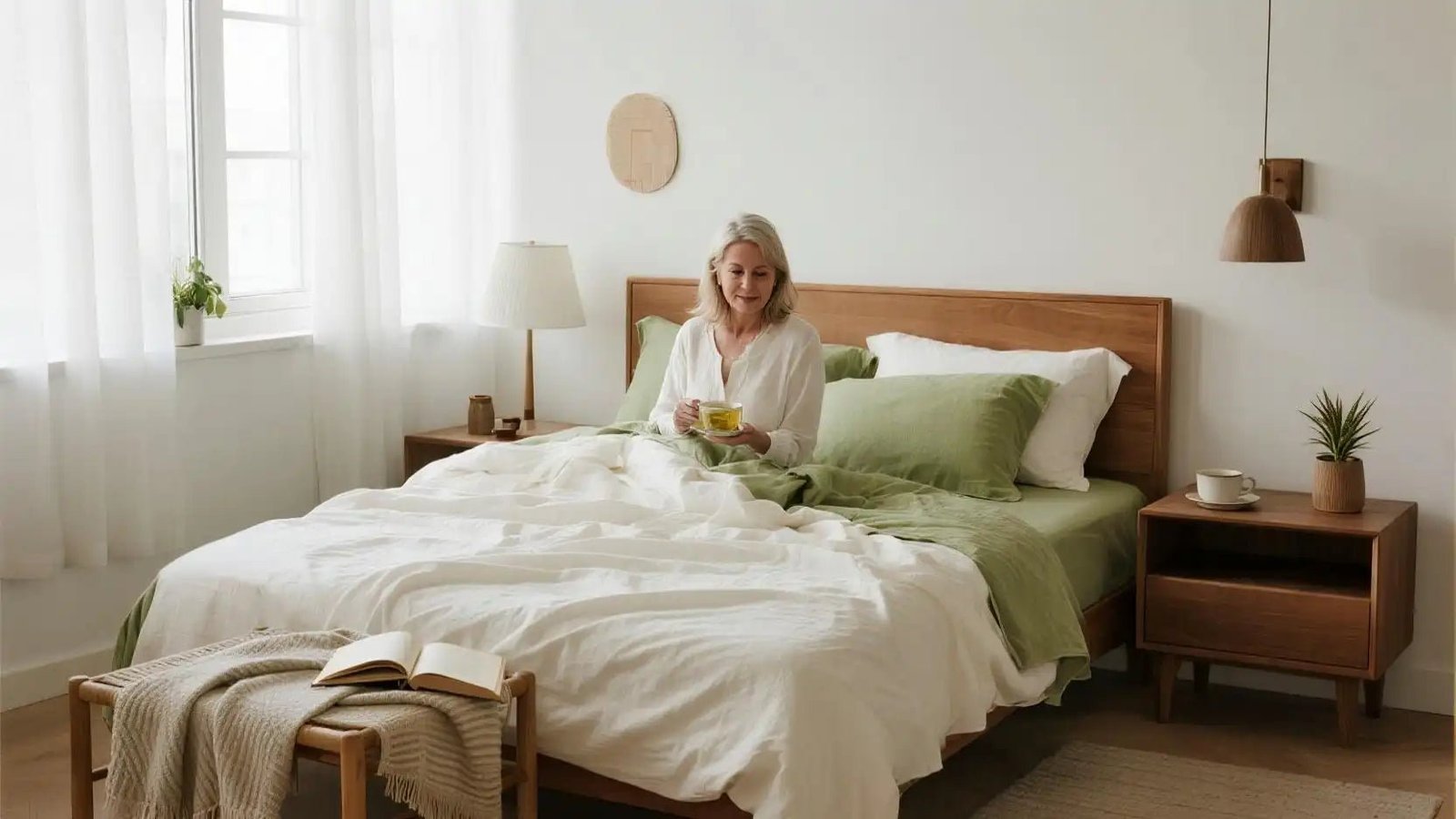
Credit: gokottalifestyle.com
Thread Count: Does It Matter?
Many people believe higher thread count means better sheets. That’s not always true—especially for menopause.
- Thread count between 200-400 is ideal for coolness and breathability.
- Over 400 thread count can trap heat and feel heavy.
- Focus more on material quality and weave than just numbers.
Cooling Technologies In Bedding
Some bedding brands use advanced cooling technology. Examples include:
- Phase change materials (PCM): Absorb and release heat as your body temperature changes.
- Outlast® technology: Used by NASA, regulates heat and moisture.
- Gel-infused fibers: Found in some pillows and mattress toppers for heat dissipation.
These extras can make a difference, but always check real customer reviews—some brands over-promise.
Comparing Popular Bedding Brands For Menopause
To help you choose, here’s a comparison of leading brands known for cooling bedding:
| Brand | Main Material | Cooling Features | Average Price (Queen Set) |
|---|---|---|---|
| Sheex | Performance Polyester | Moisture-wicking, Stretchy | $150 |
| Bampure | Bamboo Viscose | Hypoallergenic, Breathable | $90 |
| Brooklinen | Cotton Percale | Crisp, Cool Weave | $150 |
| Boll & Branch | Organic Cotton | Lightweight, Breathable | $200 |
| Buffy | Eucalyptus (Tencel) | Moisture-wicking, Silky | $170 |
| Parachute | Linen | Highly Breathable | $200 |
Choosing The Right Pillows
Pillows can hold heat near your face and neck. During menopause, this can trigger more sweating. Here’s what to look for:
- Cooling gel pillows: These disperse heat and stay cooler for longer.
- Natural fill: Down, feather, or shredded latex pillows allow more airflow than solid foam.
- Bamboo or Tencel covers: For extra moisture-wicking.
Wash pillowcases weekly and replace pillows every 1–2 years for best results.
Duvets And Comforters For Night Sweats
Many traditional comforters trap heat. For menopause, consider these options:
- Lightweight down or down-alternative duvets: Look for “summer weight” or “cooling” labels.
- Wool-filled comforters: Wool regulates temperature and moves moisture away from your body.
- Eucalyptus or bamboo fill: These natural fibers help with moisture and heat control.
Use a cover made from cotton, linen, or bamboo for added breathability.
How To Layer Bedding For Menopause Relief
Layering lets you adjust your sleep temperature easily. Here’s a practical layering approach:
- Start with a cool mattress protector.
- Add breathable sheets (cotton percale, bamboo, or linen).
- Use a thin blanket for the base layer.
- Top with a lightweight duvet or comforter.
- Keep a separate throw or blanket nearby for colder nights.
This way, you can add or remove layers as your temperature changes.
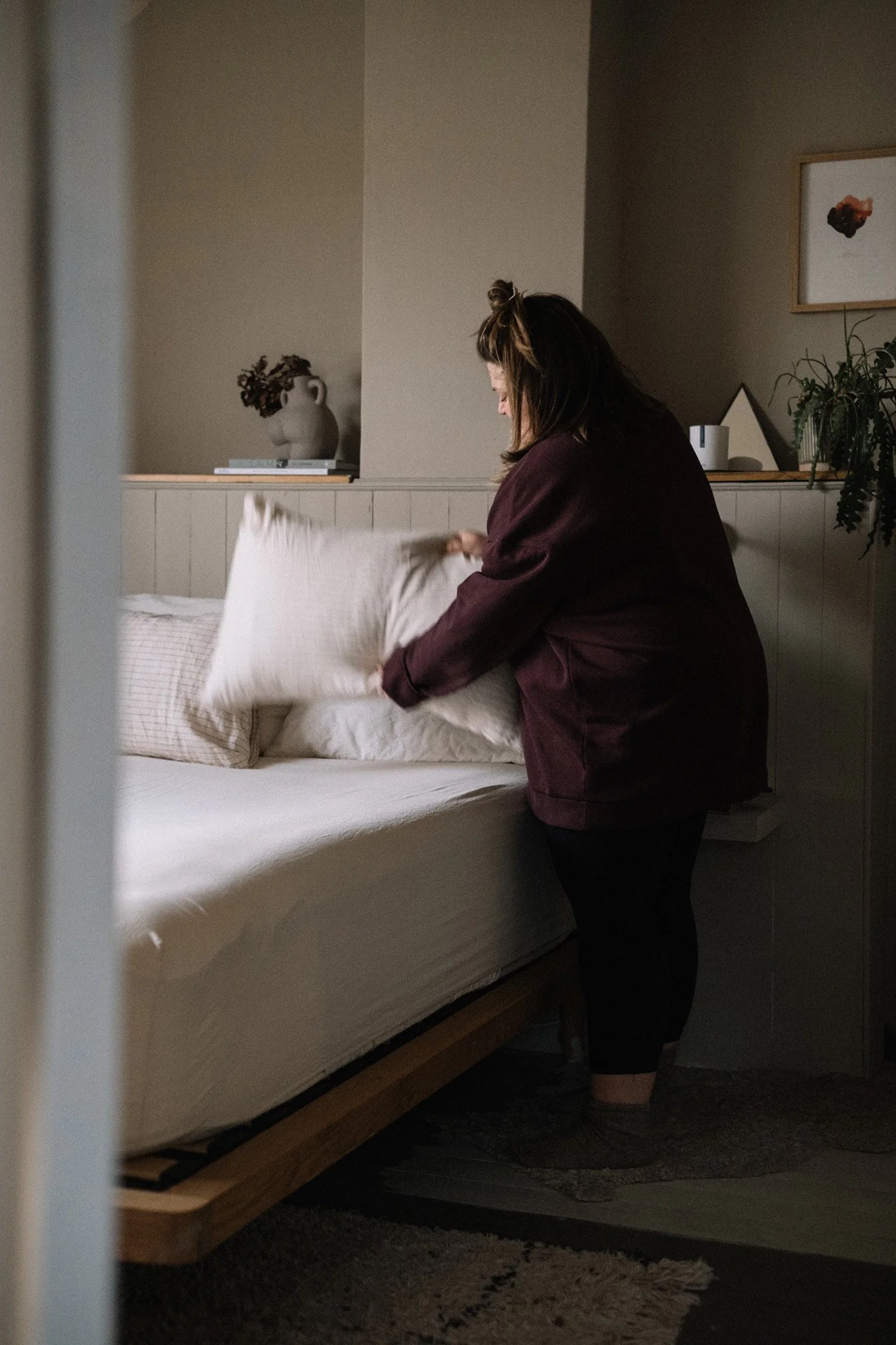
Credit: thehumblehome.uk
Extra Tips For Better Sleep During Menopause
Beyond bedding, a few simple changes can help:
- Cool your bedroom: Aim for 60–67°F (15–19°C).
- Shower before bed: Lowers your core body temperature.
- Avoid heavy pajamas: Sleep in light, breathable fabrics.
- Stay hydrated: Dehydration can make night sweats worse.
- Wash bedding often: Clean bedding feels cooler and removes sweat build-up.
Non-obvious Insights Most People Miss
- Color matters: Light colors reflect heat better than dark sheets, which can make you warmer.
- Mattress breathability: If your mattress traps heat, even the best sheets won’t help much. Consider a breathable or “open-cell” mattress if overheating is severe.
- Scented detergents: Strong detergents can irritate sensitive skin during menopause. Use gentle, fragrance-free options.
Common Mistakes When Choosing Bedding For Menopause
- Picking the highest thread count instead of focusing on breathability.
- Choosing microfiber because it’s cheap, but suffering more night sweats.
- Forgetting to update pillowcases or mattress protectors.
- Buying heavy comforters for “luxury,” but waking up overheated.
- Ignoring care instructions and damaging cooling fabrics in hot dryers.
How Often Should Bedding Be Changed?
For menopause patients, change sheets and pillowcases at least once a week. If you sweat heavily, twice a week is better. This keeps your bed fresh and reduces bacteria and odor.
When To See A Doctor
If you continue to have poor sleep, severe night sweats, or fatigue, talk to your doctor. Sometimes, bedding changes help—but you may need medical advice or treatment. For more about menopause symptoms, visit the NHS Menopause Guide.
Frequently Asked Questions
What Is The Best Sheet Material For Menopause?
Bamboo viscose and Tencel are top choices because they wick moisture, breathe well, and feel silky. Cotton percale and linen are also excellent for airflow and comfort. Microfiber and polyester should be avoided for hot sleepers.
How Often Should I Wash My Bedding During Menopause?
If you sweat at night, wash sheets and pillowcases every 3–7 days. Clean bedding controls bacteria, odor, and feels cooler. Use a gentle, fragrance-free detergent to avoid skin irritation.
Can A Cooling Mattress Topper Help With Night Sweats?
Yes, a cooling mattress topper can improve airflow and reduce trapped heat. Look for toppers made from gel-infused memory foam, latex, or with a bamboo/Tencel cover. Make sure your base mattress is not overly hot.
Are Weighted Blankets Good For Menopause Patients?
Weighted blankets can provide comfort and reduce anxiety, but they may be too warm. Choose a cooling weighted blanket with glass beads and a breathable cotton or bamboo cover. Avoid heavy, fleece-lined versions.
What Is The Ideal Bedroom Temperature For Menopause Relief?
Aim for 60–67°F (15–19°C). Cooler rooms help offset hot flashes and night sweats. Use a fan, open windows, or air conditioning if needed.
Finding the best bedding for menopause patients means understanding your body’s needs and choosing materials that support restful sleep. Quality bedding is an investment in your comfort and health. With the right choices, you can wake up refreshed—even during menopause.
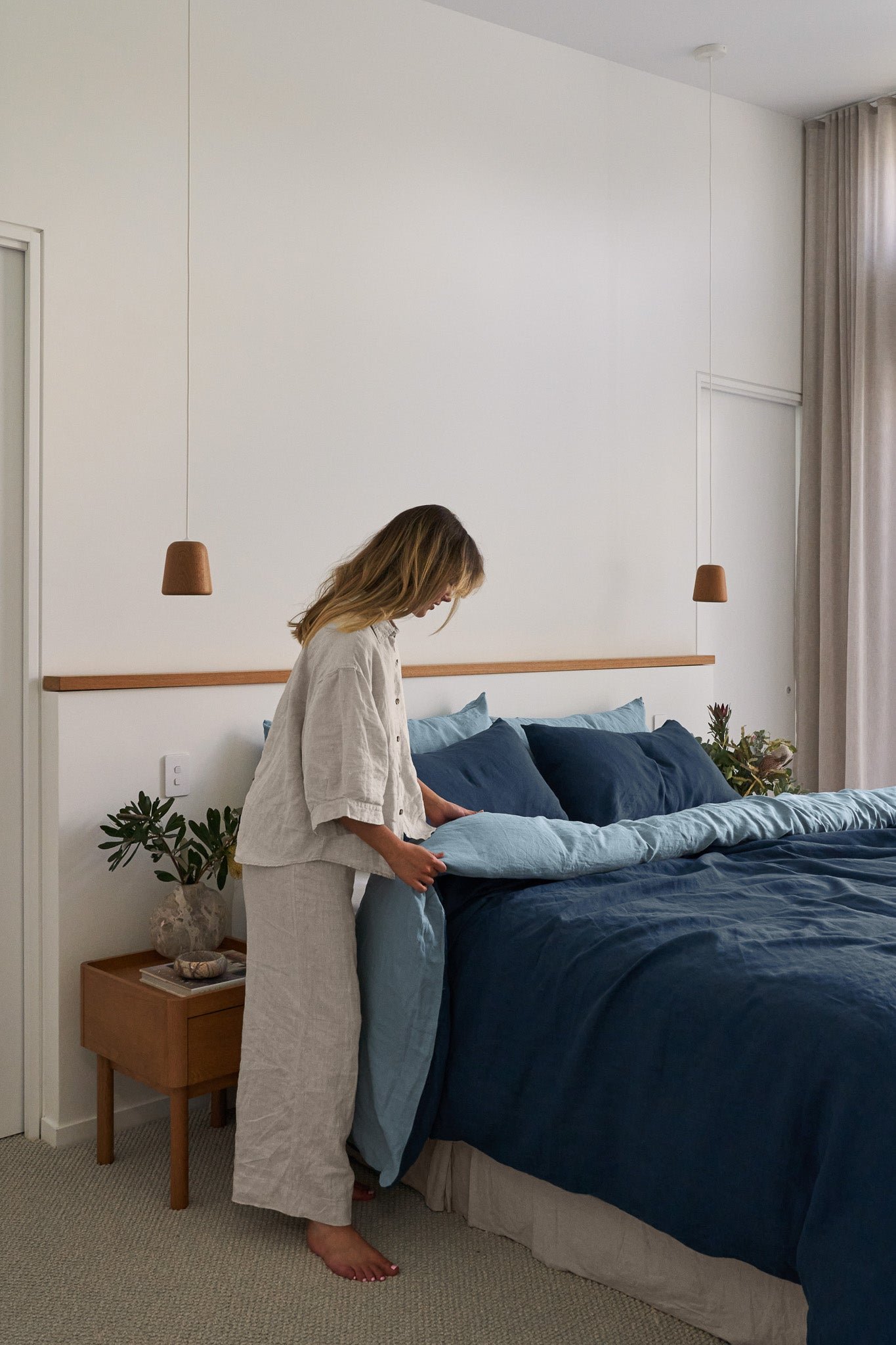
Credit: www.ilovelinen.com.au