
When it’s time to buy a new vacuum cleaner, most people face a big question: should you get an upright vacuum or a canister vacuum? Both types have strong fans, and both offer clear benefits. But choosing the right one depends on your cleaning needs, your home layout, and even your physical comfort. In this guide, you’ll discover how upright and canister vacuums really compare, how they fit into daily life, and what you should know before you pick one. You’ll find real examples, practical tips, and some surprising facts that most first-time buyers miss.
What Are Upright And Canister Vacuums?
Before you compare, it helps to understand what makes each type unique.
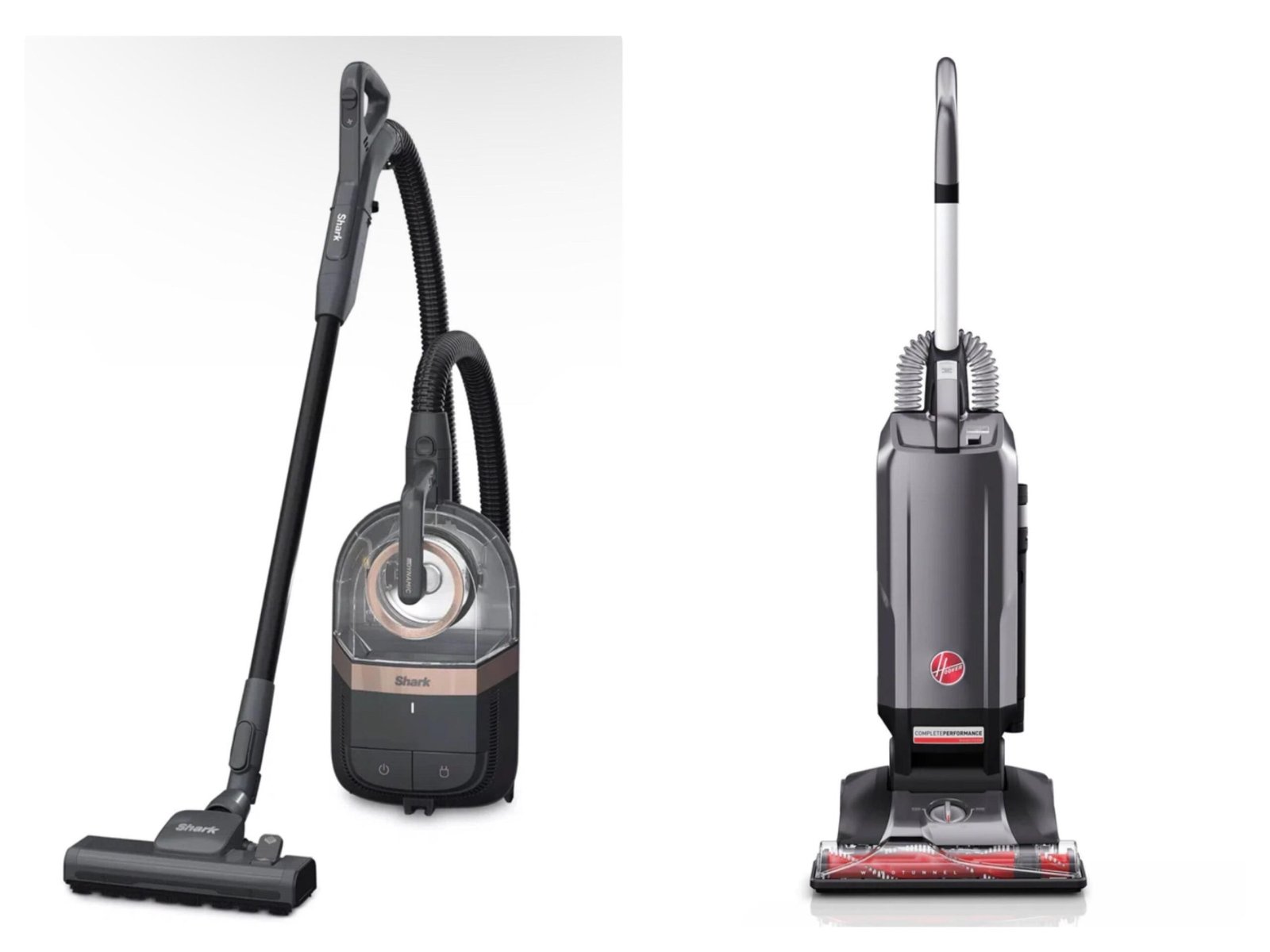
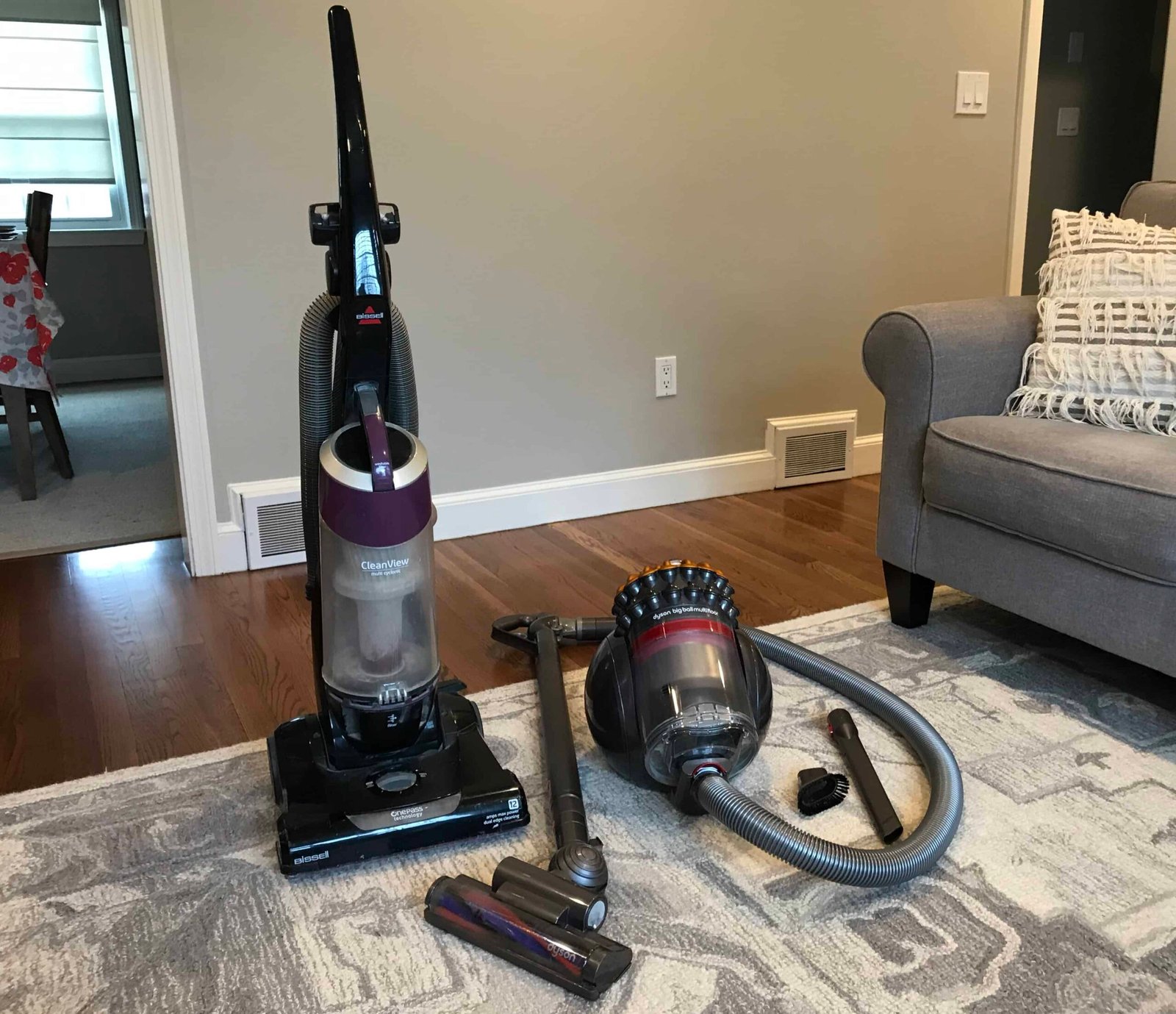
Upright vacuums have the motor, dustbin, and brush all in a single unit. You push the whole machine in front of you, usually with a handle at the top. These are common in the US and UK, and many people recognize them from hotels or big homes.
Canister vacuums have a separate canister that holds the motor and dustbin, connected to a long hose and a wand. You pull the canister behind you as you clean with the hose and wand. These are often seen in Europe and Asia, but their popularity is growing everywhere.
Both types have corded and cordless models, bagged and bagless versions, and a range of prices.
Cleaning Performance
Which vacuum cleans better? It depends on what and where you’re cleaning.
Upright Vacuums
Upright vacuums are famous for their deep-cleaning power on carpets. The brush roll, which spins fast under the main unit, lifts dirt, pet hair, and even sand from thick carpet fibers. In many tests, uprights remove over 75% of embedded dirt in one or two passes.
They are also good for large, open areas. The wide cleaning head helps you cover rooms quickly. Some uprights switch easily between carpet and hard floor modes, but others need you to turn off the brush roll or adjust the height.
Canister Vacuums
Canister vacuums shine on hard floors and above-floor surfaces like stairs, curtains, and furniture. The separate hose and wand let you reach tight spots, corners, and under furniture without moving heavy parts.
Many canisters have strong suction, sometimes more than uprights of the same price. In tests, canisters often pick up 90% or more of fine dust on tile and wood floors. They’re also less likely to scatter debris.
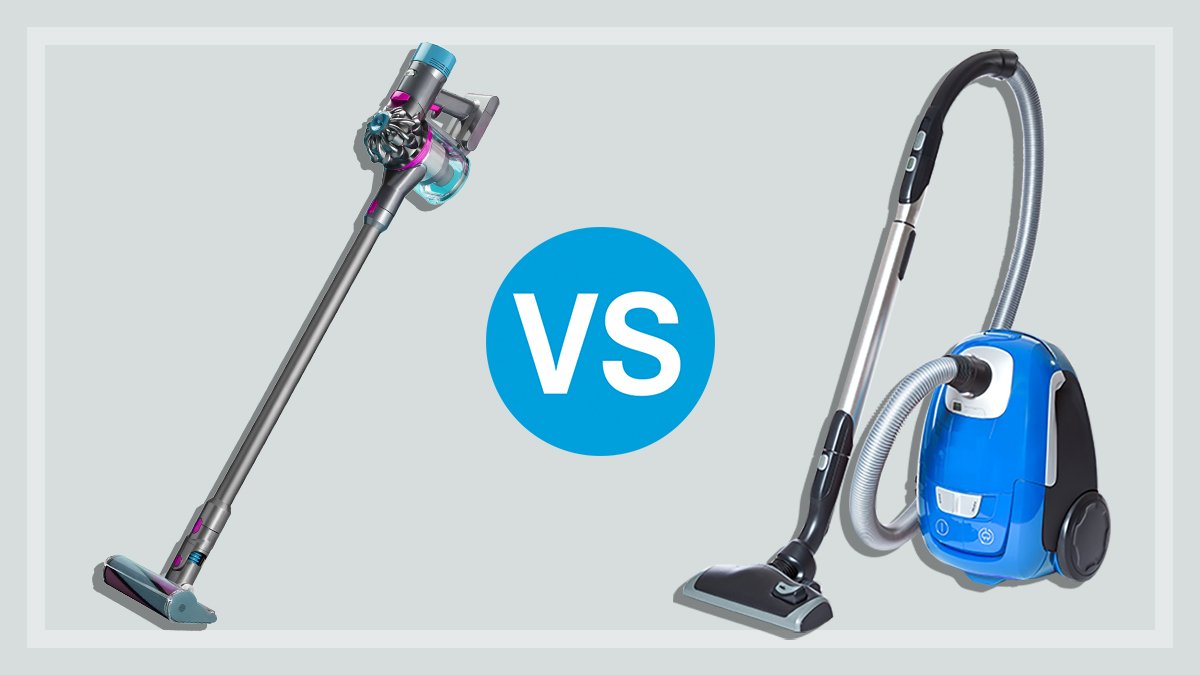
Non-obvious insight: While many think uprights are always stronger, some high-end canisters actually outperform them in raw suction, especially on hard floors.
Credit: www.choice.com.au
Maneuverability And Ease Of Use
How easy is it to use each vacuum in daily life?
Upright Vacuums
Uprights can feel heavy, especially if you have stairs. The average upright weighs 13 to 18 pounds (6 to 8 kg), and you must push and pull the full weight as you clean.
Turning around furniture can be tricky, since the cleaning head is wide and the body is bulky. However, some newer uprights have swivel steering that makes movement smoother.
Uprights are simple to store, as they stand upright in a closet or corner.
Canister Vacuums
Canisters are usually lighter to move, since you only hold the hose and wand. The main canister, which holds the motor and dustbin, rolls behind you on wheels. The canister itself can weigh 8 to 15 pounds (3.5 to 7 kg), but you rarely lift it except on stairs.
Non-obvious insight: Canisters are often much easier for cleaning stairs, car interiors, or under beds and sofas. You don’t need to lift the whole vacuum—just the hose and wand.
However, pulling the canister around can be awkward in small rooms, and storing a canister vacuum takes more space since the hose doesn’t always attach neatly to the body.
Here’s a quick comparison:
| Feature | Upright Vacuum | Canister Vacuum |
|---|---|---|
| Weight in Use | Heavier to push | Lighter (just wand and hose) |
| Stairs Cleaning | Challenging | Easy |
| Storage | Stands up, easy | Requires more space |
Suitability For Different Surfaces
Homes have a mix of floors—carpet, rugs, hardwood, tile. Which vacuum fits which surface best?
Carpets
Uprights are often the first choice for homes with lots of carpet. Their motorized brush roll digs deep into fibers. Many uprights let you adjust the brush height for different carpet thicknesses.
Canister vacuums can handle carpets, too, especially if they come with a powered floor head. But cheaper canisters may struggle with thick carpets unless they have a turbo or motorized brush.
Hard Floors
Canisters excel here. Their floor heads can glide over tile, wood, or laminate, picking up fine dust and debris. Upright vacuums without a brush roll shut-off might scatter dirt on hard floors.
Rugs And Delicate Surfaces
Canisters are less likely to damage delicate rugs or scratch floors, since you can choose a soft-bristle attachment. Uprights can be too rough unless you adjust the settings.
Attachments And Versatility
Attachments matter if you want to clean more than just floors.
Upright Vacuums
Most uprights come with a hose and a few tools—like a crevice tool or upholstery brush—stored on the vacuum itself. The hose is usually shorter than on a canister, and sometimes stiff.
Switching from floor cleaning to above-floor cleaning can be slow, as you need to detach or change parts.
Canister Vacuums
Canisters are built for versatility. They nearly always include a long hose, a telescoping wand, and several tools for dusting, upholstery, and crevices. Many canisters let you switch from floor to furniture cleaning instantly.
Some high-end canisters have special filters for allergies, or even motorized brush heads for pet hair.
| Type | Tool Variety | Tool Storage |
|---|---|---|
| Upright | Few basic tools | On-board |
| Canister | Many specialized tools | In canister or bag |
Practical tip: If your home has shelves, ceiling fans, or lots of furniture, canisters’ extra tools make cleaning faster and easier.
Noise And Maintenance
Noise and maintenance can affect your comfort and the vacuum’s life.
Noise Levels
Upright vacuums tend to be louder, with noise levels around 75–85 dB (similar to a busy street). That’s because the motor is close to you and not insulated much.
Canisters are often quieter—some run at 65–75 dB—thanks to their design. The motor is in a separate, insulated canister, away from your ears.
Maintenance
Both types need regular filter cleaning and bag or bin emptying. Uprights sometimes need the brush roll cleared of hair and threads. Canisters may need you to check the hose for blockages.
Bagged models (in both types) trap dust better and are great for allergy sufferers, but you’ll buy replacement bags. Bagless models save money but need you to clean filters more often.
Credit: www.reddit.com
Cost And Value
Price matters, but so does value over time.
Upright Vacuums
You’ll find basic uprights starting near $70–$100, with high-end models reaching $400 or more. They tend to last 5–8 years with normal use.
Uprights often have lower upfront costs, but bagless models may need more frequent maintenance.
Canister Vacuums
Canisters start around $100–$150, but top models can cost $600 or more. They’re often built with better materials and can last 10 years or longer if maintained well.
Replacement bags and filters can add to the long-term cost, but canisters are less likely to break if you pull them gently and clean the hose.
Non-obvious insight: Some canister models are more expensive, but their parts (like hoses and brushes) are easier to replace, which can save money after a few years.
Common Mistakes When Choosing
- Buying for power, not fit: Many buyers pick the vacuum with the most power, but ignore how it fits their rooms or lifestyle. For example, a huge upright isn’t helpful in a tiny apartment.
- Ignoring weight: Especially if you have stairs, weight makes a big difference. Test in-store if possible.
- Not checking attachments: Make sure the vacuum has tools for your specific needs—like pet hair, allergies, or car cleaning.
- Overlooking maintenance: A vacuum is only good if you can keep it running. Check bag cost, filter cleaning, and part availability.
Credit: prudentreviews.com
Which Should You Choose?
Choosing between an upright and canister vacuum isn’t just about features. Think about:
- Your home’s flooring (mostly carpet vs. mostly hard floor)
- Stairs and tight spaces
- Allergies and pets
- Storage space
- Physical strength and comfort
Uprights are best for large, carpeted areas where you want quick, deep cleaning. Canisters are better for homes with mixed floors, stairs, and people who need lighter handling or more cleaning tools.
For a side-by-side look, consider this:
| Factor | Upright | Canister |
|---|---|---|
| Best for | Carpets, large rooms | Hard floors, stairs, variety |
| Weight in hand | Heavier | Lighter |
| Noise | Louder | Quieter |
| Attachments | Basic | Many |
| Maintenance | Simpler | More parts |
| Storage | Easy | Needs space |
| Average price | Lower | Higher |
Frequently Asked Questions
Which Vacuum Is Better For Pet Hair?
Both can work, but upright vacuums with a strong brush roll often pick up more pet hair from carpets. For homes with pets and hard floors, choose a canister vacuum with a motorized brush tool. The right attachments are key.
Are Canister Vacuums Harder To Store?
Yes, canister vacuums usually take up more space because of the hose and wand. Some have clever storage clips, but if you have a small closet, an upright may be easier to fit.
Do Upright Vacuums Always Have More Suction?
Not always. While uprights are powerful, some canister vacuums have higher suction, especially for fine dust and hard floors. Check the specifications, not just the style.
Which Type Is Quieter?
Canister vacuums are generally quieter than uprights. Their motor is insulated in the canister, reducing noise levels by up to 10–15 decibels.
Are Bagged Or Bagless Vacuums Better For Allergies?
Bagged vacuums—upright or canister—are best for people with allergies. They seal dust inside. Bagless models release more dust when you empty them. For more on allergy filters, see this CDC guide.
Making the best choice means thinking about your real cleaning life, not just the numbers on a box. Both upright and canister vacuums have loyal fans, and both can keep your home clean if you match the right features to your needs.
Don’t rush—test if you can, and always check the fine print about attachments, filters, and warranty. That way, you’ll enjoy easier cleaning for years to come.
