
A good night’s sleep is something everyone wants. The right blanket can make a big difference in how well you rest. Recently, many people are talking about Sherpa blankets and asking if they are a good choice for sleeping. These blankets are popular for their soft, fluffy feel, but there’s more to consider before you use one every night. Let’s look closely at what makes a Sherpa blanket special, its pros and cons for sleep, and what you should know before choosing one for your bed.
What Is A Sherpa Blanket?
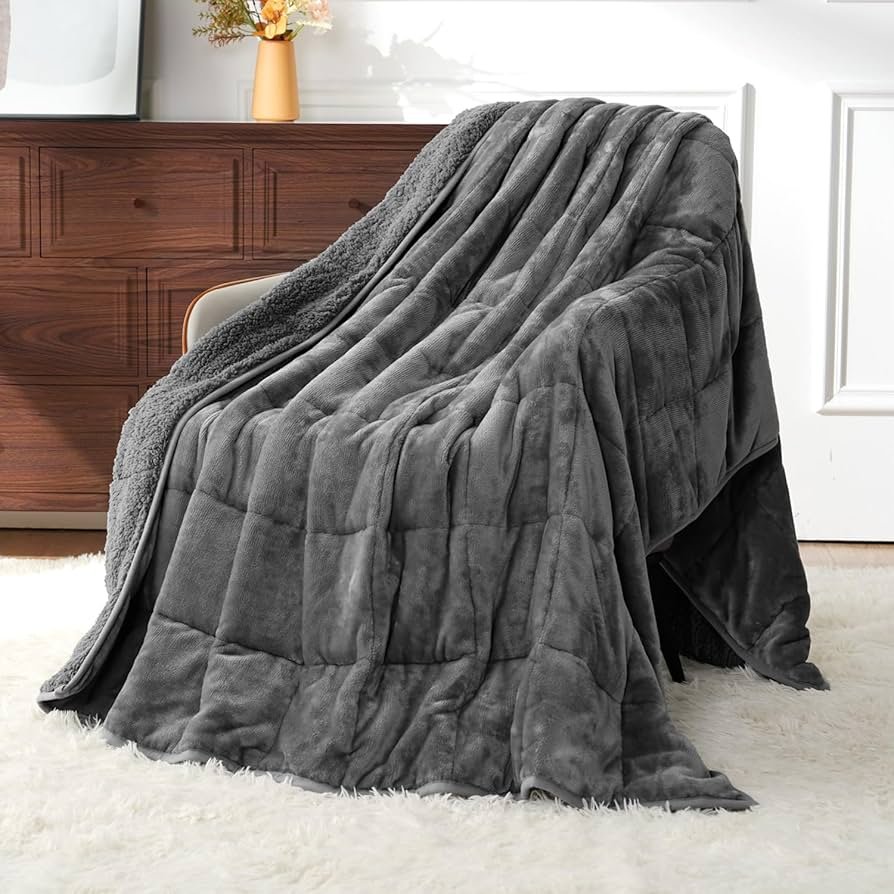
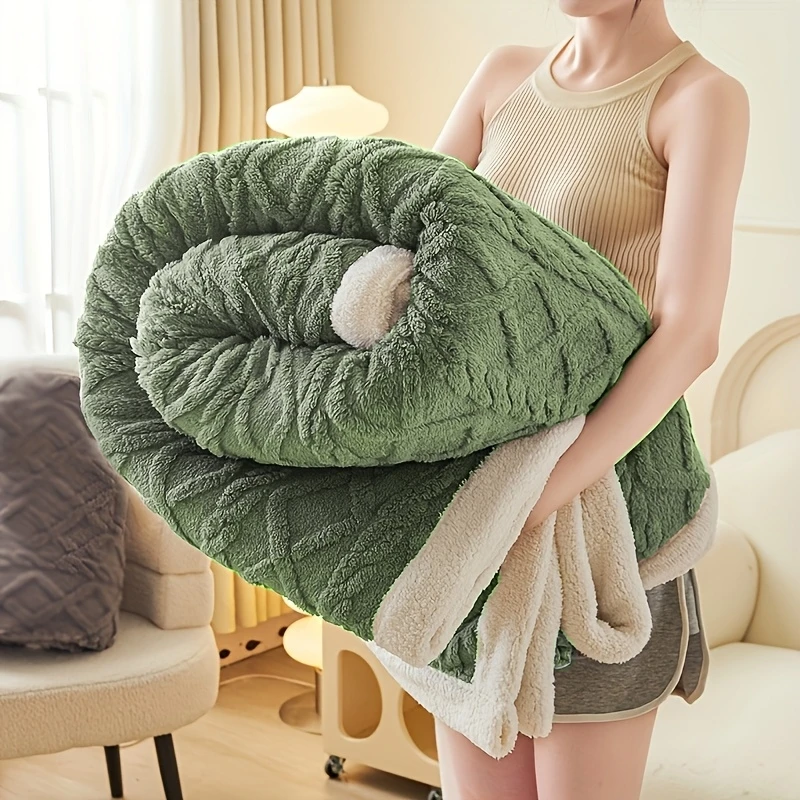
A Sherpa blanket is a type of blanket with a unique texture. One side usually looks like wool or fleece—soft, thick, and fluffy. The other side is often smoother, sometimes made from materials like microfiber or polyester. The name “Sherpa” comes from the Sherpa people in Nepal, known for their warm, wool-lined clothing. However, most Sherpa blankets are made from synthetic fabrics, not real wool.
Sherpa blankets are designed to feel warm and cozy. The fluffy side mimics the texture of sheep’s wool, but it is usually lighter and easier to care for. These blankets have become popular for their comfort, especially in cold weather.
Key Features Of Sherpa Blankets
To understand if a Sherpa blanket is good for sleeping, you need to know what makes these blankets different from other types.
Softness
Sherpa blankets are famous for their ultra-soft texture. The fluffy side feels gentle against your skin. Many people find this comforting, especially when trying to relax or fall asleep.
Warmth
These blankets are designed to trap heat. The thick, fleece-like layer creates a pocket of warm air next to your body. This makes Sherpa blankets a favorite for winter or for people who get cold easily at night.
Lightweight
Even though they look thick, Sherpa blankets are not very heavy. This is because the fabric is fluffy, not dense. You get warmth without the weight of a heavy blanket.
Easy Care
Most Sherpa blankets are machine-washable. They dry quickly and do not shrink like wool or cotton. This makes them practical for everyday use.
Appearance
Sherpa blankets are often used as decorative throws because of their stylish look. They come in many colors and patterns, sometimes with a smooth side made of velvet or microfiber.
Credit: www.amazon.com
Pros Of Sleeping With A Sherpa Blanket
Sherpa blankets have several advantages that can improve your sleep experience.
- Comfort: The soft and fluffy feel can help you relax and fall asleep faster.
- Warmth: Ideal for cold nights, Sherpa blankets keep you warm without feeling heavy.
- Hypoallergenic: Most Sherpa blankets are made from synthetic materials, which are less likely to cause allergies compared to real wool.
- Durability: Synthetic fibers are strong and keep their shape after many washes.
- Affordable: Sherpa blankets usually cost less than pure wool or high-end cotton blankets.
People who like to feel “snuggled up” often choose Sherpa for the gentle pressure and heat it provides.
Cons Of Sleeping With A Sherpa Blanket
Sherpa blankets are not perfect for everyone. Here are some downsides to think about:
- Too Warm for Some: If you get hot at night, a Sherpa blanket may cause you to sweat. They are best for cool rooms or cold weather.
- Possible Static: Synthetic fibers can create static electricity, especially in dry air.
- Not Very Breathable: Sherpa fabric does not allow as much airflow as cotton or bamboo. This can lead to overheating.
- Pilling: Over time, the fluffy side can develop small balls of fiber (pilling), which can make the blanket look worn.
- Not Good for Sensitive Skin: Some people with very sensitive skin may find the synthetic fibers itchy, although this is rare.
How Sherpa Blankets Compare To Other Blanket Types
It helps to compare Sherpa blankets to other popular choices. The table below highlights the main differences:
| Blanket Type | Warmth | Weight | Breathability | Care |
|---|---|---|---|---|
| Sherpa | High | Light | Low | Easy |
| Cotton | Medium | Medium | High | Easy |
| Wool | Very High | Heavy | Medium | Special |
| Fleece | High | Light | Medium | Easy |
From this table, you can see that Sherpa is one of the warmest options, but it is less breathable than cotton. Wool is warmer but harder to wash. Fleece is similar to Sherpa but usually less fluffy.
Who Should Use A Sherpa Blanket For Sleeping?
Sherpa blankets are best for certain groups of people:
- Cold sleepers: If you often feel cold at night or live in a chilly place, Sherpa is a good choice.
- People who want a soft feel: The gentle texture helps you relax.
- Anyone who needs a low-maintenance blanket: If you want something easy to wash, Sherpa is practical.
- Budget shoppers: You get a “luxury” feel without a high price.
Sherpa blankets are especially popular with children and older adults who need extra warmth.
Who Might Want To Avoid Sherpa Blankets?
Sherpa blankets are not right for everyone:
- Hot sleepers: If you sweat at night or live in a warm area, Sherpa may be uncomfortable.
- People with sensitive skin: Rarely, the synthetic fibers can irritate the skin.
- Anyone who wants a cooling blanket: Sherpa is not designed to keep you cool.
If you share a bed, consider if your partner has different temperature needs. In that case, using separate blankets might help.
How To Use A Sherpa Blanket For Better Sleep
If you decide to try a Sherpa blanket, here are some tips for the best experience:
- Layering: Use the Sherpa blanket as a top layer. This lets you remove it easily if you get too hot.
- Room Temperature: Sherpa works best in rooms below 68°F (20°C). In warmer rooms, it may be too much.
- Washing: Wash the blanket on a gentle cycle with cold water. Avoid high heat when drying to keep the fibers soft.
- Pairing: Use cotton sheets underneath. This adds breathability and reduces the risk of overheating.
- Rotation: In summer, switch to a lighter blanket to avoid sweating.
Credit: www.aliexpress.com
Real User Experiences
Many people love their Sherpa blankets, but opinions are not all the same. Here are some real examples:
- Maria, 35, Canada: “I get cold easily, and my Sherpa throw is perfect for winter. It helps me sleep faster because it’s so cozy.”
- Alex, 28, Texas: “I liked the softness, but after an hour I felt too warm. I now use it only in the living room.”
- Sam, 60, UK: “Washing is easy, and it still looks new after a year. It’s my favorite for cold nights.”
Most people who enjoy Sherpa blankets use them in cold weather or as an extra layer. Very few report allergic reactions, but overheating is a common issue if the room is warm.
Common Mistakes When Using A Sherpa Blanket
Avoid these mistakes to get the most out of your Sherpa blanket:
- Using in hot weather: Sherpa is not meant for summer or warm rooms.
- Washing with high heat: This can damage the fibers and make the blanket rough.
- Not checking materials: Some cheap Sherpa blankets use low-quality fibers that feel scratchy.
- Not layering: Using only a Sherpa blanket can cause sweating. Layering helps you adjust your comfort.
Sherpa Blanket Maintenance: Practical Guide
Keeping your Sherpa blanket in top shape is easy, but you need to know a few things:
| Step | Details |
|---|---|
| Washing | Use cold water and gentle detergent. Wash alone to avoid lint transfer. |
| Drying | Air dry or tumble dry on low. High heat damages the fluff. |
| Storing | Keep in a dry place. Avoid tight packing to prevent flattening the fibers. |
| Dealing with pilling | Remove pills with a fabric shaver or gently by hand. |
A well-cared-for Sherpa blanket can last several years and stay soft.
Environmental Impact And Alternatives
Most Sherpa blankets are made from polyester, a type of plastic fiber. While this makes them cheap and durable, it is not the most eco-friendly choice. Some brands now offer Sherpa made from recycled fibers. If you care about the environment, look for these options.
Alternatives include:
- Organic cotton blankets: More breathable and biodegradable.
- Bamboo blankets: Soft and eco-friendly, but less warm.
- Wool blankets: Natural, but can be expensive and harder to wash.
For more on eco-friendly fabrics, you can read about sustainable textiles at Wikipedia.
Not-so-obvious Insights About Sherpa Blankets
Many beginners miss these points:
- Sherpa texture can change over time: The fluffy look may flatten with use, especially if you sleep directly on it every night. Fluff it by hand to restore the texture.
- Not all Sherpa is the same: Quality varies. Some are thick and plush; others are thin and lose warmth quickly. Always check the weight (GSM) and reviews before buying.
- Sherpa can attract pet hair: If you have pets, be ready to clean the blanket often, as the fibers hold onto fur.
Frequently Asked Questions
What Makes A Sherpa Blanket Different From Regular Fleece?
Sherpa blankets have a wool-like, fluffy side and a smoother side, while regular fleece is usually smooth on both sides. Sherpa feels softer and traps more heat, making it warmer than standard fleece.
Can I Use A Sherpa Blanket All Year Round?
Sherpa blankets are best for cold seasons or cool nights. If your room stays warm or you get hot at night, you may find Sherpa uncomfortable during summer.
Are Sherpa Blankets Safe For Babies And Children?
Most Sherpa blankets are safe for older children, but avoid using them with babies under 12 months to prevent overheating and reduce the risk of suffocation. Always follow safe sleep guidelines.
How Do I Keep My Sherpa Blanket Soft After Washing?
Wash with cold water and mild detergent. Avoid fabric softeners, as they can coat the fibers. Dry on low heat or air dry for best results.
Does A Sherpa Blanket Cause Allergies?
Sherpa blankets are usually hypoallergenic since they’re made from synthetic fibers. However, people with sensitive skin may rarely react to certain dyes or finishes used in the fabric.
Sherpa blankets can be a wonderful addition to your sleep routine if you love warmth and softness. They are easy to care for, look stylish, and offer great comfort. But they are not for everyone—hot sleepers and those who prefer breathable fabrics may want to look elsewhere.
If you choose the right Sherpa blanket, care for it well, and use it in the right conditions, it can help you enjoy restful, cozy nights for years to come.
Credit: www.walmart.com