
If you spend hours working at a desk, you know how your back can feel at the end of the day. A stiff, sore, or tired back is a common problem for office workers. One simple change can make a big difference: using a lumbar support pillow for your office chair. This guide will show you why lumbar support matters, how to choose the right pillow, and how to use it for the best results. Many people miss key details when buying or using lumbar pillows—let’s clear up confusion and help you feel better at work.
Why Lumbar Support Matters
Your lower back, called the lumbar spine, naturally curves inward. When you sit for a long time, this curve can flatten, putting stress on your spine, discs, and muscles. Poor support can cause:
- Low back pain
- Muscle stiffness
- Poor posture
- Fatigue
Research shows that about 80% of adults experience back pain at some point in their lives, and office workers are at higher risk. By keeping your back’s natural curve, a lumbar support pillow can reduce pain, improve posture, and even boost your focus at work.
How Lumbar Support Pillows Work
A lumbar support pillow fills the gap between your lower back and the chair. This keeps your spine in a healthy position. The main ways these pillows help:
- Support the spine’s natural curve—Prevents slouching.
- Distribute weight evenly—Reduces pressure on discs and muscles.
- Promote good posture—Helps you sit upright without effort.
A good lumbar pillow is not just about comfort. It can help prevent long-term back problems and make each workday less tiring.
Types Of Lumbar Support Pillows
Choosing the right pillow starts with knowing the main types. Each style suits different needs and chairs.
| Type | Main Feature | Best For |
|---|---|---|
| Memory Foam | Adapts to back shape | People needing custom fit |
| Mesh Support | Breathable, lightweight | Hot climates, sweaty users |
| Adjustable Strap | Stays in place | Active sitters, shifting positions |
| Inflatable | Customizable firmness | Travel, changing needs |
Memory foam offers the most support, while mesh options are cooler. Inflatable pillows are best for people on the go.
Key Features To Look For
Not all lumbar pillows are equal. Here’s what really matters when choosing one:
1. Firmness And Support
A pillow that’s too soft will flatten quickly. Too hard may feel uncomfortable. Most people prefer medium-firm support. If you are heavier, choose a firmer option.
2. Size And Shape
The pillow should fit your chair and your back. A too-large pillow may push you forward; too small won’t support enough. Many people overlook this and end up uncomfortable.
3. Adjustable Straps
Elastic straps keep the pillow in place. Without these, the pillow may slip or move every time you adjust your position.
4. Breathable Cover
Look for a removable, washable cover—especially if you work long hours or live in a warm place.
5. Material Quality
High-density memory foam lasts longer and holds its shape. Cheap foam flattens within months.
6. Portability
If you move between workspaces or travel, a lightweight or inflatable pillow is useful.
How To Use A Lumbar Support Pillow Correctly
Buying the right pillow is only half the solution. Many people use it incorrectly and see little benefit.
Proper Placement
- Place the pillow at the small of your back, just above your belt line.
- Sit fully back in your chair, with your buttocks and shoulders touching the backrest.
- The pillow should fill the space between your lower back and the chair, not push you forward.
Adjusting Chair And Desk
- Adjust your chair height so your feet are flat on the floor.
- Make sure your knees are at a 90-degree angle.
- Your monitor should be at eye level, so you don’t have to lean forward.
Consistency
Use the pillow every time you sit. It may feel strange at first, but after a few days, you’ll notice less fatigue and better posture.
Pro tip: Don’t over-tighten straps. The pillow should support, not force your back into an unnatural arch.
Common Mistakes When Using Lumbar Support
Even with a good pillow, mistakes can reduce benefits:
- Placing the pillow too high or low—Misses the lumbar curve.
- Using a pillow that’s too thick—Can push you forward, causing more discomfort.
- Not adjusting chair height—Poor leg position adds strain.
- Ignoring posture—A pillow helps, but you still need to sit upright.

Credit: dumin.org
Comparing Top Lumbar Support Pillows
To help you decide, here’s a quick comparison of popular options:
| Brand | Material | Adjustable Straps | Price Range |
|---|---|---|---|
| Everlasting Comfort | Memory Foam | Yes | $$ |
| LoveHome | Memory Foam | Yes | $$ |
| Samsonite Mesh | Mesh/Foam | Yes | $ |
| ObusForme | Memory Foam | No | $$$ |
| Travelon Inflatable | Inflatable | No | $ |
Note: Prices vary by country and store, but you usually get better durability at the mid-range ($$) level.
Real-world Benefits: What Users Say
Many office workers report less pain after using a lumbar pillow for several weeks. In a 2022 survey, 67% of users with chronic back pain noticed improvement within one month. Others report:
- Better focus during work hours
- Less need for painkillers
- Improved mood due to less discomfort
But remember, a pillow is not a cure-all. Combine it with good posture, breaks, and exercise for best results.
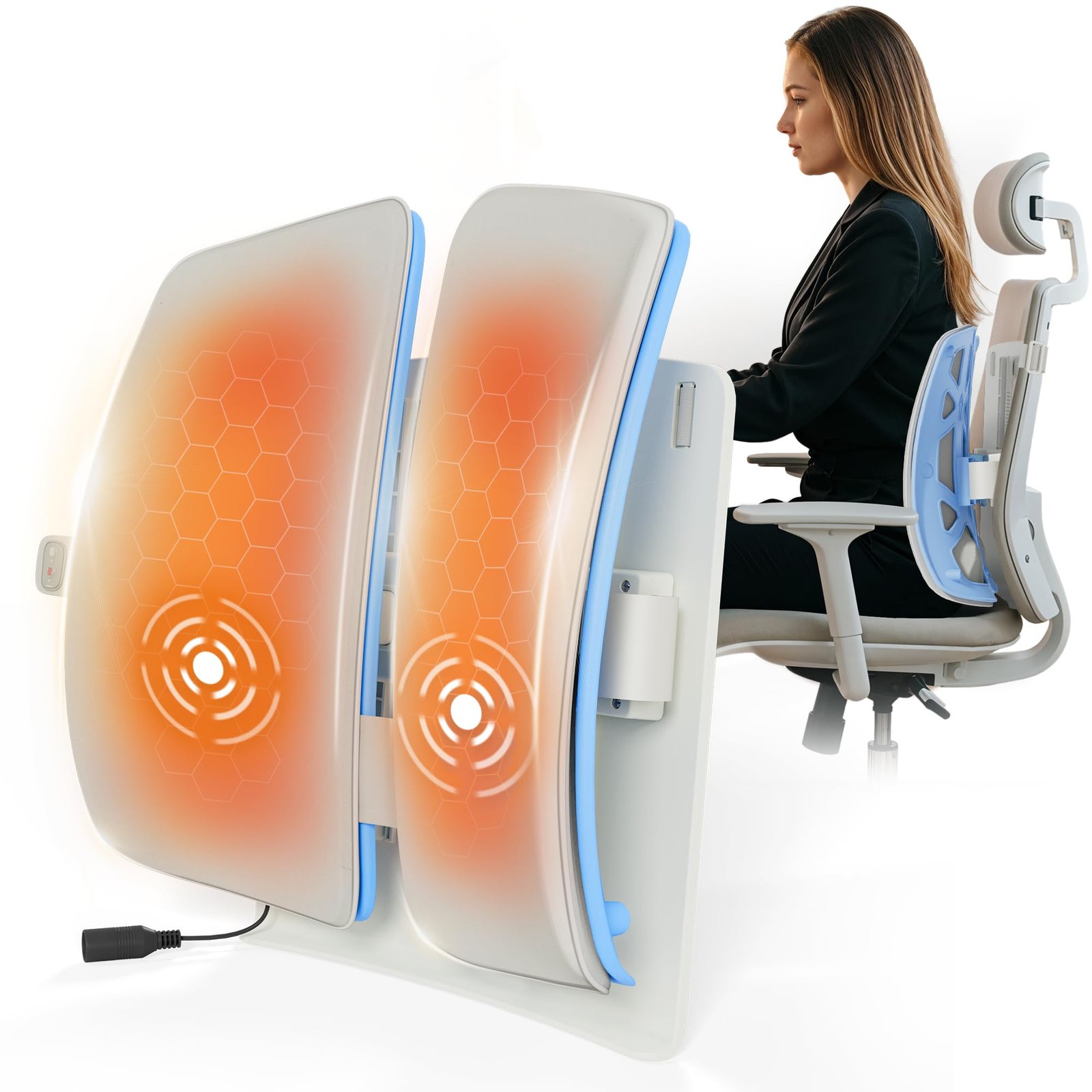
Credit: www.amazon.com
How To Clean And Maintain Your Pillow
To keep your lumbar pillow fresh and supportive:
- Remove and wash the cover every 1–2 weeks.
- For memory foam, spot clean only (never soak).
- Let the pillow air out if it gets damp.
- Replace the pillow if it flattens or loses shape—usually every 1–2 years.
Tip: Some covers are not machine-washable—check the label before washing.
Who Should Use A Lumbar Support Pillow?
These pillows are helpful for:
- Office workers with long sitting hours
- People with low back pain
- Gamers or students who sit for long periods
- Drivers (some pillows are car-friendly)
- Pregnant women (to relieve extra back pressure)
However, people with severe spinal problems should check with a doctor before use.
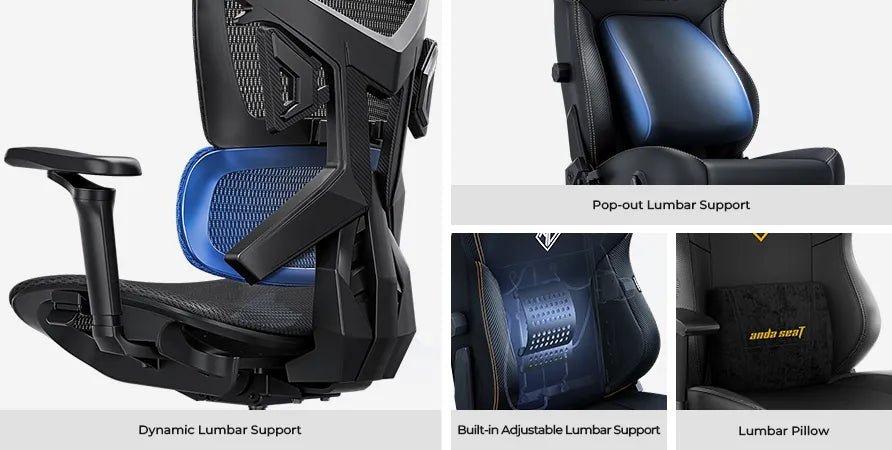
Credit: www.andaseat.com
When A Lumbar Pillow May Not Be Enough
Sometimes, a lumbar support pillow can’t fix all back issues. If you have:
- Numbness, tingling, or severe pain
- Diagnosed spinal conditions
- Chronic injuries
You should see a medical professional. A lumbar pillow can help mild to moderate discomfort, but not every problem.
Frequently Asked Questions
What Is The Best Material For A Lumbar Support Pillow?
Memory foam is the most popular material because it adapts to your back and offers strong support. Mesh is a good choice for people who get hot or sweat easily, as it allows more air flow.
How Thick Should A Lumbar Support Pillow Be?
Most people do well with a pillow that is 2 to 4 inches thick. Too thick can push you forward; too thin may not support enough. If possible, try before buying, or choose an adjustable or inflatable model.
Can I Use A Lumbar Pillow With Any Chair?
Most lumbar pillows fit standard office chairs, but not all work with bucket seats or odd-shaped backs. Check the pillow’s size and whether it comes with adjustable straps to secure it in place.
Is A Lumbar Pillow Better Than An Ergonomic Chair?
An ergonomic chair is best for full-body support, but a lumbar pillow is a cost-effective upgrade if you can’t change your chair. For many, combining both gives the best results.
Where Can I Find More Information About Back Health And Ergonomics?
You can find detailed advice from the Mayo Clinic, a respected source on health and ergonomics.
Final Thoughts
A lumbar support pillow can transform how you feel at work. It’s a simple tool that supports your spine, reduces pain, and helps you focus. Remember to choose a pillow that fits your body and chair, use it correctly, and care for it regularly. Small changes like this can add up to big improvements in your comfort and health over time. If back pain is a daily problem, don’t wait—your future self will thank you for making this smart investment.
