
Reducing plastic use in our daily lives is no longer just a trend—it’s a responsibility. One of the biggest sources of household plastic waste is food storage. From cling film to resealable bags, plastic is almost everywhere in the kitchen.
Yet, many people feel confused about where to start and what alternatives are truly safe and practical. If you want to cut down plastic in your food storage routine, the good news is there are many easy swaps and habits that make a real difference.
You don’t need to change everything overnight. Small, consistent steps can lead to big results for your health and the planet.
Why Reducing Plastic In Food Storage Matters
Plastic is convenient, but it comes at a cost. Each year, the world produces over 300 million tons of plastic, and half of it is designed for single use. In kitchens, plastic wraps, bags, and containers often end up in landfills or oceans, where they take hundreds of years to break down. Even worse, when plastic breaks into tiny pieces (microplastics), it can enter our food and water. Studies have found microplastics in salt, seafood, and even drinking water.
Some plastics also contain chemicals like BPA and phthalates, which can leak into food—especially when heated. These chemicals may affect hormones and health, according to research. Reducing plastic isn’t just about waste; it’s also about keeping your food safer.
Understanding The Different Types Of Food Storage Plastics
Not all plastics are the same. Some are safer than others, but none are perfect. Here’s a quick look at the most common types:
| Plastic Type | Common Use | Safety Concerns |
|---|---|---|
| Polyethylene Terephthalate (PET or #1) | Water bottles, food jars | Single use; not for heat |
| High-Density Polyethylene (HDPE or #2) | Milk jugs, some containers | Safer, but not for high heat |
| Polyvinyl Chloride (PVC or #3) | Cling wrap, squeeze bottles | May contain phthalates |
| Low-Density Polyethylene (LDPE or #4) | Plastic bags, some wraps | Somewhat safer, still disposable |
| Polypropylene (PP or #5) | Yogurt containers, reusable tubs | Safer, but not forever |
| Polystyrene (PS or #6) | Foam trays, takeout boxes | Can leach styrene |
| Other (#7) | Mixed plastics, baby bottles | May contain BPA |
It’s best to avoid types #3, #6, and #7 for food. Even “safer” plastics can degrade over time, especially with heat, scratches, or acidic foods.
Practical Steps To Reduce Plastic In Food Storage
Reducing plastic doesn’t have to be complicated. Here are some easy, effective ways to start:
1. Use Glass Containers
Glass containers are one of the best alternatives for food storage. They don’t react with food, are microwave and oven safe, and last for years. You can store leftovers, meal prep, or even use them for freezing. Look for containers with airtight lids (preferably silicone or stainless steel rather than plastic).
- Example: A set of glass containers can replace dozens of single-use plastic bags over their lifetime.
- Tip: Save glass jars from pasta sauces or jams for storing grains, nuts, or snacks.
2. Switch To Stainless Steel
Stainless steel containers are light, durable, and fully recyclable. They are perfect for dry foods, salads, or lunches. Stainless steel doesn’t absorb odors or stains, making it ideal for repeated use.
- Non-obvious insight: Many people overlook stainless steel for freezer storage. In reality, you can freeze cooked food in steel containers; just leave some space for food to expand.
3. Adopt Silicone Storage Bags
Silicone bags are flexible, reusable, and safe for both the freezer and microwave. They seal tightly, keeping food fresh and preventing leaks. Choose high-quality food-grade silicone for best results.
- Common mistake: Overstuffing silicone bags, which can cause the seal to fail. Fill them only up to the recommended line.
4. Choose Beeswax Wraps
Beeswax wraps are made from cotton coated with beeswax, tree resin, and jojoba oil. You can use them to cover bowls, wrap sandwiches, or keep cheese fresh.
- Practical tip: Warm the wrap in your hands to make it flexible, then mold it over the food or container. Wash with cool water and mild soap to reuse.
5. Use Cloth Covers And Bags
Cloth bowl covers and cotton produce bags are great for short-term storage. They allow air to circulate, which is perfect for bread, fruits, or vegetables.
- Non-obvious insight: Cloth bags can keep produce like onions, garlic, or potatoes fresher for longer by reducing moisture build-up.
6. Switch To Paper Or Cardboard
For items that need wrapping (like sandwiches or dry snacks), use unbleached parchment paper or cardboard boxes. These can often be composted after use.
- Example: Packing a sandwich in parchment paper instead of a plastic bag saves over 180 bags per person per year.
7. Buy In Bulk With Your Own Containers
Buying grains, nuts, and snacks in bulk reduces packaging waste. Many stores now allow you to bring your own containers or bags.
- Common mistake: Forgetting to weigh your container before filling. Always “tare” the weight so you pay only for the food.
8. Avoid Single-use Plastics
Skip products like pre-cut fruits in plastic boxes, single-serve yogurts, or individually wrapped cheese. Instead, buy larger portions and divide them at home into reusable containers.
- Example: A family using family-size yogurt tubs with reusable cups can eliminate over 300 plastic cups a year.
9. Repurpose And Reuse Existing Plastic Containers
If you already own plastic containers, don’t throw them out. Reuse them for as long as possible, but avoid microwaving or storing acidic foods in them.
- Non-obvious insight: Use old plastic containers for non-food storage (like organizing hardware or crafts) when they are no longer safe for food.
10. Label And Organize To Prevent Food Waste
When switching to new containers, use labels to note contents and dates. This reduces forgotten food and waste, which also cuts down the need for more packaging.
- Practical tip: Use a washable marker or a piece of masking tape for easy labeling.
Comparing Common Food Storage Alternatives
It’s useful to see how popular plastic-free options compare for cost, durability, and safety:
| Option | Average Lifespan | Microwave Safe? | Compostable? | Initial Cost |
|---|---|---|---|---|
| Glass containers | 5-10 years | Yes | No | Medium-High |
| Stainless steel | 10+ years | No | No | Medium |
| Silicone bags | 3-5 years | Yes | No | Medium |
| Beeswax wraps | 1-2 years | No | Yes | Low-Medium |
| Cloth bags/covers | 3-5 years | No | Yes | Low |
| Parchment paper | Single use | No | Yes | Low |
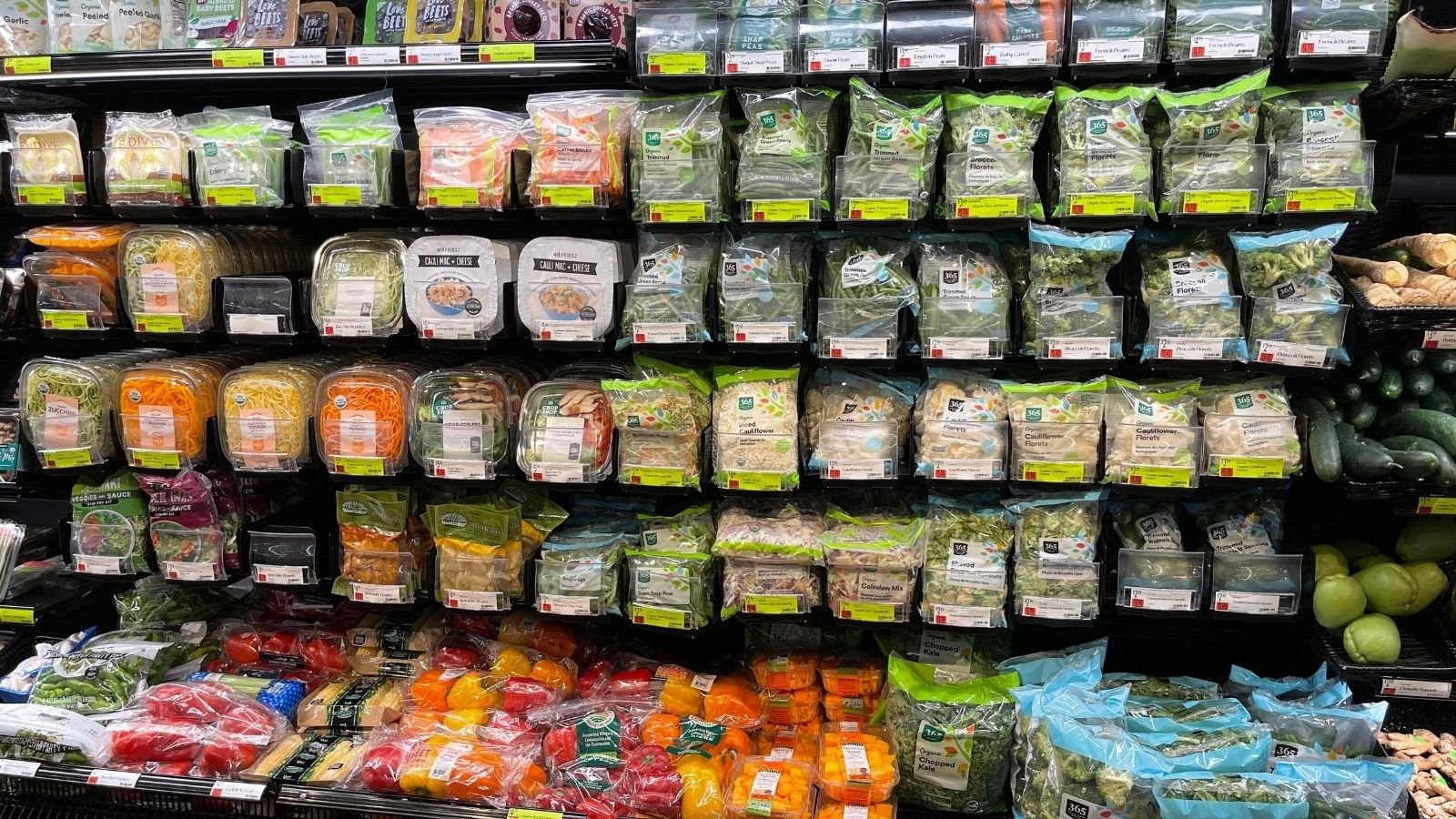
Credit: environmentamerica.org
Smart Habits For Long-term Change
Cutting plastic use is not just about buying new products. Building new habits is key:
- Plan your meals and shop with a list to avoid impulse packaged foods.
- Clean and dry your containers well before storing food to prevent mold.
- Freeze in batches using larger containers to avoid using many small bags.
- Store without lids until food cools down, especially if the lid is plastic.
Small changes, like always carrying a reusable bag or saying no to plastic cutlery, add up over time.
How To Handle Leftovers Without Plastic
Leftovers are a big source of food storage waste. Here’s how to manage them with less plastic:
- Use stackable glass containers for easy storage and reheating.
- Freeze soups or sauces in silicone bags or glass jars (leave space for expansion).
- Cover plates or bowls with a beeswax wrap instead of cling film.
- Portion snacks into stainless steel tins for lunches.
If you need to cover a bowl quickly, a small plate or cloth is a simple solution.
Myths About Plastic-free Food Storage
You might hear some common myths that stop people from switching:
- “Plastic-free is too expensive.”
While the upfront cost is higher, reusable items last much longer than disposables. Over time, you actually save money.
- “You can’t store everything without plastic.”
Most foods can be safely stored using glass, steel, or natural wraps. Only a few things (like long-term freezer storage) need special care.
- “Alternatives don’t keep food fresh.”
When used properly, glass and silicone seal just as well as plastic—sometimes better. For bread and produce, cloth bags work even better by reducing condensation.
Tips For Storing Specific Foods Without Plastic
Different foods have different needs. Here are some specific ideas:
- Bread: Store in a cotton bag, beeswax wrap, or bread box to keep crust crisp but inside soft.
- Cheese: Wrap in beeswax wrap or parchment paper, then place in a container.
- Leafy greens: Wash, dry, and wrap in a damp cloth inside a container.
- Meat/Fish: Use glass or stainless steel for marinating and freezing. For freezing, wrap in parchment and then a reusable bag.
- Nuts and grains: Store in airtight glass jars away from sunlight.
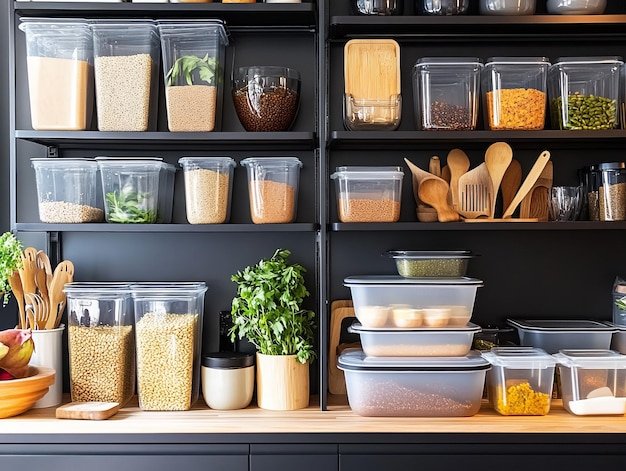
Credit: www.freepik.com
How To Start If You’re On A Budget
You don’t need to buy everything new. Here’s how to start reducing plastic even with limited money:
- Reuse glass jars from food you already buy.
- Sew simple cloth bags or covers from old shirts or sheets.
- Buy a few containers at a time—start with what you use most.
- Swap with friends—many people have extra containers or jars.
- Prioritize: Replace items you use most, like sandwich bags or wraps, first.
Global Impact Of Reducing Plastic In Food Storage
Cutting down plastic in your kitchen might feel small, but if millions do it, the impact grows. According to the Ellen MacArthur Foundation, replacing just 20% of plastic packaging with reusable alternatives could eliminate over 6 million tons of plastic waste every year. Plus, reducing demand for new plastic reduces oil use, greenhouse gases, and pollution.
If you want to learn more about the science behind plastic pollution and sustainable solutions, check out this resource from the Ellen MacArthur Foundation.
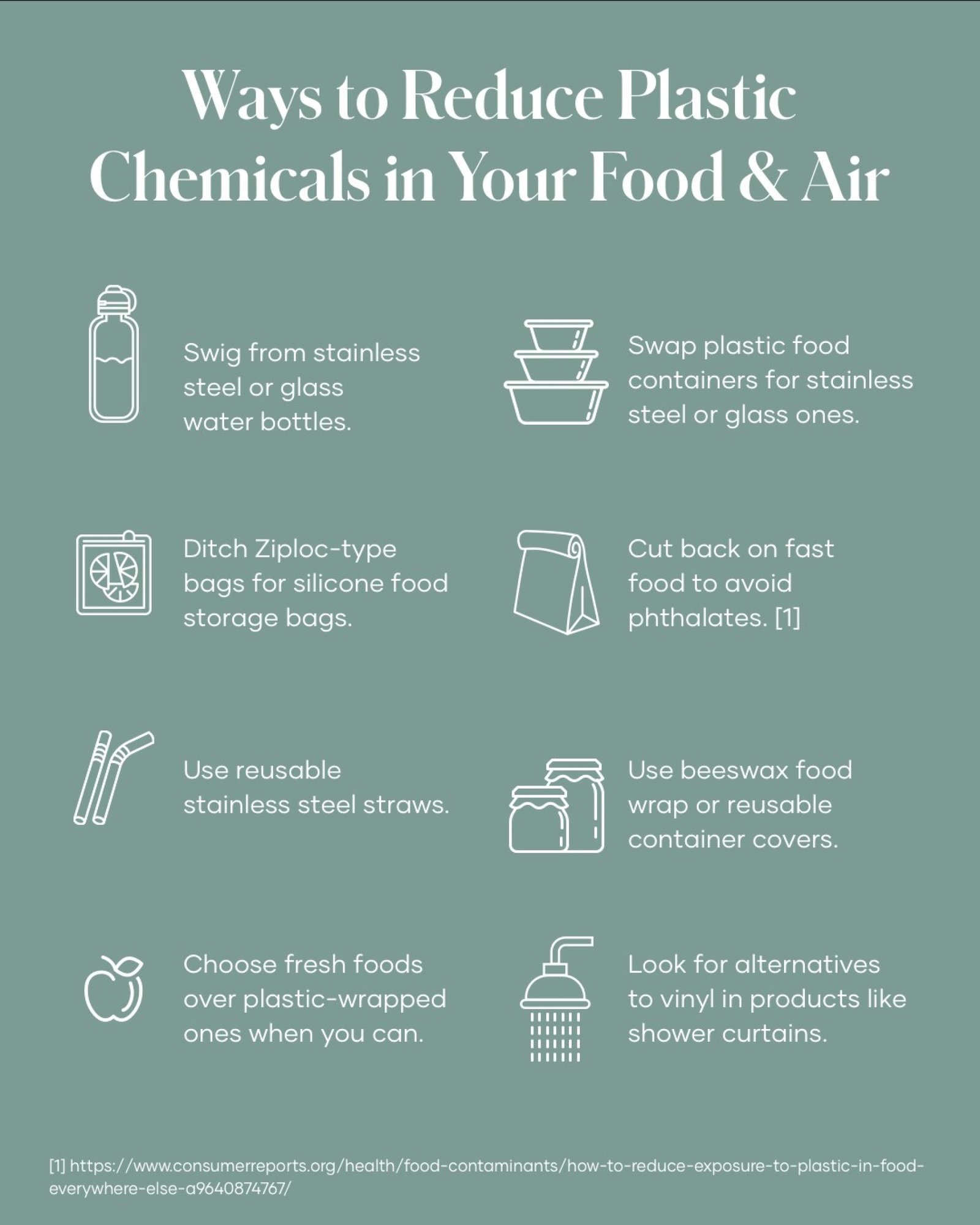
Credit: www.fairfieldiowa.com
Frequently Asked Questions
What Is The Safest Material For Food Storage?
Glass and stainless steel are the safest choices for most foods. They don’t leach chemicals, are easy to clean, and last a long time. For wrapping, beeswax wraps and parchment paper are also safe for many foods.
Can I Use Silicone Bags For Hot Food?
Yes, but only use high-quality, food-grade silicone. Always check the manufacturer’s instructions for temperature limits. Let food cool slightly before sealing to avoid burns or seal failure.
How Do I Clean Beeswax Wraps?
Wash beeswax wraps in cool water with mild soap. Never use hot water or scrub hard, as this can remove the wax. Air-dry before storing.
Are All Plastics Unsafe For Food Storage?
Not all plastics are equally risky, but all can break down over time, especially with heat, scratches, or acidic foods. Types #3, #6, and #7 are best avoided. Even “safe” plastics are better used for cold, dry foods and replaced when worn.
How Can I Freeze Food Without Plastic?
Use glass containers (with space for expansion), silicone bags, or wrap food in parchment paper before placing in a container. Label everything with the date to avoid waste.
Making the switch away from plastic in food storage is not only good for your health and the planet—it’s also easier than you might think. By starting with a few swaps and building better habits, you can reduce waste, save money, and set a positive example for those around you.