
Bringing nature indoors with houseplants is more than just a trend—it’s a way to create a calm, lively space that feels both beautiful and alive. But once you have collected a few (or many!) indoor plants, knowing how to group them for display can be a challenge. The right arrangement helps your plants thrive, shows off their best features, and makes your home look intentional and stylish. Let’s explore the art and science behind grouping indoor plants so that anyone, even a beginner, can create a display that looks impressive and feels easy to maintain.
Why Group Indoor Plants?
Grouping indoor plants is about more than looks. When you group plants together, you can:
- Boost humidity, which most tropical plants love.
- Make watering and care routines more efficient.
- Create a striking focal point in your room.
- Highlight different textures, colors, and shapes.
- Save space, especially in small homes or apartments.
For example, three small plants on a windowsill often look lost. But if you place them together with a medium-sized plant, suddenly the group looks intentional and full. Studies also show that having more greenery in your home can reduce stress and improve air quality—a win-win situation.
Know Your Plant’s Needs First
Before you start arranging, it’s essential to understand what each plant likes. Grouping plants with similar light, water, and humidity needs helps them stay healthy and reduces your workload.
| Plant Name | Light Needs | Watering | Humidity |
|---|---|---|---|
| Snake Plant | Low-Medium | Low | Low |
| Fiddle Leaf Fig | Bright Indirect | Medium | Medium |
| Boston Fern | Indirect | High | High |
| Pothos | Low-Medium | Medium | Medium |
Notice how pairing a Boston Fern with a Snake Plant is not ideal—their needs are very different. Always check plant tags, care guides, or ask at your local nursery if you’re unsure.
Credit: thereadingresidence.com
Choose A Theme Or Style
It helps to decide on a theme before you start grouping. Here are some popular ideas:
- Tropical Jungle: Mix large leafy plants like Monstera, Bird of Paradise, and Ferns. Add trailing vines for a lush look.
- Minimalist: Choose plants with clean lines, like Snake Plants, ZZ plants, or succulents. Use simple pots in neutral colors.
- Desert Vibes: Group cacti and succulents of different heights in sandy-colored pots.
- Colorful Foliage: Combine plants with variegated or colorful leaves, like Calathea, Croton, and Polka Dot Plants.
Choosing a theme gives your group a clear direction and helps you pick matching containers and accessories.
Play With Heights And Sizes
One of the best ways to make your plant display look natural and interesting is by using different heights and sizes. Here’s how you can do this:
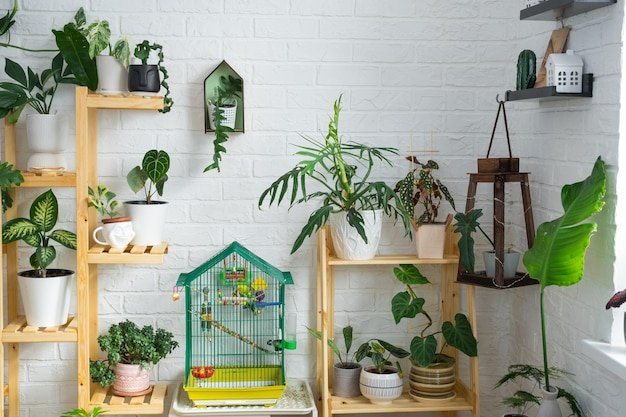
- Place a tall plant (like a Rubber Plant) at the back.
- Add medium plants (like Peace Lily or Pothos) in the middle.
- Put small, trailing, or ground-cover plants (like Baby Tears or String of Pearls) at the front.
If your plants are all similar in size, use plant stands, stacks of books, or sturdy boxes to raise some of them. This creates a layered effect that draws the eye in.
Example Plant Grouping By Height
| Position | Recommended Plant | Why It Works |
|---|---|---|
| Back | Monstera Deliciosa | Large leaves, adds height |
| Middle | Philodendron Brasil | Medium size, lush look |
| Front | Peperomia | Compact, interesting foliage |
Mix Textures And Leaf Shapes
A display with only one type of leaf can look flat. Mixing different leaf textures and shapes adds visual interest. Combine glossy, waxy leaves (like those on a Rubber Plant) with feathery ferns or spiky snake plants. Pair large, broad leaves with small, delicate ones. This contrast makes each plant stand out.
For example, a group featuring a spiky Dracaena, a round-leaf Pilea, and a trailing English Ivy feels dynamic and balanced.
Use Odd Numbers
Designers often use the “rule of threes” (or fives, or sevens) for a reason: odd numbers just look more natural. When grouping plants, try to use three, five, or seven instead of even numbers. Three plants of varying sizes will almost always look better than two or four.
If you only have two plants, try adding a decorative object (like a vase or candle) to make a group of three.
Credit: www.freepik.com
Consider Containers And Pots
Your choice of pots can make or break your display. Here are a few tips:
- Use pots in the same color family for a unified look.
- Mix pot textures (ceramic, terracotta, metal) for more variety.
- Select pots with different heights and shapes.
- Make sure every pot has good drainage so your plants stay healthy.
If you love colorful pots, keep the plants simple. If your plants are the stars, use plain pots that don’t distract.
Place For Light And Function
Even the prettiest group won’t last if it’s in the wrong spot. Check your room’s natural light at different times of day. South-facing windows get the most sun, while north-facing ones are best for low-light plants.
Match your plant group to the light in your space. For example:
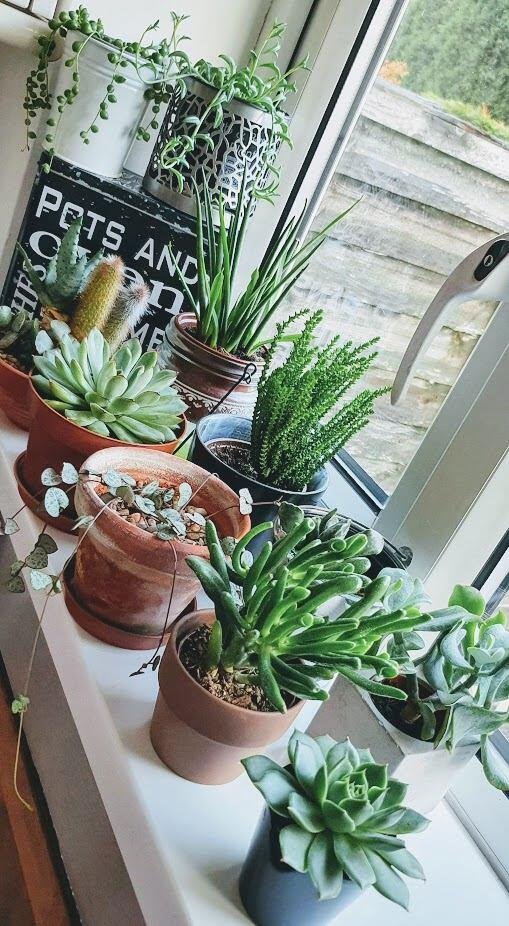
- A group of succulents does well on a bright, sunny windowsill.
- Ferns and Calatheas thrive in shadier corners.
Also, think about function. Don’t block windows or walkways. Make sure you can reach every plant for watering.
Use Vertical Space
If you have a small room, go vertical. Wall shelves, hanging planters, and tall plant stands let you display more plants without using precious floor space. Hanging a trailing plant like String of Hearts above a shelf adds movement and fills empty air.
For a bold look, try a “living wall” with several wall-mounted planters. This creates a green art piece that’s both dramatic and space-saving.
Combine With Decorative Objects
Plants look great alone, but pairing them with objects like books, art, or candles creates a richer story. Place a plant next to a framed photo or a stack of favorite books. Use a pretty tray to group several small plants together.
This helps tie your plant group into the rest of your room’s décor.
Seasonal Swaps And Refreshes
Plants grow, change, and sometimes don’t do well in the same spot year-round. Don’t be afraid to rearrange your groups as seasons change. Move sun-loving plants closer to the window in winter, or rotate displays so each plant gets enough light and air. Seasonal updates keep your display fresh and exciting.
Common Beginner Mistakes (and How To Avoid Them)
It’s easy to make mistakes when grouping indoor plants. Here are some to watch out for:
- Mixing plants with different needs: Always check light, water, and humidity requirements.
- Overcrowding: Give each plant enough space to grow and breathe.
- Ignoring scale: Tiny plants get lost beside very large ones—balance is key.
- Blocking airflow: Plants need good air movement to avoid mold and pests.
- Forgetting drainage: Pots without holes can cause root rot.
A non-obvious tip: Place a small fan nearby (on low setting) to keep air moving around dense plant groups. Also, rotate your plants every few weeks so each side gets light and stays symmetrical.
Credit: www.patchplants.com
How To Arrange Plants In Different Rooms
Let’s look at some practical examples for grouping indoor plants in different spaces.
Living Room
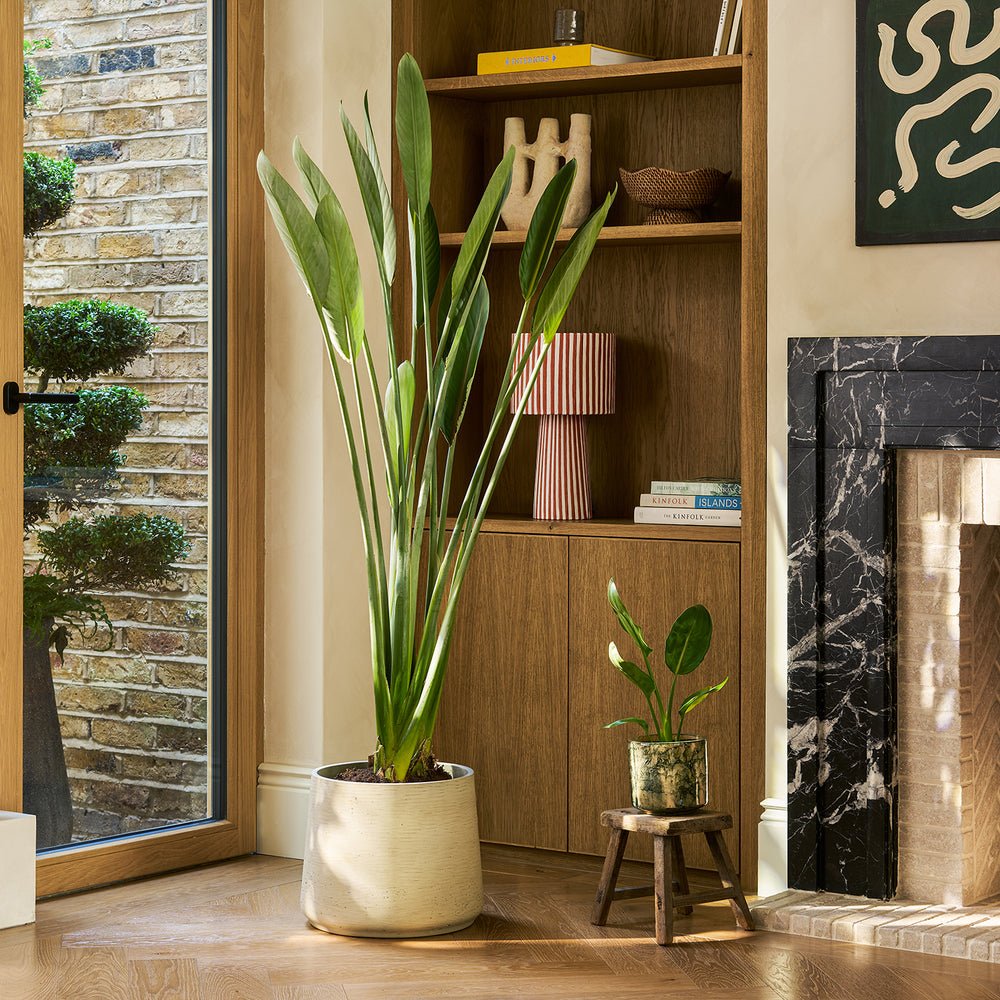
Create a focal point on a coffee table or near a window. Mix a tall statement plant with smaller companions. If you have shelves, alternate plants with books and art for a cozy, lived-in feel.
Bedroom
Choose calming plants like Lavender or Peace Lily. Group two or three on a bedside table in low-light tolerant pots. Avoid plants with strong scents if you have allergies.
Kitchen
Use herbs (like basil, mint, or rosemary) in small pots on the windowsill. These not only look good but are handy for cooking. Combine with a trailing pothos or spider plant for variety.
Bathroom
Many bathrooms have high humidity—perfect for ferns and orchids. Group them on a shelf above the toilet or on the windowsill. Make sure the room has enough light.
Comparing Grouping Techniques
Here’s a side-by-side look at some popular grouping techniques:
| Technique | Best For | Drawbacks |
|---|---|---|
| Clustered on Tray | Small spaces, easy watering | Limited size options |
| Staggered Heights | Layered look, large groups | Needs stands or props |
| Wall Planters | Vertical gardens, tight spaces | Harder to water |
| Mixed with Decor | Blending with room style | Can get cluttered |
Advanced Tips For A Professional Look
- Use a moisture meter for large groups. It’s hard to tell which plant needs water just by looking.
- Try a plant light if your group is far from a window. Modern grow lights are small and stylish.
- Add a small humidifier for tropical plant clusters.
- Use sticky traps or gentle pest sprays proactively—dense groups can hide pests.
- Experiment with asymmetrical arrangements for a modern feel.
For more in-depth inspiration, check out this resource from the Royal Horticultural Society.
Frequently Asked Questions
How Many Plants Should I Group Together?
Start with three plants, as odd numbers usually look better. You can group more, but make sure each plant has enough space and light.
Can I Mix Succulents And Tropical Plants In One Group?
It’s best not to. Succulents need lots of sun and dry soil, while tropical plants prefer more moisture and humidity. Mixing them can make care difficult.
What’s The Best Way To Water Grouped Plants?
Water each plant individually based on its needs. Don’t pour water over the whole group at once, as this can cause root rot or underwatering for some.
How Do I Keep My Plant Display Looking Fresh?
Rotate your plants regularly, trim dead leaves, and dust the leaves gently. Rearrange the group every few months to give each plant a new spot.
Do Grouped Plants Really Improve Humidity?
Yes. When plants are close together, they create a mini microclimate that raises humidity. This is especially helpful for tropical plants and can reduce how often you need to mist.
Arranging indoor plants is both an art and a science. By considering each plant’s needs, playing with heights and textures, and adjusting as the seasons change, you can create a display that’s both healthy and beautiful. The best part? There’s no single “right” way—so experiment, have fun, and let your personal style shine through your indoor jungle.