
Getting into bed after a long day should feel relaxing, but a musty smell from bedding can ruin that comfort fast. Many people notice this odor after pulling sheets from storage, or sometimes even right after washing. It’s not just unpleasant—it can also mean there’s hidden moisture or even mold. If you want to enjoy a fresh, clean bed every night, understanding how to remove and prevent musty odors is essential.
This guide will walk you through effective ways to get rid of musty smells from bedding, using simple solutions and expert tips. You’ll also learn why these odors happen, how to prevent them, and what to do if the smell keeps coming back. Let’s make your bedroom a place of true comfort again.
Why Bedding Gets A Musty Smell
A musty smell is a sign of dampness, insufficient drying, or bacteria and mold growth. This happens when moisture stays trapped in the fabric, often due to:
- Storing bedding before it’s completely dry
- High humidity in the bedroom or closet
- Washing in cold water and not drying properly
- Using a washing machine that isn’t cleaned regularly
- Not changing or airing out bedding often enough
Natural fibers like cotton and linen can absorb more moisture than synthetic materials, making them more likely to smell musty if not cared for properly.
Immediate Steps: Quick Fixes For Musty Bedding
When you first notice a musty smell, you want to act fast. Try these steps before the odor sets in deeper.
1. Air Out The Bedding
Take all affected bedding—sheets, pillowcases, blankets—outside if possible. Fresh air and sunlight help kill odor-causing bacteria and mold. Even a few hours outside can make a big difference.
2. Shake And Fluff
Give each item a good shake. This helps loosen dust and allows air to reach every part of the fabric.
3. Spot Clean Problem Areas
If you see any visible stains or damp spots, treat them directly. Mix a small amount of white vinegar with water (about 1:3 ratio) and dab onto the spot with a clean cloth. Let it dry fully.
These quick fixes can reduce the odor, but for a permanent solution, deep cleaning is key.
Deep Cleaning Methods That Work
Simple washing isn’t always enough. Musty odors can be stubborn, especially if they’ve been there a while. Here’s how to deep clean bedding for lasting freshness.
Wash With Vinegar And Baking Soda
Vinegar and baking soda are natural odor removers that are safe for most fabrics.
- Place bedding in the washing machine.
- Add one cup of white vinegar during the wash cycle—no detergent yet.
- Run a full hot water cycle.
- After the cycle, add half a cup of baking soda and run another wash (no detergent).
- Dry bedding thoroughly.
This method breaks down odor molecules and removes buildup that detergent can’t.
Use Enzyme-based Detergents
Some odors come from body oils and sweat, which normal detergents can’t always remove. Enzyme detergents break down these organic stains.
- Check the label to see if your detergent contains enzymes.
- Use the hottest water the fabric allows.
- Wash bedding separately from clothes for better results.
Double Rinse
After washing, always use the extra rinse cycle. This removes any leftover detergent, which can trap odors if not rinsed away.
Dry Bedding Completely
Never put away slightly damp bedding. Use a dryer on a high setting or hang outside in direct sun. Sunlight also helps disinfect and freshen fabric.
When To Use Bleach
For white cotton sheets only, an occasional wash with non-chlorine bleach can help. Never use bleach on colored or delicate fabrics.
Natural Solutions For Musty Smells
If you want to avoid strong chemicals, try these natural odor removers:
- Lemon Juice: Add half a cup to the rinse cycle for a fresh scent.
- Essential Oils: Add a few drops of lavender or eucalyptus oil to your wash.
- Borax: This mineral powder boosts cleaning and odor removal. Use as directed on the box.

Credit: laylasleep.com
How Often Should You Wash Bedding?
Regular washing prevents odors from building up. Here’s a simple schedule:
| Bedding Item | Recommended Washing Frequency |
|---|---|
| Sheets & Pillowcases | Every 1-2 weeks |
| Blankets | Once a month |
| Duvet Covers | Every 2-4 weeks |
| Pillows | Every 3-6 months |
| Comforters | Every 3-6 months |
Tip: If you sweat a lot at night or have allergies, wash bedding more often.
Storing Bedding To Prevent Musty Smell
Proper storage is just as important as cleaning. Even freshly washed bedding can smell musty if stored wrong.
1. Always Store When Dry
Never fold or pack bedding until it’s 100% dry. Even a little moisture can cause mildew.
2. Use Breathable Storage
Avoid plastic bags or airtight containers for long-term storage. Use cotton bags or pillowcases instead. They let air circulate and prevent trapped moisture.
3. Add Odor Absorbers
Place small sachets of baking soda, activated charcoal, or dried lavender in your linen closet. These naturally absorb odors and moisture.
4. Rotate Bedding Regularly
Don’t leave the same bedding unused for months. Take everything out, shake, and refold every few weeks.
5. Control Humidity
If your home is humid, use a dehumidifier in the storage area. Keep humidity below 60% to stop mold and mildew.
Credit: purple.com
Common Mistakes That Make Musty Smells Worse
Many people try to cover musty smells with fabric sprays or strong scented detergent. This only hides the problem and can lead to more buildup.
Other mistakes to avoid:
- Overloading the washing machine: Bedding needs space to move for deep cleaning.
- Skipping the dryer: Air drying indoors is fine, but only if there’s good airflow.
- Using too much detergent: Extra soap can get trapped in fibers, feeding bacteria.
- Ignoring the washing machine: A dirty washer can transfer odors to clean laundry.
How To Clean Mattresses And Pillows
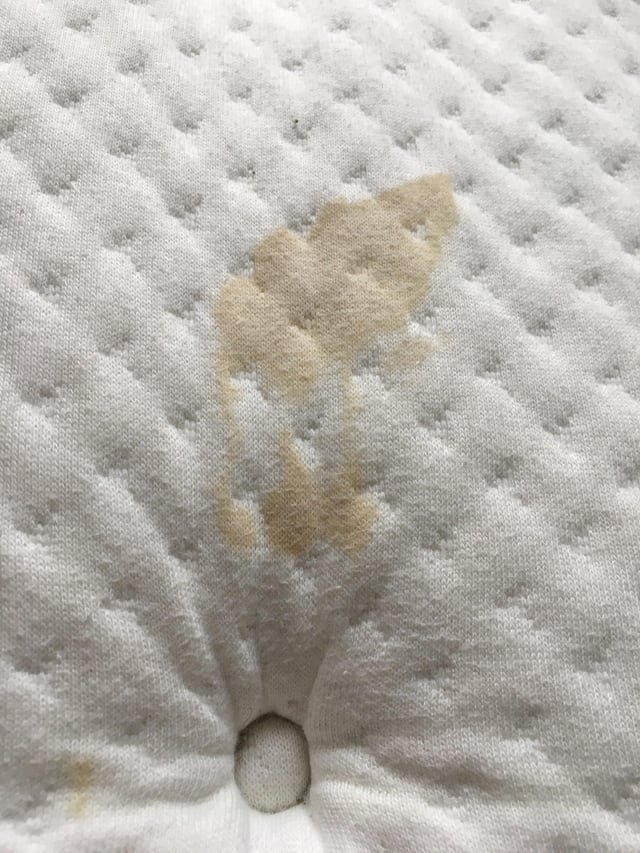
Sometimes, musty smells in bedding actually come from the mattress or pillows. These can hold moisture and dust, creating a hidden odor source.
Cleaning Mattresses
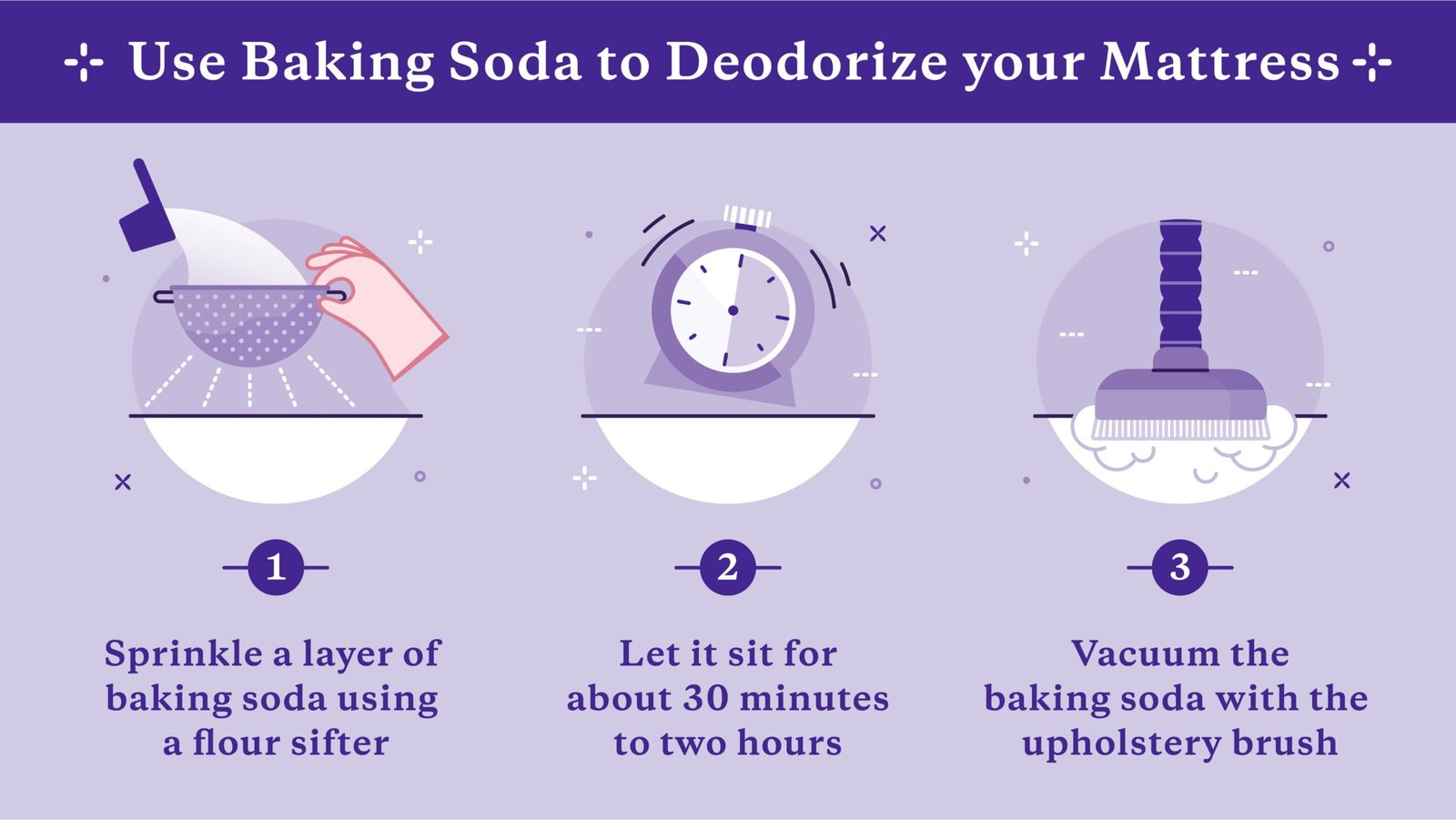
- Strip all bedding and vacuum the mattress surface.
- Sprinkle a layer of baking soda. Let it sit for at least 2 hours.
- Vacuum again.
- For deeper smells, lightly mist with a mix of equal parts water and vinegar, then air dry.
Cleaning Pillows
Check if pillows are machine washable (most synthetic and some down pillows are). Wash with a gentle detergent and dry thoroughly. For foam pillows, spot clean and air dry only.
Credit: www.reddit.com
When To Replace Bedding
No matter how well you clean, all bedding has a lifespan. Here’s a quick guide:
| Item | Replace Every | Warning Signs |
|---|---|---|
| Sheets | 2-3 years | Thin spots, stubborn odor |
| Pillows | 1-2 years | Lumps, permanent smell |
| Comforters/Duvets | 5 years | Flatness, odor that returns |
If musty smells come back after every wash, it may be time for new bedding.
Musty Smell And Your Health
A musty smell can mean more than just an unpleasant odor. Mold spores and bacteria can trigger allergies, asthma, and other breathing issues, especially in children and older adults. If you notice symptoms like sneezing or itchy eyes, address musty bedding right away.
Professional Cleaning: When To Call For Help
If you’ve tried every method and the smell remains, professional cleaning may be necessary. This is especially true for:
- Down comforters or pillows
- Antique quilts
- Bedding with stubborn stains or mold
Professional services use deep cleaning machines and special treatments that aren’t available at home. For more on professional cleaning, see resources like the U.S. Environmental Protection Agency.
Non-obvious Tips For Long-term Freshness
Most people focus on washing and drying, but these extra steps can make a big difference:
- Run your washing machine’s self-clean or tub clean cycle monthly with hot water and vinegar.
- Use a hygrometer to monitor humidity in your bedroom and storage areas.
- Try rotating your pillows, not just pillowcases, every few weeks so all sides get air.
These small actions help prevent musty smells before they start.
Frequently Asked Questions
Why Do My Sheets Smell Musty Even After Washing?
Musty smells can stay if bedding isn’t dried fully or if your washing machine has buildup. Try running a vinegar wash, clean your machine, and always dry bedding completely.
Can I Use Fabric Softener To Remove Musty Odor?
Fabric softener only masks the smell. It can even make it worse by coating fibers. Stick to vinegar, baking soda, or enzyme detergents for real odor removal.
Is It Safe To Use Essential Oils In Laundry?
A few drops of essential oils like lavender or tea tree oil are safe for most washing machines and can add a fresh scent. Avoid overuse, as some oils might stain if used directly on fabric.
How Do I Know If The Smell Is Mold?
Musty smells from mold are usually stronger and may come with visible spots on bedding or mattresses. If you see black, green, or pink stains, treat them as mold and clean with care.
How Can I Keep Stored Bedding Fresh?
Store bedding dry in a breathable bag, add odor absorbers like baking soda or lavender, and open the storage area every few weeks to air things out.
A fresh, clean bed is possible with the right habits. Tackle musty smells quickly, use deep cleaning methods, and maintain good storage practices to enjoy bedding that always smells inviting.
