
Does Mattress Protector Affect Comfort And Sleep
A good night’s sleep can change your whole day. People often spend time choosing the right mattress, but forget about the small things that go on top—like mattress protectors. These thin covers promise to guard your mattress from spills, dust, and allergens. But many ask: does a mattress protector affect comfort and sleep? Some believe they add warmth and noise, while others say they make little difference. If you care about sleep quality, it’s important to understand how mattress protectors can help—or hurt—your rest.
This article takes a detailed look at how mattress protectors work, the ways they can change your sleeping experience, and what to consider before buying one. You’ll learn about materials, heat, noise, breathability, and other factors that often go unnoticed.
Whether you’re a light sleeper, have allergies, or just want to protect your mattress investment, this guide will help you make the best choice.
What Is A Mattress Protector?
A mattress protector is a thin layer that sits on top of your mattress, under the sheets. Its main job is to protect your mattress from liquids, dust mites, sweat, and bacteria. Unlike mattress pads, protectors are not meant to add extra softness or support. Think of them as a shield—quietly working to keep your mattress clean and last longer.
Most mattress protectors are waterproof or water-resistant. Some are made from natural materials like cotton, while others use synthetic fabrics such as polyester or polyurethane. The fit can be like a fitted sheet or a cover with a zipper that wraps the entire mattress.
Types Of Mattress Protectors
Understanding the types of protectors helps you predict how they might change your sleep experience.
| Type | Main Material | Waterproof | Feel |
|---|---|---|---|
| Cotton | Natural Cotton | No (unless coated) | Soft, breathable |
| Polyester | Synthetic | Sometimes | Silky, smooth |
| Vinyl/Plastic | Vinyl | Yes | Crinkly, less breathable |
| Bamboo | Bamboo fibers | Sometimes | Cool, eco-friendly |
| Polyurethane-backed | Cotton/Polyester + Polyurethane | Yes | Quiet, thin |

Credit: www.mycloudtopper.com
How Mattress Protectors Can Affect Comfort
1. Heat And Breathability
Many people worry that mattress protectors make their bed feel hotter. Some materials, especially those with vinyl or thick plastic, can trap body heat and block airflow. This is uncomfortable if you’re a hot sleeper or live in a warm climate.
Non-obvious insight: Polyurethane-backed protectors are often advertised as “breathable,” but the quality varies by brand. High-quality ones balance waterproofing and air flow, while cheaper versions can still feel sweaty.
Practical tip: Choose protectors labeled as “breathable” or “cooling.” Natural fibers like cotton or bamboo also help wick away moisture and heat.
2. Noise
Older or cheaper protectors, especially those made with vinyl, can make a crinkling sound when you move. This noise can disturb light sleepers and make the bed feel less cozy.
Non-obvious insight: Polyurethane-backed protectors tend to be quieter than vinyl, even though both are waterproof. If you toss and turn, a quiet protector matters more than you think.
3. Texture And Feel
A protector’s surface can slightly change how your mattress feels. Some are very thin and almost invisible under sheets, while others have a rough or slick feel. Quilted or padded protectors add a bit of softness, but most protectors aim to be neutral.
Example: If your mattress is firm and you add a thick, padded protector, it may feel a bit softer. If you prefer the original mattress feel, pick a thin, smooth protector.
4. Fit And Movement
A protector that fits well stays in place and doesn’t bunch up. Loose protectors can shift, causing wrinkles or lumps that disturb comfort. Fitted-sheet styles are more secure than elastic-strap or envelope designs.
Practical tip: Measure your mattress height and check the protector’s pocket depth before buying.
How Mattress Protectors Affect Sleep Quality
1. Allergy Protection
Mattress protectors can help people with allergies by blocking dust mites, mold, and pet dander. This creates a cleaner sleep environment and reduces sneezing or coughing at night.
Example: Hypoallergenic protectors are often recommended for people with asthma or eczema. They create a barrier that keeps out common triggers.
2. Hygiene And Cleanliness
A protector keeps sweat, body oils, and spills from soaking into your mattress. This not only protects the mattress but also prevents bacteria and odors. Washing a protector is much easier than cleaning a mattress.
Statistic: Studies show that mattresses can double in weight over 10 years due to absorbed sweat, dust, and skin cells. A protector can slow this process and keep your bed fresher.
3. Moisture Control
If you sweat at night or have children who wet the bed, a waterproof protector saves your mattress from stains and bacteria growth. Moisture can damage mattress foam and springs over time.
Non-obvious insight: Not all “waterproof” protectors are equal. Some stop only small spills, while higher quality ones can handle more without leaking or feeling plastic-like.
4. Impact On Support And Pressure Relief
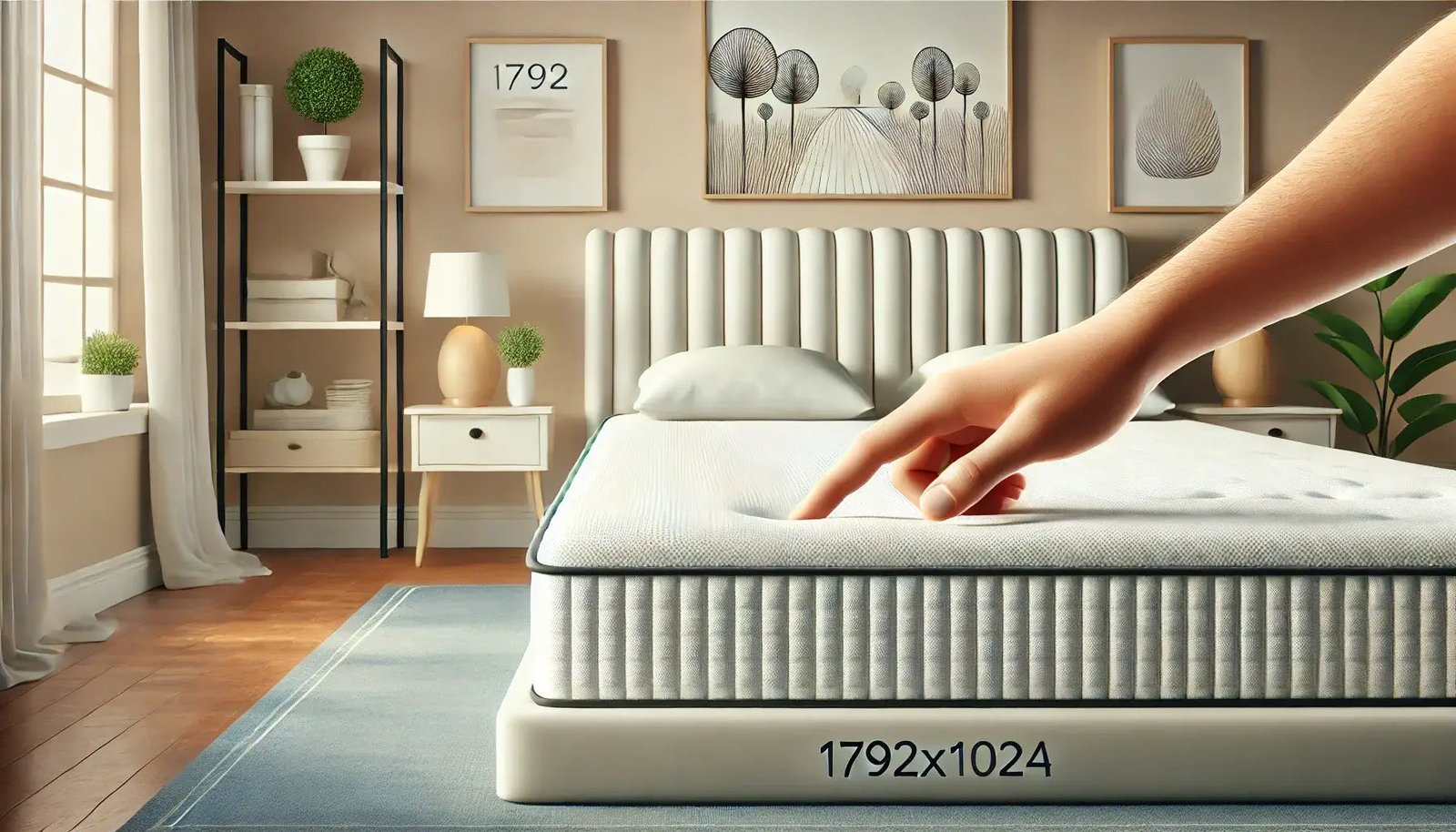
A very thick or quilted protector may slightly change how your mattress supports your body. Most thin protectors have little effect, but thick ones can reduce pressure relief, especially on memory foam mattresses.
Practical tip: For people with back or joint pain, pick a protector that’s thin and stretchy, so it doesn’t change your mattress’s support.
Credit: mattressstoreslosangeles.com
Comparing Sleeping Without Vs. With A Mattress Protector
To see the real effect, it helps to compare beds with and without protectors.
| Aspect | Without Protector | With Protector |
|---|---|---|
| Comfort | Direct mattress feel | Slight barrier, may change feel |
| Temperature | Original mattress breathability | Can be warmer or same (depends on protector) |
| Noise | Silent | Possible crinkle (low quality) |
| Allergy Protection | Low | High (with hypoallergenic protector) |
| Hygiene | Hard to clean mattress | Easy to wash protector |
What To Look For In A Mattress Protector
Choosing the right protector is key to good sleep and comfort. Here’s what matters:
Material
- Cotton: Soft, breathable, but less waterproof unless coated.
- Polyester: Durable, resists stains, but can trap heat.
- Bamboo: Eco-friendly, naturally cool.
- Vinyl/Plastic: Fully waterproof but noisy and less comfy.
- Polyurethane: Waterproof, quiet, and thin—often the best balance.
Waterproofing
Decide if you need full waterproofing. Adults without kids or heavy sweating may prefer a non-waterproof, more breathable protector. For children, pets, or health issues, waterproof is safer.
Noise Level
Look for reviews or try protectors in-store. Quiet protectors are better for light sleepers.
Fit
Check the pocket depth. Thicker mattresses need deeper protectors.
Hypoallergenic Features
If you have allergies, search for certified dust mite or allergen-proof protectors.
Easy Maintenance
Pick a protector that is machine-washable and can handle frequent cleaning.
Common Misconceptions About Mattress Protectors
“they Always Make The Bed Hot”
Not all protectors trap heat. Modern polyurethane-backed options are designed to be breathable. The myth comes from old vinyl covers, which are rarely used today.
“mattress Protectors Are All Noisy”
High-quality protectors are almost silent. Noise is only a problem with cheap plastic covers.
“protectors Make The Mattress Uncomfortable”
Thin, well-fitted protectors should not affect comfort. Only thick, padded, or poor-quality versions might change the feel of your mattress.
“you Don’t Need A Protector For A New Mattress”
Even new mattresses benefit from a protector. Stains and dust can void mattress warranties, and cleaning a mattress is much harder than washing a protector.
Real-world Examples And User Experiences
Many sleepers don’t notice their protector after a few nights—if it fits well and uses quality materials. However, people who bought thick, plastic covers often report sweating and noise.
Example: Jane, a mother of two, switched to a bamboo-cotton protector after her old vinyl one made the bed hot and noisy. She noticed better sleep and fewer night sweats.
Data: In a 2022 survey by a bedding retailer, 82% of users said their protector did not change mattress comfort if it was less than 1 cm thick and made of breathable material.
Credit: mysleepwell.com
When To Avoid Mattress Protectors
While protectors help most people, some may not need one. If you live in a very dry climate, have no allergies, and rarely spill anything, you might prefer direct contact with your mattress. Some luxury mattresses have built-in moisture barriers, making extra protectors less necessary.
How To Test Comfort Before Committing
If you’re unsure, buy a protector with a return policy. Try it for a week. Check for changes in heat, noise, and comfort. If you wake up sweaty or notice crinkling, try a different material or brand.
Extra Tips For Better Sleep With A Mattress Protector
- Wash before first use: This removes factory smells and softens the protector.
- Pair with breathable sheets: Natural fiber sheets (like cotton) help offset any heat issues.
- Replace regularly: Most protectors last 2–5 years, but replace sooner if you notice tearing or loss of waterproofing.
- Layer wisely: Don’t stack thick pads or toppers on top of a protector unless needed for extra softness.
- Check warranty: Some mattress warranties require a protector to stay valid.
Frequently Asked Questions
Does A Mattress Protector Change The Feel Of My Mattress?
A thin, high-quality protector should not noticeably change your mattress’s feel. Thicker, padded, or plastic versions might add softness or cause heat buildup.
Will A Mattress Protector Make My Bed Hotter?
Some protectors can make your bed warmer, especially vinyl or plastic ones. Look for breathable materials like cotton, bamboo, or polyurethane-backed fabrics to keep cool.
Is It Necessary To Use A Mattress Protector On A New Mattress?
Yes. Protectors guard against spills, stains, and dust, which can void mattress warranties. They also make cleaning easier and improve hygiene from day one.
How Often Should I Wash My Mattress Protector?
Wash every 1–2 months, or more often if you sweat a lot or have allergies. Always follow the care instructions to avoid damage.
What Is The Difference Between A Mattress Protector And A Mattress Pad?
A mattress protector is mainly for protection (against spills and dust). A mattress pad is thicker and adds softness or cushioning. Some products combine both features, but their main purpose is different.
For further details on sleep health and bedding choices, you can visit the Sleep Foundation.
Choosing the right mattress protector means balancing comfort, protection, and personal sleep needs. With the right information, you can protect your mattress and sleep better every night.