
Choosing the right lighting for your home can be surprisingly complex. You may wonder whether a pendant light or a chandelier is the better option. Both can add style, light, and personality to a room, but they have different features, advantages, and uses. The choice you make will affect not only how your space looks but also how it feels and functions. Let’s take a close look at each type, compare them in detail, and help you decide which one suits your needs best.
What Is A Pendant Light?
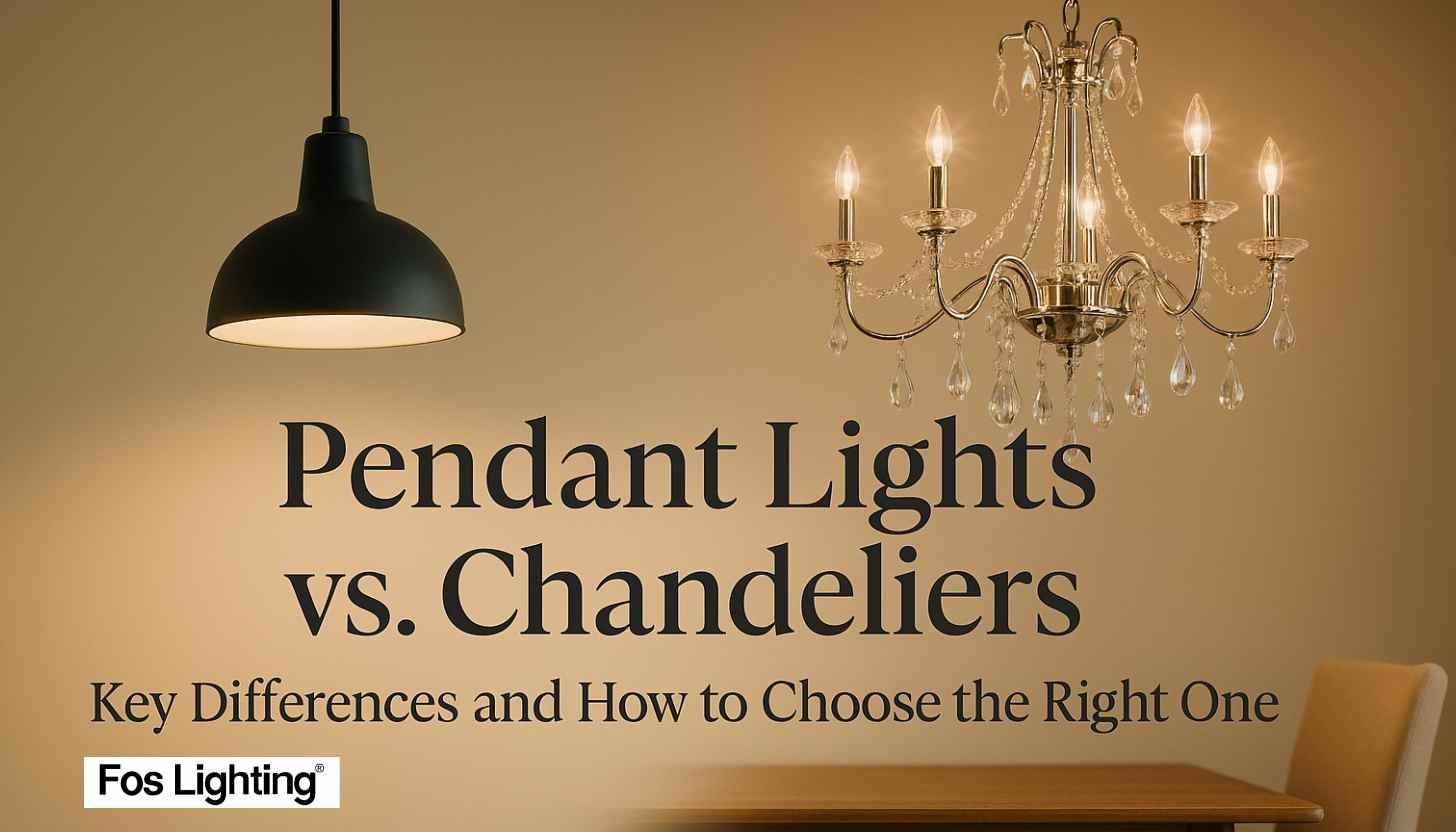
A pendant light hangs from the ceiling by a cord, chain, or metal rod. Usually, it has a single light bulb, although some have multiple bulbs grouped together. Pendant lights come in many shapes and sizes, from simple glass globes to colorful, artistic designs. People often use them for task lighting (like over a kitchen island) or to create a cozy spot in a room.
Pendant lights are very popular for their flexibility. You can use one as a statement piece or several in a row for a modern look. They’re also easier to install and clean than most chandeliers.
Common Uses For Pendant Lights
- Over kitchen islands and dining tables
- In entryways or hallways
- Beside beds (as reading lights)
- In bathrooms or closets
- To highlight a small area
What Is A Chandelier?
A chandelier is also a hanging light fixture, but it usually has multiple arms or branches, each holding its own bulb or candle-shaped light. Chandeliers are often large, decorative, and eye-catching. They are often seen as a symbol of elegance and luxury.
Chandeliers can be classic or modern, made from crystal, metal, glass, or even wood. Their design is meant to be a focal point in a room, adding drama and style. Traditionally, chandeliers are found in dining rooms, grand entryways, and ballrooms, but modern versions can fit in bedrooms, kitchens, and even bathrooms.
Common Uses For Chandeliers
- In dining rooms above the table
- Grand entryways and foyers
- Living rooms for a dramatic effect
- Large bedrooms or master suites
- Over staircases
Comparing Pendant Lights And Chandeliers
To choose the right fixture, it’s important to understand how pendant lights and chandeliers compare in key areas. Here’s a detailed look at the differences and similarities.
| Feature | Pendant Light | Chandelier |
|---|---|---|
| Size | Usually small to medium | Often large and wide |
| Number of Bulbs | Single or a small cluster | Multiple arms and bulbs |
| Installation | Easier, less heavy | Can be complex, needs strong support |
| Style Impact | Subtle to bold | Usually a dramatic statement |
| Common Location | Kitchen, hallway, small spaces | Dining room, foyer, large spaces |
| Price Range | $30 – $500+ | $100 – $5,000+ (luxury models higher) |
| Cleaning | Simple, easy access | Can be difficult, more parts |
Design And Style
Both pendant lights and chandeliers come in many styles, but their impact on your room is different.
Pendant Lights
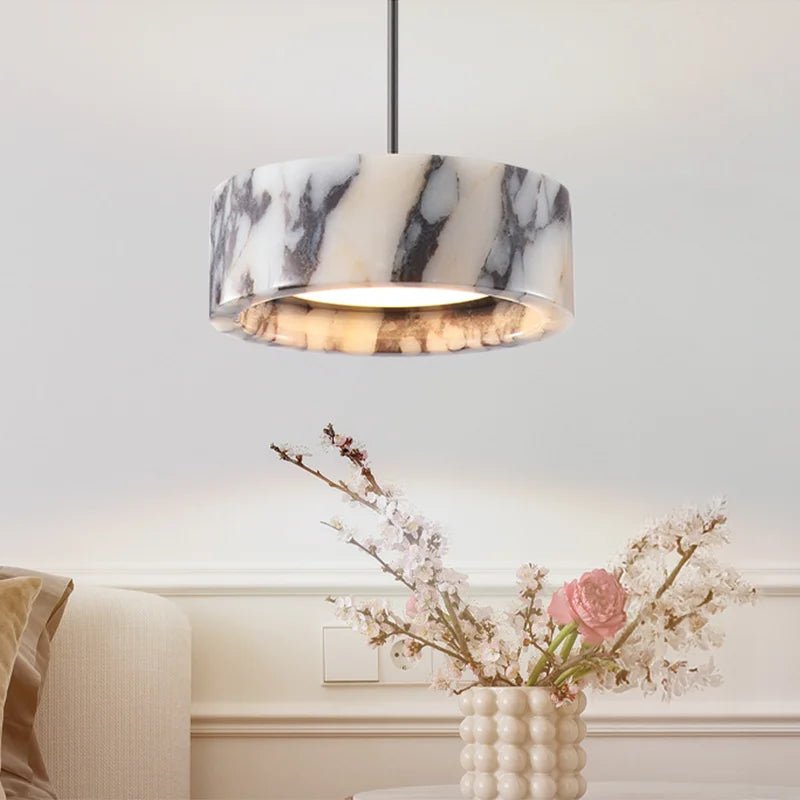
Pendant lights are often chosen for their clean, modern look. They work well in small and medium spaces. For example, a row of pendant lights over a kitchen island gives focused light and looks neat. You can pick from glass, metal, rattan, fabric, or ceramic finishes.
Chandeliers
Chandeliers are all about drama and elegance. A crystal chandelier can make a dining room feel like a palace. Even modern chandeliers with metal arms and exposed bulbs create a strong visual focus. They work best in rooms with high ceilings and plenty of space.
Style Tip
A common mistake is choosing a fixture that’s too large or too small for the space. Measure your room’s width and length in feet, add those numbers, and the sum (in inches) is a good diameter for your fixture. For example, a 12×14 ft room = 26 inches (ideal chandelier width).
Light Output And Function
The type of light you need should guide your decision.
Pendant Lights
These are great for task lighting. Over a kitchen island, pendants provide direct, focused light that helps with cooking or reading. They can also create a cozy mood if you use a dimmer switch.
Chandeliers
Chandeliers are best for ambient lighting. They fill a room with soft, general light. But they might not be enough for tasks like reading or food prep unless combined with other lights.
Practical Insight
Many people forget that a chandelier’s multiple bulbs can create shadows, especially in rooms with dark walls or high ceilings. Pendant lights, when placed right, avoid this problem and give clearer light for tasks.
Installation And Maintenance
This is an area where the differences are clear.
Pendant Lights
- Lighter weight: Easier to install, even on standard ceilings.
- Simple wiring: Usually just one electrical connection.
- Maintenance: Easier to clean and change bulbs.
Chandeliers
- Heavy: Large chandeliers may need ceiling reinforcement.
- Complex installation: More wiring and assembly.
- Cleaning: More time-consuming (many small pieces, crystals, or arms).
Non-obvious Tip
If you rent your home or plan to move soon, pendant lights are a safer choice. They’re easier to install and remove, and don’t leave large holes or require ceiling repairs.
Cost And Value
The price of lighting varies a lot, but here are some typical ranges.
| Type | Average Low Price | Average High Price | Luxury/Designer |
|---|---|---|---|
| Pendant Light | $30 | $500 | $1,000+ |
| Chandelier | $100 | $5,000 | $20,000+ |
A pendant light is usually more affordable and easier to replace if styles change. Chandeliers are a bigger investment, but can increase the value and appeal of your home, especially in large, formal spaces.
Where Each Works Best
Your choice depends on the room, ceiling height, and the effect you want.
Best Rooms For Pendant Lights
- Kitchens (especially islands)
- Small dining spaces
- Entryways with low to normal ceilings
- Bathrooms (over vanities)
- Bedrooms (over nightstands)
Best Rooms For Chandeliers
- Dining rooms (especially with large tables)
- Grand foyers or entryways
- Living rooms with high ceilings
- Staircases and landings
- Master bedrooms with lots of space
Example
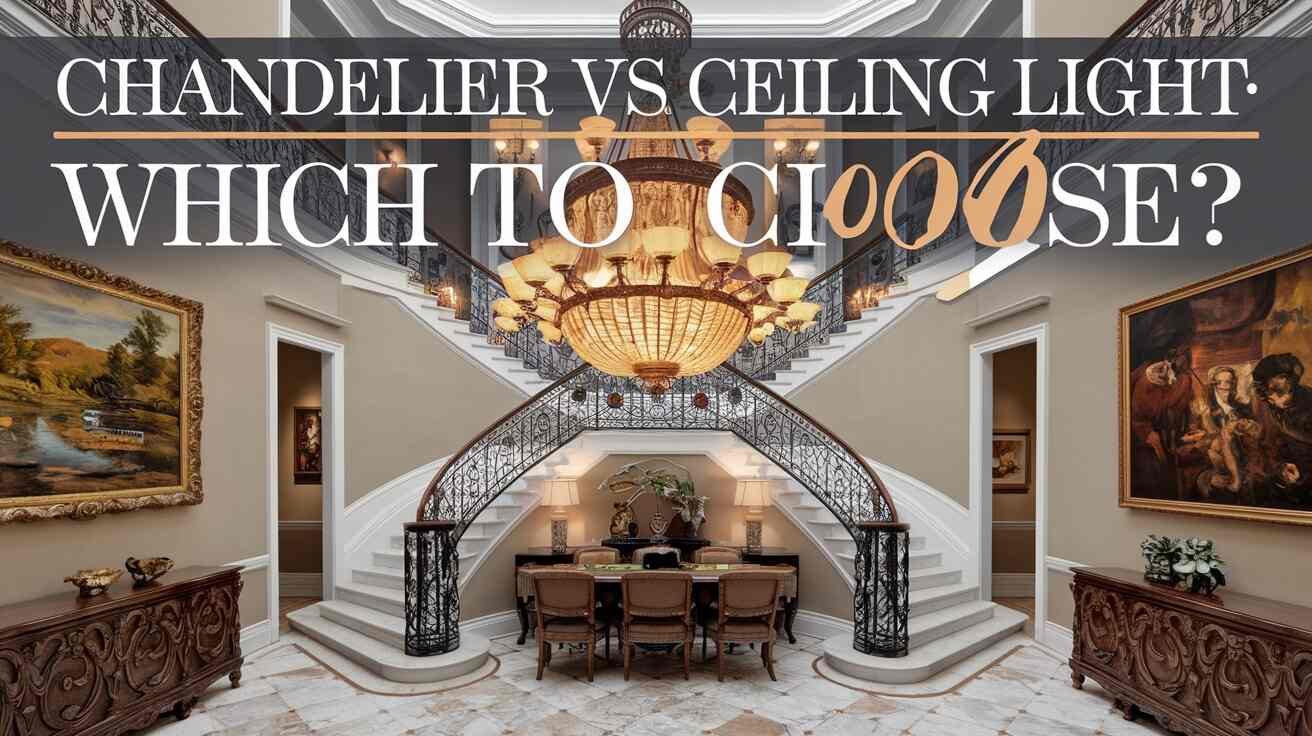
A small kitchen with an 8-foot ceiling will look crowded with a chandelier, but two or three pendants can look perfect. In contrast, a 20-foot-high entryway almost demands a chandelier to fill the space and make a strong first impression.
Credit: www.seuslighting.com
Energy Efficiency
Both pendant lights and chandeliers can use LED bulbs, which are efficient and last for years. However, chandeliers with many bulbs will use more energy overall. If you want to save on energy, choose a pendant with one LED bulb or a chandelier that uses fewer, low-wattage bulbs.
Trends And Modern Choices
Lighting design changes every year. Here are some current trends:
- Minimalist pendant lights with clear glass or black metal
- Geometric chandeliers in modern shapes
- Mixed materials: Wood, metal, and glass combinations
- Smart lighting: Both types now offer versions that work with smart home systems
A modern pendant can look just as stylish as a chandelier, especially in newer homes or apartments.
Credit: www.foslighting.in
Common Mistakes When Choosing
Many people make mistakes when picking new lighting. Here are two that beginners often miss:
- Ignoring ceiling height: A large chandelier on a low ceiling feels cramped and can even be dangerous. Always measure first.
- Not layering light: Relying only on a chandelier or pendant can leave parts of the room too dark. Mix ceiling lights, floor lamps, and wall sconces for best results.
Pendant Light Or Chandelier: Which Should You Choose?
Here’s a quick summary to help you decide:
- Choose a pendant light if you have a small to medium room, need focused task lighting, or want something simple and easy to install.
- Go for a chandelier if you have a large space, high ceilings, want a dramatic centerpiece, and don’t mind a bigger investment.
Still unsure? Visit a lighting showroom to see both options in person, or use online visualization tools to see how each will look in your space.
For more detailed lighting guidelines, the American Lighting Association has helpful resources at American Lighting Association.
Credit: morsale.com
Frequently Asked Questions
What Is The Main Difference Between A Pendant Light And A Chandelier?
The main difference is that a pendant light usually has one bulb and a simple design, while a chandelier has multiple arms and bulbs for a more dramatic look. Pendant lights are best for focused lighting, while chandeliers provide overall room lighting and act as a centerpiece.
Can I Use A Chandelier In A Small Room?
It’s possible, but you should choose a small or mini chandelier. Make sure it doesn’t overpower the space. For rooms with low ceilings, pendants or flush mounts are usually better.
Are Pendant Lights Cheaper Than Chandeliers?
Yes, pendant lights are generally less expensive than chandeliers. They cost less to buy, install, and maintain. Chandeliers, especially those with crystals or designer brands, can be much pricier.
Which Is Easier To Clean: Pendant Light Or Chandelier?
Pendant lights are easier to clean because they have fewer parts and are more accessible. Chandeliers often have many small pieces, which can collect dust and require more time to clean.
Can I Install A Chandelier Myself?
You can install a small chandelier yourself if you have basic wiring skills, but large or heavy chandeliers should be installed by a professional. Safety is important because chandeliers are heavy and need proper support.
Choosing between a pendant light and a chandelier is about more than just looks. Think about your space, lighting needs, budget, and personal style. The right choice will brighten your home and make it feel just right.
