
Choosing the right pot size for your plants is more important than many beginners realize. The size of the pot affects plant health, growth speed, watering needs, and even how often you need to repot. A pot that’s too small can restrict roots, leading to slow growth or even death.
But a pot that’s too big can create problems, too, like root rot or wasted soil. If you’ve ever wondered why your healthy seedling suddenly stopped growing, the reason could be something as simple as the pot size. This guide will help you make smart choices for every plant, from herbs on your windowsill to large indoor trees.
Why Pot Size Matters
Roots need space to grow. In a small pot, roots become crowded and can circle around inside, causing the plant to become root-bound. This limits how much water and nutrients the plant can absorb. When roots are crowded, plants may show stunted growth, yellow leaves, or drop leaves altogether.
On the other hand, a pot that’s much too large can hold extra water. This keeps the soil wet for too long, which is dangerous for most plants, especially those that dislike “wet feet” like succulents. Unused soil stays wet, encouraging root rot and fungus growth.
The right pot size creates a balance: enough space for roots to grow, but not so much that water sits unused. Getting this right means healthier, stronger plants that need less maintenance.
Factors To Consider When Choosing Pot Size
Several factors affect the ideal pot size for each plant. Consider these before deciding:
- Plant type: Fast growers, like tomatoes or pothos, need larger pots sooner than slow growers like cacti or snake plants.
- Root system: Plants with shallow roots (herbs, lettuce) do well in wider, shallow pots. Deep-rooted plants (roses, carrots) need deeper containers.
- Plant age and size: Seedlings need small pots, but as they grow, they need more space. Adult plants may need pots 2-4 times wider than the plant’s root ball.
- Growth habits: Bushy or trailing plants often use wide pots. Tall, upright plants do better in deeper pots for stability.
- Watering needs: Plants that like to dry out (succulents) should not be in a pot that’s too big, because the soil will stay wet too long.
- Indoor vs. outdoor: Outdoor pots dry faster, so a slightly bigger pot can help keep roots hydrated.
Not all plants need the same size pot, even if they look similar above ground. Always check the specific needs of your plant species.
Standard Pot Sizes And What They Mean
Pots are usually measured by their top diameter (width across the top) or sometimes by volume (liters or gallons). Here’s how common pot sizes translate to plant types:
| Pot Diameter (inches) | Common Use | Approximate Volume (liters) |
|---|---|---|
| 2-3″ | Seedlings, small succulents | 0.25-0.5 L |
| 4-5″ | Herbs, small flowers | 0.7-1.2 L |
| 6-7″ | Medium houseplants, bushy annuals | 1.5-2.5 L |
| 8-10″ | Large houseplants, patio plants | 3-5 L |
| 12″+ | Small trees, large shrubs | 7 L and up |
A good rule: The pot should be about 1-2 inches wider than the plant’s current root ball for most repots.
Matching Pot Size To Plant Growth Stage
Plants have different needs at different stages:
Seed Starting
Start seeds in small pots or trays, usually 2-3 inches wide. This helps you control watering and keeps roots from sitting in soggy soil.
Young Plants
When seedlings have several sets of leaves, move them to a pot 1-2 inches wider. This gives roots room to expand without too much extra soil.
Mature Plants
For mature plants, the pot should be 2-4 inches wider than the root ball, or about twice the plant’s diameter. This gives enough space for future growth but keeps watering manageable.
Repotting
When you see roots circling the pot or coming out the drainage holes, it’s time to move up. Only go up one pot size at a time (for example, from a 4-inch to a 6-inch pot). Jumping to a much bigger pot can stress the plant.
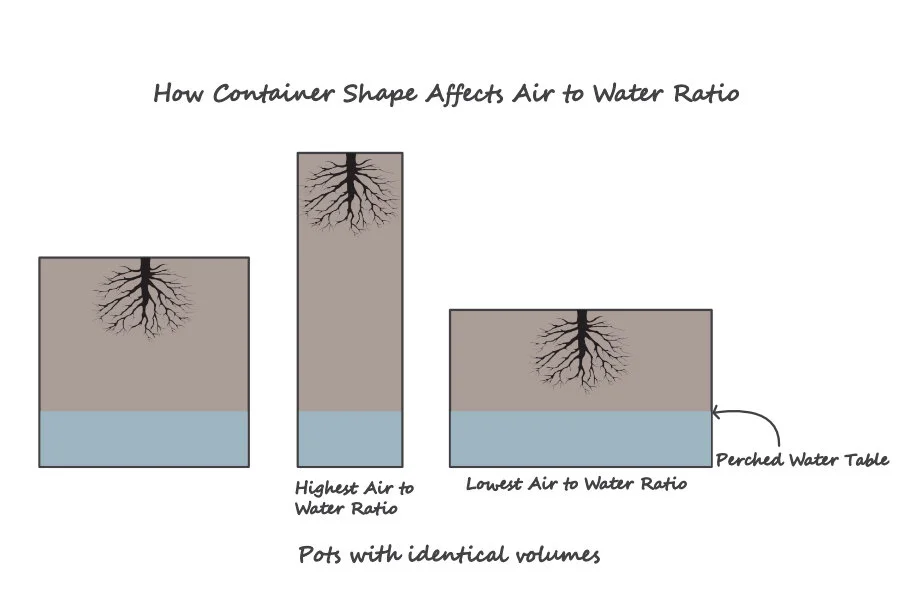
Pot Depth Vs. Width: Which Is More Important?
The answer depends on your plant:
- Deep pots are best for plants with long taproots, like tomatoes, carrots, or some trees.
- Wide, shallow pots suit plants with shallow roots, like lettuce, strawberries, and succulents.
If you’re not sure, choose a pot that’s as deep as it is wide. This suits most houseplants and gives stable support.
Material Matters: Does Pot Type Affect Size Choice?
Plastic, ceramic, and clay pots all come in different sizes, but the material changes how soil dries out:
- Clay/terracotta pots breathe and dry faster. You might need a slightly larger pot for moisture-loving plants.
- Plastic pots hold water longer, so avoid oversized pots for drought-tolerant plants.
- Fabric pots (grow bags) air-prune roots, which can let you use a slightly bigger size without the risk of root rot.
Choose a material that fits your watering style and your plant’s needs. For example, succulents in terracotta are less likely to rot because the soil dries out quickly.
How To Measure The Root Ball For Pot Sizing
To pick the right pot, measure the root ball (the mass of roots and soil you see when you remove the plant from its old pot):
- Gently tip the plant out of its pot.
- Measure the width of the root ball at its widest point.
- Choose a pot that’s 1-2 inches wider than this measurement.
For example, if your plant’s root ball is 4 inches wide, pick a 5-6 inch pot for repotting.
Common Pot Size Mistakes (and How To Avoid Them)
Many plant problems start with the wrong pot size. Here’s what to avoid:
- Going too big, too soon: Extra soil holds water, risking root rot.
- Never upgrading: If your plant is root-bound, it will stop growing.
- Wrong shape: Deep-rooted plants in shallow pots will struggle.
- Ignoring drainage: No matter the size, always use a pot with drainage holes.
A less obvious mistake: Using a decorative outer pot with no drainage and not removing the plant to water. Water can pool at the bottom and rot roots before you notice.
Credit: www.greenhousestudio.co
Pot Size By Plant Type: Examples
Not sure what size your favorite plant needs? Here are common examples:
| Plant | Ideal Pot Size (inches) | Notes |
|---|---|---|
| Snake Plant | 6-8″ | Prefers snug pots, slow grower |
| Peace Lily | 8-10″ | Likes room to expand, don’t oversize |
| Tomato | 12″+ | Deep, large pots for roots |
| Basil | 6″ | Shallow roots, wide works best |
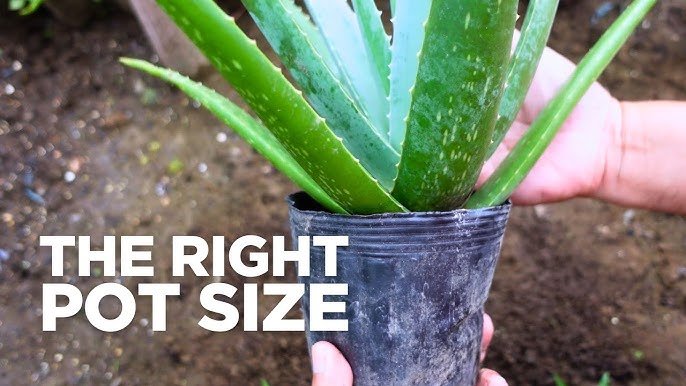
| Aloe Vera | 4-6″ | Needs drainage, don’t oversize |
Remember, these are starting points. Adjust if your plant is especially large or fast-growing.
How Pot Size Affects Watering And Fertilizing
Larger pots hold more soil and water. This means:
- Watering: In big pots, soil stays wet longer. Wait until the top inch of soil dries before watering again.
- Fertilizing: More soil dilutes fertilizer. Use slow-release or adjust the amount for larger pots.
- Small pots dry out faster and may need more frequent watering. But roots can use up nutrients quickly, so check for signs of deficiency.
One thing beginners often miss: When repotting, don’t add fertilizer immediately. Wait a few weeks for roots to recover, or you risk burning tender new roots.
Credit: highlandmoss.com
Indoor Vs. Outdoor Pot Size Choices
- Indoors: Pots dry out slowly. Use the smallest size that fits your plant to avoid soggy soil.
- Outdoors: Sun and wind dry soil quickly. A slightly larger pot can help keep roots cool and moist.
- Windy balconies or patios: Deeper, heavier pots prevent tipping.
For large outdoor plants, always check the mature size before planting. Trees and shrubs in small pots may never reach full height.
When To Repot For Best Results
The best time to move to a larger pot is just before a growth spurt, usually in spring. Signs your plant needs a bigger pot:
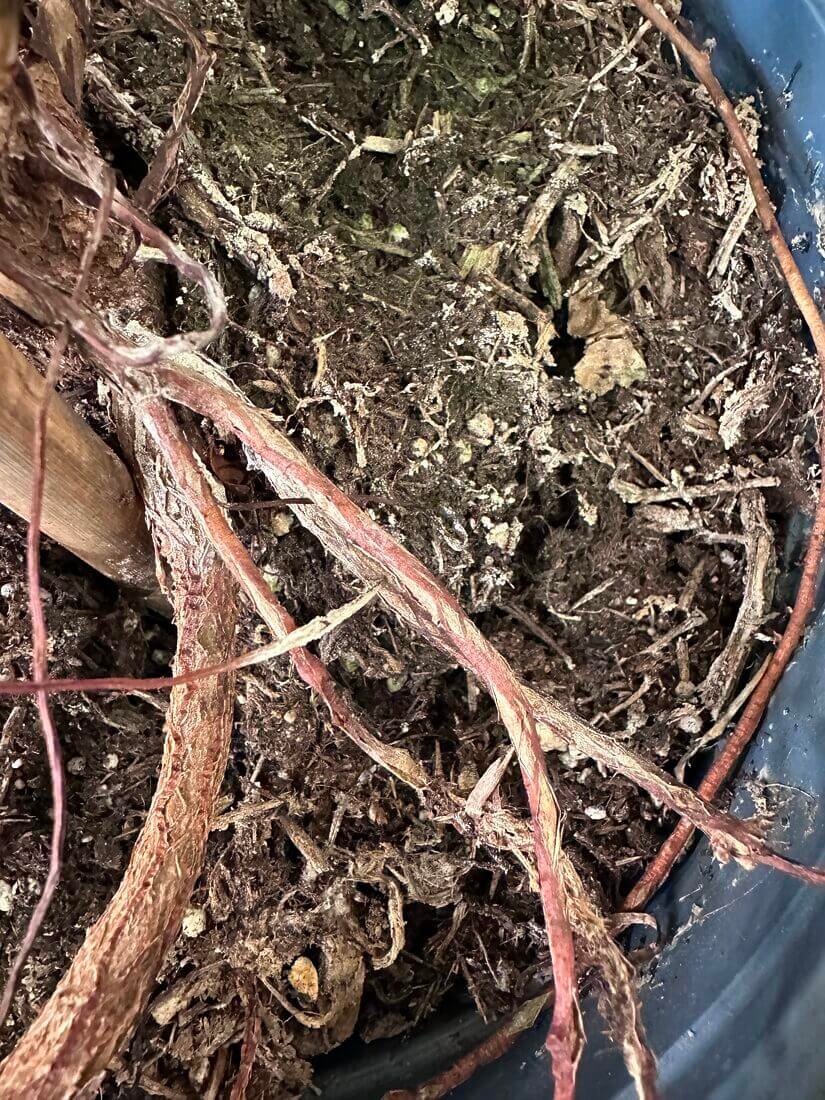
- Roots circle the pot or grow from drainage holes
- Water runs straight through the pot (soil is packed with roots)
- The plant is top-heavy and tips over easily
Repot every 1-2 years for most houseplants, or when you see these signs.
Credit: www.youtube.com
Practical Tips For Choosing And Using Pots
- Always test the weight of larger pots before planting—wet soil can be surprisingly heavy.
- Use a layer of mesh or a coffee filter over drainage holes to keep soil in but let water out.
- If you’re not sure, start small. You can always move to a bigger pot later.
- Grow bags or fabric pots are a good choice for beginners—they’re forgiving and reduce the risk of root rot.
Real-world Example: Upgrading A Peace Lily
Imagine you buy a peace lily in a 4-inch nursery pot. After a year, you see roots poking from the bottom. You move it to a 6-inch pot, using fresh soil. The plant quickly grows larger leaves and more flowers.
If you had moved it to a 12-inch pot, though, the soil would stay wet and the plant might get root rot or fungus.
Comparing Pot Size For Popular Houseplants
Here’s a quick look at typical pot needs for three common plants:
| Plant Name | Small Pot (4″) | Medium Pot (6-8″) | Large Pot (10″+) |
|---|---|---|---|
| Pothos | Slow growth, root-bound | Best for bushy growth | Can trail, but risks soggy soil |
| Spider Plant | Baby plants only | Great for mature growth | Room for pups, may need extra water |
| Fiddle Leaf Fig | Stunted, tips over | Good for young plants | Needed for mature size, use deep pot |
Notice how the best size changes as the plant matures.
What If You Choose The Wrong Pot Size?
If the pot is too small, repot as soon as possible. Water and fertilize carefully until then. If it’s too big, allow soil to dry out more between waterings, and consider adding perlite to improve drainage. Sometimes, you can root prune and return the plant to a smaller pot if overpotting leads to problems.
Two Insights Beginners Often Miss
- Repotting stress: Moving a plant to a much bigger pot shocks the roots. Always step up one size at a time.
- Shape matters as much as size: Tall, narrow pots work for some plants, but not for all. Choose the shape that matches your plant’s root system, not just what looks pretty.
Where To Learn More
For more detail on container gardening and plant care, check the Wikipedia page on container gardening.
Choosing the right pot size is a simple step that pays off with healthier, happier plants. With a bit of planning, you’ll avoid common problems and enjoy your indoor garden for years.
Frequently Asked Questions
What Happens If My Pot Is Too Small?
When a pot is too small, roots become crowded and may circle inside the pot. This can lead to poor water and nutrient uptake, slow growth, and yellowing leaves. The plant may need frequent watering and will eventually stop growing until repotted.
How Do I Know When It’s Time To Repot?
Common signs include roots growing out of drainage holes, water rushing through without soaking in, or the plant becoming top-heavy and unstable. Most houseplants benefit from repotting every 1-2 years.
Can I Use Decorative Pots Without Drainage Holes?
It’s best to avoid pots without drainage holes, as water can collect at the bottom and cause root rot. If you must use a decorative pot, keep the plant in a plastic nursery pot with holes, and remove it for watering.
Is It Bad To Use A Much Larger Pot For My Plant?
Yes, using a much larger pot can keep the soil wet for too long, especially indoors. This increases the risk of root rot and fungus. Always step up only one pot size at a time.
How Deep Should A Pot Be For Most Houseplants?
For most houseplants, choose a pot as deep as it is wide. This gives roots space to grow and provides stability. Adjust for specific plants—deep-rooted species may need extra depth, and shallow-rooted ones do well in wide, shallow pots.
