
Changing your duvet cover may seem like a small task, but it can have a big impact on your sleep quality, health, and even the appearance of your bedroom. Many people are unsure how often they should wash or change their duvet cover.
Some do it weekly, while others wait for months. The truth is, there isn’t one answer that fits everyone. Your lifestyle, allergies, habits, and even the climate where you live all play a role in deciding the ideal frequency. This article explores every aspect of how often to change your duvet cover, why it matters, and how to make the best decision for your needs.
Why Changing Your Duvet Cover Is Important
A duvet cover does more than just decorate your bed. It protects your duvet insert from sweat, body oils, dirt, and dust mites. Every night, you shed skin cells and sweat, which can quickly build up on your bedding. Over time, this can lead to:
- Odors that are hard to remove
- Allergies caused by dust mites and pet dander
- Skin problems like acne or rashes
- A less inviting bed that doesn’t feel fresh
Regularly changing your duvet cover helps keep your bed clean and hygienic, letting you sleep better and even prolonging the life of your duvet insert.
How Often Should You Change Your Duvet Cover?
There is no universal rule for how often to change your duvet cover, but experts generally recommend once every 1 to 2 weeks. This is a good starting point for most people. However, your ideal schedule may be different depending on your habits and needs.
General Guidelines
- Once a week: Best for people with allergies, night sweats, or those who let pets sleep on the bed.
- Every two weeks: Suitable for most adults who bathe before bed and sleep in pajamas.
- Once a month or less: Not recommended unless the bed is rarely used.
Data From Studies
A survey by the Sleep Foundation found that 44% of people change their bedding every week, while 31% do so every two weeks. Only 12% wait longer than a month, but this can lead to poor hygiene and more dust mites.
Factors That Affect How Often You Should Change Your Duvet Cover
Your personal situation can make a big difference in how often you should wash your duvet cover. Here’s how:
Allergies And Asthma
People with allergies or asthma need to change their duvet cover more often. Dust mites and pet dander collect quickly, making symptoms worse. In this case, once a week is best.
Night Sweats Or Hot Sleepers
If you sweat a lot at night, your bedding will become damp and less comfortable. Frequent changes—every 4 to 7 days—help prevent odors and bacteria growth.
Sleeping With Pets
Pets bring extra hair, dander, and dirt into your bed. If your pet sleeps with you, change your duvet cover weekly to keep your bed fresh and reduce allergens.
Children And Teens
Kids and teens tend to be more active and may sweat or get dirty more often. Wash their duvet covers at least once a week.
Illness
If someone in your home is sick, change their bedding—including the duvet cover—every few days. This helps prevent germs from spreading.
Seasonal Changes
In warmer months, you may need to change your duvet cover more often due to increased sweating. During winter, every two weeks may be enough unless you have specific needs.
Common Mistakes People Make
Many people make errors when deciding how often to change their duvet cover. Here are some of the most common mistakes:
- Waiting for visible dirt: By the time you see stains, bacteria and dust mites have already multiplied.
- Ignoring allergies: Not changing your cover often enough if you have allergies can make symptoms worse.
- Relying on fragrance: Just because your bedding smells fresh doesn’t mean it’s clean.
- Forgetting about pets: Even small pets can add to the buildup of allergens and dirt.
What Happens If You Don’t Change Your Duvet Cover Enough?
Not changing your duvet cover often can lead to several problems:
- Increased dust mites: Dust mites feed on skin cells and multiply quickly in bedding.
- Bad odors: Sweat and body oils can create musty smells.
- Skin irritation: Dirty bedding can cause breakouts and rashes.
- Worse sleep quality: A clean bed feels more comfortable and inviting.
In rare cases, dirty bedding can even lead to infections, especially if you have cuts or sensitive skin.
How To Wash And Care For Your Duvet Cover
Changing your duvet cover is only part of the job. Washing it correctly is also important. Here’s how to do it right:
Washing Tips
- Use warm or hot water to kill dust mites and bacteria.
- Choose a gentle detergent to avoid skin irritation.
- Avoid fabric softeners if you have sensitive skin.
- Dry thoroughly before putting back on the bed.
How Often To Wash The Duvet Insert
Your duvet insert does not need washing as often as the cover. For most people, every 3 to 6 months is enough. If you have allergies, wash it more often.
Duvet Cover Material And Washing Frequency
The type of fabric your duvet cover is made from also affects how often you should wash it. Some materials hold onto dirt and sweat more than others.
| Duvet Cover Material | Recommended Change Frequency | Special Care |
|---|---|---|
| Cotton | 1-2 weeks | Easy to wash, durable |
| Linen | 1-2 weeks | Breathable, may need gentle cycle |
| Satin/Silk | Weekly | Hand wash or delicate cycle |
| Microfiber/Polyester | 1-2 weeks | Quick dry, easy to wash |
| Flannel | Weekly in winter | More lint, wash separately |
Non-obvious insight: Silk and satin covers look clean longer but can trap body oils, so they need frequent gentle washing.
How To Tell When It’s Time To Change Your Duvet Cover
Sometimes, you need to change your duvet cover sooner than planned. Here are signs to watch for:
- Noticeable smells: Even after airing the room, the bedding smells musty.
- Stains or spills: Food or drink accidents require immediate washing.
- Itchy skin: You wake up with skin irritation or bug bites.
- Visible hair or pet fur: Even if the cover looks clean, pet hair means it’s time for a wash.
If you notice any of these, don’t wait—change your duvet cover right away.

Credit: www.sleep.com
Best Practices For Keeping Your Duvet Cover Fresh
Changing your duvet cover regularly is just one part of keeping your bed clean. Here are more tips:
- Shower before bed: Reduces sweat and body oils on bedding.
- Wear clean pajamas: Keeps clothes from bringing outside dirt into bed.
- Don’t eat in bed: Crumbs attract bugs and bacteria.
- Make your bed daily: Airing out the duvet helps reduce moisture.
- Vacuum your mattress: Once a month, remove dust and mites.
Pro tip: Use a mattress protector and pillow protectors for extra cleanliness.
Duvet Cover Vs. Other Bedding: Washing Frequency
Your duvet cover isn’t the only bedding that needs regular attention. Here’s how it compares with other items:
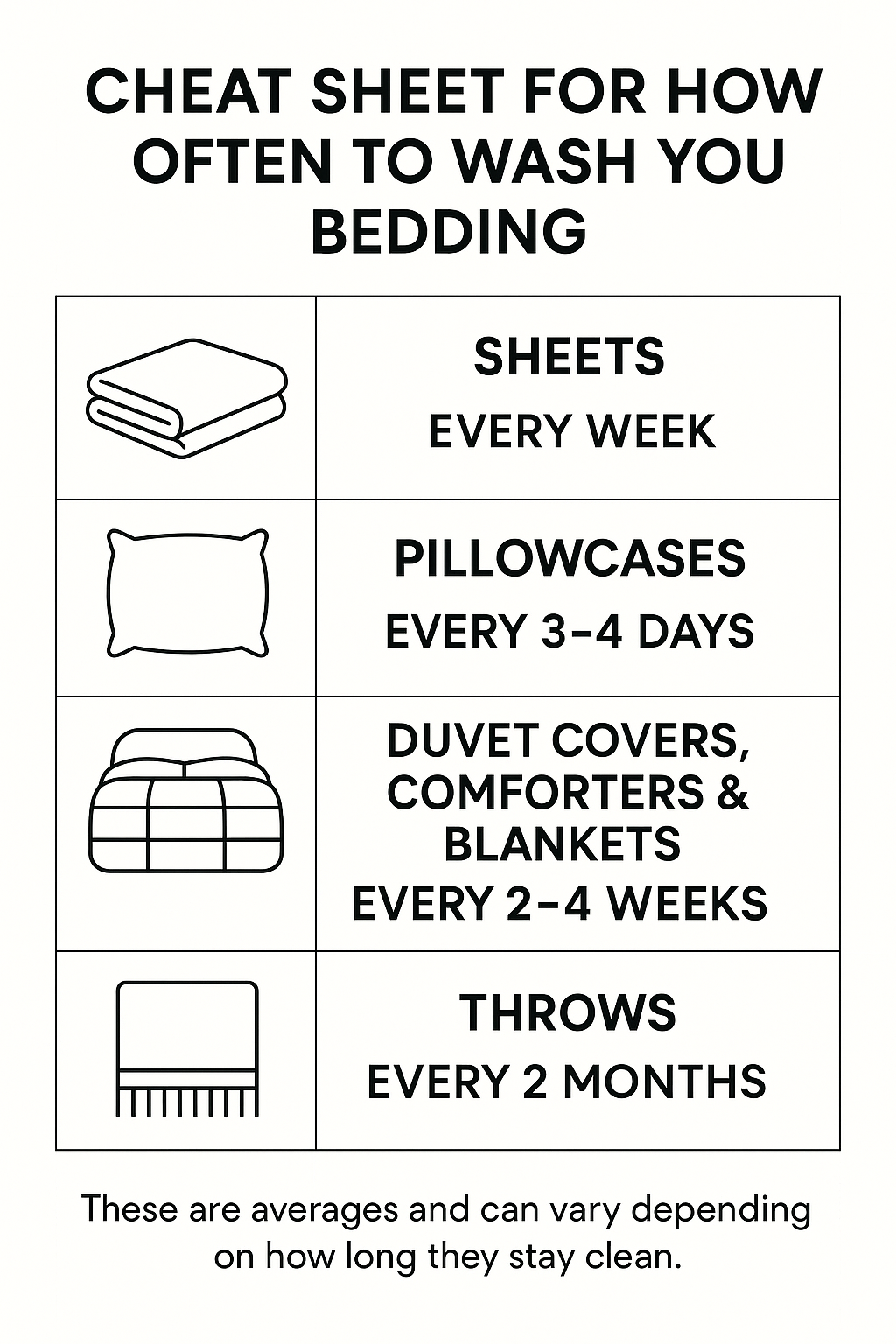
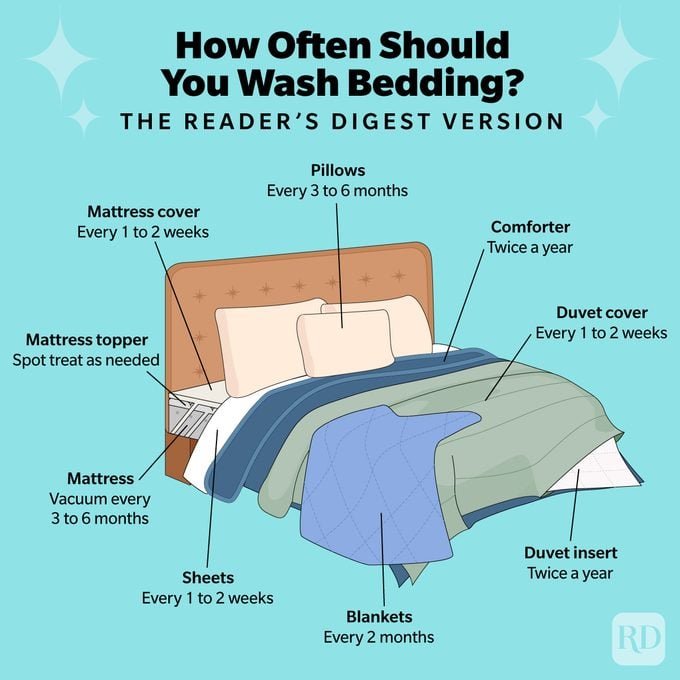
| Bedding Item | Recommended Change Frequency |
|---|---|
| Pillowcases | 1 week |
| Sheets | 1 week |
| Duvet Cover | 1-2 weeks |
| Blankets/Throws | 2-4 weeks |
| Duvet Insert | 3-6 months |
Non-obvious insight: Washing pillowcases more often than your duvet cover can help prevent facial acne.
How Climate And Location Affect Duvet Cover Changes
Where you live can change how often you need to wash your bedding:
- Hot and humid climates: Sweat and bacteria build up faster. Weekly changes are best.
- Cold climates: Less sweat means you can change less often, but dust can still collect.
- Urban areas: More dust and pollution may mean more frequent changes.
If you live in a dusty or polluted area, keep windows closed and use an air purifier to reduce buildup.
How To Make Changing Your Duvet Cover Easier
Many people avoid changing their duvet cover because it feels like a hassle. Here are some ways to make it simpler:
- Buy an easy-on duvet cover: Some have zippers or corner ties for quick changes.
- Use the “burrito” method: Roll the duvet and cover together, then unroll for a fast fit.
- Have a spare cover: Keep an extra clean one ready for quick swaps.
- Change with the sheets: Make it a habit—change the duvet cover whenever you wash your sheets.
Credit: lucentglobe.com
The Bottom Line
Changing your duvet cover is about more than just looks. It’s a key part of keeping your bed healthy and comfortable. Most people should aim to change their duvet cover every 1 to 2 weeks, but your needs may be different. If you have allergies, sweat at night, or share your bed with pets, weekly changes are best. Use the tips above to find the right schedule for you, and don’t wait for visible dirt or odors. A fresh duvet cover means better sleep and a healthier home.
For more on healthy sleep habits, you can visit the Sleep Foundation.
Frequently Asked Questions
How Often Should I Change My Duvet Cover If I Have Allergies?
If you suffer from allergies, it’s best to change your duvet cover once a week. This reduces dust mites and allergens that can make your symptoms worse.
Can I Wash My Duvet Cover With My Sheets?
Yes, you can wash your duvet cover with sheets if your washing machine is large enough. Just don’t overload the machine—bedding needs room to move for a thorough clean.
What’s The Fastest Way To Put On A Duvet Cover?
The “burrito method” is popular. Lay the cover inside out, place the duvet on top, roll them together, then unroll with the cover right side out. This makes changing the cover easier and faster.
Is It Safe To Use Fabric Softener On Duvet Covers?
Fabric softener is safe for most cotton and polyester duvet covers, but avoid it for silk or performance fabrics. It can leave residue and reduce fabric breathability.
How Can I Keep My Duvet Cover Clean Between Washes?
Shower before bed, wear clean pajamas, and avoid eating in bed. Also, make your bed each day and use a mattress protector to keep your bedding cleaner for longer.
Credit: www.rd.com
