
Cord Cover For Floor Safety Guide
Loose cords on the floor are a hidden danger in many homes, offices, and public spaces. Tripping over cables can lead to serious injuries and even lawsuits in commercial settings. Cords that are not covered can also be damaged by foot traffic, leading to equipment failure or even electrical fires. That’s why using a cord cover for floor safety is more than just a neatness hack—it’s a practical step for keeping people safe and protecting your equipment.
Choosing the right cord cover is not always simple. Many people buy the first product they see, but later face problems like poor fit, slippery surfaces, or covers that don’t last. This guide will help you understand everything you need to know about floor cord covers.
You’ll learn what matters most when choosing, how to install them, and mistakes to avoid. Whether you’re a homeowner, office manager, or safety officer, you’ll find clear and useful advice here.
Why Floor Cord Safety Matters
Every year, thousands of people are injured by tripping hazards such as loose cords. According to the U.S. Consumer Product Safety Commission, more than 1 million emergency room visits each year are due to trips and falls. In offices, these accidents often happen because power cords or data cables are stretched across walkways. The risks are especially high for children, elderly people, and those with mobility issues.
Cord covers also protect the cables themselves. Heavy foot traffic can crush or damage cables, leading to malfunctions or short circuits. Over time, this can cause expensive repairs or replacements. In some industries, damaged cables can even violate safety codes or insurance requirements.
How Cord Covers Work
A cord cover is a protective channel, usually made of rubber, plastic, or metal, that sits over cables lying on the floor. It creates a smooth, raised surface, so people step over it safely instead of tripping. Most cord covers are designed with a flat bottom to grip the floor, and a rounded or tapered top to let feet or wheels pass smoothly.
Cord covers come in different sizes and shapes. Some are simple strips for home use, while others are heavy-duty ramps for warehouses or event spaces. Many models allow you to fit several cords inside, keeping everything organized and protected.
Key Factors When Choosing A Cord Cover
Selecting the wrong cord cover can lead to more problems than solutions. Here are the main things you should check before buying:
1. Material
Rubber cord covers are flexible and grip the floor well, making them good for uneven surfaces or high-traffic areas. Plastic covers are lighter and usually cheaper, but may slip if not secured. Metal covers are used for heavy-duty needs but can be slippery and noisy.
2. Capacity
Make sure the cover can hold all your cables. Some have just one channel; others have multiple channels for organizing power and data cords separately.
3. Size And Height
Measure your cables and choose a cover with enough internal space. Also, check the height—taller covers are more visible but can be a bigger trip hazard if not noticed.
4. Color And Visibility
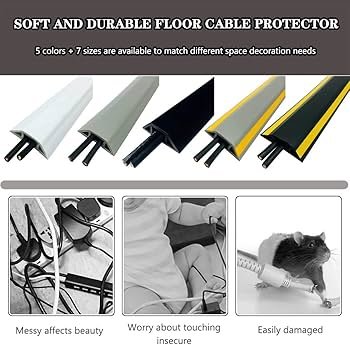
Bright colors or warning stripes make cord covers easier to see, reducing the risk of tripping. Black or gray covers blend in but can be a hazard in dim lighting.
5. Slip Resistance
The bottom of the cover should grip the floor and not slide easily. Some covers also have textured tops for extra safety.
6. Ease Of Installation
Some cord covers snap open for easy cable insertion, while others require you to thread the cable through. Choose based on how often you need to add or remove cords.
7. Indoor Or Outdoor Use
Not all covers are weather-resistant. If you need to use them outside, pick products rated for UV and water resistance.
Here’s a quick comparison of three popular materials:
| Material | Pros | Cons | Best For |
|---|---|---|---|
| Rubber | Flexible, non-slip, durable | Heavier, may smell at first | High-traffic areas, uneven floors |
| Plastic | Lightweight, easy to cut, cheap | Less grip, less durable | Home, light office use |
| Metal | Very strong, long-lasting | Slippery, noisy, expensive | Warehouses, industrial sites |
Types Of Floor Cord Covers
Cord covers are not one-size-fits-all. Understanding the main types can help you choose what’s right for your needs.
1. Single Channel
These are the most basic type, with one slot for a single cable. They’re slim and simple, often used in homes for lamps or phone chargers.
2. Multi-channel
These have two or more compartments, allowing you to separate data and power cables. This reduces signal interference and keeps things organized.
3. Low-profile
These are thinner and less noticeable, ideal for offices where carts or wheelchairs pass through.
4. Heavy-duty
Made from thick rubber or metal, these covers can handle cars, forklifts, or heavy equipment. They’re used in warehouses, event venues, and construction sites.
5. Flexible Cord Covers
Some covers are made from a soft material that bends easily, perfect for curved or uneven floors.
6. Self-adhesive Cord Covers
These have a sticky base for quick installation. They’re best for temporary setups or where you can’t use heavy covers.
Here’s a table to help compare the main types:
| Type | Channels | Best Feature | Common Use |
|---|---|---|---|
| Single Channel | 1 | Slim, easy to hide | Home, small offices |
| Multi-Channel | 2-5 | Organizes cables, less interference | Offices, conference rooms |
| Heavy-Duty | 1-5+ | Handles vehicles, very strong | Events, warehouses |
Credit: manuals.plus
Step-by-step: How To Install A Cord Cover
Installing a cord cover is usually simple, but doing it right makes a big difference in safety and appearance. Here’s what to do:
1. Measure The Area
Decide where the cover will go and measure the length needed. Always buy a little extra, in case you need to trim or extend.
2. Prepare The Floor
Clean the area to remove dust, dirt, or moisture. This helps the cover grip the floor and prevents slipping.
3. Open The Cover
Some covers have a slot or snap-open design. If it’s a solid tube, you may need to thread the cable through before laying it down.
4. Insert The Cables
Place the cables inside the channel(s). Don’t force too many cables in—this can cause bulging or damage.
5. Lay Down The Cover
Position the cover carefully. For self-adhesive types, peel off the backing and press firmly.
6. Secure The Ends
Some covers have connectors or end caps to keep them in place. In high-traffic areas, consider taping down the ends for extra safety.
7. Test For Stability
Step on the cover to make sure it doesn’t move or slip. Adjust as needed.
Practical Tips For Installation
- Cutting to Size: Use a sharp utility knife or strong scissors for rubber and plastic. For metal, use a hacksaw.
- Corners and Turns: Some brands sell corner pieces or flexible segments for neat installation around bends.
- Labeling: If you have multiple cables inside, label each end for easy troubleshooting later.
Common Mistakes To Avoid
Many people make simple errors when using cord covers. Avoid these to keep your space safe:
- Choosing the Wrong Size: If the cover is too small, cables will bulge out, creating a new trip hazard.
- Ignoring Visibility: Dark covers on dark floors are hard to see. Use warning colors or stripes in busy areas.
- Skipping Floor Prep: Dust or oil can make covers slip, even with non-slip bottoms.
- Overfilling Channels: Forcing too many cables can damage both the cords and the cover.
- Not Securing the Ends: Loose ends can catch feet or wheels, leading to accidents.
A less obvious mistake is using an indoor-only cover outdoors. Sunlight and rain can quickly damage standard plastic or rubber, making them unsafe.
Credit: www.amazon.com
Real-world Examples
In a busy call center, loose phone cords caused four trips in one month. After installing yellow-striped, multi-channel cord covers along walkways, accidents dropped to zero.
A school science lab had several extension cords running across the floor. Using heavy-duty rubber covers, they not only stopped tripping accidents but also prevented cable damage from rolling chairs.
At a trade show, organizers used self-adhesive covers to hide temporary AV cables. The covers blended with the carpet, and no incidents were reported despite heavy foot traffic.
Maintenance And Cleaning
Cord covers need regular checks to stay safe and effective:
- Inspect Weekly: Look for cracks, tears, or loose ends, especially in high-traffic areas.
- Clean Regularly: Wipe with a damp cloth to remove dust and spills. Avoid harsh chemicals that can damage rubber or plastic.
- Replace When Worn: If the cover loses its shape, grip, or color, replace it immediately.
For outdoor covers, check after heavy rain or snow. Water can get inside and cause mold or electrical hazards.
Regulations And Safety Standards
In many workplaces, using cord covers is required by law or company policy. The Occupational Safety and Health Administration (OSHA) in the U.S. states that all walking and working surfaces should be kept clear of hazards, including loose cords. Failing to do so can lead to fines or legal problems if someone is injured.
Some cord covers are tested to specific safety standards for slip resistance or fire safety. Check for certifications like UL or CSA if you work in a regulated industry.
For more details on workplace safety, visit the OSHA Trip and Fall Prevention page.
Cost And Value
Cord covers come in a wide price range. Simple plastic strips for home use start around $10, while heavy-duty, multi-channel covers for warehouses can cost $100 or more each. Remember, the cost of one lawsuit or equipment failure is much higher than buying a quality cover.
Here’s an overview of price versus features:
| Price Range | Type | Common Features | Typical Use |
|---|---|---|---|
| $10–$25 | Single channel, plastic | Lightweight, basic colors | Homes, small offices |
| $25–$60 | Multi-channel, rubber | Grip base, warning stripes | Offices, classrooms |
| $60–$150+ | Heavy-duty, metal/rubber | High weight capacity, modular | Events, warehouses, outdoor |
Credit: www.polycor.com
Two Insights Many People Miss
First, not all cord covers are equal for wheel traffic. If you use carts, wheelchairs, or even robots, pick a low-profile, ramped cover to avoid bumps or jams.
Second, signal cables and power cables can interfere with each other if run side by side. Multi-channel covers help keep them apart, reducing the risk of data loss in office settings.
Frequently Asked Questions
What Is The Best Material For A Cord Cover?
The best material depends on your needs. Rubber is durable and non-slip, ideal for high-traffic or uneven surfaces. Plastic is lighter and cheaper, good for home use. Metal is best for heavy-duty, industrial areas.
Can Cord Covers Be Used Outdoors?
Yes, but only covers rated for outdoor use. These resist sunlight, rain, and temperature changes. Indoor covers can break down quickly outside and become unsafe.
How Do I Choose The Right Size Cord Cover?
Measure your cables and the space where the cover will go. Make sure the channel is wide and tall enough for your cords, and that the cover isn’t too high to become a trip hazard.
Are Cord Covers Safe For Wheelchairs And Carts?
Yes, but choose a low-profile, ramped design. This allows wheels to pass smoothly and safely, without jolts or risk of tipping.
How Often Should Cord Covers Be Replaced?
Check your covers every few months for wear, cracks, or loss of grip. Replace immediately if they show signs of damage or no longer stay in place.
A safe, neat space is not just about looks—it’s about protecting people and equipment. Choosing and using the right cord cover for floor safety is a small step with big benefits. With the guidance above, you can make smart choices, avoid common mistakes, and keep your home or workplace secure.