
Cashmere Blanket Worth The Price Or Not
Imagine wrapping yourself in a blanket that feels lighter than air but warmer than a heavy quilt. That’s the promise of a cashmere blanket. For centuries, cashmere has been a symbol of luxury, comfort, and warmth. But with price tags that can be ten or even twenty times higher than a regular wool or cotton throw, many people wonder: is a cashmere blanket really worth the price? This article will help you decide, with simple language and practical advice, whether investing in cashmere is right for you.
What Is Cashmere?
Cashmere comes from the soft undercoat of cashmere goats, mostly found in Mongolia, China, and parts of Iran and Afghanistan. The fibers are collected during the molting season, then cleaned, sorted, and spun into yarn. What makes cashmere special is its unique combination of softness, lightness, and warmth. Only a few grams of this precious fiber can be collected from each goat every year, which is one reason for the high price.
How Cashmere Compares To Other Materials
Many buyers ask how cashmere stands against other popular blanket materials like wool, cotton, and synthetics. Here’s a direct look:
| Material | Warmth | Softness | Weight | Price Range (USD) |
|---|---|---|---|---|
| Cashmere | Excellent | Very soft | Very light | 200-2000+ |
| Wool | Good | Medium | Medium | 50-300 |
| Cotton | Fair | Soft | Light | 20-150 |
| Polyester/Fleece | Fair | Soft | Light | 10-80 |
You can see that cashmere is much more expensive, but it also offers a rare softness and warmth not found in other fibers.
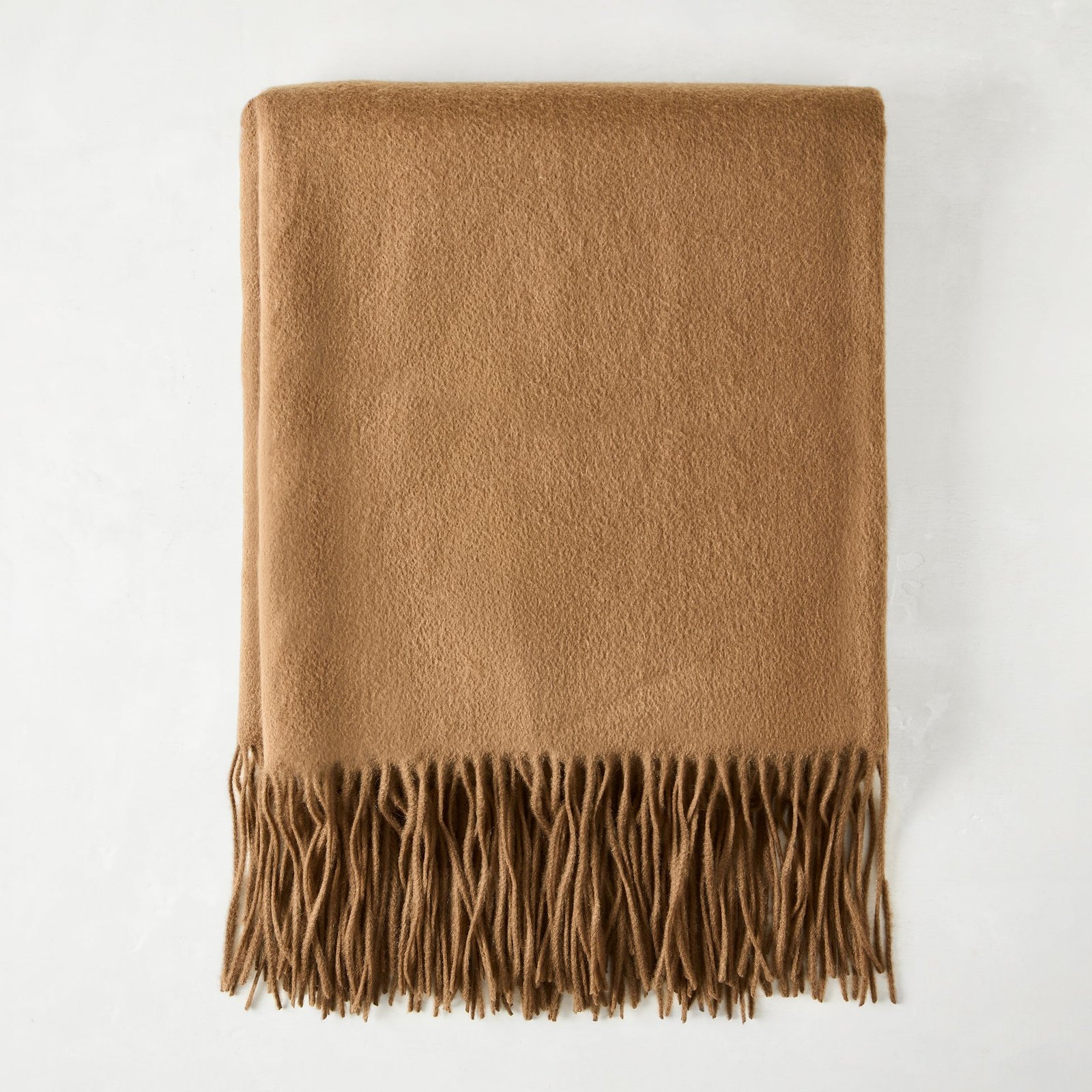
Credit: hudsongracesf.com
Why Cashmere Blankets Cost So Much
There are a few reasons why cashmere blankets are so expensive:
- Limited supply: Each goat produces only about 200 grams of usable cashmere a year. That’s enough for a scarf, but a full blanket needs the fiber from several goats.
- Labor-intensive process: The fibers are hand-combed, sorted, and spun. High-quality cashmere takes time and skill to produce.
- Quality control: Only the longest, thinnest, and softest fibers are used for luxury blankets. Lower quality fibers might be used in cheaper products.
- Brand and craftsmanship: Well-known luxury brands often charge more, but they also guarantee quality and durability.
Benefits Of A Cashmere Blanket
If you’re considering a cashmere blanket, it’s important to understand what you’re really getting for your money. Here are the main benefits:
1. Superior Softness
Cashmere fibers are extremely fine, measuring only 14-19 microns in diameter. For comparison, a human hair is about 70 microns wide. This makes cashmere one of the softest fibers in the world. Many people with sensitive skin find cashmere less itchy than wool.
2. Light But Warm
Cashmere is famous for its ability to trap heat without being heavy. A cashmere blanket is often warmer than a wool one of the same weight. This makes it ideal for people who want warmth without bulk.
3. Breathability
Unlike synthetic blankets, cashmere allows air to circulate. This means you stay warm without overheating, making it comfortable in different seasons.
4. Durability When Cared For
With proper care, a high-quality cashmere blanket can last for many years. Some families pass them down as heirlooms. However, cashmere does require gentle handling.
5. Luxury And Style
For many, owning a cashmere blanket is about more than just warmth. It’s a statement of comfort and personal style. The natural sheen and drape of cashmere look and feel elegant in any home.
Downsides And Real Concerns
Of course, no product is perfect. Here are some things to consider before buying a cashmere blanket:
1. High Price
A real cashmere blanket is a major investment. Even a small throw can cost several hundred dollars, while larger, branded pieces may go over a thousand.
2. Maintenance
Cashmere needs special care. Most blankets must be hand-washed or dry cleaned. Machine washing can cause shrinking, pilling, or damage to the fibers.
3. Susceptibility To Pilling
Even the best cashmere can develop tiny balls of fiber, called “pills,” after some use. These can be removed with a cashmere comb, but they are a natural part of the material.
4. Risk Of Imitation
Many products labeled as cashmere are blends or low-grade fibers. Some manufacturers mix cashmere with wool or synthetics to lower the price, so you may not always get what you pay for.
How To Tell If A Cashmere Blanket Is High Quality
Before you spend a large amount, it’s important to know how to spot real quality. Here are some tips:
- Check the label: True cashmere blankets are labeled “100% cashmere.” If it says “cashmere blend,” it contains other fibers.
- Feel the texture: Real cashmere is very soft but not slippery. If it feels too silky or rough, it’s likely blended.
- Look for long fibers: High-quality cashmere pills less and lasts longer. The finest blankets use long, thin fibers.
- Test the stretch: Gently pull the fabric. Real cashmere returns to its shape quickly.
- Buy from trusted sources: Well-known brands and reputable stores are less likely to sell fake products.
Here’s a quick comparison of features to look for:
| Feature | High-Quality Cashmere | Low-Quality/Blended |
|---|---|---|
| Label | 100% Cashmere | Cashmere Blend/No Label |
| Feel | Soft, plush | Rough or slippery |
| Pilling | Minimal, easy to remove | Heavy, hard to clean |
| Price | High (>$200) | Low (<$100) |
Who Should Buy A Cashmere Blanket?
A cashmere blanket is not for everyone. Based on experience, here’s who will get the most value:
- People with sensitive skin who find wool itchy.
- Those living in colder climates or with drafty homes.
- Anyone who values luxury and style in their home.
- People looking for long-term investment in comfort.
- Gift givers who want to give something truly special.
If you need a blanket for pets, kids, or heavy daily use, a cotton or wool blanket might be a better choice.
Cost Breakdown: Is It Worth It?
Let’s look at the cost in practical terms. If you buy a cashmere blanket for $800 and use it every winter night for 10 years, that’s about $0. 22 per night. Compare that to buying a $100 cotton blanket that lasts three years before wearing out ($0.
09 per night). While the cashmere is still more expensive, you get much greater comfort and luxury for your money.
But here’s a non-obvious insight: resale value for high-quality cashmere is surprisingly strong. Some vintage cashmere blankets, especially from well-known brands, can sell for hundreds of dollars after years of use.
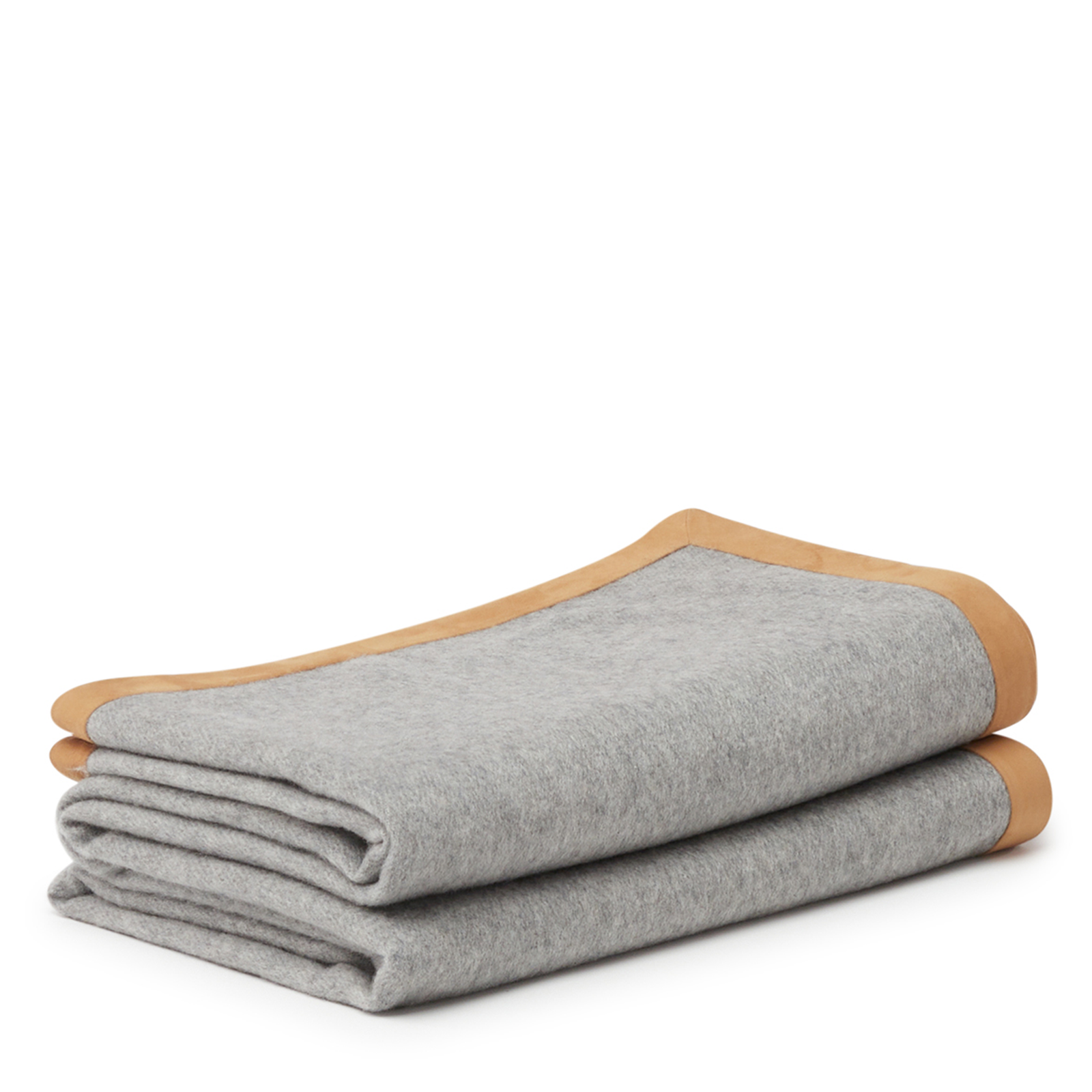
Credit: www.graysondevere.com
Common Mistakes When Buying Cashmere Blankets
Many buyers make mistakes that lead to disappointment:
- Buying blends thinking they’re pure cashmere: Always check the label and ask questions.
- Ignoring care instructions: Washing cashmere in hot water or a washing machine can ruin it quickly.
- Not checking return policies: If you buy online, make sure you can return or exchange the blanket if it doesn’t meet your expectations.
- Thinking all cashmere is the same: Price often reflects quality, but not always. Some brands charge more just for their name.
- Overlooking country of origin: Cashmere from Inner Mongolia is often considered the finest.
How To Care For A Cashmere Blanket
To keep your cashmere blanket beautiful, follow these steps:
- Hand wash in cold water with a gentle detergent. Do not wring or twist.
- Dry flat on a towel, away from heat or sunlight.
- Store folded in a cool, dry place. Avoid hanging, which can stretch the fibers.
- Protect from moths by storing with cedar balls or lavender sachets.
- Remove pills gently with a cashmere comb.
Here’s a summary of care steps:
| Care Step | Best Practice |
|---|---|
| Washing | Hand wash cold, gentle detergent |
| Drying | Lay flat, air dry |
| Storing | Fold, keep cool and dry |
| Pill Removal | Use cashmere comb |
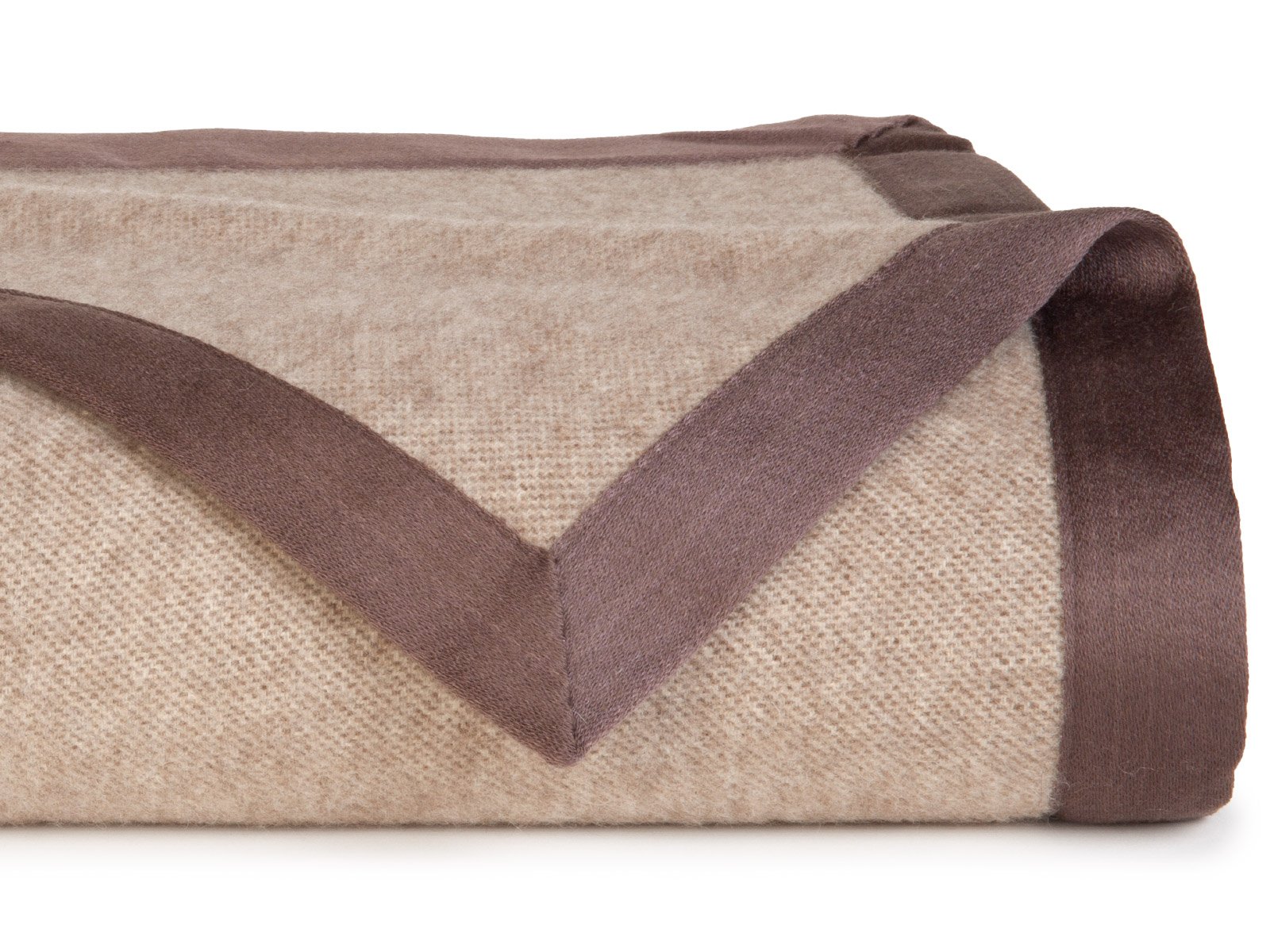
Credit: schweitzerlinen.com
Is A Cashmere Blanket Worth The Price?
The answer depends on your needs and values. If you prize ultimate comfort, gentle warmth, and lasting beauty, a cashmere blanket is often worth the investment. It brings a sense of luxury to everyday life that few other items can match. On the other hand, if you want something low-maintenance, affordable, or kid-friendly, you may be happier with other materials.
One thing is certain: a real cashmere blanket, cared for properly, delivers a unique experience that’s hard to match. It’s not just a blanket—it’s a personal luxury that can last for decades.
For more about the history and science of cashmere, see this Wikipedia article.
Frequently Asked Questions
What Makes Cashmere Blankets So Warm?
Cashmere fibers have tiny air pockets that trap heat efficiently. This allows cashmere blankets to keep you much warmer than cotton or synthetic blankets of the same thickness.
Can You Wash A Cashmere Blanket At Home?
Yes, but you must hand wash with cold water and a gentle soap. Never use hot water or a washing machine, as this can damage the fibers. Always dry flat to keep the shape.
How Do I Avoid Buying Fake Cashmere?
Buy from trusted sellers and check for “100% cashmere” on the label. Real cashmere feels soft but not slippery, and it should bounce back when gently stretched.
Why Do Cashmere Blankets Pill?
Pilling happens when short fibers work their way to the surface and form small balls. Even the best cashmere pills a little, but longer fibers pill less. You can gently remove pills with a special comb.
Is Cashmere Ethical And Sustainable?
Cashmere production can impact the environment, especially if herds are not managed responsibly. Look for brands that use sustainable practices and buy from regions known for ethical treatment of animals.
A cashmere blanket is a luxury purchase, but for many, it’s a worthwhile investment in comfort and style. If you choose carefully and care for it well, your blanket can bring warmth and joy for years to come.