
Staying warm on a cold night is important for both comfort and sleep quality. Many people use electric blankets to add warmth to their beds. But what if you want even more coziness—can you put a comforter on top of an electric blanket?
This is a common question, especially for those who want maximum warmth without risking safety or damaging their bedding. The answer involves more than just preference; it includes safety, effectiveness, and even the longevity of your bedding and electric blanket.
Let’s explore every angle so you can sleep comfortably and safely.
Understanding Electric Blankets And Comforters
Before deciding how to layer your bedding, it’s helpful to understand how electric blankets and comforters work.
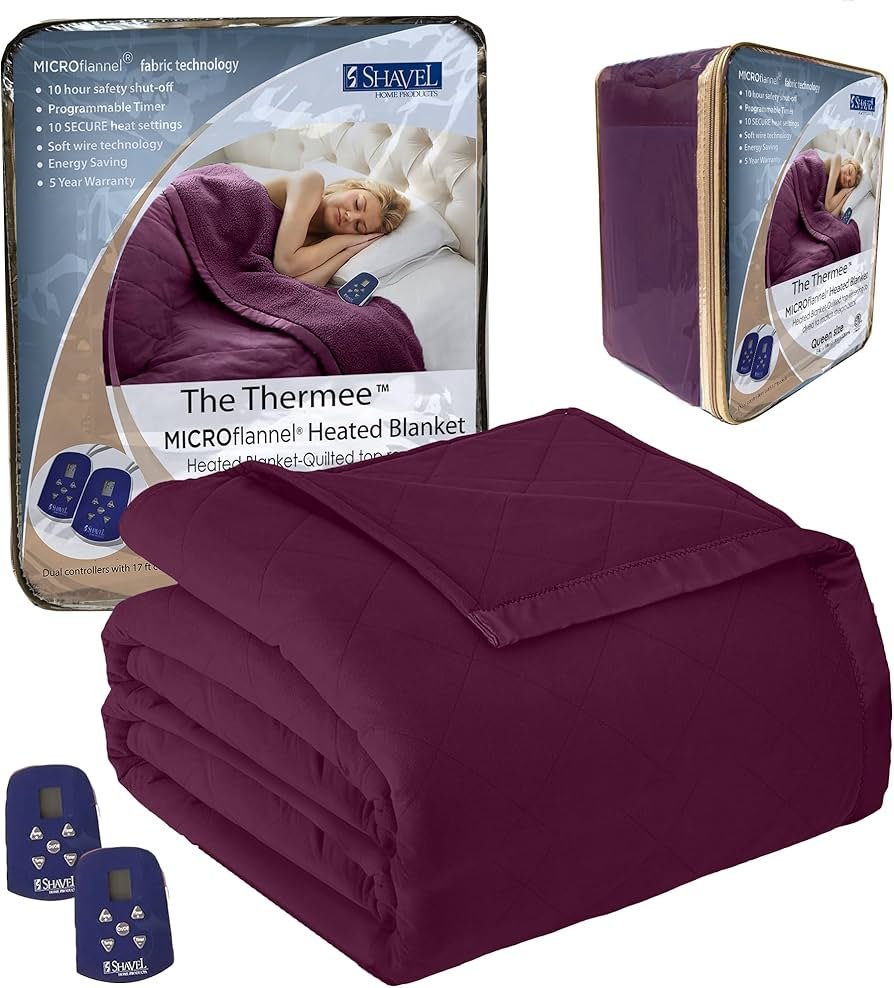
Electric blankets have thin wires or heating elements sewn inside. When you plug them in and turn them on, electricity heats the wires, warming up the blanket. Most modern electric blankets have adjustable heat settings and built-in safety features, such as automatic shut-off and overheat protection.
Comforters are thick, fluffy blankets usually filled with materials like down, feathers, or synthetic fibers. Their purpose is to trap air and keep you warm by insulation, not by generating heat.
Both have their strengths. An electric blanket gives you direct, adjustable warmth, while a comforter adds soft, even insulation.
Is It Safe To Put A Comforter On Top Of An Electric Blanket?
This is the most important question. The short answer is yes, in most cases, it is safe to put a comforter on top of an electric blanket. However, there are important safety guidelines to follow:
- Manufacturer’s Instructions: Always check your electric blanket’s care label or manual. Most will say it’s safe to use a comforter on top, but some may advise against it.
- Avoid Overheating: Adding a thick comforter can trap heat. If your electric blanket does not have an overheat protection feature, this can be risky. Overheating may damage the blanket or, rarely, cause a fire hazard.
- Do Not Pinch or Fold: Make sure the electric blanket lies flat. If it’s bunched up under a heavy comforter, the wires could bend or break, creating a safety risk.
- Use Modern Models: Older electric blankets may not have safety features found in newer ones. If your blanket is more than 10 years old, replace it before layering.
What The Experts Say
The Electrical Safety Foundation International and most electric blanket manufacturers agree: layering a comforter on top is generally safe with a modern, well-maintained blanket, as long as you follow the safety rules.
How To Layer Bedding With An Electric Blanket
Layering your bedding properly makes a big difference in both warmth and safety. Here’s the safest and most effective way:
- Place the fitted sheet directly on your mattress.
- Lay the electric blanket on top of the fitted sheet. Make sure it is flat with no folds or wrinkles.
- Spread a flat sheet over the electric blanket (optional, but helps protect it).
- Add your comforter or duvet as the top layer.
This setup allows the electric blanket’s warmth to rise and be trapped by the comforter, creating a cozy sleeping environment.
Should The Electric Blanket Go On Top Or Bottom?
The electric blanket should always go under the comforter, not above it. This is because:
- The blanket warms you and the sheets, and the comforter helps hold that warmth.
- Placing the electric blanket on top may expose the wires to damage from movement or pets.
- You get better heat distribution and protection for the blanket.
Key Benefits Of Using A Comforter Over An Electric Blanket
Using both a comforter and an electric blanket, in the correct order, offers several advantages:
- Maximized Warmth: The comforter traps heat from the electric blanket, keeping you warm for longer.
- Energy Savings: You can use the electric blanket on a lower setting, saving electricity.
- Comfort: Many people find a comforter softer and more pleasant against the skin than an electric blanket.
- Even Heat: The comforter spreads the warmth more evenly, reducing hot or cold spots.
Real-life Example
A study by the U. S. Department of Energy found that lowering your room temperature by 1°C (about 2°F) and using an electric blanket with a comforter can cut heating costs by 5-10%. This shows you can be comfortable and save money.

Credit: www.amazon.com
Safety Precautions For Using Electric Blankets With Comforters
While using a comforter on top is usually safe, don’t ignore basic safety steps:
- Inspect Your Blanket Regularly: Look for signs of wear, damage, or exposed wires.
- Don’t Use If Wet: Never use an electric blanket if it’s damp or wet.
- Children and Pets: Be extra careful if children or pets use the bed, as they may damage the wiring.
- Don’t Tuck In Tightly: Allow air to move around the electric blanket to avoid overheating.
- Turn Off When Not in Use: Don’t leave the electric blanket on all night unless it’s designed for all-night use.
When Not To Use A Comforter With An Electric Blanket
There are times when you should avoid this setup:
- If your electric blanket manual says not to.
- If the blanket is old or damaged.
- If you notice the blanket getting unusually hot or smelling strange.
- If you have certain medical conditions (like poor circulation) or cannot sense heat properly.
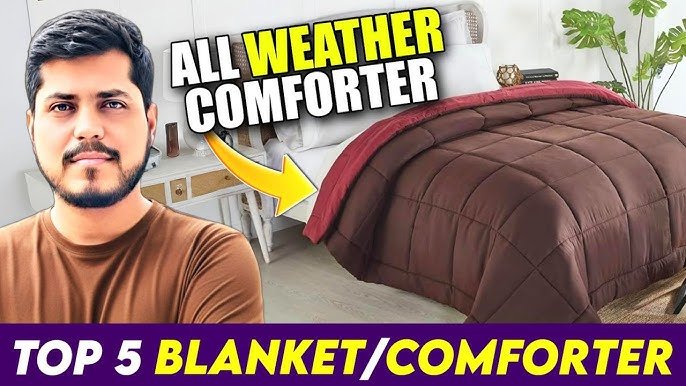
Comparing Warmth: Comforter Alone Vs. Electric Blanket Alone Vs. Both Together
To help you understand the difference in warmth, here’s a comparison:
| Setup | Warmth Level | Best For |
|---|---|---|
| Comforter Only | Moderate (depends on thickness) | Cool to mild nights |
| Electric Blanket Only | Adjustable, direct warmth | Cold nights, quick heating |
| Both Together | Maximum, long-lasting warmth | Very cold nights, energy savings |
Credit: www.youtube.com
How Different Comforter Materials Affect Electric Blanket Use
Not all comforters are the same. The material can affect heat retention and safety.
| Comforter Material | Heat Retention | Notes |
|---|---|---|
| Down | Excellent | Very warm, lightweight, can trap heat well |
| Synthetic | Good | Hypoallergenic, warms up quickly |
| Cotton | Moderate | Breathable, may not trap as much heat |
| Wool | Very Good | Absorbs moisture, excellent insulator |
Tip: Avoid very heavy comforters with older or basic electric blankets, as too much weight can damage the wires.
Common Mistakes To Avoid
Many people use electric blankets with comforters, but there are some mistakes beginners often make:
- Using a Damaged Blanket: Never use an electric blanket with any damage.
- Covering With Too Many Layers: More is not always better. Too many layers can trap too much heat, possibly causing overheating.
- Incorrect Placement: The electric blanket should be under the comforter, not above.
- Not Reading the Manual: Each blanket may have unique care instructions.
- Leaving the Blanket On Unattended: Always turn off the blanket when not in bed.
Tips For Getting The Best Sleep With Both
- Preheat Your Bed: Turn on the electric blanket 20-30 minutes before bedtime, then switch it off or to a low setting when you get in.
- Use a Timer: If your blanket has a timer, set it to turn off after you fall asleep.
- Choose the Right Comforter Weight: Match your comforter to your climate so you don’t overheat.
- Wash Carefully: Only wash electric blankets as directed. Comforters can usually be washed more often.
- Store Properly: In warm weather, remove the electric blanket and store it flat or rolled—not folded.
Myths And Misunderstandings
You may hear some myths about using electric blankets and comforters together. Here are a few:
- Myth: It’s always dangerous to put bedding over an electric blanket.
Truth: Modern, well-maintained electric blankets are designed to work with bedding on top.
- Myth: Using both wastes energy.
Truth: You can actually save energy by using a comforter with the electric blanket on a lower setting.
- Myth: Only thin sheets should go over electric blankets.
Truth: Comforters are fine as long as they are not extremely heavy and the blanket is in good condition.
If you want more detailed safety information, the Electrical Safety Foundation International is a reliable source.
Credit: www.amazon.com
Frequently Asked Questions
Can I Use A Weighted Blanket With An Electric Blanket?
It is not recommended. Weighted blankets can be heavy, and this extra weight may damage the wires inside an electric blanket or cause it to overheat. If you want the benefits of both, use them separately, not together.
Is It Safe To Sleep All Night With The Electric Blanket On Under A Comforter?
Many modern electric blankets are designed for all-night use and have automatic shut-off features. However, it’s safest to preheat your bed and turn the blanket off before sleeping, especially if you’re a deep sleeper or forgetful.
Will Putting A Comforter On Top Of My Electric Blanket Make It Last Longer?
A comforter can help protect the electric blanket from dust and spills. But it won’t directly extend its life. The best way to make your electric blanket last is to handle it gently, avoid folding, and follow cleaning instructions.
What Should I Do If My Electric Blanket Feels Too Hot Under A Comforter?
Turn off the blanket immediately and check if it’s on the correct setting. If the problem continues, stop using it and contact the manufacturer. Overheating is a sign of possible malfunction.
Can I Use An Electric Blanket With A Comforter For Children Or Elderly People?
Use extra caution. Children and the elderly may not be able to sense overheating or move the blanket away if they feel too hot. Choose a blanket with a reliable thermostat and auto shut-off, and never leave them unattended with it.
Staying cozy in winter is about smart layering and safety. By following the right steps, you can enjoy the warmth of an electric blanket and the comfort of your favorite comforter—without worry. Always check your specific blanket’s instructions, watch for signs of wear, and enjoy restful, warm nights all season long.