
Many people dream of having a calm, green bathroom that feels like a spa. The good news is, with the right indoor plants, you can make this dream come true. Bathrooms are different from other rooms because of their high humidity, lower light, and temperature changes. But these conditions can be perfect for some special plants. In fact, many houseplants love the extra moisture and warmth that comes with bathroom life.
This article will guide you through the best indoor plants for bathroom humidity, explaining why they thrive, what makes them unique, and how to care for them. Whether your bathroom is large or small, has a window or not, you’ll find a plant that fits your space and makes your daily routine a little greener.
Why Choose Plants For Your Bathroom?
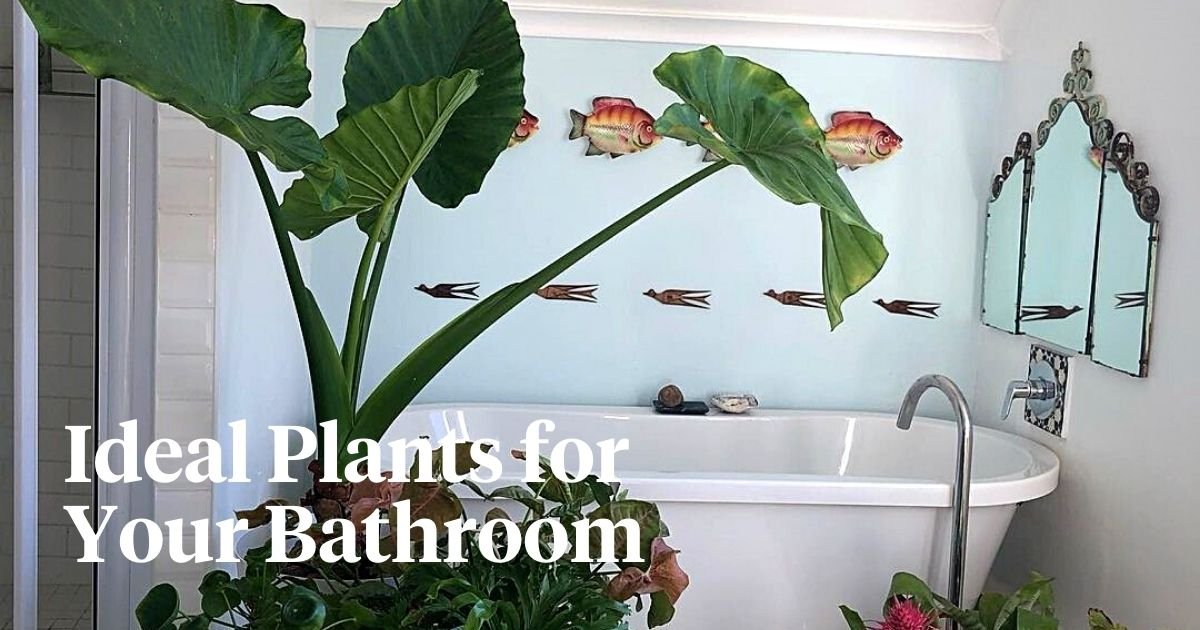
Bathrooms are not just a place to get clean—they can also become a sanctuary for both you and your plants. The constant humidity from hot showers, combined with limited sunlight, can make bathrooms challenging for some plants, but perfect for others.
Adding plants to your bathroom does more than just improve the look. Some benefits include:
- Cleaner air: Many plants help filter toxins and add oxygen.
- Natural humidity control: Plants can absorb extra moisture, reducing mold growth.
- Stress reduction: Greenery helps you relax.
- Easy maintenance: Some humidity-loving plants need less watering.
But not all houseplants will thrive here. The key is to pick those that naturally love moisture and can handle low to medium light.
Top Indoor Plants For Bathroom Humidity
Here are the best indoor plants that not only survive but truly enjoy the humid conditions of most bathrooms.
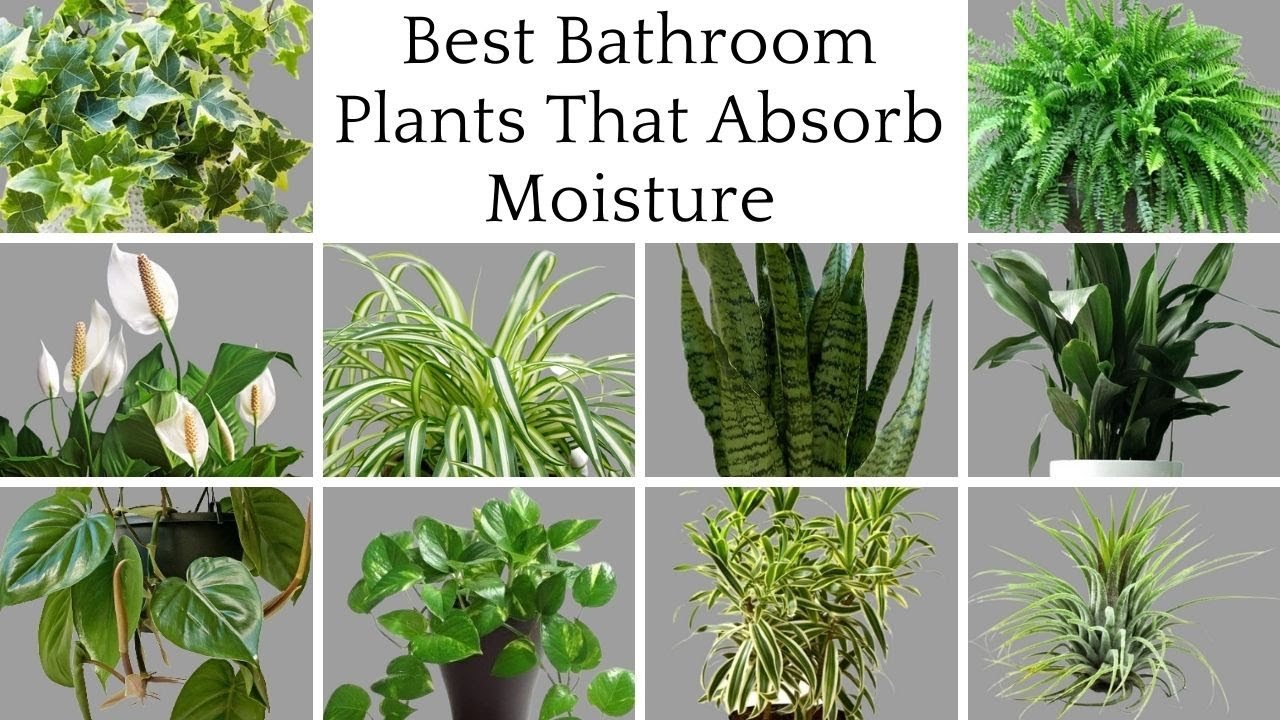
1. Spider Plant (chlorophytum Comosum)
Spider plants are famous for being tough and easy to care for. They love humidity, making them ideal for bathrooms. Their arching leaves and small “babies” look beautiful in hanging baskets or on shelves.
- Light: Bright, indirect sunlight but can survive in low light.
- Water: Water when soil is slightly dry.
- Extra tip: Brown leaf tips usually mean the air is too dry or water is too hard.
2. Boston Fern (nephrolepis Exaltata)
The Boston fern is a classic choice for bathrooms. Its feathery fronds need more moisture than most indoor plants, and the bathroom’s humidity keeps them lush and green.
- Light: Indirect sunlight is best.
- Water: Keep soil moist but not soggy.
- Non-obvious insight: They love being misted often, especially if your bathroom gets dry in winter.
3. Peace Lily (spathiphyllum)
Peace lilies are not only beautiful, but they also help clean the air. Their shiny leaves and white flowers brighten any corner. High humidity helps prevent their leaf tips from browning.
- Light: Low to medium light.
- Water: Water when the top inch of soil is dry.
- Practical example: Place it on the floor or a shelf away from direct sunlight.
4. Pothos (epipremnum Aureum)
The pothos is known for its trailing vines and heart-shaped leaves. It is nearly impossible to kill and adapts well to humidity, so bathrooms are perfect.
- Light: Low to bright, indirect light.
- Water: Let soil dry out between waterings.
- Extra tip: Cut back long vines to keep the plant bushy.
5. Zz Plant (zamioculcas Zamiifolia)
ZZ plants are famous for surviving neglect. They tolerate low light and love the extra moisture in bathrooms.
- Light: Low to medium light.
- Water: Allow soil to dry completely before watering.
- Non-obvious insight: Overwatering can harm ZZ plants more than humidity.
6. Snake Plant (sansevieria)
The snake plant has tall, upright leaves that add a modern look. It’s one of the best plants for beginners and handles bathroom humidity well.
- Light: Low to bright light.
- Water: Water only when soil is dry.
- Practical example: Place it near the shower where steam rises.
7. Bamboo (lucky Bamboo – Dracaena Sanderiana)
Lucky bamboo is not true bamboo, but it thrives in water and humid conditions. It’s a favorite for bathroom counters and window sills.
- Light: Indirect sunlight.
- Water: Keep the roots in clean, filtered water.
- Extra tip: Change the water every 2 weeks to prevent rot.
8. Aloe Vera
Aloe vera is known for its healing gel, but it also enjoys a humid bathroom. It prefers a sunny window but can handle lower light for a while.
- Light: Bright, indirect light.
- Water: Water deeply, then allow soil to dry out.
- Non-obvious insight: Aloe needs good drainage, so use a pot with holes.
9. Orchids
Orchids are famous for their stunning flowers and love humidity. Bathrooms mimic their natural tropical environment.
- Light: Bright, indirect light.
- Water: Water about once a week.
- Practical example: Set the orchid on a windowsill that gets morning sun.
10. Cast Iron Plant (aspidistra Elatior)
The cast iron plant lives up to its name—it’s almost indestructible. It can handle low light, humidity, and some neglect.
- Light: Low light.
- Water: Water when soil is dry to the touch.
- Non-obvious insight: It’s slow-growing but very long-lived.
11. Philodendron
Philodendrons have heart-shaped leaves and do well in humid bathrooms. They grow quickly and are easy to train on shelves or trellises.
- Light: Medium to low indirect light.
- Water: Water when the top inch of soil is dry.
- Extra tip: Wipe leaves with a damp cloth to remove dust.
12. Bird’s Nest Fern (asplenium Nidus)
The bird’s nest fern has shiny, wavy leaves that look dramatic in any space. It thrives in the consistent moisture of a bathroom.
- Light: Medium, indirect light.
- Water: Keep soil moist, but not soggy.
- Practical example: Avoid watering the center “nest” to prevent rot.
13. Calathea
Calathea plants are famous for their patterned leaves and need high humidity. Bathrooms help prevent their leaves from curling or browning.
- Light: Low to medium indirect light.
- Water: Keep soil evenly moist.
- Non-obvious insight: Calatheas are sensitive to chemicals in tap water; use filtered water if possible.
14. Chinese Evergreen (aglaonema)
The Chinese evergreen is perfect for beginners. Its colorful leaves brighten up dull bathrooms and it’s very forgiving.
- Light: Low to medium light.
- Water: Water when the top 2 inches of soil feel dry.
- Practical example: Rotate the pot every month for even growth.
15. Ferns (general)
Besides Boston fern, other ferns like maidenhair and staghorn love bathroom humidity. They are delicate, so moisture matters.
- Light: Indirect light.
- Water: Keep soil moist.
- Extra tip: Place ferns near the shower for best results.
Credit: www.youtube.com
Quick Comparison Of Bathroom Plants’ Light And Water Needs
Here’s a handy guide to quickly compare some of the top bathroom plants:
| Plant Name | Light Needs | Water Needs | Humidity Tolerance |
|---|---|---|---|
| Spider Plant | Low to Bright Indirect | Moderate | High |
| Boston Fern | Indirect | High | Very High |
| Peace Lily | Low to Medium | Moderate | High |
| Pothos | Low to Bright Indirect | Low | High |
| ZZ Plant | Low to Medium | Low | Medium-High |
How To Care For Bathroom Plants
While these plants are ideal for humidity, giving them the right care will help them thrive.
Light
Bathrooms often have small or frosted windows. Choose plants that can handle low light or place them where they get the brightest spot available. If your bathroom has no window, consider a small grow light.
Water
Humidity can fool you into thinking plants need less water. Always check the soil before watering. Most bathroom plants enjoy moist soil but hate sitting in water.
Potting And Drainage
Use pots with drainage holes. Good drainage prevents root rot, especially in high-humidity rooms.
Fertilizer
Feed your bathroom plants every 4-6 weeks during the growing season (spring and summer). Use a diluted liquid fertilizer for most species.
Air Circulation
Don’t keep your bathroom closed all the time. Open the door or window to prevent mold and keep the air fresh for your plants.
Cleaning Leaves
Dust and soap from showers can cover leaves. Wipe them gently with a damp cloth every few weeks.

Credit: www.housebeautiful.com
Common Mistakes To Avoid
Many new plant owners make simple errors in the bathroom that can harm their plants.
- Overwatering: High humidity slows evaporation, so soil can stay wet longer.
- Poor light: Even humidity-loving plants need some light. Total darkness won’t work.
- Wrong plant choice: Some plants need dry air. Avoid succulents (except aloe) unless your bathroom is very bright.
- Ignoring pests: Bathrooms attract fungus gnats and mold. Check leaves and soil often.
Matching Plants To Your Bathroom Size And Style
Not every bathroom is the same. Here’s a quick guide to help you choose plants based on your space and décor.
| Bathroom Type | Recommended Plants | Placement Ideas |
|---|---|---|
| Small Bathroom | Spider Plant, Pothos, Lucky Bamboo | Hanging baskets, shelf corners |
| Large Bathroom | Boston Fern, Peace Lily, Bird’s Nest Fern | Floor pots, window ledges |
| No Window Bathroom | ZZ Plant, Snake Plant, Philodendron | Under artificial grow light |
| Modern Style | Snake Plant, Orchids, Aloe Vera | Minimalist pots, glass jars |
| Classic/Vintage Style | Boston Fern, Calathea, Cast Iron Plant | Decorative planters, hanging pots |
Non-obvious Insights For Beginners
- Humidity is not a replacement for watering: Even if your bathroom is steamy, check the soil with your finger. Plants can still dry out, especially near heating vents or fans.
- Rot is a real risk: High humidity encourages root and stem rot if drainage is poor. Always use pots with holes and a well-draining soil mix.
- Water quality matters: Some bathroom plants (like calathea or lucky bamboo) are sensitive to chemicals in tap water. Use filtered or rainwater if possible.
- Shower placement can be risky: Placing plants too close to the shower or bath can cause sudden temperature changes. Place them a bit farther away but still within the humid zone.
- Mold can grow on leaves: Wipe leaves with a damp cloth to prevent mold and keep your plant healthy.
Frequently Asked Questions
What Are The Best Low Light Plants For Bathrooms?
Some of the best low light plants are ZZ plant, snake plant, peace lily, pothos, and cast iron plant. These species can survive with less sunlight, making them ideal for bathrooms with small or frosted windows.
Can I Keep Succulents In A Humid Bathroom?
Most succulents prefer dry air and lots of sunlight, so they often do poorly in humid bathrooms. An exception is aloe vera, which can handle some humidity if placed near a window.
How Often Should I Water Bathroom Plants?
There is no one answer because it depends on the plant, pot, and light. In general, check the soil with your finger. Water when the top inch or two feels dry. Humidity slows down soil drying, so you may water less often than in other rooms.
What Is The Easiest Plant For Bathroom Beginners?
The pothos is extremely easy for beginners. It tolerates low light, high humidity, and occasional missed waterings. The spider plant and ZZ plant are also great choices.
Do Bathroom Plants Really Help With Air Quality?
Yes, many bathroom plants like peace lily, spider plant, and snake plant help filter toxins and improve air quality. For more on how plants clean the air, check this NASA Clean Air Study.
Bringing the right plants into your bathroom can transform your daily routine and improve your air quality. With these tips and plant suggestions, you’ll create a green, relaxing bathroom space that both you and your plants will love.
Credit: thursd.com