
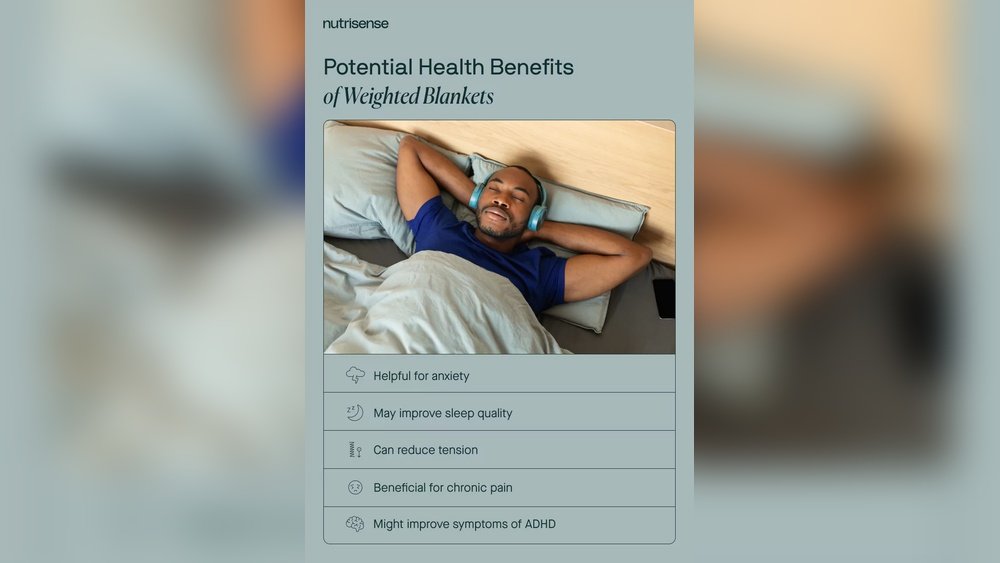
Everyday life feels stressful for many people. The pressure to perform, social worries, or just a busy mind can trigger anxiety. Some nights, it’s hard to sleep because your thoughts keep spinning. If you’ve heard about weighted blankets, you might wonder: do they really help with anxiety—or is it just a trend? The answer is more interesting than you might expect.
Weighted blankets are not new. They were used for years in therapy for people with autism and sensory issues. But now, millions use them to calm nerves and improve sleep. The science behind them is simple but powerful: deep pressure can relax the body and mind. This article explains how weighted blankets work, why they are good for anxiety, and what you should know before trying one. Let’s explore the facts, myths, and real benefits, so you can decide if a weighted blanket is right for you.
How Weighted Blankets Work
Weighted blankets look like regular comforters, but they’re filled with beads or pellets to add weight—usually between 5 and 30 pounds. The goal is to create deep touch pressure. This gentle, even pressure feels like a firm hug. It signals your body to relax.
When your body feels deep pressure, it reacts in a special way. The nervous system moves from “fight or flight” mode to “rest and digest. ” This means your heart rate slows, muscles relax, and you feel calmer. Think of how a baby calms down when swaddled or how a hug can lower stress.
Weighted blankets use this same principle for adults and children.
The Science Of Deep Pressure Stimulation
Deep pressure stimulation (DPS) is the technical term for this calming effect. Therapists have used DPS in many forms—like massage, firm holding, or weighted vests. The pressure sends signals to the brain, telling it to release serotonin and dopamine—chemicals that improve mood and reduce anxiety. At the same time, it lowers cortisol, the stress hormone.
One study published in the “Journal of Sleep Medicine & Disorders” found that people using weighted blankets had less movement during sleep and felt less anxious. Another study showed improved sleep quality and faster sleep onset. While research is still growing, the early results are promising.
Why Weighted Blankets Are Good For Anxiety
Anxiety can feel different for everyone. Some people get a racing heart, others feel restless or can’t focus. Weighted blankets help in several ways:
1. Calming The Nervous System
The gentle pressure from a weighted blanket activates the parasympathetic nervous system. This is the part of your body that tells you to relax after stress. As a result, your breathing slows, heart rate drops, and you feel more at ease. For people with anxiety, this can break the cycle of panic or worry.
2. Promoting Better Sleep
Many people with anxiety struggle to fall asleep or wake up often at night. Weighted blankets can help you sleep deeper and longer. A 2020 study in “The Journal of Clinical Sleep Medicine” found that adults with anxiety or insomnia slept better and woke up less when using a weighted blanket.
3. Lowering Stress Hormones
When you feel anxious, your body releases cortisol. High cortisol causes tension, headaches, and trouble sleeping. Deep pressure from a weighted blanket helps reduce this hormone. Over time, this can improve your overall well-being and make it easier to manage stress.
4. Creating A Safe Space
For many, a weighted blanket gives a sense of security. The feeling is similar to being hugged or wrapped in a soft cocoon. This comfort is especially helpful when anxious thoughts make you feel unsafe or overwhelmed.
5. Helping With Restlessness And Fidgeting
Anxiety often causes restlessness—tapping your foot, tossing in bed, or feeling like you can’t sit still. The weight of the blanket helps anchor your body. This can make it easier to stay still and feel grounded.
6. Supporting Mindfulness And Relaxation
A weighted blanket encourages you to be present. The sensation draws your attention to your body, which can help quiet a racing mind. Some therapists even use weighted blankets during mindfulness exercises to deepen relaxation.
What Makes A Good Weighted Blanket For Anxiety
Not all weighted blankets are the same. Choosing the right one is important for safety and comfort. Here are key factors to consider:
Weight
The general rule is to pick a blanket that is about 10% of your body weight. For example, if you weigh 150 pounds, a 15-pound blanket is ideal. Too heavy, and it may feel uncomfortable. Too light, and you won’t get the full benefit.
Size
Choose a blanket that covers your body from shoulders to feet but doesn’t hang off the bed. Weighted blankets are usually smaller than regular comforters, focusing weight on your body, not the bed.
Filling Material
Most blankets use glass beads or plastic pellets for weight. Glass beads are quieter and feel smoother. Some blankets use organic grains, but these can hold moisture and may not last as long.
Fabric
Soft, breathable fabrics like cotton or bamboo are best for comfort and temperature control. Some blankets have removable covers for easy washing.
Stitching And Construction
Look for blankets with strong stitching and small pockets. This keeps the weight evenly distributed and prevents shifting.
Here’s a quick comparison of key features:
| Feature | Best Choice | Why It Matters |
|---|---|---|
| Weight | About 10% of body weight | Ensures safety and effectiveness |
| Filling | Glass beads | Quiet, durable, less bulky |
| Fabric | Cotton or bamboo | Soft, breathable, good for sensitive skin |
| Size | Fits user, not bed | Focuses weight where needed |
Who Can Benefit Most From Weighted Blankets
Weighted blankets help many people, but some groups may see the biggest benefits:
- Adults with anxiety: Calms nerves, improves sleep quality.
- Children with sensory issues: Helps them feel safe, reduces meltdowns.
- People with insomnia: Makes falling asleep easier.
- Those with ADHD or autism: Reduces restlessness and sensory overload.
However, weighted blankets are not for everyone. Children under 2 years old, people with breathing problems, or those with weak muscles should not use them without a doctor’s advice.

Credit: www.ilhafm.com.br
Real-world Results: What Users Say
Many people who struggle with anxiety say a weighted blanket changed their daily life. Here are a few common experiences:
- Falling asleep faster and staying asleep longer
- Feeling calmer during panic attacks
- Using the blanket during stressful moments at work or school
- Less tossing and turning at night
Of course, some people don’t like the sensation. Others may feel too hot, especially in warm climates. But for many, the benefits outweigh the drawbacks.
Common Myths About Weighted Blankets
Weighted blankets have become a popular trend. With popularity come myths and misunderstandings. Let’s clear up the most common ones:
“a Heavier Blanket Is Always Better”
This is false. Too much weight can feel suffocating and may not be safe. Stick to the 10% rule for best results.
“weighted Blankets Cure Anxiety”
Weighted blankets are a helpful tool, not a cure. They can lower symptoms, but they don’t replace therapy, medication, or lifestyle changes.
“anyone Can Use A Weighted Blanket”
Most healthy adults and older children can use them. But people with certain health conditions (like asthma, sleep apnea, or limited mobility) should talk to a doctor first.
“you’ll Sleep Better The First Night”
Some people notice results right away, but others need a week or two to adjust. Don’t give up if you don’t feel immediate changes.
What Beginners Often Miss
When starting with a weighted blanket, some important points are easy to overlook:
- Temperature Control: Weighted blankets can get warm. If you’re a hot sleeper, choose one with breathable fabric or cooling technology.
- Adjustment Period: It can take a few nights to get used to the weight. Start with short periods before using it all night.
- Cleaning: Weighted blankets can be heavy and hard to wash. Look for one with a removable, machine-washable cover.
Comparing Weighted Blankets With Other Anxiety Tools
Weighted blankets are just one option for managing anxiety. How do they compare with other tools?
| Tool | How It Works | Best For |
|---|---|---|
| Weighted blanket | Deep pressure stimulation | Nighttime anxiety, restlessness |
| Meditation app | Guided relaxation, mindfulness | Daytime stress, mental clarity |
| Breathing exercises | Slows heart rate, calms nerves | Panic attacks, quick relief |
| Herbal tea | Promotes relaxation | Mild anxiety, bedtime routine |
Weighted blankets stand out for their physical, comforting effect—something digital tools can’t provide.
Practical Tips For Using A Weighted Blanket
To get the most from your weighted blanket, keep these tips in mind:
- Start slowly. Use it for 10-15 minutes the first night, then increase time as you feel comfortable.
- Keep it above your shoulders. Never cover your head or face.
- Use a cover. This keeps your blanket clean and easy to wash.
- Store properly. When not in use, keep it in a dry place to avoid mold or odors.
- Combine with other methods. Weighted blankets work best alongside therapy, healthy sleep habits, and relaxation exercises.
Data And Research: What Studies Show
If you want numbers, research supports the benefits of weighted blankets:
- In a 2015 study, 63% of adults reported lower anxiety after using a weighted blanket.
- Another study with 120 people found that weighted blankets improved sleep quality and reduced symptoms of insomnia.
- The American Occupational Therapy Association supports the use of deep pressure for calming anxiety.
For more research, see this Wikipedia article on weighted blankets.
Credit: news.cuanschutz.edu
Are There Any Risks?
Weighted blankets are safe for most people. Still, there are some risks:
- Too heavy: Can cause discomfort or breathing problems.
- Not suitable for everyone: Avoid for young children, people with severe respiratory or mobility problems.
- Allergies: Some fillings or fabrics can cause reactions.
If you’re unsure, talk to your doctor before trying a weighted blanket—especially if you have health concerns.
Frequently Asked Questions
What Weight Should I Choose For My Weighted Blanket?
Pick a blanket about 10% of your body weight. For example, if you weigh 120 pounds, a 12-pound blanket is usually ideal. If you’re between sizes, start lighter to see what feels best.
Can Children Use Weighted Blankets?
Yes, but only children over age 2—and only with supervision. Always follow the manufacturer’s age and weight guidelines.
How Long Does It Take To See Results?
Some people feel calmer after the first night. Others need up to two weeks to adjust. Give your body time to get used to the sensation.
Are There Any Side Effects?
Most people have no problems, but a blanket that’s too heavy can cause discomfort or trouble breathing. If you feel hot or claustrophobic, try a lighter weight or a more breathable fabric.
Can I Use A Weighted Blanket All Year Round?
Yes, but you may want a lighter or cooling version in summer. Some blankets have removable covers for different seasons.
Weighted blankets offer a simple, science-backed way to manage anxiety. Their deep, even pressure calms the mind, improves sleep, and can make daily life less stressful. But they are not a cure-all—think of them as one useful tool among many.
If you’re curious, start with a blanket that matches your body weight and pay attention to how you feel. With the right approach, a weighted blanket could become your favorite comfort on anxious days and restless nights.

Credit: pbclegal.it
