
When the heat of summer arrives, even the most comfortable bedroom can feel stuffy and restless. Many people wake up sweating, tossing, and unable to sleep well. What most people don’t realize is that the bedsheet you choose can make a huge difference in how cool and comfortable your nights are. The right bedsheet can help your body breathe, let sweat evaporate, and keep you from overheating. Choosing the best bedsheet for summer is not just about color or pattern—it’s about fabric, weave, and even how you care for your bedding. Let’s explore how to pick the perfect bedsheet for warm nights, which materials work best, and some practical tips that will help you sleep cooler all summer.
Why Bedsheet Material Matters In Summer
The material of your bedsheet controls how well it handles heat and moisture. In summer, your body produces more sweat, and the air can feel sticky. Some fabrics trap heat and make you sweat more, while others pull moisture away from your skin and let air flow easily. A good summer bedsheet will help you feel cool, dry, and comfortable.
Many beginners focus only on thread count or price. However, the most important things for summer are breathability, moisture-wicking, and quick drying. Natural fibers usually perform better than synthetic ones, but the way a fabric is woven also plays a big role.
Best Bedsheet Fabrics For Summer
Not all fabrics are created equal when it comes to hot weather. Here are the top options for summer bedsheets, along with their advantages and possible drawbacks.
1. Cotton
Cotton is the most popular bedding fabric worldwide. For summer, it’s hard to beat because it’s:
- Highly breathable
- Absorbs moisture
- Soft and comfortable
Types of cotton: Not all cotton is the same. Look for Egyptian cotton or Pima cotton for the softest, most durable sheets. Regular cotton is also good, but may not feel as smooth.
Drawbacks: Cotton can wrinkle easily. Some lower-quality cotton sheets may lose their softness after washing.
2. Linen
Linen comes from the flax plant. It’s one of the best choices for extremely hot or humid climates.
- Exceptional airflow
- Naturally moisture-wicking
- Gets softer with each wash
Linen sheets feel cool to the touch and dry very quickly. They also have a relaxed, “lived-in” look.
Drawbacks: Linen can feel rough the first few uses, but softens over time. It wrinkles easily and can be expensive.
3. Bamboo
Bamboo viscose or bamboo-derived rayon sheets are becoming very popular for summer.
- Silky smooth texture
- Naturally antibacterial
- Very breathable and moisture-wicking
Many people with sensitive skin find bamboo sheets soothing. They also resist odors.
Drawbacks: Bamboo sheets can be pricey. Quality varies a lot, so check for certifications.
4. Tencel (lyocell)
Tencel is made from wood pulp (often eucalyptus). It’s an eco-friendly, modern bedding option.
- Feels cool and soft
- Excellent moisture management
- Smooth and less prone to wrinkles
Tencel sheets are great for hot sleepers and those with allergies.
Drawbacks: Tencel can be less durable than cotton if not cared for properly.
5. Percale Weave Cotton
Percale refers to the weave (not the fiber). It uses a simple one-over, one-under pattern.
- Crisp and cool feel
- Matte finish
- Highly breathable
Percale cotton is perfect if you like a light, hotel-style sheet.
Drawbacks: Percale can feel less soft than sateen weaves, and wrinkles more.
6. Microfiber
Microfiber is a synthetic fabric, usually made from polyester.
- Lightweight
- Dries quickly
- Affordable
Some high-quality microfiber sheets are surprisingly breathable, but most do not perform as well as natural fibers in hot weather.
Drawbacks: Microfiber can trap heat and may cause sweating in humid climates.
7. Jersey Knit
Jersey knit sheets are made with the same technique as T-shirts.
- Very soft and stretchy
- Breathable
- Affordable
These sheets are cozy but may feel too warm for some in extreme heat.
Drawbacks: Jersey knit can pill and may not stay cool enough for very hot nights.

Credit: safomasi.com
Comparing Top Summer Bedsheet Fabrics
To help you see the differences, here’s a comparison of the most popular summer bedsheet fabrics:
| Fabric | Breathability | Moisture-Wicking | Softness | Price |
|---|---|---|---|---|
| Cotton | High | Good | Soft | $$ |
| Linen | Very High | Excellent | Gets Softer | $$$ |
| Bamboo | High | Excellent | Silky | $$$ |
| Tencel | High | Excellent | Very Soft | $$$ |
| Percale Cotton | Very High | Good | Crisp | $$ |
Tip: Price ranges are approximate ($ = low, $$$ = high). Sometimes, paying a bit more can make a big difference in comfort and longevity.
Thread Count: Does It Matter For Summer?
Many shoppers believe that higher thread count means better quality. But in summer, this is often a mistake. A very high thread count (over 400) can actually make sheets less breathable and heavier. For hot weather, a thread count between 200 and 400 is ideal for cotton sheets. This range gives a good balance of softness, durability, and airflow.
Non-obvious insight: Some luxury brands advertise “1000 thread count” sheets, but these can be thick and trap heat. Focus more on the material and weave than just the thread count.
Weave Types And Their Effects
The way a bedsheet is woven affects how it feels and performs in summer.
| Weave Type | Texture | Best For |
|---|---|---|
| Percale | Crisp, matte | Cool sleepers, hot climates |
| Sateen | Silky, smooth | People who like a soft, shiny feel |
| Jersey | Stretchy, T-shirt-like | Mild summers, people who want softness |
| Linen | Textured, airy | Very hot, humid climates |
Crisp percale and textured linen are the best for airflow. Sateen weaves are smooth but can be warmer.
Color And Weight: Why They Matter
It’s not just about fabric. The color and weight of your bedsheet can also affect how cool you feel.
- Light colors reflect sunlight and heat. White, beige, or pastels are better than dark shades.
- Lighter weight sheets (not too thick) allow more air movement.
- Avoid heavy, flannel, or thermal sheets in summer.

Credit: www.rollingstone.com
Proper Bedsheet Care For Summer
How you care for your sheets also impacts summer comfort:
- Wash sheets weekly to remove sweat, body oils, and dust that can reduce breathability.
- Use mild detergent to keep fibers soft.
- Line dry when possible—sunlight helps kill bacteria and keeps sheets fresh.
- Avoid fabric softeners with natural fibers like cotton or linen, as these can coat the fibers and trap heat.
Pro tip: If you have allergies or sensitive skin, look for OEKO-TEX certified sheets, which are tested for harmful chemicals.
Common Mistakes When Choosing Summer Bedsheets
Many people make simple errors that lead to restless, sweaty nights. Here’s what to avoid:
- Buying high thread count for summer: As explained, this can trap heat.
- Choosing polyester or blended fabrics: They often don’t breathe well.
- Ignoring weave type: Sateen and flannel are cozy in winter, but too warm for summer.
- Not checking for certifications: Cheap bamboo or Tencel may use harsh chemicals.
- Focusing only on price: Low-cost sheets may feel rough, pill quickly, or shrink.
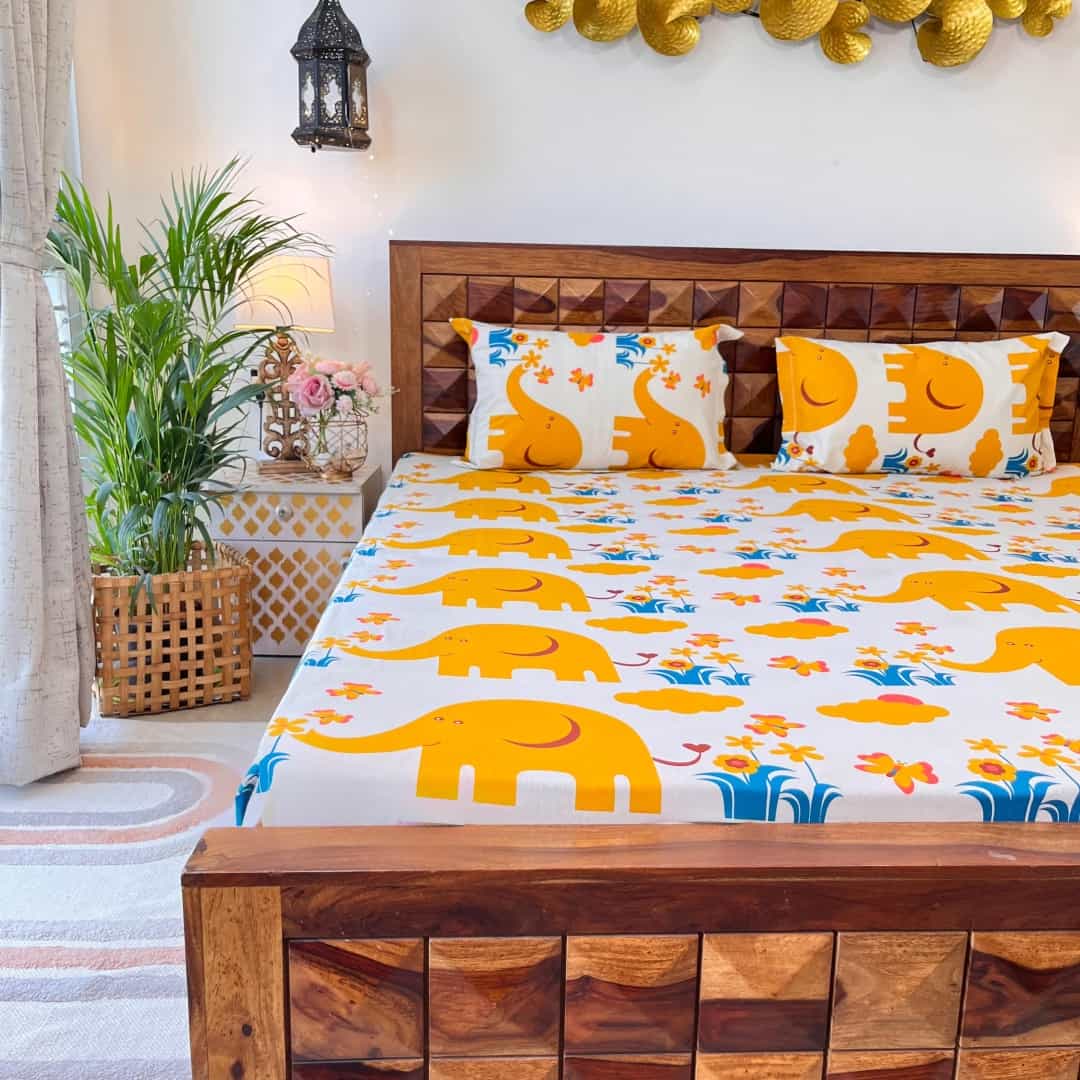
Credit: www.urbanspacestore.in
Special Features Worth Considering
Some bedsheets come with extra features that help in summer:
- Moisture-wicking technology: Some brands use special finishes to pull moisture from your body.
- Antibacterial properties: Bamboo and some treated cotton sheets resist bacteria and odors.
- Deep pockets: If you use a mattress topper for cooling, deep pocket sheets help keep everything in place.
Bedsheet Sizing And Fit
A bedsheet that fits well stays smooth and comfortable through the night. For summer, a loose, flat sheet can feel cooler than a tight, fitted one. Make sure you know your mattress size before buying.
| Mattress Size | Fitted Sheet Dimensions (inches) | Flat Sheet Dimensions (inches) |
|---|---|---|
| Twin | 39 x 75 | 66 x 96 |
| Full | 54 x 75 | 81 x 96 |
| Queen | 60 x 80 | 90 x 102 |
| King | 76 x 80 | 108 x 102 |
Tip: Always check the pocket depth if you have a thick mattress or topper.
Sustainable Choices For Eco-conscious Buyers
If you care about the environment, linen, organic cotton, bamboo, and Tencel are all sustainable options. These materials use less water and pesticides than regular cotton, and they break down naturally. Look for certifications like GOTS (Global Organic Textile Standard) or OEKO-TEX for extra peace of mind. For more on eco-friendly textiles, you can visit the OEKO-TEX official site.
Extra Tips For Cooler Sleep
Beyond choosing the right bedsheet, here are a few more ways to beat the summer heat:
- Use a lightweight blanket instead of a heavy comforter.
- Sleep with windows open or use a fan for airflow.
- Shower before bed to lower your body temperature.
- Consider a cooling pillow or mattress pad for extra comfort.
- Don’t overload your bed with extra pillows or throws that trap heat.
Frequently Asked Questions
What Is The Coolest Bedsheet Material For Summer?
Linen is often the coolest because it allows maximum airflow and wicks moisture away quickly. Cotton percale is also excellent for hot nights.
Are Bamboo Sheets Really Good For Hot Weather?
Yes, bamboo sheets are highly breathable, moisture-wicking, and feel silky. They are a great choice for hot sleepers or humid climates.
Does Thread Count Make A Difference In Summer Comfort?
Thread count matters, but higher is not always better. For summer, 200-400 thread count is ideal. Too high, and sheets can trap heat.
How Often Should I Wash My Bedsheets In Summer?
It’s best to wash sheets once a week in summer to remove sweat, oils, and bacteria that build up from hot nights.
Can I Use Microfiber Sheets In Summer?
Some microfiber sheets are lightweight, but most trap more heat than natural fabrics. For very hot weather, cotton, linen, or bamboo are better choices.
Choosing the right bedsheet for summer is more than just a comfort upgrade—it can transform how well you sleep through the hottest months. Focus on breathable fabrics like cotton, linen, bamboo, or Tencel, pick the right weave, and care for your bedding properly. Don’t fall for high thread counts or low prices alone. With the right sheet, you can turn even the hottest night into a cool, restful experience.
For more helpful guides, check out best material for cooling sheets, percale vs sateen sheets for hot sleepers, and linen vs cotton vs bamboo sheets.
Related: microfiber vs cotton bedsheets comparison
Start by decluttering to remove items you no longer need, then group remaining items by category and frequency of use. Invest in storage solutions that fit your space and daily workflow.
Start with the spaces you use most frequently: the kitchen, bedroom, and bathroom. Organizing high-traffic areas first delivers the biggest immediate impact on daily life and reduces everyday stress.
The key is creating systems everyone in the household can follow. Assign a specific home for every item, return things after use, and do a 10-minute tidy session each evening to maintain order.
Vertical storage, under-bed containers, over-door organizers, and multi-functional furniture are the most effective solutions for small homes. Use every inch of vertical space to maximize storage capacity.
A seasonal declutter (every 3 months) works well for most households. Use the change of seasons as a trigger to review clothing, pantry items, and household goods, donating or discarding anything unused.
