
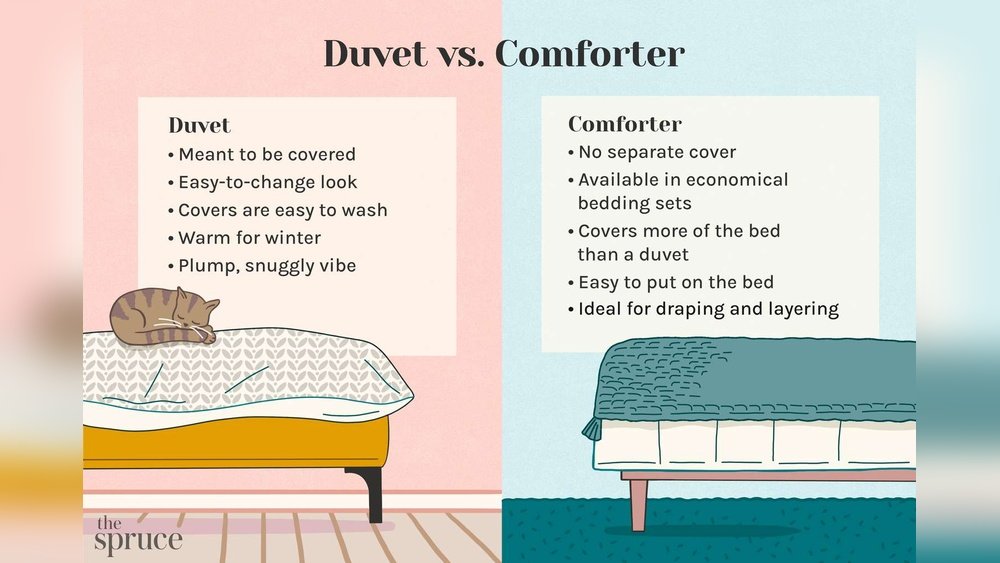
A good night’s sleep is more than just a comfortable mattress and soft pillows. Many people overlook one key part of the bedding: the duvet cover. At first glance, it may look like just another layer, but a duvet cover serves important roles in your bedroom. If you’ve ever wondered why you need one, or what makes it different from a regular comforter, you’re not alone. In this article, you’ll learn everything about duvet covers—what they are, why they matter, and how they can make your life easier.
What Is A Duvet Cover?
A duvet cover is a protective fabric case that slips over a duvet (sometimes called a comforter). Think of it as a giant pillowcase, but for your duvet. It usually closes with buttons, zippers, or ties. The main job of a duvet cover is to shield your duvet from dirt, sweat, and spills, and to make your bedding easy to clean and update. Duvet covers come in many materials, colors, and patterns, so you can change the look of your bed in minutes.
Main Functions Of A Duvet Cover
Let’s look at the real reasons why people use duvet covers. It’s not just about looks—there are practical benefits that make a big difference.
1. Protecting Your Duvet
A duvet is often filled with down, feathers, or synthetic fibers. These fillings can be hard to clean. Duvet covers act as a shield, keeping dust, dirt, body oils, and spills away from the inner duvet. This protection means your duvet stays fresh and lasts much longer.
2. Easy Cleaning
Most duvet covers are machine washable, while duvets themselves often need special care or dry cleaning. By washing just the cover, you keep your bedding clean with much less effort and cost. Imagine spilling coffee on your bed—removing and washing a duvet cover is simple.
Cleaning the duvet itself? That’s much harder.
3. Changing Style Quickly
Bored of your bedroom’s look? With a duvet cover, you can switch styles without buying a new duvet. Choose from bright colors, soft neutrals, or bold patterns. You can match your bedding to the season, your mood, or special events—without spending a lot.
4. Comfort And Feel
Duvet covers come in different materials: cotton, linen, silk, bamboo, and more. Each fabric feels different against your skin. If your duvet is warm but scratchy, a soft cotton cover can make it cozy. If you want a cool feel in summer, a bamboo or linen cover helps keep you comfortable.
5. Extending Duvet Life
Duvets are a big investment. Without protection, they can get stained, torn, or smelly. A duvet cover acts like armor, so you won’t have to replace your duvet as often. This saves you money in the long run.
6. Hypoallergenic Benefits
If you have allergies, dust mites or pet dander in bedding can be a problem. Some duvet covers are made from hypoallergenic materials or have tight weaves that block allergens. Washing the cover often helps keep your bed a safer, healthier place to sleep.
How A Duvet Cover Differs From Other Bedding
It’s easy to confuse duvet covers with comforters, quilts, or bedspreads. Here’s a quick look at how they compare:
| Bedding Type | Main Function | Cleaning | Style Changes |
|---|---|---|---|
| Duvet Cover | Protects duvet, adds style | Easy—just wash the cover | Very easy—swap covers |
| Comforter | All-in-one warmth and style | Harder—must wash whole piece | Must buy new comforter |
| Quilt | Layer for warmth or decor | Wash whole quilt | Buy new quilt |
Key insight: With a duvet cover, you only need to wash the outer layer, not the bulky duvet inside. This saves time and effort.
Types Of Duvet Covers
Duvet covers aren’t all the same. Their materials, closures, and designs can change your sleep experience.
Material Matters
- Cotton: Soft, breathable, and easy to clean. Great for everyday use.
- Linen: More textured and cool, perfect for hot climates.
- Silk: Smooth and luxurious, but needs gentle care.
- Microfiber: Affordable and wrinkle-resistant.
- Bamboo: Eco-friendly, soft, and moisture-wicking.
Each fabric has its pros and cons. For example, linen is strong but wrinkles easily. Cotton is softer but may shrink if not washed correctly. Beginners often miss how much fabric choice changes the way your bed feels.
Closure Types
- Zipper: Keeps the duvet tightly sealed, so it won’t slip out.
- Buttons: Classic look, but can pop open with rough use.
- Ties: Simple, but might loosen over time.
Some duvet covers also have corner ties inside. These help keep your duvet from bunching up or sliding around—a feature many people miss when buying their first cover.
Sizes
Duvet covers must match your duvet size: twin, full, queen, king, or California king. Too large and the duvet shifts inside; too small and it won’t close.
Here’s a helpful size comparison:
| Duvet Size | Typical Duvet Cover Size (inches) |
|---|---|
| Twin | 68 x 86 |
| Full/Queen | 88 x 92 |
| King | 104 x 90 |
| California King | 104 x 96 |
Tip: Always check your duvet’s size before buying a cover. Sizes can vary between brands.
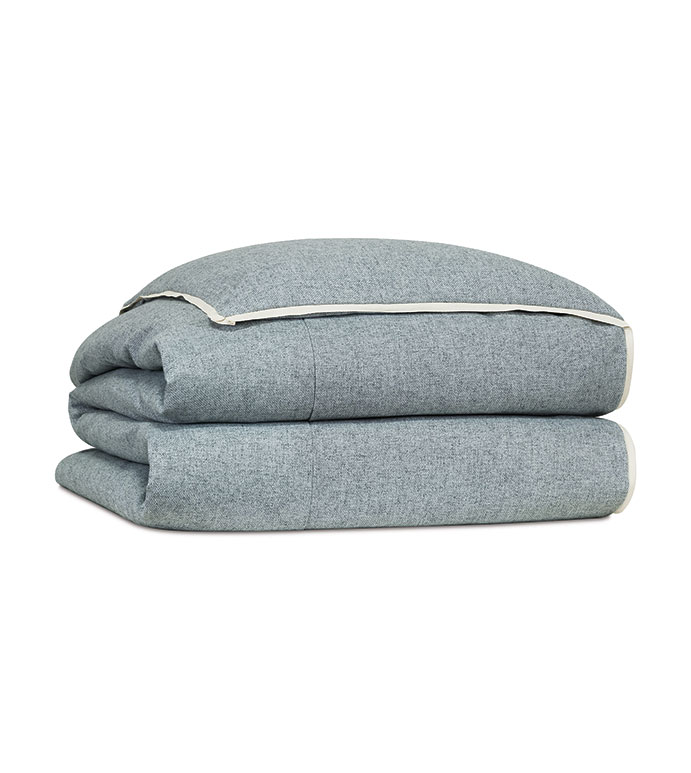
Credit: www.easternaccents.com
How To Use A Duvet Cover
If you’re new to duvet covers, stuffing a big, fluffy duvet inside a cover can feel tricky at first. Here’s a simple way:
- Turn the duvet cover inside out.
- Lay it flat on your bed, with the opening at the bottom.
- Place your duvet on top of the cover.
- Attach corner ties (if the cover has them) to the duvet’s corners.
- Start at the closed end, roll both the cover and duvet together like a burrito.
- Flip the cover’s opening around the rolled duvet.
- Unroll—your duvet should be perfectly inside the cover.
- Zip, button, or tie the cover closed.
This method is sometimes called the “burrito” or “California roll” method. It saves time and avoids bunching.
Duvet Covers And Bedroom Style
A duvet cover is the easiest way to change your room’s look. Want something cheerful for spring? Try a floral cover. Need a calm space for better sleep? Go for solid, muted tones. Unlike comforters, you don’t have to store big, bulky blankets—just fold covers and keep them in a drawer.
People often miss that you can mix and match covers with pillow shams and sheets for a designer look. Some brands offer complete bedding sets for a coordinated style.
Cost-effectiveness Of Duvet Covers
Replacing a duvet can be expensive—sometimes hundreds of dollars for a good one. Duvet covers cost much less and protect your investment. If you want to refresh your decor, it’s much cheaper to buy a new cover than a whole new comforter.
Here’s a cost comparison:
| Item | Average Price (USD) |
|---|---|
| Duvet Cover | $30 – $150 |
| Duvet (Down-filled) | $100 – $400 |
| Comforter | $50 – $250 |
Smart tip: Protecting your duvet with a cover means you save money over time, since you won’t need to replace the main piece as often.
Common Mistakes When Choosing Or Using A Duvet Cover
Many first-time buyers make simple mistakes that can be avoided:
- Wrong Size: Buying a cover that’s too big or too small leads to shifting and bunching.
- Ignoring Closure Type: Some people don’t check if the cover closes securely, causing the duvet to slip out.
- Overlooking Material: Not all fabrics feel the same. Test before buying if possible.
- Skipping Corner Ties: Covers without ties let the duvet bunch up, making the bed look messy.
- Not Washing Before First Use: Some covers have chemicals or dyes that wash out after the first wash.
Extra insight: Always read washing instructions. Some materials shrink or fade if washed wrong.

Credit: www.nautica.com
Environmental Impact And Sustainability
Duvet covers help reduce waste. Since you can wash and replace the cover instead of the whole duvet, you create less laundry and use fewer resources. Many covers are now made from organic cotton, bamboo, or recycled materials. Choosing these options is better for the environment and often for your health.
If you want to learn more about sustainable bedding, check out this Sustainable Textile article.
Duvet Covers And Allergy Control
Dust mites love bedding, and they can trigger allergies. Using a duvet cover is one of the easiest ways to control this. Wash the cover weekly in hot water to kill mites and remove allergens. For even better protection, choose a duvet cover labeled “allergy-proof” or with a tight weave.
Many people forget that pillowcases and sheets should also be washed often. But the duvet cover is the largest fabric surface—washing it makes a big impact.

Credit: www.homedepot.com
Duvet Covers For Families And Pets
If you have kids or pets, your bedding takes a lot of wear. A duvet cover makes cleaning up after spills, dirt, or fur much easier. Some covers are stain-resistant or extra-durable for heavy use. This is a small detail that makes life simpler for busy families.
Frequently Asked Questions
Why Not Just Use A Comforter Without A Cover?
A comforter is harder to clean and must be washed as a whole piece. Duvet covers protect the inner blanket and can be removed for easy washing. This saves time, keeps your bedding fresher, and extends the life of your comforter or duvet.
How Often Should You Wash A Duvet Cover?
Most experts recommend washing your duvet cover every one to two weeks. If you have allergies or pets, wash it weekly. This helps keep your bed clean and healthy.
Can Duvet Covers Be Used Without A Duvet Inside?
Yes, you can use a duvet cover as a lightweight bedspread in warm weather, or as a sheet. However, it’s designed to hold a duvet inside for warmth and comfort.
What Should I Look For When Buying A Duvet Cover?
Check the size, material, closure type, and whether there are corner ties inside. Choose a fabric that feels good against your skin and matches your room’s style. Read reviews to see if the cover is durable and easy to wash.
Do Duvet Covers Fit All Types Of Duvets?
Most duvet covers are made in standard sizes, but always check measurements. Some duvets are thicker or thinner than average, so a tight or loose fit can happen. Make sure your duvet and cover match for the best result.
A duvet cover is not just an extra sheet—it’s a smart, practical tool for protecting your bedding, making cleaning easier, and giving you endless style options. Whether you want a fresh look, better hygiene, or just to make life simpler, a good duvet cover is a small investment with big rewards.
Choose wisely and enjoy a cleaner, cozier, and more stylish bedroom every day.
