
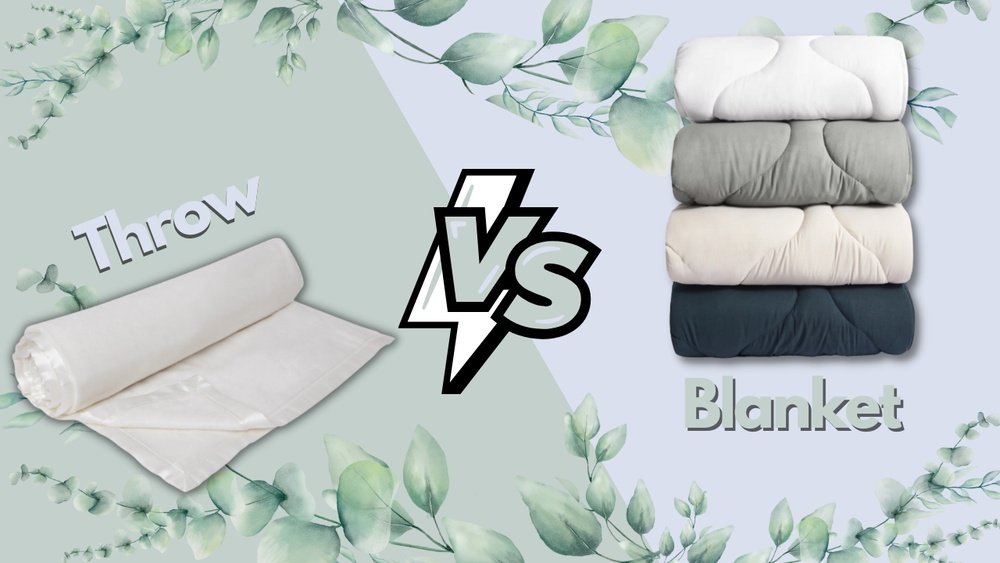
There’s nothing quite like the comfort of curling up under a soft fabric on a chilly evening. But when you reach for something cozy, do you grab a blanket or a throw? Many people use these words as if they mean the same thing, but there are clear differences. Understanding these differences can help you choose the right item for your needs—whether you’re redecorating your living room, looking for extra warmth at night, or picking out a gift. Let’s explore what sets blankets and throws apart, how to use them, and what to consider when buying one.
What Is A Blanket?
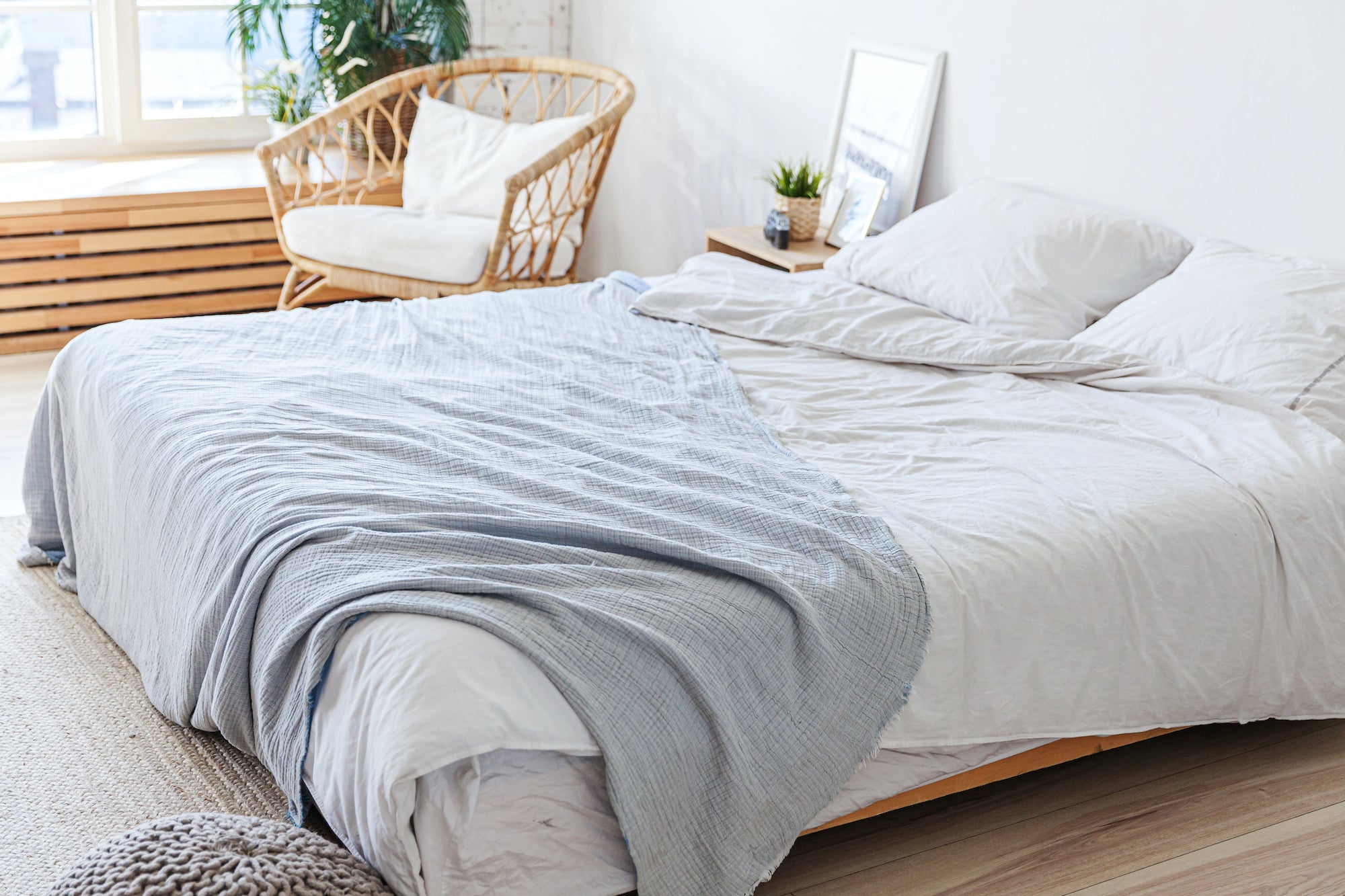
A blanket is a large piece of soft fabric, usually rectangular, designed to cover a bed or keep a person warm while sleeping. Blankets are one of the oldest forms of bedding and have been used for centuries across different cultures and climates.
Blankets come in a range of materials, including cotton, wool, fleece, polyester, and blends. The main purpose of a blanket is to provide warmth and comfort during sleep. Because of this, blankets are usually big enough to cover the entire bed—whether it’s a twin, queen, or king size.
Some blankets are simple and single-layered, while others, like weighted blankets or electric blankets, have special features for extra comfort or health benefits.
Common Blanket Sizes
- Twin: 66 x 90 inches (168 x 229 cm)
- Full/Queen: 90 x 90 inches (229 x 229 cm)
- King: 108 x 90 inches (274 x 229 cm)
These sizes are designed to drape over the sides of your bed, offering full coverage.
What Is A Throw?
A throw is a smaller, decorative piece of fabric, often used for both style and light warmth. Throws are meant to be “thrown” over furniture such as sofas, chairs, or the foot of a bed. Unlike blankets, throws are not meant to cover an entire bed or be the main source of nighttime warmth.
Throws come in many colors, patterns, and textures, making them a popular choice for home décor. You’ll often see them draped over couches or folded neatly at the end of a bed. Throws are easy to carry around the house, so you can use them while reading, watching TV, or sitting outside on a cool evening.
Typical Throw Size
- Standard: 50 x 60 inches (127 x 152 cm)
This size is perfect for covering your lap or shoulders, but not large enough for full body coverage on a bed.
Key Differences Between A Blanket And A Throw
It’s easy to see why people confuse these items. Both provide warmth and comfort. However, there are important differences in size, purpose, design, and use. The following comparison table highlights the key features:
| Feature | Blanket | Throw |
|---|---|---|
| Size | Large (bed-sized) | Small (lap-sized) |
| Main Purpose | Warmth during sleep | Decor and light warmth |
| Typical Location | Bedroom | Living room, bedroom |
| Design | Simple, solid colors | More patterns and textures |
| Material | Wool, cotton, fleece, blends | Cotton, acrylic, faux fur, knits |
| Washing | Machine washable (usually) | Some are hand-wash only |
Material And Texture: How Do They Differ?
The choice of material affects both the feel and the warmth of blankets and throws. While you can find both items in a wide range of fabrics, there are some trends:
- Blankets are often made from cotton, wool, fleece, or synthetic blends. The focus is on warmth and breathability. For example, wool blankets are great for winter, while cotton blankets work well in summer.
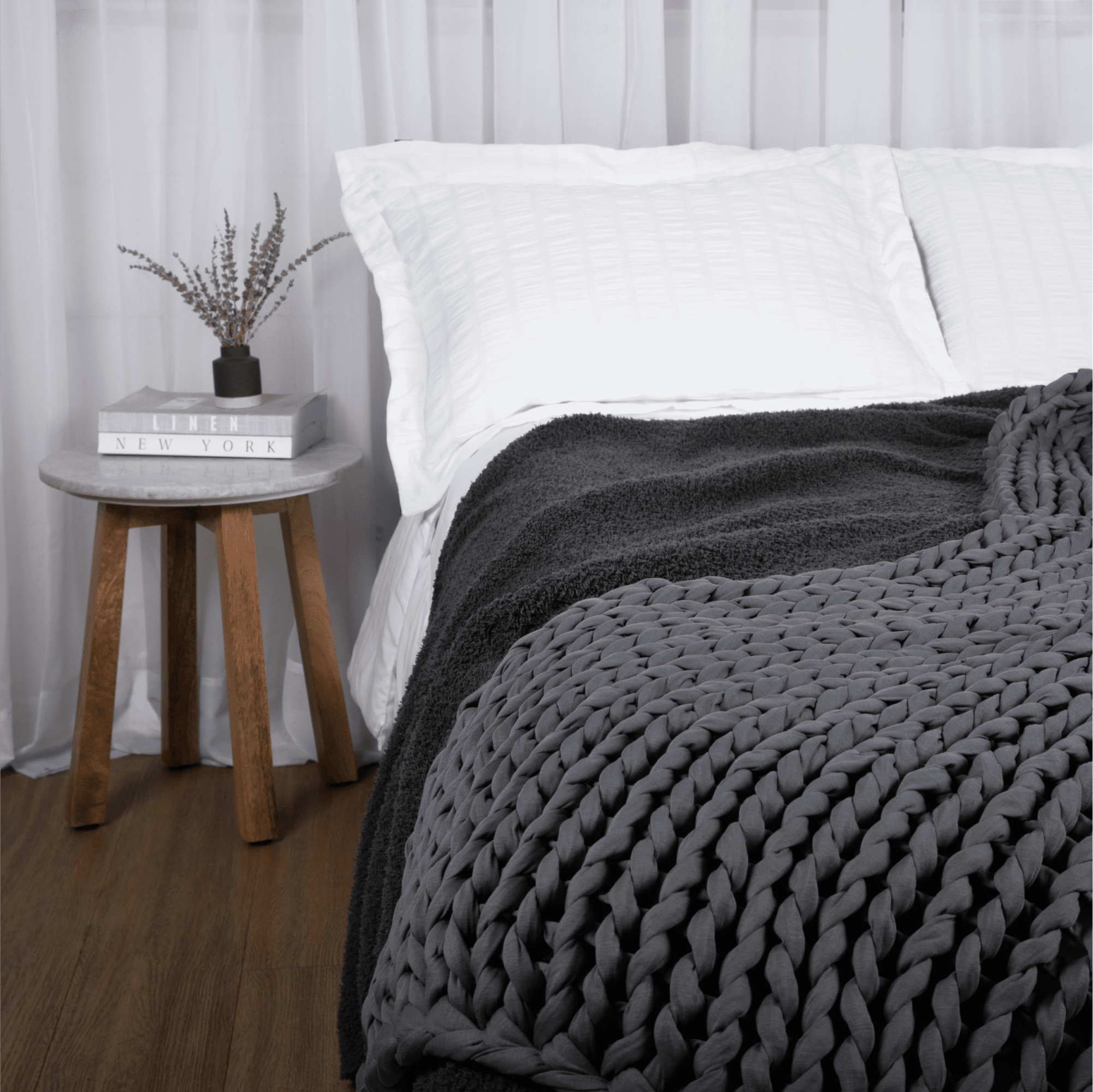
- Throws are more likely to be made from textured materials. Popular options include chunky knits, faux fur, chenille, and woven patterns. Throws are meant to be seen and touched, so their texture is a big part of their appeal.
Here’s a comparison of common materials:
| Material | Common in Blankets | Common in Throws | Warmth | Texture |
|---|---|---|---|---|
| Cotton | Yes | Yes | Medium | Soft, smooth |
| Wool | Yes | Sometimes | High | Warm, can be scratchy |
| Fleece | Yes | Yes | High | Soft, fluffy |
| Faux Fur | No | Yes | Medium | Very soft, plush |
| Knitted Yarn | Rare | Yes | Low to medium | Chunky, textured |
Credit: bearaby.com
Design And Style Purposes
One of the biggest differences between a blanket and a throw is how they look and where they are used in your home.
- Blankets are usually plain or have simple patterns. They are mostly hidden under bedspreads or comforters. The focus is on function, not appearance.
- Throws are designed to be seen. They often come in bright colors, bold patterns, or interesting textures. A throw can easily change the look of a room. People use them to add a splash of color to a sofa or to make a chair feel more inviting.
Interior designers often suggest using throws as a quick way to update a space without much cost or effort. The right throw can make a basic room feel warm and stylish.
Uses: When To Choose A Blanket Vs. A Throw
Choosing between a blanket and a throw depends on your needs:
- Sleeping: Always choose a blanket. Throws are too small for full-body warmth at night.
- Napping on the sofa: A throw is perfect for a quick rest or movie night.
- Decorating: Throws add personality to living spaces; blankets are mostly for the bedroom.
- Travel or outdoor events: Throws are easier to carry and great for picnics, sporting events, or camping.
Some people keep both on hand—blankets for serious warmth, throws for flexible use around the house.
Credit: mellanni.com
Practical Tips For Buying
When shopping, keep these points in mind:
- Size Matters: Know the size of your bed before buying a blanket. For throws, check the dimensions to make sure it’s big enough for your needs.
- Material Choice: Think about allergies, washing needs, and the climate. Wool is warm but can be itchy, while cotton is soft but less insulating.
- Style: For throws, pick a color or pattern that matches your home décor.
- Washing Instructions: Not all throws are machine washable. Some delicate materials need special care.
- Budget: Throws can be more expensive if made from luxury materials like cashmere or faux fur.
Non-obvious Insights
Many beginners don’t realize that blankets can sometimes be layered for extra warmth, while throws generally are not. Also, some modern throws come with added features like pockets for your feet or weighted beads for stress relief—features you won’t usually find in standard blankets.
Common Mistakes When Using Blankets And Throws
- Using throws as bed blankets: Throws are too small for proper warmth at night and can shift easily.
- Choosing style over function: A beautiful throw may not be practical if the material is itchy or hard to clean.
- Ignoring size: Some throws look great but are too short to keep you warm. Always check measurements before buying.
Health, Comfort, And Sleep
Blankets play a key role in sleep quality. The right blanket can help regulate your body temperature, making it easier to fall and stay asleep. Throws, while cozy, aren’t designed for this purpose.
Weighted blankets have become popular for people with anxiety or insomnia. These are heavier than normal blankets and offer a gentle, even pressure that can be calming. Throws do not offer this feature.
Research shows that sleep environment is important for rest. Using the right bedding, including an appropriately sized blanket, helps maintain good sleep hygiene. For more on sleep and bedding science, check out this Sleep Foundation article.
Special Types: Throws And Blankets With Extra Features
The world of blankets and throws is growing. Here are some special types:
- Weighted Blankets: Help reduce anxiety and improve sleep.
- Heated Throws: Plug in for extra warmth—great for winter or people with poor circulation.
- Outdoor Throws: Made with water-resistant materials for picnics or camping.
- Decorative Throws: Sometimes only for looks, not for warmth (e.g., thin lace or silk throws).

Credit: www.angelajey.com
Quick Comparison: Blanket Vs. Throw At A Glance
To help you remember the main differences, here’s a summary:
| Aspect | Blanket | Throw |
|---|---|---|
| Coverage | Full body/bed | Partial/lap or shoulders |
| Main Use | Sleeping | Decor, lounging |
| Style Impact | Hidden, low | Visible, high |
| Portability | Bulky | Easy to move |
Frequently Asked Questions
What Is The Main Difference Between A Blanket And A Throw?
The main difference is size and purpose. Blankets are larger and designed to cover a bed or a person while sleeping. Throws are smaller, decorative, and meant for light warmth or as an accent piece in living spaces.
Can I Use A Throw As A Blanket On My Bed?
You can use a throw for extra warmth, but it won’t cover the whole bed. Throws are too small to replace a full blanket, especially for sleeping.
Are Throws Warmer Than Blankets?
Usually, blankets are warmer because they are larger and made for warmth. Some throws made of thick materials like fleece or wool can be warm, but they still don’t offer the same coverage as a blanket.
How Do I Choose The Right Material For A Blanket Or Throw?
Consider your needs. For sleeping, choose breathable, washable materials like cotton or blends. For throws, focus on texture and appearance—faux fur and knits add style, but check if they are easy to clean.
Can Throws Be Used Outdoors?
Yes, many people use throws for picnics, outdoor events, or camping. Just make sure the throw is made from a material that can handle outdoor use, such as water-resistant or washable fabrics.
Finding the right cozy item for your home isn’t difficult once you understand the differences. Whether you want the full-body warmth of a blanket or the stylish touch of a throw, you’ll enjoy more comfort and a better-looking space. Choose wisely, and you’ll have the best of both worlds for every season.