
Choosing the right fabric for your bed sheets is more important than you might think. A comfortable sheet can help you sleep better, feel cooler, and even improve your mood each morning. But with so many options—cotton, linen, bamboo, microfiber, silk, and more—it’s easy to get confused.
Each fabric feels different, works best in certain climates, and suits different budgets and lifestyles.
This guide takes you through all the popular sheet fabrics, comparing their pros, cons, and unique qualities. Whether you want something cool for hot nights, durable for frequent washing, or just luxuriously soft, you’ll find the answers here. Let’s uncover what really makes a fabric the best choice for your bed sheets.
Key Factors When Choosing Bed Sheet Fabric
Before exploring individual fabrics, it’s helpful to understand what matters most. These factors should guide your decision:
- Breathability: How well the fabric lets air pass through, affecting how cool or warm you feel.
- Softness: Some people love a crisp sheet, others prefer something silky.
- Durability: Will the sheets last after many washes?
- Care requirements: Do they need special washing or ironing?
- Price: Luxury materials can cost much more.
- Hypoallergenic qualities: Important if you have allergies or sensitive skin.
- Moisture wicking: Useful if you sweat at night.
Not all fabrics score highly in every category, so you’ll need to balance what matters most for you.
Cotton: The Classic Favorite
Cotton is the most common sheet fabric worldwide. But not all cotton is the same.
Types Of Cotton
- Egyptian Cotton: Known for its extra-long fibers, Egyptian cotton sheets are famous for being very soft, smooth, and durable. They usually cost more but feel luxurious and last many years.
- Pima Cotton: Also called Supima in the U.S., this cotton is almost as soft as Egyptian cotton but usually a bit cheaper. It’s a good balance of quality and price.
- Upland Cotton: Most budget cotton sheets use this type. It’s not as soft or strong as Egyptian or Pima, but it’s affordable and available everywhere.
- Organic Cotton: Grown without synthetic chemicals, organic cotton is eco-friendly and good for sensitive skin.
Advantages Of Cotton Sheets
- Highly breathable: Keeps you cool and comfortable.
- Softens with washing: Feels better over time.
- Easy to care for: Most can go in a regular washer and dryer.
- Widely available: Many styles and prices.
Disadvantages
- Wrinkles easily: Unless blended with other fibers.
- Can shrink: If not washed properly.
- High-quality types are expensive: Egyptian and Pima cotton cost more.
Non-obvious insight: Even within cotton, the weave (percale vs sateen) dramatically changes how sheets feel. Percale is crisp and cool, while sateen is silky and a bit warmer.
Linen: Cool And Durable
Linen comes from the flax plant and is loved for its breathability, especially in hot climates.
Pros Of Linen Sheets
- Excellent airflow: Keeps you cool and dry.
- Very durable: Lasts for years, often getting softer with use.
- Natural texture: Many people like the slightly rough, relaxed feel.
- Eco-friendly: Flax requires less water and chemicals to grow.
Cons
- Feels rough at first: Softens after several washes, but may never be as smooth as cotton or silk.
- Wrinkles easily: Gives a casual, “lived-in” look.
- Expensive: Quality linen is pricier than most cotton.
Who Should Choose Linen?
If you live in a warm place or sweat at night, linen is a top choice. It’s also great for anyone who likes natural, rustic bedding.
Non-obvious insight: Linen is naturally antibacterial, which means it resists odors and stays fresher between washes.
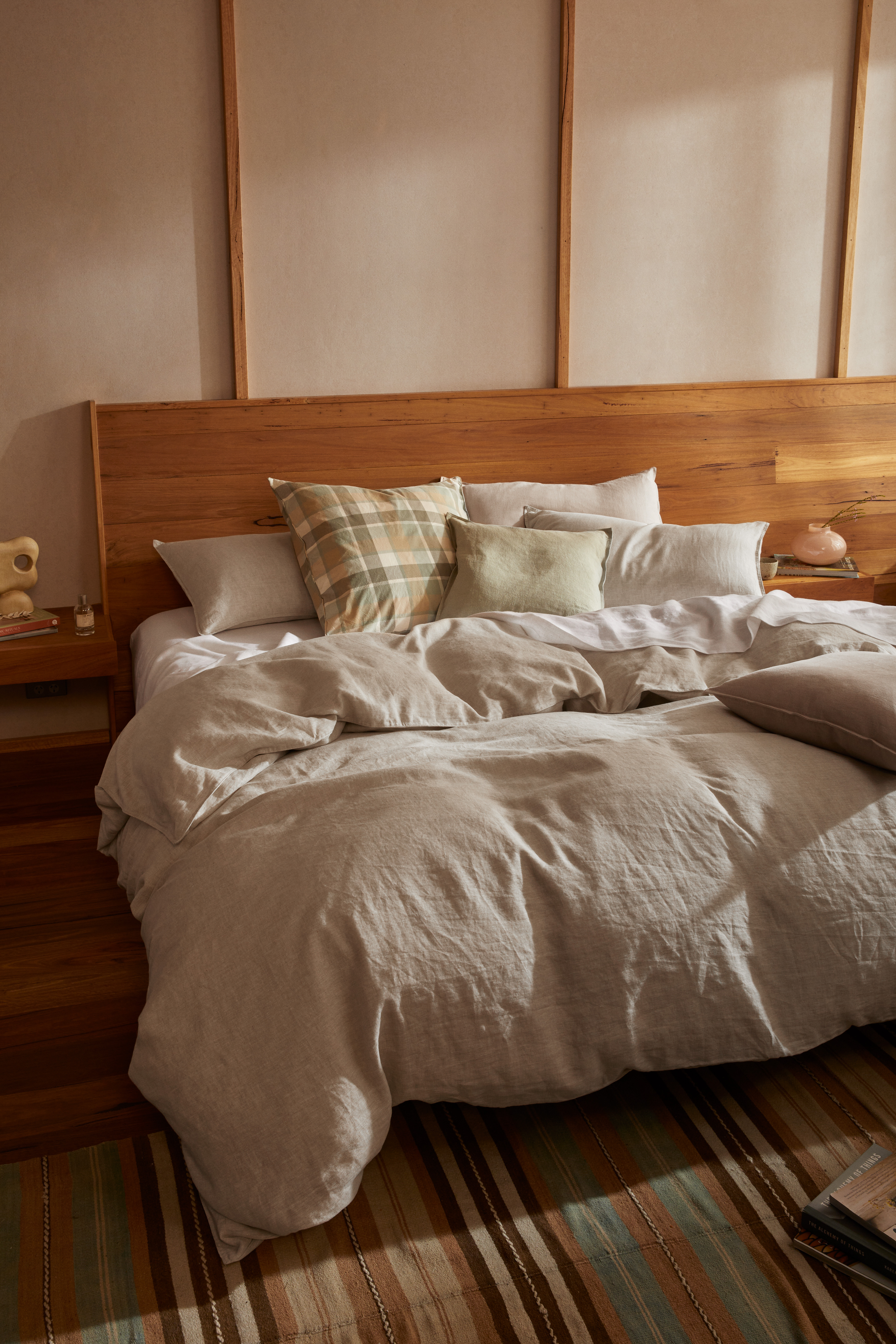
Bamboo: Soft And Eco-friendly
Bamboo sheets are made from bamboo grass, often processed into rayon or viscose.
Why People Love Bamboo Sheets
- Very soft: Sometimes compared to silk or cashmere.
- Moisture-wicking: Good for hot sleepers.
- Antibacterial: Good for sensitive skin.
- Eco-friendly: Bamboo grows quickly with little water.
Drawbacks
- More expensive than cotton: Especially for high-quality bamboo.
- Can be less durable: Some bamboo sheets pill or tear after repeated washes.
- Processing chemicals: Not all bamboo sheets are “green”—look for certifications.
Who Benefits Most From Bamboo Sheets?
Hot sleepers, people with allergies, or those wanting a softer, more sustainable option.
Credit: sheetsociety.com
Microfiber: Soft And Budget-friendly
Microfiber is a synthetic fabric, usually made from polyester.
Advantages
- Soft and smooth: Feels similar to high-thread-count cotton.
- Very affordable: Good for students or guest rooms.
- Wrinkle-resistant: Stays smooth out of the dryer.
- Stain-resistant: Good for kids or pets.
Disadvantages
- Less breathable: Can trap heat and moisture.
- Attracts static: May cling to skin or hair.
- Not eco-friendly: Made from plastic fibers.
When Is Microfiber A Good Choice?
If you want something soft, cheap, and easy to care for, microfiber works well. It’s not ideal if you sweat a lot or want a natural fabric.
Silk: The Ultimate Luxury
Silk sheets offer a unique, luxurious sleep experience.
Why Choose Silk?
- Extremely smooth and soft: Feels cool and gentle on the skin.
- Hypoallergenic: Resists dust mites and mold.
- Good for skin and hair: Reduces friction, preventing wrinkles and frizzy hair.
Downsides
- Very expensive: Often the most costly option.
- Delicate: Needs gentle washing and special care.
- Slippery: Sheets can slide off the bed.
Who Should Get Silk Sheets?
Anyone with sensitive skin, allergies, or a desire for true luxury.
Pro tip: Not all “silk” sheets are pure silk. Look for “mulberry silk” and check the “momme weight” (higher is thicker and more durable).
Other Popular Sheet Fabrics
While less common, some other fabrics are worth considering.
Tencel (lyocell)
Made from wood pulp, Tencel sheets are known for being soft, breathable, and eco-friendly. They’re good for hot sleepers and people with allergies. Tencel is also biodegradable.
Blends
Many sheets use a blend of cotton and polyester. These are durable, wrinkle-resistant, and more affordable than pure cotton. However, they don’t breathe as well.
Flannel
Flannel sheets are brushed cotton, making them warm and cozy for winter. They’re not ideal for hot climates but are perfect for cold nights.
Comparing The Most Popular Sheet Fabrics
To help you see the differences at a glance, here’s a side-by-side comparison:
| Fabric | Softness | Breathability | Durability | Price | Care |
|---|---|---|---|---|---|
| Cotton (Percale/Sateen) | Medium to High | High | High | $$-$$$$ | Easy |
| Linen | Medium (softens over time) | Very High | Very High | $$$-$$$$ | Medium (wrinkles easily) |
| Bamboo | High | High | Medium | $$$ | Medium |
| Microfiber | High | Low | Medium | $ | Easy |
| Silk | Very High | High | Medium | $$$$ | Difficult |
Credit: www.urbanspacestore.in
Thread Count And Weave: Why They Matter
A common mistake is thinking that higher thread count always means better quality. Thread count is the number of threads per square inch of fabric. But after a certain point, higher numbers don’t always mean softer or stronger sheets. For most cotton sheets, 300–500 is ideal.
Anything above 600 can be marketing.
The weave also changes the feel:
- Percale: Crisp, cool, and matte. Good for hot sleepers.
- Sateen: Smooth, silky, and slightly shiny. Warmer and heavier.
- Jersey: Stretchy, like a t-shirt. Cozy but can pill.
Here’s a quick look at thread count and weave differences:
| Weave Type | Feel | Best For | Common Thread Count |
|---|---|---|---|
| Percale | Crisp, cool | Hot climates | 200–400 |
| Sateen | Silky, smooth | Cool climates | 300–600 |
| Jersey | Soft, stretchy | Casual bedding | N/A |
Pro tip: A 300-thread-count Egyptian cotton percale will often feel better and last longer than a 1,000-thread-count sheet made from poor-quality cotton.
How To Choose The Right Bed Sheet Fabric For You
Your best fabric depends on your needs and preferences:
- If you sleep hot: Linen, cotton percale, or bamboo are your best bets.
- If you want luxury: Silk or high-end Egyptian cotton will feel the most indulgent.
- If you want low maintenance: Microfiber or cotton-poly blends are easiest to care for.
- If you have allergies: Silk, bamboo, or Tencel are naturally hypoallergenic.
- If budget is a concern: Microfiber and Upland cotton are very affordable.
Don’t forget about the season. You might want flannel in winter and linen or percale in summer.

Credit: casper.com
Common Mistakes To Avoid
- Focusing only on thread count: Quality matters more than high numbers.
- Ignoring care instructions: Some fabrics, like silk, need special washing.
- Buying the cheapest option: Low-quality sheets can pill, tear, or feel scratchy.
- Not considering your climate: Warm climates need breathable fabrics; cold climates need something cozier.
Real-world Example: What Do Hotels Use?
Many luxury hotels use long-staple cotton percale sheets with a 300–400 thread count. This gives a crisp, cool feel that’s both comfortable and easy to maintain. Some boutique hotels use linen for a more relaxed style.
To learn more about how hotels choose their bedding, visit the Wikipedia entry on bed sheets.
Care Tips For Your Sheets
No matter what fabric you choose, proper care helps your sheets last longer:
- Wash with mild detergent in cool or warm water.
- Avoid bleach, which can break down fibers.
- Dry on low heat or air-dry to prevent shrinking.
- Iron linen or cotton for a crisp look if you prefer.
Frequently Asked Questions
What Is The Softest Fabric For Bed Sheets?
Silk and high-quality bamboo sheets are usually the softest. However, Egyptian cotton sateen is also very smooth and gentle on the skin.
Are Expensive Sheets Really Better?
Not always. Expensive sheets often use higher-quality materials, but the fabric type and weave matter more than price alone. Always check the details, not just the brand or price tag.
What Sheet Fabric Is Best For People With Allergies?
Bamboo, Tencel, and silk are naturally hypoallergenic and resist dust mites and bacteria. Organic cotton is also a good choice for sensitive skin.
How Do I Make My Sheets Last Longer?
Wash them in cool or warm water, avoid harsh detergents and bleach, and dry on low heat. Rotate between two or more sets to reduce wear.
Is Microfiber Safe And Comfortable For Everyday Use?
Yes, microfiber sheets are safe and very soft. But they trap heat and moisture, so they’re not ideal for hot climates or sweaty sleepers.
Finding the best fabric for your bed sheets depends on your unique needs and preferences. Whether you want the crisp coolness of cotton, the eco-friendliness of bamboo, the luxury of silk, or the durability of linen, there’s a perfect option for everyone.
Take time to consider what matters most to you, and enjoy the comfort of a bed made just the way you like it.
For more helpful guides, check out linen vs cotton vs bamboo sheets comparison, percale vs bamboo sheets difference, and is 1000 thread count good for sheets.
Related: best hypoallergenic bed sheets for sensitive skin
Egyptian cotton and long-staple Pima cotton are widely considered the best fabrics for bed sheets due to their exceptional softness, durability, and breathability. Linen and bamboo are excellent alternatives for specific needs.
Bamboo lyocell, organic cotton, and linen are the best fabrics for sensitive skin. They are naturally hypoallergenic, breathable, and free from the chemical treatments often found in synthetic blends.
Microfiber sheets are budget-friendly and wrinkle-resistant, but they trap heat and are less breathable than natural fibers. They are a good value option but not ideal for warm sleepers or those with sensitive skin.
For cotton sheets, a thread count between 200 and 500 offers the best combination of softness and durability. Very high thread counts (700+) often indicate thinner threads twisted together, which does not necessarily improve quality.
High-quality 100% cotton, linen, or bamboo sheets should last 5 to 10 years with proper care. Washing in cold water, avoiding bleach, and air drying significantly extends their lifespan.