

When shopping for a blanket, you’ll see many terms—fleece, cotton, microfiber—but one number stands out: GSM. You’ll find it listed on blanket tags, in product descriptions, and sometimes even in the brand name. But what does GSM for blankets really mean? And how do you know what GSM is good for your needs? If you want a blanket that’s soft, warm, and just right for your room or climate, understanding GSM is essential.
Let’s break down everything you need to know about GSM for blankets, from its meaning to how to choose the perfect weight for any season or style.
What Does Gsm Mean In Blankets?
GSM stands for grams per square meter. It’s a measurement that tells you how much one square meter of fabric weighs. In simple words, GSM is a way to measure the thickness and density of a blanket.
For example, a blanket with 150 GSM means one square meter of that blanket weighs 150 grams. If another blanket has 400 GSM, it’s much heavier and probably thicker.
Why does this matter? Because GSM gives you a quick idea of how a blanket will feel:
- Low GSM blankets are lighter and thinner.
- High GSM blankets are heavier, denser, and usually warmer.
Manufacturers use GSM for all kinds of fabrics, but it’s especially important for bedding, towels, and clothing. For blankets, GSM is a key factor in comfort and performance.
Why Is Gsm Important For Blankets?
GSM is not just a technical detail. It affects:
- Warmth: Higher GSM usually means better heat retention.
- Weight: Some people love a light, airy throw, while others want a heavy, cozy blanket.
- Softness and texture: GSM can affect how plush or sleek a blanket feels.
- Durability: Thicker, higher GSM blankets often last longer and hold their shape.
Many shoppers make the mistake of choosing a blanket based only on color or material. They forget to check GSM, and later find the blanket is too hot, too cold, or wears out quickly. Knowing GSM helps you pick the right blanket for your climate, room temperature, and personal preference.

Credit: www.amazon.com
How Is Gsm Measured?
To measure GSM, a sample of the fabric is cut into a square (usually 1 meter by 1 meter) and weighed. The result is the grams per square meter.
This measurement is more reliable than just looking at how thick a blanket is. Two blankets may look the same, but if one has higher GSM, it is denser, warmer, and likely more durable.
Here’s a quick example:
| Blanket Type | Size (m²) | Weight (grams) | GSM |
|---|---|---|---|
| Lightweight Throw | 1.5 | 225 | 150 |
| Winter Fleece | 2.0 | 800 | 400 |
| All-Season Cotton | 1.8 | 360 | 200 |
You can see how the GSM gives you a better idea of blanket thickness, independent of size.
Gsm Ranges: What Do They Mean For Blankets?
Blankets come in a wide range of GSM values. Here’s what you can usually expect:
- Below 150 GSM: Very light, often used for summer throws, travel blankets, or decorative layers.
- 150–250 GSM: Light to medium weight, good for mild weather or layering.
- 250–350 GSM: Medium, suitable for most climates and year-round use.
- 350–500 GSM: Thick and warm, best for winter or cold rooms.
- Above 500 GSM: Extra heavy, premium blankets for deep winter or people who love extra weight.
Let’s compare some common blanket types and their typical GSM values:
| Blanket Type | Typical GSM Range | Best For |
|---|---|---|
| Cotton Throw | 150–250 | Spring/Summer, Airy Feel |
| Fleece Blanket | 200–350 | All-Season, Softness |
| Wool Blanket | 350–500 | Winter, Maximum Warmth |
| Weighted Blanket | 500+ | Deep Pressure, Extra Cold |
A common mistake is thinking that “higher is always better. ” In reality, the best GSM depends on your needs.
What Is A Good Gsm For Blankets?
There is no single “good” GSM for all blankets. The right GSM depends on:
- Season (summer or winter)
- Room temperature
- Personal comfort
- Purpose (bed, couch, travel, etc.)
Here’s a practical guide:
For Summer
A low GSM blanket (120–200) works best. These are light, breathable, and keep you cool on warm nights. Cotton and bamboo are popular choices here.
For Winter
Choose a high GSM blanket (300–500). Fleece, wool, and heavy microfiber are good examples. These keep you warm even when the temperature drops.
For All-season Use
A medium GSM blanket (200–300) can adapt to different temperatures. Layer it with a sheet in summer or add another blanket in winter.
For Weighted Blankets
Weighted blankets use both GSM and inner filling (like glass beads). These can reach 500+ GSM and are not just for warmth but also for deep pressure, which some people find calming.
How Gsm Affects Blanket Performance
GSM changes more than just the feel of your blanket. Here are some examples:
- Breathability: Low GSM blankets are more breathable and let air flow easily. High GSM may trap heat.
- Bulkiness: If you like to pack your blanket for travel, choose lower GSM.
- Maintenance: Lower GSM often dries faster after washing. High GSM may take longer and require more care.
- Durability: Higher GSM, especially with strong fibers like wool, lasts longer and resists pilling.
Here’s a quick side-by-side comparison:
| Feature | Low GSM (120–200) | High GSM (350–500+) |
|---|---|---|
| Warmth | Light warmth | Very warm |
| Weight | Lightweight | Heavy/Cozy |
| Best Season | Summer | Winter |
| Breathability | High | Low to Medium |
| Drying Time | Faster | Slower |
How To Choose The Right Gsm Blanket For You
Picking the perfect blanket is about matching GSM to your lifestyle. Here are some steps and tips:
- Think about climate: Hot, humid areas need lower GSM. Cold, dry places need higher GSM.
- Consider your sleep style: If you get hot at night, go lighter. If you get cold, choose higher GSM.
- Check the material: Cotton, bamboo, and linen are cooler even at higher GSM. Fleece and wool are much warmer.
- Decide on use: For travel or kids, lighter is usually better. For the main bed, medium to high GSM often works best.
- Feel the fabric: If possible, touch and compare. GSM is a good guide, but texture and softness matter too.
Non-obvious insight: Two blankets with the same GSM can feel different if made from different materials. For example, a 300 GSM cotton blanket will breathe more than a 300 GSM polyester one.
Another tip: Layering works better than one very heavy blanket. You can combine a 200 GSM and a 300 GSM blanket for flexibility, rather than choosing a single 500 GSM blanket.
Common Myths About Gsm And Blankets
Many people think a heavier blanket is always warmer, or that GSM tells you everything. Here are some myths:
- Myth: Higher GSM means better quality.
- Reality: GSM only measures weight, not softness, fiber quality, or craftsmanship.
- Myth: You should use the same GSM year-round.
- Reality: Most people need different blankets for summer and winter.
- Myth: GSM is the only thing that matters.
- Reality: Material, weave, and finish are just as important.
For deeper understanding of textile measurements, you can read more on Wikipedia.
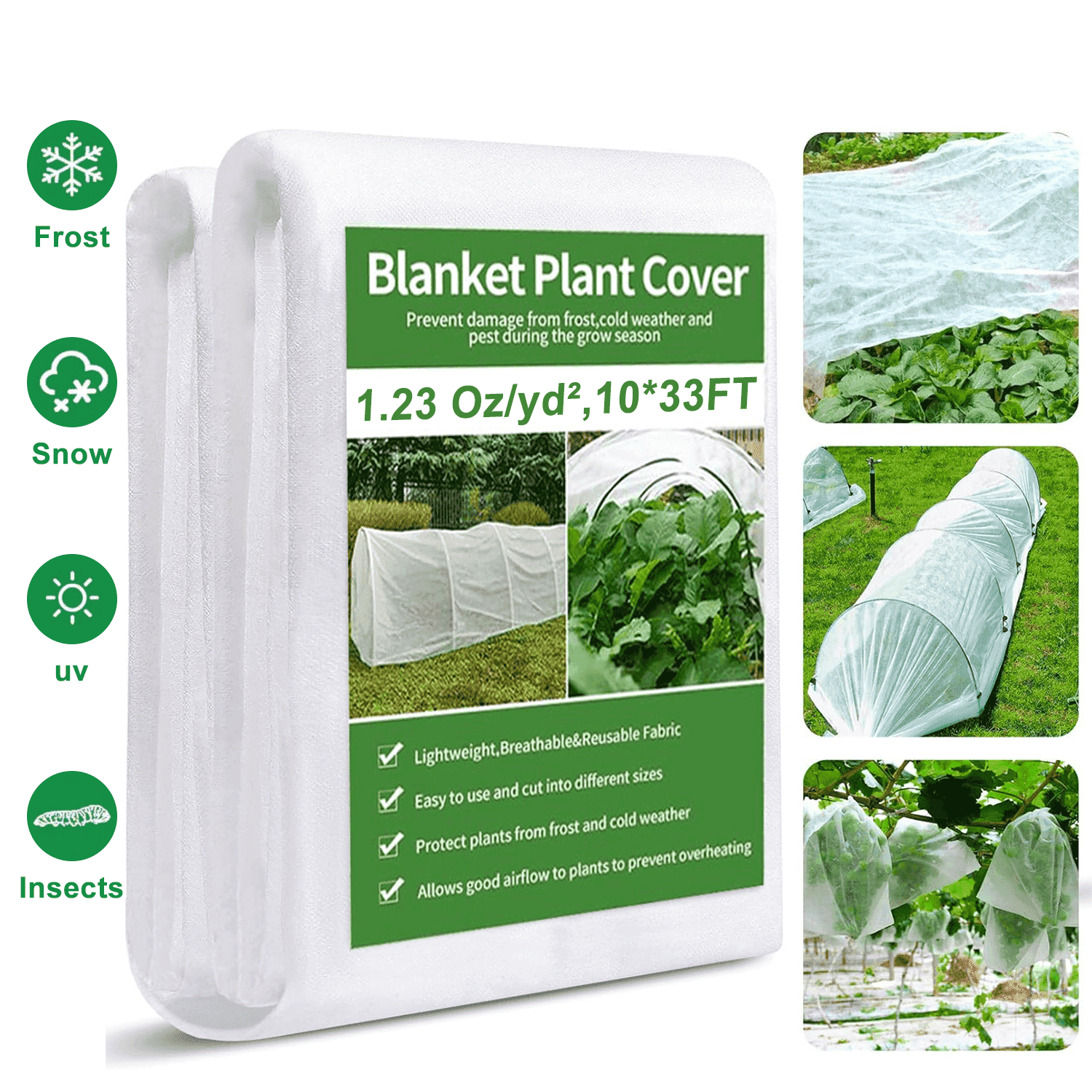
Credit: www.walmart.com
How Gsm Compares To Thread Count And Tog
Sometimes you’ll see other measurements like thread count or tog rating.
- Thread count measures the number of threads per square inch, mostly for sheets.
- Tog rating shows thermal insulation, common with duvets.
- GSM is more about weight and density, making it the most useful for blankets.
Don’t confuse these terms—each tells a different story. For blankets, focus on GSM.
Mistakes To Avoid When Choosing Blanket Gsm
- Ignoring your climate: Don’t buy a 400 GSM wool blanket if you live in the tropics.
- Buying only by look or brand: Always check the actual GSM value.
- Forgetting allergies: High GSM synthetic blankets may trap more dust, which can bother sensitive users.
- Not thinking about washing: Heavy blankets are harder to wash and dry at home.
- Assuming all weights are equal: Materials and weaves change how a blanket feels, even at the same GSM.

Credit: www.amazon.com
Frequently Asked Questions
What Is The Ideal Gsm For A Summer Blanket?
For summer, the ideal GSM is usually 120–200. Choose breathable materials like cotton or bamboo. These keep you cool, allow airflow, and are easy to wash.
Is A Higher Gsm Always Better For Warmth?
A higher GSM usually means more warmth, but it’s not the only factor. Material and weave matter too. For example, a 350 GSM wool blanket is much warmer than a 350 GSM cotton blanket.
Can I Use A High Gsm Blanket Year-round?
You can, but it depends on your climate and how warm you like to sleep. In mild weather, a high GSM blanket may be too hot. Many people prefer layering lighter blankets for flexibility.
How Do I Know If A Blanket’s Gsm Is Right For Me?
Think about your sleeping habits, room temperature, and personal comfort. If you’re often cold, choose higher GSM. If you get hot or sweat at night, go for lower GSM. Try to feel the blanket before buying if possible.
Does Gsm Affect How Long A Blanket Lasts?
Yes, higher GSM blankets are usually more durable and resist wear and tear. But quality of the material and construction are also important. Always check for good stitching and strong fibers.
Blanket shopping becomes much easier once you understand GSM. Whether you want something light for summer or a warm, plush layer for winter, the right GSM makes all the difference. Remember to match GSM to your needs, not just the season.
With this knowledge, you’ll find a blanket that’s perfect for you—every time.
For more helpful guides, check out summer vs winter bedding essentials, best material for cooling sheets, and difference between duvet and comforter.
GSM stands for grams per square meter and measures the fabric weight and density of a blanket. Higher GSM means a heavier, denser, and usually warmer blanket; lower GSM means a lighter, more breathable option.
For year-round use, 300–400 GSM offers a comfortable balance. Lightweight summer blankets are typically 150–300 GSM, while winter or heavy blankets range from 400–600+ GSM for maximum warmth.
Not always — it depends on the climate and your sleeping preferences. A high GSM blanket (500+) can be too warm in summer or for hot sleepers. Choose GSM based on the season and how much warmth you need.
Luxury hotel blankets typically range from 400–500 GSM, providing a plush, substantial feel without being overly heavy. This weight gives a premium feel while remaining practical for year-round temperature-controlled environments.
Higher GSM fabrics are generally more durable as the denser construction withstands washing and regular use better than lighter fabrics. However, the fiber type (cotton, wool, polyester) also significantly influences long-term durability.