
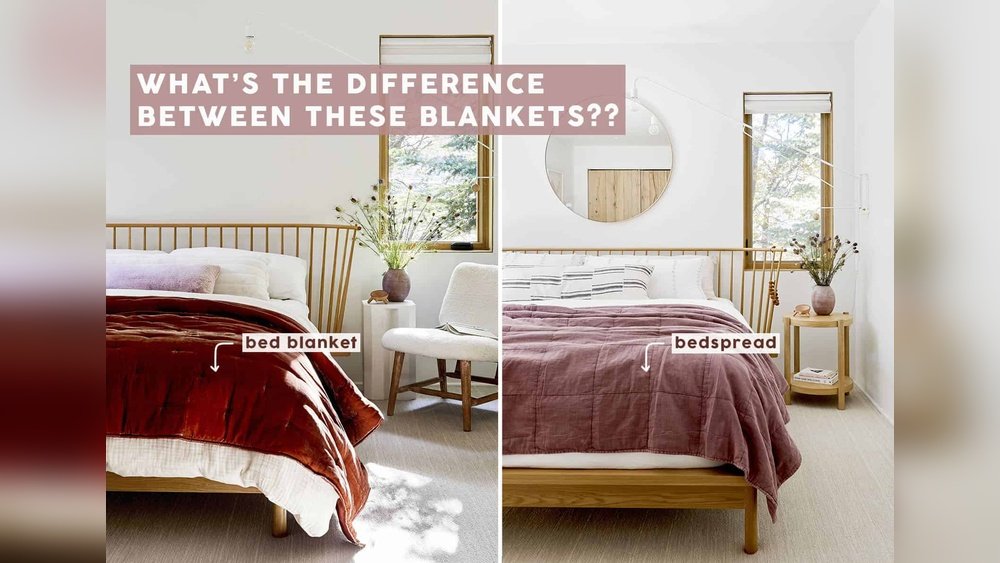
If you have ever shopped for new bedding, you know the confusion: Do you need a coverlet, a quilt, or a comforter? These words are everywhere in stores and online. But what do they really mean? Each offers a different look, feel, and warmth level for your bed. Choosing the right one can make your bedroom more comfortable and stylish, but it’s easy to get lost in the details—especially if English isn’t your first language.
Let’s clear up the confusion. In this guide, you’ll find a full explanation of what makes a coverlet, quilt, and comforter unique. You’ll also see what really matters when choosing between them, including warmth, style, care, and cost. Plus, you’ll discover non-obvious tips and common mistakes to avoid so your bed always feels just right.
What Is A Coverlet?
A coverlet is a lightweight bed covering. It’s thinner than a comforter or a quilt and is often used for decoration. Coverlets are usually made from a single layer of fabric or two layers with very light filling. They usually don’t add much warmth, but they make your bed look neat and finished.
Main Features Of A Coverlet
- Thin and lightweight: A coverlet won’t add much weight to your bed.
- Decorative: Often woven with patterns, embroidery, or textures that stand out.
- Size: Usually covers the top of the bed, sometimes just past the sides, but rarely hangs to the floor.
- Use: Placed over a blanket or sheet, sometimes folded at the foot of the bed for style.
- Materials: Commonly cotton, polyester, or blends, but can be made of silk or other fabrics.
When To Use A Coverlet
- In warm climates or during summer when you don’t need much warmth.
- As an extra layer in winter for style or a slight boost in warmth.
- If you want a tidy, hotel-like appearance.
Example
Hotels often use coverlets to make beds look clean and inviting without adding bulk. A coverlet is also easy to wash at home because it’s not thick or heavy.
Non-obvious Insight
Many people think coverlets are just for decoration, but they can be practical. For example, if you have pets that sleep on your bed, a coverlet is easier to wash than a full comforter.
What Is A Quilt?
A quilt is a bed covering made of three layers: a top fabric layer (often patterned), a middle layer of batting (the filling), and a bottom fabric layer. These layers are stitched together in patterns, which not only hold them together but also create beautiful designs.
Main Features Of A Quilt
- Three layers: Top, batting (thin filling), and backing.
- Stitching: Patterns of stitches hold the layers together and create texture.
- Medium warmth: Quilts are warmer than coverlets, but usually lighter than comforters.
- Design: Often features patchwork or intricate designs, sometimes telling a story.
- Size: Usually hangs over the sides of the bed but not to the floor.
When To Use A Quilt
- In moderate climates or as a summer blanket.
- Layered with a comforter for extra warmth in winter.
- If you appreciate hand-made or unique patterns.
Example
Traditional quilts can be family heirlooms, passed down for generations. Many are hand-stitched, making each quilt special and different from mass-produced bedding.
Non-obvious Insight
Some people think quilts are always heavy, but many modern quilts use lightweight batting, making them perfect for people who dislike bulky covers.
What Is A Comforter?
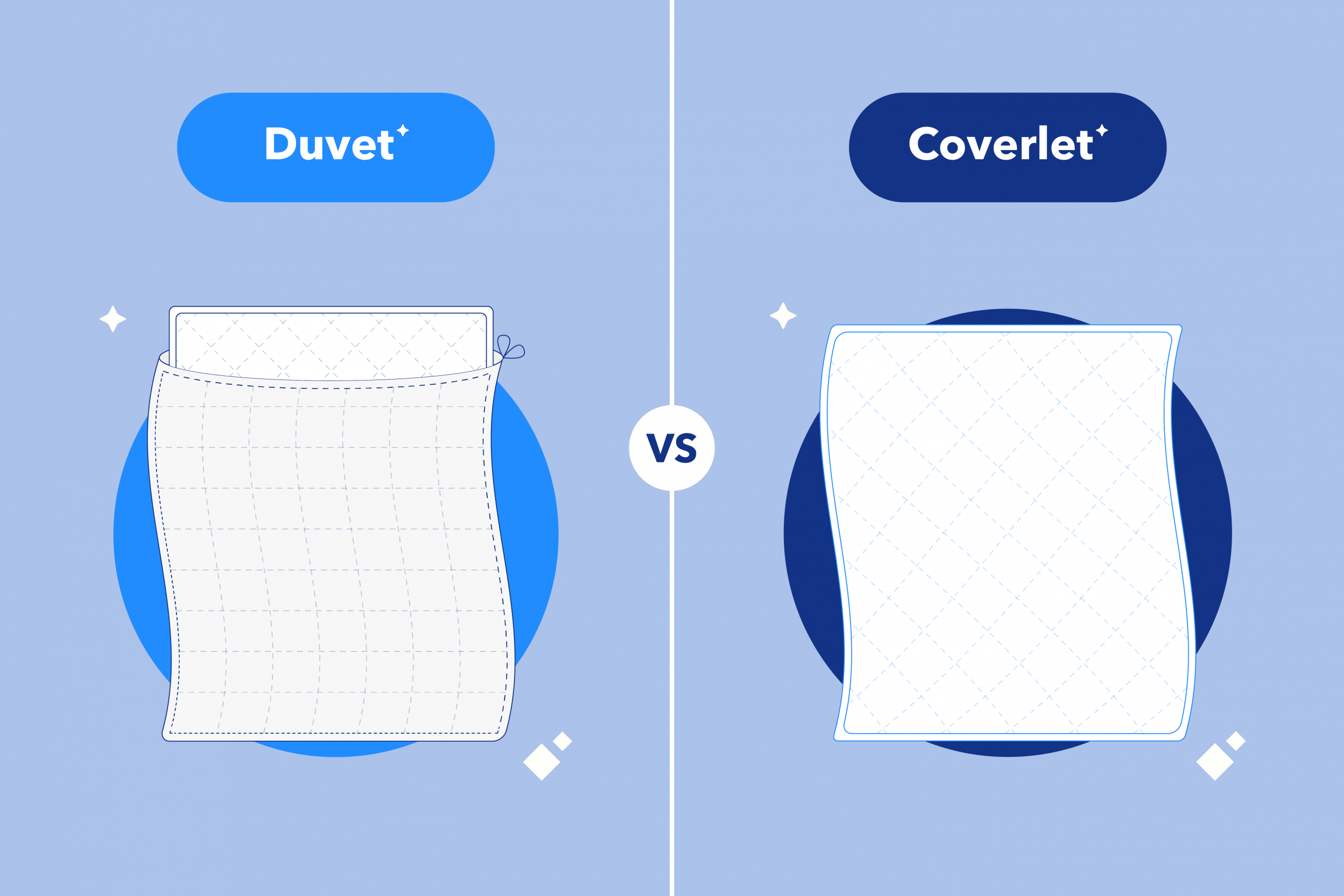
A comforter is a thick, fluffy blanket. It is filled with synthetic fibers or down (feathers), making it very warm and soft. Comforters are usually sewn through in a pattern (like a grid) to keep the filling evenly spread.
Main Features Of A Comforter
- Thick and plush: Comforters provide a lot of warmth.
- Filled: With down, feathers, or synthetic materials like polyester.
- Single piece: Usually comes as one piece, sometimes with a matching set of pillow shams.
- No intricate stitching: The stitching is simple, just to keep the filling in place.
- Size: Hangs over the sides and often reaches the floor.
When To Use A Comforter
- In cold climates or during winter.
- If you want a cozy, cloud-like feel.
- When you prefer easy, one-piece bedding solutions.
Example
A down comforter can keep you warm even in freezing weather. Many people choose comforters for their softness and simple care.
Non-obvious Insight
Most comforters can be used with a duvet cover, which keeps the comforter clean and changes the look of your bed easily. This extends the life of your comforter and saves you from washing the heavy item often.
Key Differences At A Glance
Understanding the main differences can help you choose the right one for your needs. Here’s a simple comparison:
| Coverlet | Quilt | Comforter | |
|---|---|---|---|
| Warmth | Low | Medium | High |
| Weight | Light | Medium | Heavy |
| Layers | 1-2 | 3 | 2 (shell + filling) |
| Care | Easy, most are machine washable | Machine or hand wash, delicate | Usually machine washable, can be bulky |
| Style | Simple, textured, decorative | Detailed, patterned | Plain or printed, plush look |
| Common Use | Decor or light cover | Light cover or layering | Main blanket for warmth |
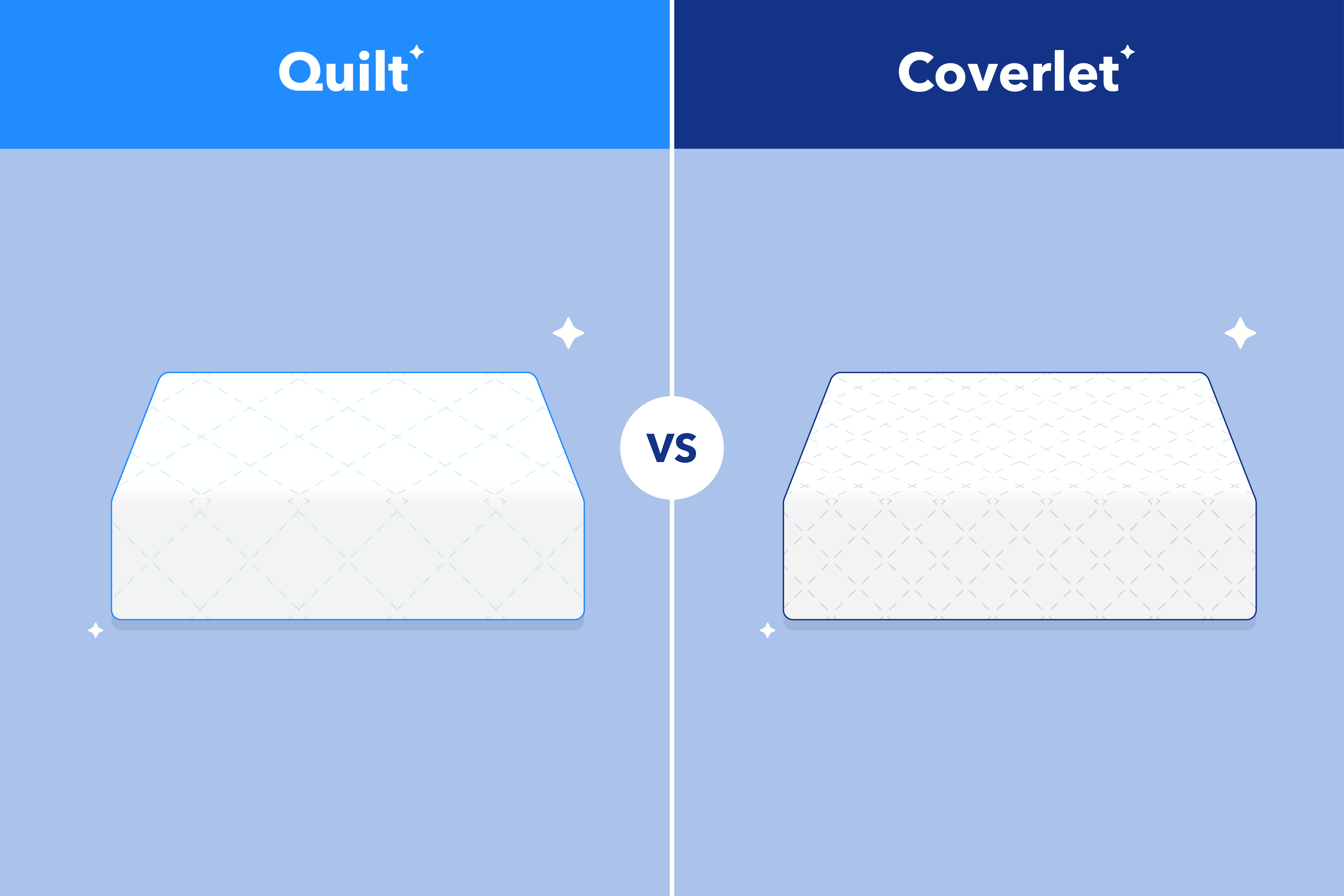
Credit: amerisleep.com
Pros And Cons: Coverlet Vs Quilt Vs Comforter
Each bedding type has its advantages and disadvantages. Here’s what you should know:
| Bedding Type | Pros | Cons |
|---|---|---|
| Coverlet | – Easy to wash – Good for warm weather – Decorative | – Not warm enough for winter – Often used with other blankets |
| Quilt | – Can be heirloom pieces – Suitable for layering – Unique designs | – May require special care – Can be expensive if hand-made |
| Comforter | – Very warm – Simple to use – Soft and cozy | – Bulky to wash – Too hot for warm climates |
How To Choose: Key Factors That Matter
Picking the right bedding depends on several important points. Here’s what you should think about before buying:
Climate
- Hot climate: Choose a coverlet or a light quilt.
- Mild climate: A quilt is usually enough.
- Cold climate: A comforter is best for warmth.
Style
Coverlets give a modern, sleek look. Quilts add color and tradition, while comforters create a soft, plush feeling.
Care
If you want easy washing, look for coverlets or machine-washable comforters. Quilts, especially hand-made ones, may need gentle care or dry cleaning.
Budget
- Coverlets: Usually the most affordable.
- Quilts: Can range from cheap (mass-produced) to expensive (handmade).
- Comforters: Price depends on filling; down is more costly than synthetic.
Allergies
People with allergies often do better with synthetic-filled comforters or coverlets, as down can trigger reactions.
Non-obvious Insight
Always check the dimensions. Some comforters and quilts are smaller than you expect, especially if they are imported from countries with different bed sizes.
Credit: amerisleep.com
Practical Examples: Which To Use When
- Summer in a hot area: A cotton coverlet is enough.
- Spring or fall: A quilt alone keeps you comfortable.
- Cold winter nights: Layer a quilt under a comforter for extra warmth.
- Guest room: Use a coverlet and keep a quilt folded nearby, so guests can choose.
- Children’s rooms: Quilts are practical because they’re lighter and easier for kids to handle.
Common Mistakes When Buying Bedding
- Ignoring size: Always measure your bed. “Queen” size varies by country and brand.
- Only considering looks: The prettiest blanket isn’t useful if it’s too hot or too cold.
- Forgetting about washing: Large comforters may not fit in home washing machines.
- Not checking material: Synthetic fibers can feel hot and trap sweat. Cotton is cooler.
- Buying too many layers: Layering is good, but too many blankets can be uncomfortable.
The Role Of Duvet Covers
While not the main focus, many comforters are used inside a duvet cover. This cover is like a big pillowcase for your comforter. It keeps the comforter clean and lets you change the look of your bed without buying new bedding. Duvet covers are popular in Europe but are becoming more common worldwide.
Data: Bedding Popularity By Region
A survey by Statista in 2022 showed the following bedding preferences:
| Region | Most Popular Bedding Type |
|---|---|
| USA | Comforter |
| UK | Duvet (used with duvet cover) |
| Japan | Quilt (futon-style) |
| Australia | Quilt/Duvet |
| India | Quilt (locally called razai) |
Tip: Bedding terms and habits can be very different by country. Always check local names and measurements.

Credit: greatbayhome.com
Frequently Asked Questions
What Is The Main Difference Between A Coverlet, Quilt, And Comforter?
A coverlet is lightweight and mostly decorative. A quilt has three layers and is stitched in patterns, offering medium warmth. A comforter is thick, fluffy, and filled, making it the warmest option.
Can I Use A Coverlet As My Main Blanket?
Yes, but only if you live in a warm place or during the summer. Coverlets are not warm enough for cold weather on their own.
How Do I Wash A Comforter?
Most comforters are machine-washable, but they can be too big for home washers. Take large comforters to a laundromat or dry cleaner. Always follow the care label.
Are Quilts Always Handmade?
No. While many quilts are handmade and can be very special, you can also find machine-made quilts in stores. Handmade quilts are usually more expensive and unique.
What’s The Best Bedding For Allergies?
Synthetic-filled comforters or coverlets are best for people with allergies. Down or feather fillings can cause reactions in some people. For more on bedding materials and allergies, see Mayo Clinic.
Choosing the right bedding can change how you sleep and how your room looks. Now you know the real differences between a coverlet, a quilt, and a comforter. Take your time, think about your climate, style, and needs—and enjoy your perfect bed every night.
