
When you organize cables at home, in the office, or for electronics projects, you often choose between Velcro cable ties and zip ties. Both are popular, but they serve different needs. Picking the right one can make a big difference in safety, neatness, and how easy it is to change or expand your setup later. Many people grab whichever is cheaper or more common, but that’s not always the best approach. This article explains the differences, strengths, and weaknesses of each, so you can make the best choice for your project.
What Are Velcro Cable Ties?
Velcro cable ties are reusable strips made from nylon or polyester with a hook-and-loop fastener system. One side has tiny hooks, the other has soft loops. When pressed together, they stick firmly until pulled apart. Velcro is actually a brand name, but it’s often used for all hook-and-loop ties.
You can find Velcro ties in different lengths, colors, and widths. Some have a slot so you can thread the tie through for extra grip. Others are just simple strips. Their soft material means they won’t cut into cables or damage insulation.
Most can be opened and closed hundreds of times without losing strength.
What Are Zip Ties?
Zip ties, also called cable ties or tie wraps, are usually made from nylon plastic. They have a ridged body and a small head with a locking mechanism. You insert the pointed end through the head, and pull to tighten. The ridges prevent the tie from loosening. Once locked, it won’t open again unless you cut it.
Zip ties come in many sizes, from tiny (for electronics) up to heavy-duty versions that can hold pipes or secure wires outdoors. Some are made in bright colors for identification, while others are black or clear. Special types can resist UV light, chemicals, or heat.
Credit: www.racksolutions.com
Main Uses For Each Tie Type
Velcro Cable Ties
- Home electronics: Bundle TV, computer, and gaming cables.
- Temporary setups: Trade shows, events, or testing new layouts.
- Data centers: Organize large cable bundles that change often.
- Gardening: Tie plants gently to stakes.
- Classrooms or studios: Keep cables tidy, but allow for frequent changes.
Zip Ties
- Permanent wiring: Electrical panels, car engines, or building construction.
- Outdoor use: Secure cables to fences or pipes.
- Heavy loads: Hold bundles of cables, hoses, or even small parts.
- Emergency repairs: Hold broken items together temporarily.
- DIY projects: Quick and cheap way to fasten almost anything.
Detailed Comparison: Velcro Cable Ties Vs Zip Ties
To make the decision easier, let’s compare Velcro cable ties and zip ties across important factors.
| Factor | Velcro Cable Ties | Zip Ties |
|---|---|---|
| Reusability | Yes, hundreds of times | No, must be cut to remove |
| Strength | Good for light to medium loads | Excellent, supports heavy loads |
| Installation | Tool-free, easy adjustment | Easy, but not adjustable after locking |
| Cable Safety | Very gentle, won’t pinch wires | Can damage if overtightened |
| Cost | More expensive per tie | Very cheap, sold in bulk |
| Weather Resistance | Limited, not for harsh outdoor use | Excellent, with UV-resistant types |

Credit: www.reddit.com
Durability And Strength
Zip ties are famous for their strength. Some heavy-duty versions can hold over 100 pounds (45 kg). Even the basic ones can handle most home or office needs. This makes them great for permanent installations or outdoor use. Some are UV-resistant, so they won’t break down in sunlight for years.
Velcro cable ties are not as strong. They’re designed for organizing, not supporting heavy weight. Most can hold a few pounds (1-2 kg) before slipping. For most electronics cables, this is enough. But for automotive, industrial, or outdoor uses, zip ties win on strength.
One thing beginners miss is that over-tightening zip ties can crush or damage cables. If you pull them too tight, you might cut into insulation, leading to signal loss or even electrical shorts. Velcro ties avoid this problem because they’re soft and can’t be pulled as tight.
Reusability And Flexibility
Velcro ties are fully reusable. If you need to add, remove, or rearrange cables, just peel them open and close again. This is perfect for setups that change often, like home theaters, computer desks, or temporary installations. Over time, you save money by reusing the same ties.
Zip ties are single-use. Once you pull and lock them, you must cut them to remove. This means you need new ties every time you change something. For projects that don’t change much, this isn’t a problem. But for anything you might need to adjust, Velcro is far better.
Some people don’t realize that cutting zip ties can be dangerous. The cut ends are sharp and can scratch or injure your fingers. It’s best to use safety scissors or flush cutters, and always check for sharp edges.
Installation And Ease Of Use
Both tie types are easy to use, but there are differences:
- Velcro ties require no tools. Wrap, press, and you’re done. Adjusting is instant—just open and re-close.
- Zip ties are fast, but you need a cutter to remove them. Getting the tightness right can be tricky. Too loose, and the bundle sags. Too tight, and you risk damage.
For large projects, zip ties are faster if you don’t plan to make changes. For anything that changes often, Velcro is less hassle.
Cost And Value
Zip ties are very cheap. You can buy packs of 100 for just a few dollars. This makes them ideal for big jobs, or where you won’t reuse them. There are even specialty zip ties for UV protection, color-coding, or extra strength, but most are still affordable.
Velcro cable ties cost more per piece. A pack of 20 may cost more than 100 zip ties. But because you can reuse them, the long-term cost can be lower for projects where you move or add cables often. For one-time installations, zip ties are more cost-effective.
Safety And Cable Protection
One big advantage of Velcro ties is safety. They can’t pinch or cut into cables. This is important for sensitive wires, fiber optic cables, or anything where the insulation must stay perfect. Even if you wrap a Velcro tie tightly, it spreads the pressure over a wide area.
Zip ties can damage cables if you pull them too tight. Over time, this can cause signal problems, especially with network or speaker cables. For data centers and high-speed networks, most experts recommend Velcro ties for this reason.
Weather And Chemical Resistance
If you need to secure cables outdoors, near heat, or around chemicals, zip ties are available in special versions. UV-resistant zip ties can last for years in sunlight. Some are made from Tefzel or stainless steel for extreme conditions.
Velcro ties are not designed for harsh environments. Sunlight, water, or chemicals can weaken the hook-and-loop material. For garden or garage use, they’re fine, but not for outdoor installations that must last years.
Aesthetics And Organization
Both tie types help your setup look neat, but Velcro ties allow for easy color-coding. You can buy them in many colors, so you can sort cables by purpose—audio, video, power, etc. If you want a super tidy look, Velcro ties can be cut to size and reused as cables change.
Zip ties also come in colors, but once installed, you can’t reuse them. If you make a mistake, you need a new tie. Some people use colored zip ties for labeling, but it’s not as flexible as Velcro.
Environmental Impact
More people now think about plastic waste. Zip ties are single-use and add up quickly, especially in large projects. Most are not biodegradable and end up in landfills.
Velcro ties last much longer and can be reused hundreds of times. This reduces waste, especially if you reorganize often. If you want to be more eco-friendly, Velcro ties are the better choice.
Common Mistakes When Choosing
- Using zip ties for sensitive cables: Over-tightening can damage wires. For audio, network, or fiber cables, Velcro is safer.
- Using Velcro ties outdoors: Sun, rain, and temperature changes can wear out the hook-and-loop material quickly.
- Assuming cost is everything: Zip ties are cheap, but if you keep cutting and replacing them, costs add up. For projects with frequent changes, Velcro may save money in the long run.
- Ignoring the sharp edges of cut zip ties: Always trim flush and check for sharp points to avoid injuries.
Which Should You Use? Decision Scenarios
Here are some common situations and the best choice:
- Home theater or computer desk: Velcro ties make it easy to swap cables or add new devices.
- Permanent outdoor wiring: Zip ties, especially UV-resistant ones, last longer and hold tighter.
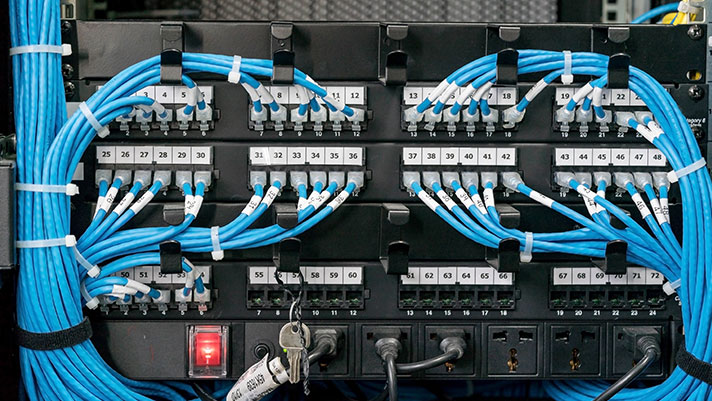
- Data center or network closet: Velcro ties prevent cable damage and allow quick changes.
- Automotive wiring: Zip ties are best for heat and vibration resistance.
- Temporary event setups: Velcro ties save time and money since they can be reused.

Credit: willele.com
Real-world Example
Imagine setting up a home office. You have a computer, monitor, speakers, printer, and phone charger. If you use zip ties, it looks neat at first. But when you upgrade your monitor or move your desk, you must cut and replace every tie.
With Velcro ties, you simply open, adjust, and close. Over a few years, you might use the same 10 Velcro ties, but burn through dozens of zip ties.
Data Table: Typical Specs Comparison
Let’s look at some typical specifications:
| Spec | Velcro Cable Ties | Zip Ties |
|---|---|---|
| Typical Length | 6–12 inches | 4–36 inches |
| Weight Capacity | 1–5 lbs | 18–175 lbs |
| Colors | Many | Many |
| Material | Nylon, polyester (hook-and-loop) | Nylon, UV-resistant nylon, stainless steel |
| Reusable | Yes | No |
Pros And Cons Summary
A quick look at the main pros and cons:
| Velcro Cable Ties | Zip Ties | |
|---|---|---|
| Pros |
|
|
| Cons |
|
|
Practical Tips For Choosing
- Always match the tie to your environment. Use UV-resistant zip ties outdoors, and Velcro ties for electronics.
- Don’t overtighten zip ties. Leave a little space to avoid crushing cables.
- For neatness, cut off excess after installing zip ties—but watch out for sharp ends.
- For frequent changes, invest in good-quality Velcro ties.
- When possible, use different colors for easy cable identification.
For more information on cable management and safety, check the guidance from Wikipedia.
Frequently Asked Questions
What Are The Main Differences Between Velcro Cable Ties And Zip Ties?
Velcro cable ties are reusable, gentle on cables, and ideal for changing setups. Zip ties are stronger, single-use, and great for permanent or outdoor installations.
Can Velcro Cable Ties Hold As Much Weight As Zip Ties?
No, zip ties are much stronger. Heavy-duty zip ties can hold over 100 lbs, while Velcro ties are better for small, light bundles.
Are Velcro Cable Ties Safe For All Types Of Cables?
Yes, they’re safe for most cables, including data, power, and audio. They won’t pinch or damage insulation, making them a good choice for sensitive wires.
How Do I Remove Zip Ties Without Damaging Cables?
Use sharp scissors or flush cutters, and cut slowly to avoid nicking the wires. Always cut away from yourself to avoid injury from sharp ends.
Which Is Better For Outdoor Use?
Zip ties (especially UV-resistant types) last much longer outside. Velcro ties break down quickly when exposed to sun and rain.
Choosing between Velcro cable ties and zip ties depends on your project. For setups that change often, need gentle handling, or where you want to reduce waste, Velcro ties are best. For strength, cost, and permanent jobs, zip ties are the right choice. Understanding these differences helps keep your cables safe, your projects neat, and your work efficient.
For more helpful guides, check out cable clips and ties usage guide, organizing chargers and adapters at home, and under desk cable tray installation tips.
Velcro cable ties are better for cables you need to adjust or reorganize frequently. Zip ties offer a more secure, permanent hold and are better for bundles that will not change.
Yes, Velcro cable ties are fully reusable. They can be opened, repositioned, and re-fastened hundreds of times without losing their grip, making them more economical for long-term cable management.
Standard zip ties can damage cables if over-tightened, as the sharp edges can pinch wires and cause insulation wear over time. Use purpose-made cable zip ties with smooth edges and self-locking heads.
For standard cable bundles, 4-inch (100mm) ties work for thin bundles and 8-inch (200mm) ties handle larger groups. Always choose a tie rated for a bundle diameter slightly larger than your actual cable bundle.
Outdoor use requires UV-resistant, weatherproof zip ties made from nylon 6/6 or UV-stabilized materials. Standard indoor zip ties will become brittle and break within months when exposed to direct sunlight.