
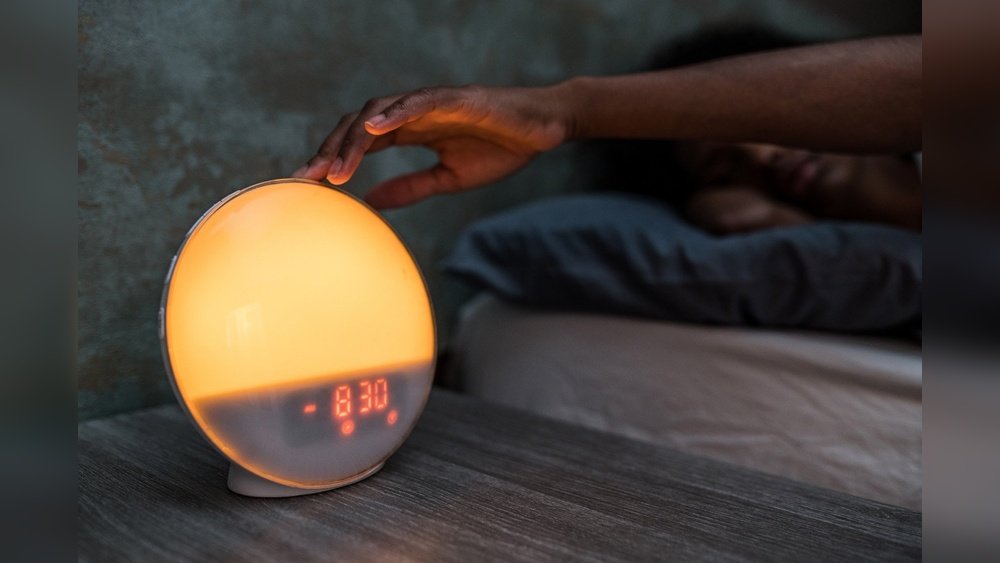
Waking up early is hard for many people. The sound of a loud alarm can be stressful and unpleasant. But what if there was a more natural, gentle way to start your day? Sunrise alarm clocks are becoming popular for this reason.
These special clocks use light instead of harsh sounds to wake you up. They mimic the rising sun, helping your body wake up slowly and naturally. People who use sunrise alarm clocks often feel more energetic, less groggy, and happier in the morning.
If you often feel tired after waking up, or if regular alarms make you anxious, a sunrise alarm clock might be the answer. In this article, you will learn what a sunrise alarm clock is, how it works, and the many benefits it offers.
You’ll also see how sunrise alarms compare with traditional alarms, what to look for when buying one, and answers to common questions. Let’s discover how a simple change to your morning routine can improve your whole day.
What Is A Sunrise Alarm Clock?
A sunrise alarm clock is a special type of alarm that wakes you up with light instead of just sound. The clock has a built-in light that gets brighter over time, simulating a real sunrise. Usually, it starts glowing about 30 minutes before your set wake-up time and gradually becomes brighter. Some models also play gentle sounds like birds singing or soft music to help you wake up.
These clocks are designed to match your body’s natural sleep cycle, called the circadian rhythm. Your body expects to wake up when it gets light outside. But if you get up before sunrise, especially in winter, or sleep in a dark room, your body can feel confused. A sunrise alarm clock helps by giving your body the right signals to wake up naturally.
How Does A Sunrise Alarm Clock Work?
The main feature of a sunrise alarm clock is its light. Here’s how the process usually works:
- Gradual Brightening: Before your wake-up time, the clock’s light slowly increases in brightness. It might start as a dim red or orange, like dawn, and end as a strong white or yellow light, like full daylight.
- Timing: The light starts about 20 to 40 minutes before your alarm. You can often set how long the sunrise effect lasts.
- Sound Options: Many sunrise clocks also let you add natural sounds or soft music to help you wake up. These sounds start at low volume and get louder as the light gets brighter.
- Personalization: You can adjust the brightness, color, and sound to match your preferences.
- Sunset Mode: Some models also offer a sunset feature. The light dims slowly, helping you relax before sleep.
Most sunrise alarm clocks use LED lights, which are energy-efficient and can change color. The gradual light helps your body stop making melatonin, the hormone that makes you sleepy, and start producing cortisol, the hormone that wakes you up.
Key Benefits Of Sunrise Alarm Clocks
1. More Natural Wake-up Experience
The biggest benefit is a gentle, natural wake-up. Instead of being shocked awake by a loud sound, your body wakes up slowly as the light gets brighter. This is closer to how humans have woken up for thousands of years. You feel less stressed and more refreshed.
2. Improved Mood And Energy
Waking up to light can boost your mood. Studies show that exposure to bright light in the morning helps your body produce serotonin, a hormone that makes you feel happy and alert. Many users say they feel less tired and more positive throughout the day.
3. Better Sleep Quality
A sunrise alarm clock can help set a regular sleep schedule. The body’s internal clock, or circadian rhythm, is controlled by light. If you wake up at the same time with a sunrise alarm, you may fall asleep more easily at night and sleep more deeply.
4. Reduced Sleep Inertia
Sleep inertia is the groggy, confused feeling you get after waking up suddenly. Because sunrise alarms wake you gradually, you’re less likely to feel this way. You can start your day more focused and alert.
5. Helpful In Winter Or For Shift Workers
In winter, days are shorter, and mornings are often dark. This can make it harder to wake up and can even lead to seasonal affective disorder (SAD), a type of depression linked to low sunlight. Sunrise alarm clocks help by giving you extra light when you need it. They are also useful for people who work night shifts and need to wake up when it’s still dark outside.
6. Reduced Reliance On Caffeine
If you wake up feeling more refreshed, you may not need as much coffee or energy drinks to start your day. Less caffeine means you’re less likely to feel anxious, jittery, or have trouble sleeping later.
7. Customizable Wake-up Options
Many sunrise alarm clocks let you pick your favorite sounds or colors. You can choose birds chirping, ocean waves, or even gentle piano music. This makes waking up more personal and pleasant.
8. Non-obvious Insight: Light Timing Matters
A detail many beginners miss is the importance of when the light starts. If you set the sunrise too close to your actual wake-up time, you may not get the full benefit. The gradual brightening should last at least 20-30 minutes to give your body time to adjust.
9. Non-obvious Insight: Helps Kids And Heavy Sleepers
Sunrise alarm clocks are not just for adults. They can help children who have trouble waking up early for school or people who sleep very deeply. The combination of light and sound is more effective than sound alone.
Comparison: Sunrise Alarm Clocks Vs. Traditional Alarms
Let’s look at how sunrise alarms compare to regular alarm clocks.
| Feature | Sunrise Alarm Clock | Traditional Alarm Clock |
|---|---|---|
| Wake-Up Method | Gradual light & optional sound | Loud sudden sound only |
| Stress on Wake-Up | Low | High |
| Sleep Quality | Often improved | Unchanged or worse |
| Helps with SAD | Yes | No |
| Personalization | Yes | Limited |
| Price Range | Medium to high | Low to medium |
From this comparison, sunrise alarm clocks clearly offer several advantages, especially for people who want a more relaxed and healthy start to their day.

Credit: www.choicelivingnz.com
Key Features To Look For When Buying A Sunrise Alarm Clock
Choosing the right sunrise alarm clock depends on your needs and preferences. Here are some important features to consider:
- Adjustable Brightness: Make sure you can change how bright the light gets. Some people need more light to wake up, while others prefer a softer glow.
- Sound Choices: Look for a model with several sound options or the ability to add your own music.
- Color Settings: Some clocks offer different colors to simulate the colors of a real sunrise, such as red, orange, and yellow.
- Sunset Feature: A sunset setting can help you fall asleep more easily by dimming the light slowly.
- Snooze Function: If you need extra time, a snooze button can be helpful. But try not to rely on it too much, as it can interrupt your natural wake-up process.
- Display Brightness: Check if the clock’s time display can be dimmed at night so it doesn’t disturb your sleep.
- Size and Design: Pick a clock that fits well on your bedside table and matches your room’s style.
- Battery Backup: This keeps the alarm working even if there’s a power outage.
Here’s a quick comparison of popular features in sunrise alarm clocks:
| Feature | Essential? | Why It Matters |
|---|---|---|
| Adjustable brightness | Yes | Fits your comfort level and light sensitivity |
| Multiple sounds | Optional | Allows a personalized wake-up experience |
| Sunset mode | Optional | Helps with falling asleep |
| Backup battery | Yes | Keeps alarm working during power cuts |
Scientific Evidence And Real-life Examples
Many studies support the benefits of light-based alarms. Research from the Journal of Sleep Research found that people using a sunrise alarm clock woke up with better mood and less stress than those using sound-only alarms. In another study, people reported less sleep inertia and higher energy levels after using light alarms.
For example, Anna, a nurse who works night shifts, found it hard to wake up in the dark. After switching to a sunrise alarm clock, she noticed she felt more awake and less grumpy. Many users online also share similar experiences, saying sunrise alarms helped them stick to a routine and feel better in the mornings.
If you want more details about the science behind sunrise alarms and circadian rhythms, you can visit the Wikipedia page on dawn simulators.
Common Mistakes When Using A Sunrise Alarm Clock
Even though sunrise alarms are simple, some common mistakes can reduce their benefits:
- Setting the light too close to wake-up time: The gradual light effect needs at least 20–30 minutes to work properly. If you set it to start just 5–10 minutes before, your body won’t have time to adjust.
- Placing the clock too far from your bed: The light needs to reach your face. If it’s blocked or too far away, the effect is weaker.
- Ignoring the sunset feature: Many people forget to use the sunset mode, which can help you fall asleep faster by slowly dimming the light in the evening.
- Using harsh backup sounds: If the backup sound is too loud or annoying, it can undo the gentle effect of the light.
Who Should Consider A Sunrise Alarm Clock?
A sunrise alarm clock is helpful for many people, especially:
- People who struggle to wake up in the dark
- Anyone with trouble sleeping or keeping a routine
- Shift workers who need to wake up at odd hours
- People affected by seasonal affective disorder (SAD)
- Parents who want to help children wake up more easily
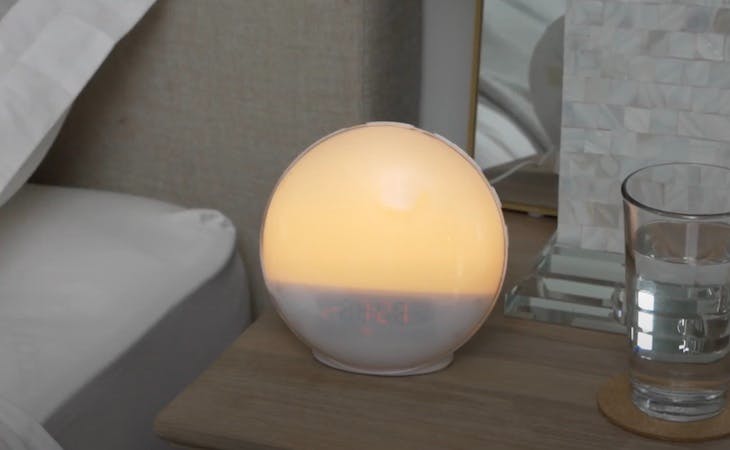
If you travel often or have an irregular schedule, a portable sunrise alarm clock can help keep your body on track.
Credit: www.saatva.com
Practical Tips For Getting The Most From Your Sunrise Alarm Clock
- Place it at eye level: The light should hit your eyes directly, even when closed.
- Keep your curtains closed: This helps the sunrise alarm’s light stand out, especially if you live in an area with streetlights.
- Use the sunset mode: Set it for 15–30 minutes before you want to sleep to help you relax.
- Avoid snooze overuse: Try to get up when the light and sound reach their peak.
- Combine with good sleep habits: Go to bed at the same time, avoid screens before bed, and keep your bedroom cool and quiet.
Frequently Asked Questions
How Long Does It Take To Get Used To A Sunrise Alarm Clock?
Most people adjust to a sunrise alarm clock within one to two weeks. Your body’s natural rhythm will start to sync with the new wake-up method, and you’ll likely notice improved mood and energy.
Can Sunrise Alarm Clocks Help With Insomnia?
Yes, they can help. By setting a regular wake-up time and using the sunset feature, you can train your body to sleep and wake up more naturally. However, if you have serious insomnia, it’s best to talk to a doctor.
Do Sunrise Alarm Clocks Work For Deep Sleepers?
They can be very effective, especially when combined with gentle sounds. The gradual light helps even heavy sleepers wake up more naturally. For very deep sleepers, choose a model with a backup sound option.
Are Sunrise Alarm Clocks Safe For Children?
Yes, they are safe and can help kids develop good sleep habits. Many models are designed for children, with fun colors and gentle sounds. Always follow the manufacturer’s age recommendations.
Is A Sunrise Alarm Clock Worth The Cost?
For many people, the benefits outweigh the cost. Better sleep, improved mood, and less stress in the morning are valuable. If you often struggle with waking up, a sunrise alarm clock is a smart investment in your well-being.
Switching to a sunrise alarm clock is a simple change that can make a big difference in your mornings and your health. Waking up gently with light can help you feel more refreshed, alert, and ready to face the day.
If you want to start your mornings in a better mood and with more energy, a sunrise alarm clock is worth considering.

Credit: gnrcdesigns.com
