
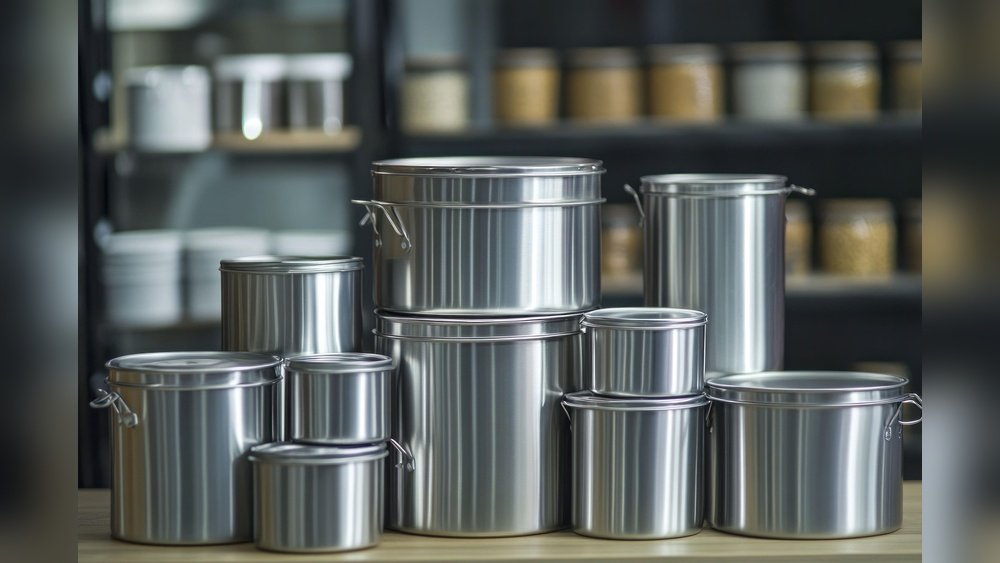
Stainless steel food containers have become a common sight in kitchens, offices, and lunch boxes worldwide. Many people are switching from plastic or glass containers to stainless steel for storing and carrying their meals. But why is this material so popular? Is it just a trend, or are there real benefits behind the shiny metal? At the same time, are there any disadvantages you should know before buying?
In this article, you’ll find a clear and honest look at the pros and cons of stainless steel food containers. We’ll help you understand how they compare to other materials, what makes them a smart choice for some people, and where they might not fit your needs. Whether you’re packing school lunches, meal-prepping for the week, or just want a safer way to keep leftovers, this guide will help you make the right decision.
What Makes Stainless Steel Special?
Stainless steel is a metal alloy made mainly from iron, chromium, and nickel. The chromium is what gives it the “stainless” property—it forms a thin, protective layer that resists rust and staining. In food containers, this means you get a tough and lasting material.
But it’s not just about durability. Stainless steel is also non-reactive, which means it won’t affect the taste, smell, or safety of your food. This makes it different from some plastics or metals that can leach chemicals or flavors into your meals.
Pros Of Stainless Steel Food Containers
Let’s start with the benefits that make stainless steel food containers a favorite for many people.
1. Long-lasting Durability
One of the biggest reasons people choose stainless steel is its exceptional strength. Unlike plastic, it does not crack, warp, or break easily. Even if you drop it, a stainless steel container usually survives with just a small dent.
For example, some families use the same stainless steel lunch boxes for years. Even after daily use, they often look almost new. This long life means fewer replacements, saving money over time.
2. Safe And Non-toxic
Safety is a top concern for food storage. Unlike some plastics, stainless steel does not contain BPA, phthalates, or other harmful chemicals. It also doesn’t leach substances into your food when exposed to heat or acidic foods.
This makes it a good choice for children’s lunch boxes, baby food storage, or anyone worried about food safety. Many parents feel more confident sending their kids to school with stainless steel containers.
3. Easy To Clean And Maintain
Stainless steel has a smooth surface that makes it hard for bacteria and food particles to stick. Most containers are dishwasher safe, so cleaning is simple.
Even stubborn stains or smells (like from curries or onions) don’t stick around. You can scrub stainless steel with regular cleaning tools without worrying about scratches or damage, unlike some plastics or non-stick coatings.
4. Environmentally Friendly
Choosing stainless steel can help reduce plastic waste. Because the containers last so long, you buy fewer replacements and throw away less. Most stainless steel is also recyclable at the end of its life.
Many people who want to live a “zero waste” lifestyle prefer stainless steel for this reason. If you care about the environment, stainless steel containers are a smart step.
5. Excellent Temperature Resistance
Stainless steel can handle high and low temperatures without breaking down. You can move it from the freezer to the fridge, and even pour hot food inside without worry.
This is different from some plastics, which can warp or release chemicals when heated. While stainless steel itself isn’t microwave-safe, it’s perfect for storing soups, hot rice, or leftovers straight from the stove.
6. Odor And Stain Resistance
Foods like tomato sauce, curry, or garlic can stain or leave smells in plastic containers. Stainless steel naturally resists odors and stains. After washing, the container smells fresh and clean.
This is important if you meal-prep strong-tasting foods or pack a variety of lunches each week.
7. Sleek, Modern Design
A small but important advantage is the attractive appearance of stainless steel. The shiny or matte finish looks clean and modern. Many people like the professional look for home or work lunches.
Plus, stainless steel containers often come in stackable or modular designs, which make them easy to store and transport.
8. Good For Outdoor Use
If you enjoy camping, hiking, or outdoor picnics, stainless steel is ideal. It’s tough, lightweight for its size, and doesn’t shatter if dropped. Unlike glass, you can pack it in a backpack without worry.
Some containers even double as small pots for cooking over a campfire, adding extra value for adventurers.
Cons Of Stainless Steel Food Containers
While stainless steel has many benefits, it’s not perfect. Here are the main drawbacks you should consider.
1. Higher Initial Cost
Stainless steel food containers usually cost more upfront than plastic or even glass. While the price can vary based on size and brand, it’s common for a single container to cost as much as a whole set of plastic ones.
For families on a tight budget, this can be a barrier. However, the long-term savings (since you replace them less often) can balance out the higher price over time.
2. Not Microwave-safe
A key limitation is that stainless steel cannot go in the microwave. If you often reheat leftovers at work or school, this can be inconvenient. You’ll need to transfer your food to a microwave-safe dish before heating.
This extra step can make stainless steel less appealing for people who rely on quick, easy reheating.
3. Heavier Than Plastic
While stainless steel is lighter than glass, it’s still heavier than most plastic containers. If you carry several containers in a backpack or lunch bag, the weight can add up.
This is less of a problem for single meals but may be noticeable for families or those who carry food for a whole day.
4. Can Dent Or Scratch
Stainless steel is strong, but it’s not immune to dents or scratches. If dropped on a hard floor, the container may develop small dents. Repeated use with metal utensils can also leave scratches.
While these marks don’t affect safety, they can make the container look less attractive over time.
5. Limited Airtight Options
Not all stainless steel containers have airtight or leak-proof seals. Some rely on metal lids that simply snap on, which might not keep soups or sauces from spilling. There are models with silicone seals, but these can wear out or break.
If you need to pack liquids or want to keep food fresh for several days, you’ll need to choose your container carefully.
6. May Affect Taste With Acidic Foods (rare)
In rare cases, very acidic foods (like tomato sauce or citrus) can pick up a slight metallic taste if stored for a long time. This is more likely with lower-quality stainless steel or damaged containers.
High-quality, food-grade stainless steel (such as 304 or 18/8) usually avoids this problem, but it’s something to be aware of.
7. Limited Shapes And Sizes
Stainless steel containers usually come in simple shapes—round, square, or rectangular. If you like containers with divided sections, built-in utensils, or special shapes for snacks, you might find fewer options in stainless steel.
Brands are adding more variety, but they still can’t match the huge range of plastic containers.
8. Conducts Heat Quickly
If you fill a stainless steel container with hot soup or stew, the outer surface can become hot to the touch. This can be uncomfortable or even cause burns if not handled carefully.
Some containers have plastic or silicone sleeves to prevent this, but it’s not universal.
Stainless Steel Vs. Other Food Container Materials
To help you see how stainless steel compares to other popular materials, here is a side-by-side look at key features.
| Feature | Stainless Steel | Plastic | Glass |
|---|---|---|---|
| Durability | Very high | Low to moderate | Moderate (can break) |
| Microwave-safe | No | Yes (check label) | Yes |
| Weight | Medium | Light | Heavy |
| Odor/Stain Resistance | Excellent | Poor | Very good |
| Cost | High | Low | Medium |
| Eco-friendly | Yes | No | Yes |
What To Look For When Buying Stainless Steel Containers
Not all stainless steel containers are the same. Here’s what matters most when choosing:
- Food-Grade Quality: Look for 304 or 18/8 stainless steel. These are safe for food and resist rust.
- Seal Type: If you want to carry liquids, choose containers with silicone or rubber seals for leak-proof performance.
- Size and Shape: Choose sizes that fit your meals and bags. Stackable sets are great for saving space.
- Brand Reputation: Trusted brands usually offer better quality and safety standards.
- Dishwasher Compatibility: Most are dishwasher safe, but always check the label to avoid damage.
Here’s a quick comparison of common grades:
| Grade | Main Use | Corrosion Resistance |
|---|---|---|
| 304 (18/8) | Food containers, cookware | Excellent |
| 201 | Budget containers | Good |
| 430 | Cheaper utensils | Fair |
Non-obvious Insights And Tips
Most people know stainless steel is strong and safe, but here are a few tips beginners often miss:
- If your container develops stubborn stains or a rainbow color, you can clean it with a mix of vinegar and baking soda. This restores the shine without harsh chemicals.
- When using containers for freezing, leave some space at the top—liquids expand as they freeze, and even tough stainless steel lids can pop off if overfilled.
- If you want to keep food warm, look for double-walled insulated containers. These can keep soups or stews hot for hours, but they cost more.

Credit: www.houndsy.com
When Stainless Steel Is The Right Choice
Stainless steel containers are best for people who:
- Want a long-lasting, safe, and eco-friendly option
- Don’t need to microwave their food directly in the container
- Pack lunches for work, school, or outdoor trips
- Prefer a modern, stylish look
- Are willing to pay a bit more upfront for quality
Who Might Want To Avoid Stainless Steel Containers
You may prefer plastic or glass if you:
- Need to microwave your food daily
- Want the lightest possible lunch box
- Need very cheap or disposable containers
- Like containers with built-in sections or extra features
Frequently Asked Questions
What Does “food-grade” Stainless Steel Mean?
Food-grade stainless steel refers to specific types (like 304 or 18/8) that are safe for contact with food. They resist rust, don’t react with most foods, and won’t leach chemicals or metals into your meals.
Can Stainless Steel Food Containers Go In The Oven?
Most single-wall stainless steel containers can handle oven temperatures, but always check with the manufacturer. Never put containers with plastic, silicone, or painted parts in the oven.
How Do I Remove Stains Or Smells From My Stainless Steel Container?
Mix a bit of vinegar with baking soda and warm water, then scrub gently. This removes most stains and odors. Avoid steel wool, which can scratch the surface.

Credit: www.furrbby.com
Are Stainless Steel Containers Safe For Children?
Yes, they are safe, non-toxic, and durable—a good choice for kids’ lunches. Just choose containers with rounded edges and leak-proof lids to avoid spills.
Where Can I Learn More About Stainless Steel Safety?
You can read more details about stainless steel alloys and their safety for food contact on the Stainless Steel Wikipedia page.
Stainless steel food containers offer a strong mix of safety, durability, and style. They’re ideal for anyone who values long-lasting quality and cares about health or the environment. By understanding both the pros and cons, you can make an informed choice that fits your kitchen and lifestyle.

Credit: www.cupindy.com
For more helpful guides, check out plastic vs glass food container comparison, how to avoid food waste with meal prep, and how to organize baking supplies in kitchen.
Yes, food-grade 18/8 stainless steel (304 grade) is completely safe for food storage. It is non-reactive, does not leach chemicals, and is resistant to bacteria — making it one of the healthiest container materials available.
No, stainless steel containers cannot be microwaved. Metal causes arcing and sparking in microwaves and can damage the appliance. Transfer food to a microwave-safe glass or ceramic container before reheating.
Stainless steel containers with airtight silicone-sealed lids keep food as fresh as glass containers. They do not absorb odors or stains, keeping them hygienic and odor-free even after storing strong-smelling foods.
Yes, stainless steel containers are a worthwhile long-term investment. They last decades without warping, staining, or degrading, unlike plastic containers that need frequent replacement and can leach microplastics.
Wash with warm soapy water and a non-abrasive sponge. For stubborn stains, soak in a mixture of baking soda and water. Avoid steel wool or bleach, which can scratch or damage the surface.
