
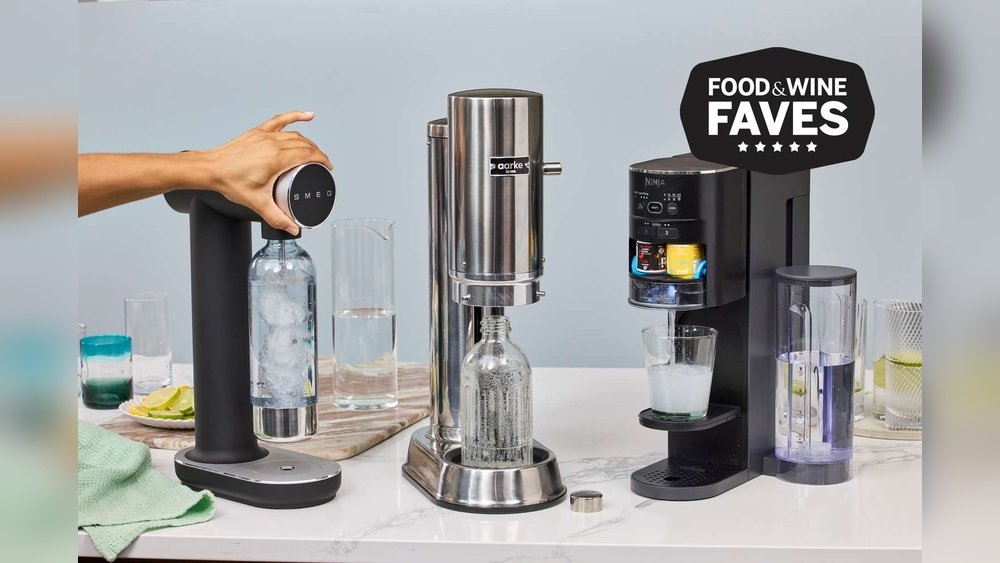
Sparkling water makers are becoming more popular in homes worldwide. People want to enjoy fizzy drinks without buying plastic bottles or cans. But is a sparkling water maker really a smart choice? If you are thinking about buying one, it’s important to understand both the benefits and the drawbacks. This article looks closely at the pros and cons of sparkling water makers. You’ll learn about cost, convenience, taste, environmental impact, and more. Whether you love carbonated drinks or just want to cut back on soda, this guide will help you decide if a sparkling water maker is right for you.
What Is A Sparkling Water Maker?
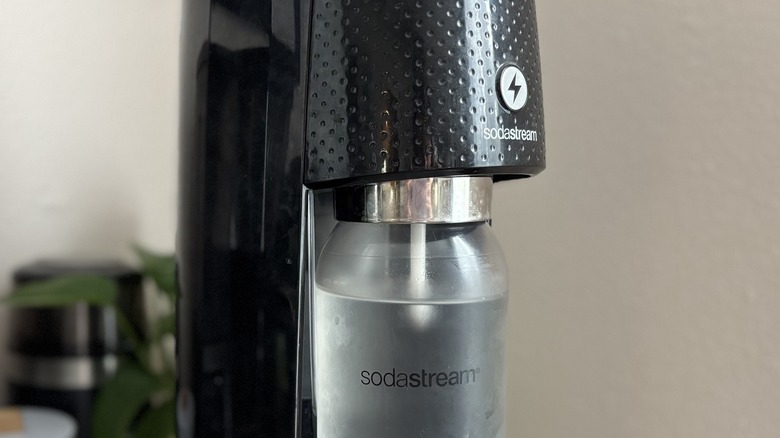
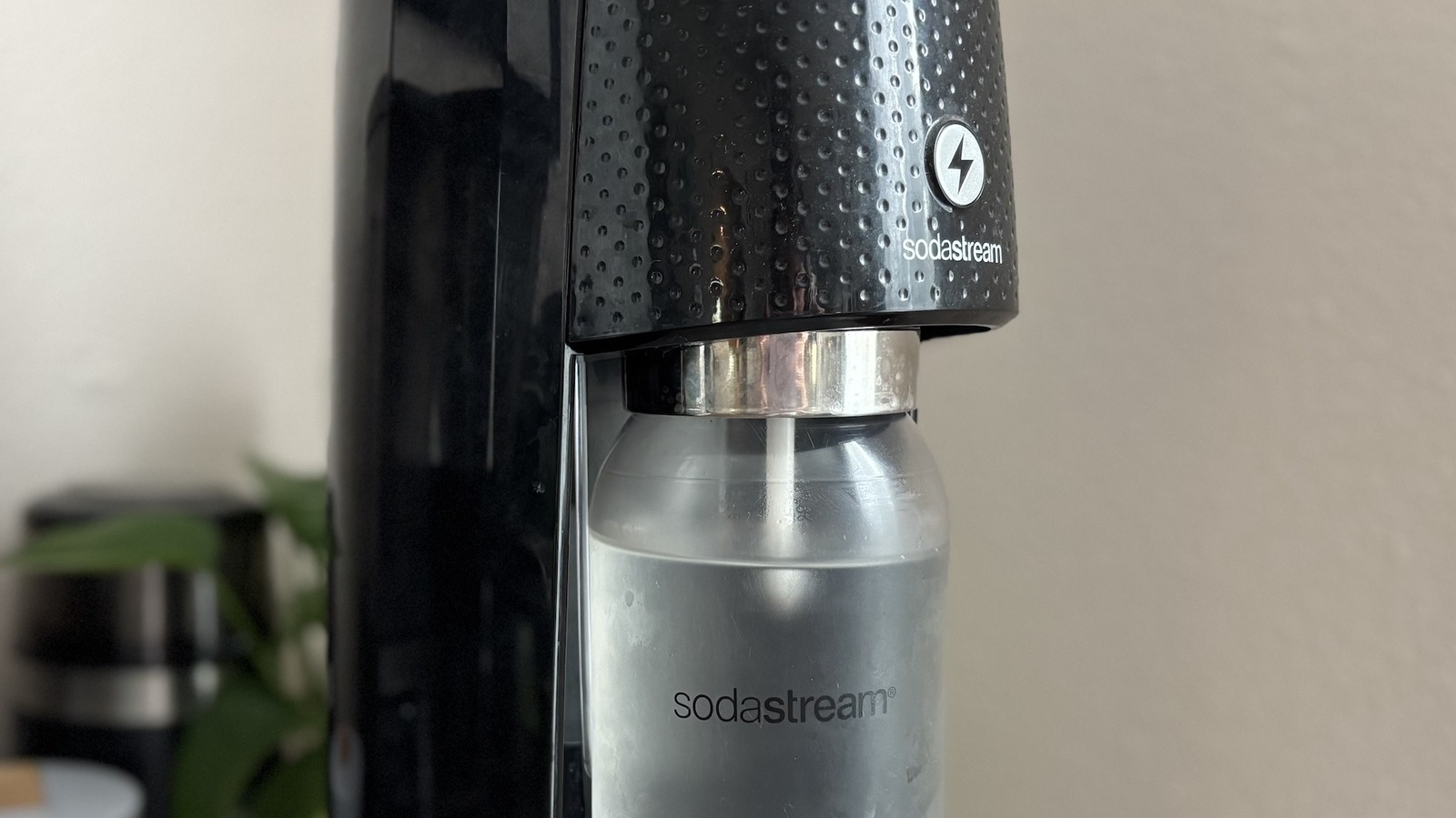
A sparkling water maker is a small appliance that turns regular tap water into carbonated water. It uses a pressurized CO2 cylinder to add bubbles. Most devices are simple to use: fill a bottle with water, attach it to the machine, press a button, and enjoy fresh sparkling water. Popular brands include SodaStream, Aarke, and DrinkMate.
Pros Of Sparkling Water Makers
Let’s look at why so many people love these machines.
1. Saves Money Over Time
Buying bottles or cans of sparkling water adds up. With a maker at home, your only ongoing cost is the CO2 canister and sometimes flavorings. Over a year, you may spend less than half compared to store-bought carbonated water. For example, a family drinking one liter per day could save hundreds of dollars yearly. If you enjoy fizzy drinks regularly, the savings become clear after a few months.
2. Reduces Plastic Waste
One of the biggest reasons people buy a sparkling water maker is to use less plastic. With your own device, you reuse the same bottles over and over. This helps cut down on the millions of plastic bottles thrown away every day. Even aluminum cans, though recyclable, use energy and resources. Sparkling water makers are a step toward a more eco-friendly lifestyle.
3. Customizes Fizz And Flavors
At home, you control how fizzy your drink is. Some people like strong bubbles; others prefer a lighter sparkle. With most machines, you can press the button more or less to get the exact result you want. You can also add flavors—lemon, mint, fruit syrups, or even natural juices.
This makes it easy to mix your favorite drinks and try new recipes.
4. Convenient And Always Ready
You don’t need to run to the store or carry heavy bottles. Your sparkling water is ready anytime, from just your tap and a press of a button. This saves time and effort, especially for families or offices. If guests drop by, you can offer fresh fizzy drinks in seconds.
5. Healthier Than Soda
Most store sodas have a lot of sugar and artificial ingredients. With a sparkling water maker, you can enjoy the bubbles without the extra calories or chemicals. For people trying to drink less soda, this is a great alternative. You can add a splash of lemon or a piece of fruit for taste without worrying about unhealthy additives.
6. Encourages Drinking More Water
Many users say they drink more water after getting a sparkling water maker. The bubbles make water more exciting, so it’s easier to reach your daily hydration goals. If you struggle with plain water, this can be a big help.
7. Less Storage Space Needed
Storing bottles or cans takes up space in your kitchen or fridge. With a home sparkling water maker, you just need space for the device, a reusable bottle, and a CO2 canister. This makes your kitchen less cluttered and easier to organize.
8. Long-term Value
A well-made sparkling water maker can last for years. Even if the upfront cost is higher, the long-term value is strong. Some brands offer warranties or easy repairs, giving you more confidence in your purchase.
9. Good For Entertaining
If you like to host parties or family gatherings, a sparkling water maker is a fun addition. You can make mocktails, flavored sparkling drinks, or simply serve fresh fizzy water. It feels a bit special, and guests often appreciate the option.
10. Supports A Greener Lifestyle
Using fewer single-use bottles means a smaller carbon footprint. For eco-conscious people, this is an easy way to help the planet. Some brands even use recycled materials for their machines and bottles.
Credit: www.chowhound.com
Cons Of Sparkling Water Makers
While there are many benefits, sparkling water makers are not perfect for everyone. Consider these drawbacks before buying.
1. Upfront Cost
The first thing you notice is the initial price. Most sparkling water makers cost between $70 and $200, depending on the brand and model. This is much more than a few bottles of store-bought sparkling water. If you do not use it often, it might take a long time to get your money’s worth.
2. Co2 Cylinder Refills Can Be Inconvenient
The CO2 canister must be refilled or replaced every 60-130 liters, depending on usage and machine size. This can be a hassle if local stores do not sell refills, or you need to mail empty canisters back for exchange. Some users find this process confusing or annoying, especially in areas with few options.
3. Not Always Cheaper For Light Users
If you only drink sparkling water once in a while, the cost per liter may actually be higher than buying bottles at the store. This is especially true if you buy generic or store-brand sparkling water, which can be very cheap during sales.
4. Takes Up Counter Space
Kitchen space is valuable. A sparkling water maker, though not huge, does need a spot on your counter or in a cabinet. In small apartments or kitchens, this can be a problem. The CO2 canister and bottles also need storage.
5. Machine Maintenance Needed
Like any appliance, sparkling water makers need some care. You must clean the bottle regularly and sometimes the nozzle or machine itself. If you add flavors, cleaning is even more important to prevent build-up or smells. Forgetting this step can cause mold or bacteria.
6. Ongoing Costs
While you save money compared to premium brands, you still need to buy CO2 refills and, if desired, flavor syrups. These costs can add up, especially if you drink a lot or use branded syrups. Prices for refills vary by region and brand.
7. Noisy Operation
Some machines make a loud hissing or popping noise when carbonating the water. This can surprise pets, children, or anyone sensitive to sound. It’s not usually a deal-breaker, but it’s worth knowing.
8. Not All Models Are Durable
Cheaper sparkling water makers may feel flimsy or break easily. Issues like leaky bottles, stuck buttons, or weak carbonation are more common in low-end models. Investing in a quality brand can help, but it costs more upfront.
9. Limited To Still Water
Most machines are designed for water only. Trying to carbonate juice, wine, or other liquids can damage the device or make a mess. Some brands offer models for more than water, but they are usually more expensive. This can be disappointing if you want to carbonate different drinks.
10. May Not Suit Every Taste
Some people notice a slight difference in taste between homemade and store-bought sparkling water. The minerals in your tap water, or the strength of carbonation, can affect the flavor. If you are very picky about taste, you might not be satisfied.
Comparing Cost And Convenience
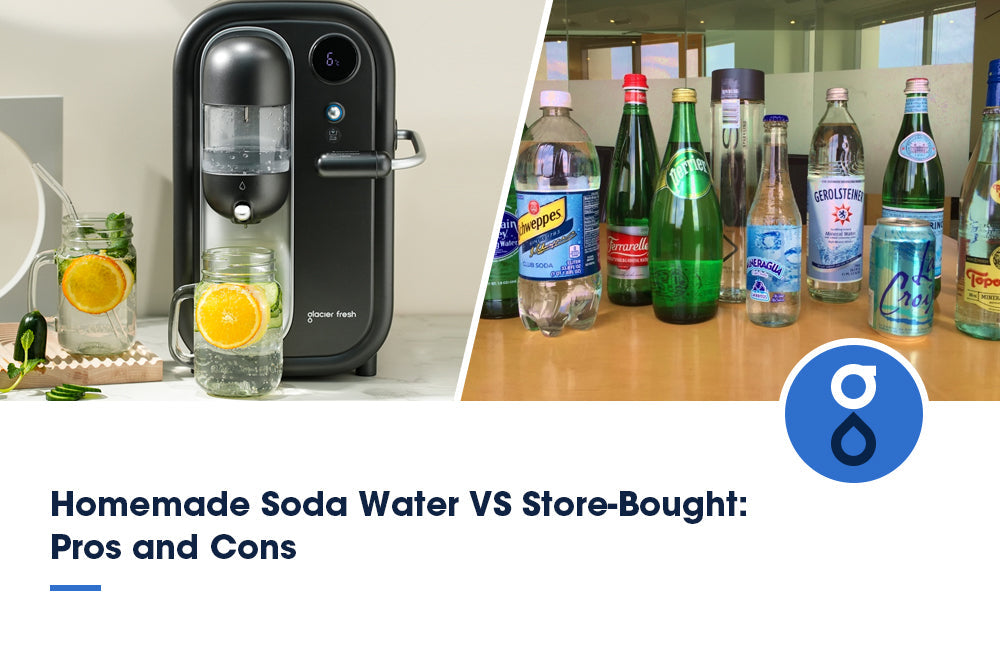
To help you see the differences, here’s a comparison between using a sparkling water maker and buying bottled sparkling water:
| Factor | Sparkling Water Maker | Bottled Sparkling Water |
|---|---|---|
| Initial Cost | High (machine + CO2) | Low (single purchase) |
| Ongoing Cost per Liter | Low (after initial investment) | Medium to High |
| Convenience | Always available at home | Requires shopping and storage |
| Customization | Adjust fizz and flavors | Fixed by brand |
| Environmental Impact | Low (reusable bottles) | High (single-use bottles/cans) |
Credit: glacierfreshfilter.com
Environmental Impact: Real Numbers
How much waste can you save? Consider this data:
| Usage Per Year | Bottles/Cans Used | Bottles Saved with Maker |
|---|---|---|
| 1 liter/day | 365 | 360+ |
| 3 liters/week | 156 | 150+ |
| Occasional | 50-100 | Almost all |
Even light users can reduce a significant amount of waste each year.
Choosing The Right Sparkling Water Maker
Not every machine is the same. Here are key things to think about before buying:
- CO2 Refill System: Some brands use proprietary canisters. Others accept standard ones. Check what is available in your area.
- Build Quality: Look for stainless steel or solid plastic. Cheaper models often break faster.
- Bottle Size and Type: Most come with 1-liter bottles, but some offer smaller or larger options. Glass bottles are more stylish, but plastic is lighter.
- Ease of Cleaning: Removable parts and dishwasher-safe bottles make life easier.
- Extra Features: Some machines let you carbonate other drinks or have digital displays.
A common mistake is choosing the cheapest option without checking the cost of refills or bottle replacements. Another is not measuring your counter space before buying.
Non-obvious Insights For Buyers
Beginners often miss these points:
- Water Temperature Matters: Cold water absorbs CO2 better than room temperature water. To get the fizziest result, chill your water before carbonating.
- Tap Water Quality Affects Taste: If your tap water tastes odd, your sparkling water will too. Consider using filtered water for the best flavor.
- CO2 Canister Exchange Programs: Some brands offer home pickup and delivery for refills. This can save time and money—check local options before buying.
Who Should (and Shouldn’t) Get A Sparkling Water Maker
A sparkling water maker is ideal for people who:
- Drink sparkling water daily or several times a week.
- Want to reduce plastic waste.
- Like to experiment with flavors and fizz.
- Have enough kitchen space.
It may not be worth it if you:
- Only drink sparkling water occasionally.
- Have limited counter space.
- Prefer the exact taste of a specific bottled brand.
- Live in an area with no CO2 refill options.
Credit: www.chowhound.com
Frequently Asked Questions
What Is The Typical Lifespan Of A Sparkling Water Maker?
Most quality sparkling water makers last from 3 to 7 years with regular use and proper care. The bottles may need replacement every 2-3 years due to wear. Cheaper models may break sooner, while high-end machines often last longer.
Can I Carbonate Other Drinks Besides Water?
Most machines are designed for water only. Carbonating juice, wine, or other drinks can damage the machine or cause spills. Some advanced models like DrinkMate allow for other liquids, but always check the manual before trying.
How Do I Know When To Replace The Co2 Canister?
You’ll notice weaker bubbles or no fizz at all when the CO2 runs out. Some machines have a pressure indicator, but most rely on you keeping track of usage. A typical canister lasts for about 60-130 liters of water, depending on how fizzy you like your drinks.
Is Homemade Sparkling Water As Safe As Store-bought?
Yes, if you use clean bottles and follow the instructions. The process only adds CO2 to water, so it’s safe. If you add flavors or syrups, clean the bottle and machine regularly to prevent bacteria growth.
Where Can I Recycle Empty Co2 Canisters?
Most brands have a return or exchange program. Check with the store or manufacturer. Some local recycling centers also accept them. For more information about recycling, you can visit the EPA’s recycling page.
Sparkling water makers offer both advantages and drawbacks. By considering your habits, kitchen space, and local refill options, you can make an informed decision. For regular sparkling water drinkers, the convenience, cost savings, and environmental benefits often outweigh the downsides. For occasional users, a sparkling water maker might be less practical. Take your time, weigh the pros and cons, and choose what fits your lifestyle best.
