
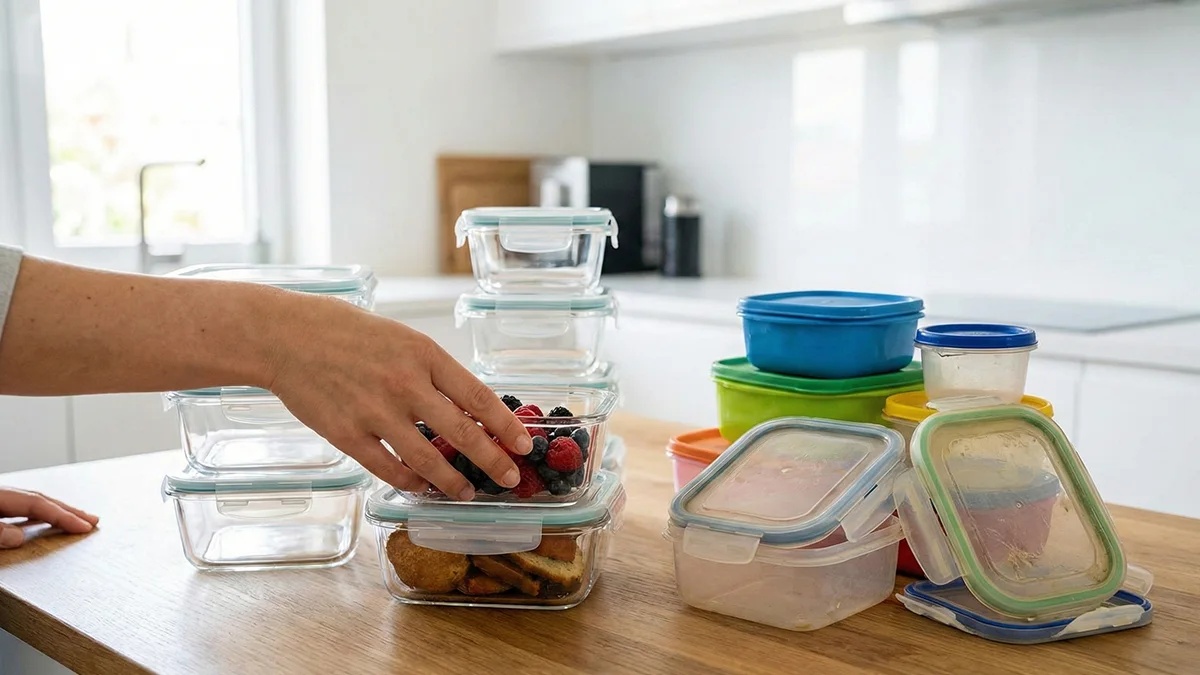
When it comes to storing food, the choice between plastic and glass containers often comes down to convenience versus perceived safety. Generally, glass food containers are considered a safer option due to their inert nature, which significantly reduces the risk of chemical leaching into food, especially under varying temperatures. While many plastic containers are labeled food-safe, concerns persist regarding potential chemical migration and their broader environmental footprint.
- Glass containers are inert and do not leach chemicals into food.
- Plastic containers can leach chemicals, particularly when heated, scratched, or exposed to acidic/fatty foods.
- BPA-free plastics are an improvement but may still contain other potentially harmful chemicals.
- Glass offers superior heat resistance, making it ideal for microwaving and oven use.
- Plastic is lightweight and shatter-resistant, but prone to staining and odor absorption.
- Glass is infinitely recyclable, while plastic recycling is more complex and limited.
Understanding the Materials: Plastic and Glass Composition
The fundamental differences in composition between plastic and glass are key to understanding their safety profiles. Plastics are synthetic polymers derived primarily from petroleum. They come in various types, each with distinct properties and uses, such as polyethylene terephthalate (PET), high-density polyethylene (HDPE), polyvinyl chloride (PVC), low-density polyethylene (LDPE), polypropylene (PP), polystyrene (PS), and polycarbonate (PC).
Many plastics contain additives like plasticizers, stabilizers, and colorants to achieve desired flexibility, durability, and appearance. Historically, bisphenol A (BPA) was a common additive in polycarbonate plastics and epoxy resins, used to make them clear and rigid. While many manufacturers now offer “BPA-free” products, these often substitute BPA with similar compounds like BPS or BPF, whose long-term health effects are still under investigation.
Glass, on the other hand, is an amorphous solid made primarily from silica (sand), soda ash (sodium carbonate), and limestone (calcium carbonate). These natural ingredients are melted at high temperatures and then cooled to form a rigid, non-porous, and non-reactive material. Glass is inherently inert, meaning it does not interact chemically with its contents. This natural stability is a significant advantage when it comes to food storage.
Plastic vs Glass Food Containers Safety: A Detailed Comparison
When evaluating plastic vs glass food containers safety, several factors come into play, including chemical leaching, heat resistance, durability, and hygiene. Each material presents a unique set of advantages and disadvantages that impact its suitability for storing food safely over time.
Glass containers are widely regarded as the safer choice for food storage because they are non-porous and chemically inert. This means that glass does not absorb food odors, colors, or flavors, nor does it leach any chemicals into the food, regardless of temperature or food type. This makes glass an excellent option for storing all kinds of foods, including acidic, oily, or highly pigmented dishes, without concern for contamination.
Plastic containers, while convenient, raise more safety questions. The primary concern is the potential for chemicals to migrate from the plastic into the food. This process, known as leaching, can be influenced by several factors, including the type of plastic, the temperature of the food, the duration of storage, and the food’s acidity or fat content. Even “food-grade” plastics are not entirely immune to this phenomenon, leading many consumers to seek alternatives.
Chemical Leaching: Are Your Containers Contaminating Your Food?
Chemical leaching is the process by which substances from a container material transfer into its contents. For food containers, this means chemicals from the plastic can migrate into your food, potentially posing health risks. The most well-known leachable chemical is BPA, which has been linked to hormonal disruptions and other health issues. Although many products are now BPA-free, alternative bisphenols (like BPS and BPF) or phthalates are sometimes used, and their safety profiles are still being studied.
Factors that increase chemical leaching from plastic include heating food in plastic containers, storing highly acidic foods (like tomato sauce) or fatty foods (like oils and cheeses), and using scratched or old plastic containers. Scratches create pathways for chemicals to escape, and degradation over time can break down the plastic, releasing more compounds. The longer food is stored in plastic, especially under adverse conditions, the greater the potential for leaching.
In contrast, glass is a non-porous material that does not contain plasticizers or other chemical additives that can leach into food. Its stable molecular structure ensures that it remains inert even when exposed to heat, acids, or fats. This makes glass an ideal choice for long-term food storage and for reheating meals, providing peace of mind that your food remains pure and uncontaminated by container materials.
Microwave and Heat Safety: What Happens When You Warm Up Food?
The safety of food containers in the microwave is a critical consideration for many households. Microwaving food in plastic containers is a common practice, but it significantly increases the risk of chemical leaching. The heat from the microwave can cause plastic polymers to break down, releasing chemicals like phthalates and bisphenols into your food. Even plastics labeled “microwave-safe” are not entirely risk-free, as this designation typically means the plastic will not melt or warp, not that it won’t leach chemicals.
For optimal safety when heating food, glass containers are the superior choice. Glass is highly resistant to heat and does not leach chemicals when microwaved or even used in conventional ovens. While it’s important to use tempered glass (like borosilicate glass) to prevent thermal shock, which can cause non-tempered glass to crack or shatter when exposed to rapid temperature changes, most food storage glass is designed for this purpose. Always ensure the container is oven or microwave-safe before heating.
When reheating food, transferring it from a plastic container to a glass or ceramic dish is a simple yet effective way to minimize exposure to potentially harmful chemicals. This practice ensures that your food is heated thoroughly without the added risk of chemical migration from the container material.
Durability and Practicality: Everyday Use and Longevity
Beyond safety, the durability and practicality of food containers play a significant role in their everyday usability and longevity. Plastic containers are celebrated for their lightweight nature and shatter resistance, making them convenient for packed lunches, picnics, and households with children. They are less likely to break if dropped, offering a practical advantage in busy environments. However, plastic is prone to scratches, which can harbor bacteria and accelerate chemical leaching. It also tends to absorb food odors and stains, especially from highly pigmented or aromatic foods like tomato sauce or curries, leading to discoloration and lingering smells over time.
Glass containers, while heavier and more fragile, offer superior durability in terms of maintaining their original condition. They are scratch-resistant, non-porous, and do not absorb odors or stains, ensuring they look and perform like new for many years. This makes them a more hygienic option in the long run, as they are easier to clean thoroughly and sanitize. The main drawback of glass is its susceptibility to breaking if dropped, which can be a concern for portability and households with young children. However, the longevity and inertness of glass often outweigh this fragility for many users.
Environmental Impact: Sustainability of Plastic and Glass
The environmental impact of food containers is an increasingly important consideration for consumers. Plastic production relies heavily on fossil fuels, a non-renewable resource. Most plastics are not biodegradable and can persist in the environment for hundreds of years, contributing to landfill waste and ocean pollution. While some plastics are recyclable, the process is complex, and many types are not widely accepted by recycling programs. Furthermore, plastic degradation leads to microplastic pollution, which has far-reaching ecological and health implications.
Glass, conversely, is made from abundant natural resources like sand, soda ash, and limestone. It is 100% recyclable and can be recycled infinitely without loss of quality. This closed-loop system significantly reduces waste and the need for virgin materials. However, glass production is more energy-intensive than plastic production due to the high temperatures required for melting raw materials. The weight of glass also contributes to higher transportation emissions compared to lightweight plastics.
Despite the energy costs of production and transport, glass’s infinite recyclability and inert nature often position it as a more sustainable choice in the long term, especially when considering the persistent environmental challenges posed by plastic waste and microplastics. Choosing reusable containers, regardless of material, is a key step towards reducing overall environmental impact.
Making the Safest Choice: Recommendations for Food Storage
When making decisions about food storage, prioritizing health and safety is paramount. For most applications, especially when heating food or storing acidic and fatty items, glass containers are the recommended choice. Their inert nature ensures that no chemicals will leach into your food, providing a clean and pure storage solution.
If plastic containers are necessary for their lightweight or shatter-resistant properties, choose them wisely. Opt for plastics labeled “BPA-free” and ideally those made from polypropylene (PP, recycling code 5) or high-density polyethylene (HDPE, recycling code 2), as these are generally considered more stable. Avoid plastics with recycling codes 3 (PVC), 6 (PS), and 7 (PC, often contains BPA or similar compounds). Never microwave food in plastic containers, even if they are labeled “microwave-safe.” Instead, transfer food to a glass or ceramic dish for heating.
Regularly inspect all your food containers. Discard any plastic containers that are scratched, discolored, or show signs of wear, as these are more likely to leach chemicals. For both plastic and glass, ensure they are thoroughly cleaned after each use to prevent bacterial growth. By making informed choices and maintaining your containers properly, you can significantly enhance the safety of your food storage practices.
Frequently Asked Questions
Is glass always safer than plastic for food storage?
Glass is generally considered safer than plastic for food storage because it is an inert material that does not leach chemicals into food. Unlike plastic, glass does not absorb odors or stains and remains stable even when exposed to heat, acids, or fats, ensuring food purity.
What are the main safety concerns with plastic food containers?
The primary safety concern with plastic food containers is the potential for chemical leaching, particularly of compounds like BPA, BPS, BPF, and phthalates. This risk increases when plastic is heated, scratched, or used to store acidic or fatty foods, potentially contaminating the food.
Can I safely microwave food in plastic containers?
Microwaving food in plastic containers is generally not recommended, even if they are labeled “microwave-safe.” The heat can cause plastic to break down and leach chemicals into your food. It is safer to transfer food to a glass or ceramic dish before microwaving.
Do glass food containers pose any safety risks?
Glass food containers are largely safe, but their main risk is breakage if dropped or subjected to extreme thermal shock (rapid temperature changes). Using tempered glass and handling containers carefully can mitigate these risks, ensuring safe and durable food storage.
How does the environmental impact of plastic vs glass food containers safety compare?
Glass is infinitely recyclable and made from abundant natural resources, making it a more sustainable choice in terms of waste reduction. Plastic, derived from fossil fuels, is not biodegradable and contributes significantly to pollution, despite being lighter for transport.
What should I look for when buying food containers for optimal safety?
For optimal safety, prioritize glass containers, especially for heating and long-term storage. If choosing plastic, look for “BPA-free” labels and recycling codes 2 (HDPE) or 5 (PP). Avoid plastics with codes 3, 6, or 7, and replace any scratched or worn plastic containers promptly.
Conclusion
The choice between plastic and glass food containers involves weighing convenience against health and environmental considerations. Glass stands out as the safer option due to its inert nature, preventing chemical leaching and offering superior heat resistance. While plastic offers practicality in terms of weight and shatter resistance, its potential for chemical migration, especially when heated, warrants careful usage.
Ultimately, making informed choices about your food storage containers is a simple yet impactful step towards safeguarding your health and contributing to a more sustainable environment. Prioritize glass for most uses, particularly for heating and acidic foods, and exercise caution with plastic by avoiding heating and replacing worn containers. By understanding the properties of each material, you can make the best decision for your household’s food safety.
[{“@context”:”https://schema.org”,”@type”:”Article”,”headline”:”Plastic vs Glass Food Containers Safety: Which is Best for Your Health?”,”mainEntityOfPage”:”https://homegeartoday.com/?p=114″,”datePublished”:”2025-12-12T21:18:38+00:00″,”dateModified”:”2025-12-12T21:18:38+00:00″},{“@context”:”https://schema.org”,”@type”:”ItemList”,”itemListElement”:[{“@type”:”ListItem”,”position”:1,”name”:”Understanding the Materials: Plastic and Glass Composition”},{“@type”:”ListItem”,”position”:2,”name”:”Plastic vs Glass Food Containers Safety: A Detailed Comparison”},{“@type”:”ListItem”,”position”:3,”name”:”Chemical Leaching: Are Your Containers Contaminating Your Food?”},{“@type”:”ListItem”,”position”:4,”name”:”Microwave and Heat Safety: What Happens When You Warm Up Food?”},{“@type”:”ListItem”,”position”:5,”name”:”Durability and Practicality: Everyday Use and Longevity”},{“@type”:”ListItem”,”position”:6,”name”:”Environmental Impact: Sustainability of Plastic and Glass”},{“@type”:”ListItem”,”position”:7,”name”:”Making the Safest Choice: Recommendations for Food Storage”},{“@type”:”ListItem”,”position”:8,”name”:”Is glass always safer than plastic for food storage?”},{“@type”:”ListItem”,”position”:9,”name”:”What are the main safety concerns with plastic food containers?”},{“@type”:”ListItem”,”position”:10,”name”:”Can I safely microwave food in plastic containers?”},{“@type”:”ListItem”,”position”:11,”name”:”Do glass food containers pose any safety risks?”},{“@type”:”ListItem”,”position”:12,”name”:”How does the environmental impact of plastic vs glass food containers safety compare?”},{“@type”:”ListItem”,”position”:13,”name”:”What should I look for when buying food containers for optimal safety?”}]}]
For more helpful guides, check out how to start organizing a messy home, storage vs decluttering, and building habit of putting things back.
Glass containers are universally considered safer — they are completely non-reactive and never leach chemicals into food regardless of temperature. BPA-free plastic containers are safe for cold storage but can leach trace chemicals when heated, scratched, or aged.
Plastics labeled #2 (HDPE), #4 (LDPE), and #5 (PP) are considered the safest for food contact. Avoid #3 (PVC), #6 (PS), and uncertified #7 plastics for food storage. Always look for BPA-free and food-safe markings on the packaging.
Avoid heating food in plastic containers. Even BPA-free plastics can release other chemical plasticizers when exposed to microwave heat. Transfer food to glass or ceramic containers for all microwave and oven reheating to eliminate this concern entirely.
Replace plastic food containers every 3–5 years or as soon as they show scratching, cloudiness, or persistent staining. Scratched plastic surfaces harbor bacteria and may leach chemicals more easily. Discard any cracked or warped plastic food containers immediately.
Borosilicate glass, food-grade stainless steel (18/8 grade), and food-safe ceramic are the three safest materials for food containers. All are completely non-reactive, do not absorb odors or stains, and maintain their safety properties indefinitely with normal care.
