
Choosing the right sheets can change how you sleep every night. But when you see “percale” and “bamboo” sheets in stores or online, it’s easy to feel lost. Which one is better for you? What do these names mean, really?
This guide will clear up the differences between percale and bamboo sheets, from how they’re made to how they feel, and help you decide which is right for your bed. Whether you want coolness, softness, or a green option, you’ll find clear answers here.
What Are Percale Sheets?
Percale sheets are not a material, but a type of weave. The percale weave uses a simple “one over, one under” pattern. This creates a smooth, crisp fabric that feels like a classic button-up shirt. Most percale sheets are made from cotton, but sometimes you’ll see percale using blends or other fibers.
A true percale sheet always has a thread count of at least 180. The result is a matte finish, lightweight feel, and sheets that get softer over time. Many luxury hotels use percale sheets because they’re durable, cool, and easy to wash.
Key Features Of Percale Sheets
- Cool and breathable: Great for hot sleepers or warm climates.
- Crisp texture: Not as silky as sateen or bamboo, but has a fresh, clean feel.
- Durable: With proper care, percale sheets can last for years.
- Matte look: No shiny surface; simple and classic style.
What Are Bamboo Sheets?
Bamboo sheets are made from the fibers of the bamboo plant. Most often, the bamboo is processed into a soft, silky fabric called viscose or rayon from bamboo. Some brands use “bamboo linen,” but this feels rougher than bamboo viscose.
Bamboo sheets are famous for their softness and natural cooling properties. They’re often marketed as eco-friendly, but the processing method matters. The best bamboo sheets use a “closed-loop” process, which is better for the environment.
Key Features Of Bamboo Sheets
- Silky smooth: Softer than cotton, with a slippery feel.
- Excellent moisture wicking: Draws sweat away from the skin, keeping you dry.
- Naturally hypoallergenic: Good for sensitive skin or allergies.
- Temperature regulating: Stays cool in summer and warm in winter.
Percale Vs Bamboo Sheets: The Main Differences
To see the main differences at a glance, consider this comparison:
| Feature | Percale Sheets | Bamboo Sheets |
|---|---|---|
| Main Material | Cotton (mostly) | Bamboo viscose/rayon |
| Feel | Crisp, cool, matte | Silky, smooth, drapey |
| Durability | Very durable | Durable, but can pill |
| Temperature | Breathable, cool | Excellent cooling, temp regulating |
| Eco-friendliness | Depends on cotton source | Eco-friendly if processed well |
| Care | Easy, machine-washable | Delicate, needs gentle care |
| Price Range | $$ | $$-$$$ |
Let’s look deeper into each difference.
Feel And Comfort
Percale Sheets
Percale sheets feel crisp and fresh against your skin. If you like the feeling of clean, pressed cotton, percale is a great choice. They don’t cling to your body, which makes them comfortable for people who move in their sleep. The crispness softens after a few washes but never becomes slippery.
Bamboo Sheets
Bamboo sheets feel silky and luxurious, often compared to cashmere or high-end silk. They drape over your body and have a slight shine. If you want sheets that feel cool and soft from the first night, bamboo is a top pick. However, some people find them too slippery or “clingy.”
Non-obvious Insight:
Most people expect bamboo sheets to be always softer than percale, but this isn’t always true. High-quality, long-staple cotton percale can become extremely soft after a few months of use. On the other hand, poor-quality bamboo sheets can feel rough and pill quickly.
Breathability And Temperature Control
Percale Sheets
Because of the loose weave and natural cotton, percale sheets let air flow freely. This keeps you cool at night, especially in warm or humid climates. Percale also absorbs moisture, so you don’t wake up sweaty.
Bamboo Sheets
Bamboo sheets are famous for temperature regulation. They wick away moisture even faster than cotton. If you have night sweats or sleep hot, bamboo’s cooling effect is hard to beat. They also stay fresh longer because bamboo is naturally resistant to bacteria.
Hidden Detail:
Bamboo sheets can sometimes feel cold when you first get into bed. This can be a plus or a minus, depending on your personal preference.
Durability And Care
Percale Sheets
Percale sheets last a long time, especially when made with long-staple cotton. They can handle hot washes and frequent use. Over time, they get softer without losing their shape. They rarely pill, but they can wrinkle easily.
Bamboo Sheets
Bamboo sheets need gentler care. They’re strong, but the fibers can break down if washed on high heat or with harsh detergents. Bamboo sheets often need to be washed in cold water and dried on low. They can pill if not cared for properly.
Practical Tip:
If you want sheets that survive years of regular hot-water washes, percale is usually the better choice. Bamboo sheets reward gentle care with a longer life and better softness.
Eco-friendliness
Percale Sheets
Traditional cotton farming uses a lot of water and pesticides. However, organic cotton percale is available and much better for the environment. Check for certifications like GOTS if sustainability matters to you.
Bamboo Sheets
Bamboo grows fast, needs little water, and doesn’t require pesticides. In theory, this makes bamboo sheets very eco-friendly. However, making bamboo viscose uses chemicals. The best bamboo sheets use a closed-loop process to recycle these chemicals. Always check how the bamboo fabric is made before buying.
Non-obvious Insight:
Many bamboo sheets are labeled “eco-friendly” but use harmful chemicals in production. Look for brands that share their manufacturing process or are certified by independent groups.
Price And Value
Percale Sheets
Percale sheets range from affordable to luxury, depending on the cotton quality and brand. You can find decent options for around $50, but high-end sets can cost over $200. They’re usually a good value because they last so long.
Bamboo Sheets
Bamboo sheets cost more, often starting at $70 and going over $250 for premium brands. The higher price reflects the softness and the processing involved. Be wary of very cheap bamboo sheets—these often use blends and won’t feel as nice or last as long.
Care And Maintenance
Here’s a quick look at how to care for both types:
| Sheet Type | Washing | Drying | Ironing |
|---|---|---|---|
| Percale | Warm or hot water | Tumble dry on medium | Wrinkles easily; can iron |
| Bamboo | Cold water, gentle cycle | Low heat or line dry | Rarely wrinkles |
Care Mistakes To Avoid
- Percale: Don’t use bleach; it can weaken cotton fibers.
- Bamboo: Never use hot water or high heat—fibers can break down and pill.
- Both: Avoid fabric softeners. These can coat the fibers and reduce breathability.
Style And Appearance
Percale sheets have a matte finish and look crisp and classic. They hold their shape well and come in many solid colors and patterns. They can wrinkle, but some people love that “lived-in” look.
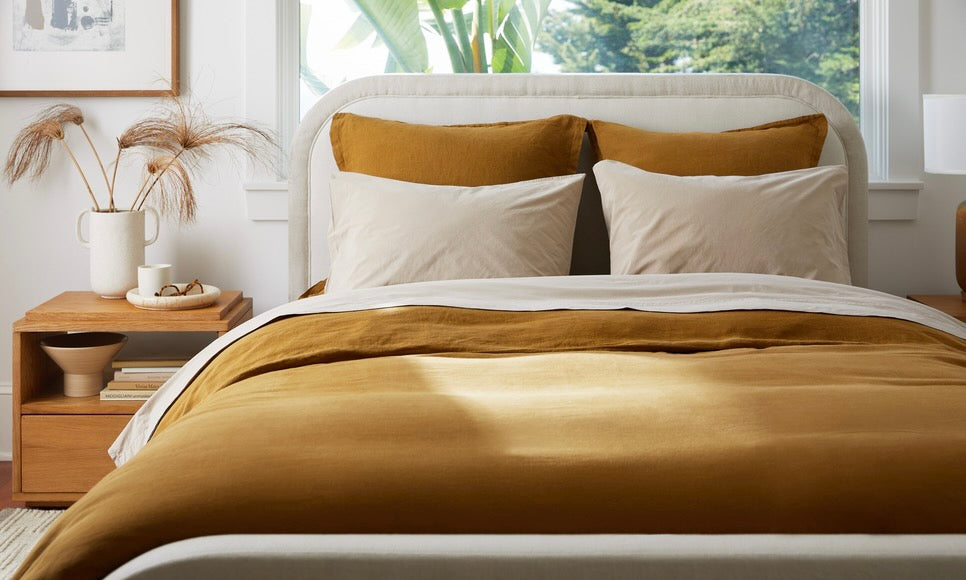
Bamboo sheets have a slight sheen and drape beautifully over your bed. They resist wrinkles better than percale, which makes your bed look smooth and elegant with less effort.

Credit: www.nytimes.com
Allergies And Skin Sensitivity
Bamboo sheets are naturally hypoallergenic and resist dust mites, mold, and bacteria. This makes them a smart choice for anyone with allergies or sensitive skin.
Percale sheets, especially those made from organic cotton, are also good for sensitive skin. However, they’re not naturally anti-microbial, so you’ll need to wash them more often to avoid dust buildup.
Sustainability And Certifications
Not all sheets are made the same. If you care about the planet, look for these certifications:
- GOTS (Global Organic Textile Standard): For organic cotton percale.
- OEKO-TEX Standard 100: Means no harmful chemicals in the final product.
- FSC or PEFC: For bamboo sheets from responsibly managed forests.
A useful resource on eco-friendliness and certifications can be found at Good On You.
Credit: ethicalbedding.com
Which Should You Choose?
The best sheet for you depends on your needs:
- Hot sleeper? Bamboo keeps you cooler.
- Love crisp sheets? Percale is the classic choice.
- Sensitive skin? Bamboo’s hypoallergenic properties may help.
- Want easy care? Percale is more forgiving in the wash.
- Eco-conscious? Choose organic cotton percale or bamboo sheets from responsible brands.
Real-life Examples
- A person in Florida switched from percale to bamboo sheets in summer. They noticed they sweat less and sleep cooler, but they had to wash the sheets carefully to prevent pilling.
- A couple in New York prefers percale sheets because they love the crispness and classic style. Their percale set has lasted five years and gets softer every month.
- A family with allergies tried bamboo sheets and found their night-time sneezing improved, but they had to buy a higher-end set for true softness.
How To Spot Quality
- For percale, look for long-staple cotton like Egyptian or Pima.
- For bamboo, check the label: “100% bamboo viscose/rayon” is better than blends.
- Avoid sheets that don’t list fiber content or use vague terms like “bamboo blend.”
Quick Summary Table
For a last look, here’s a quick summary of the main differences:
| Category | Percale | Bamboo |
|---|---|---|
| Feel | Crisp & Cool | Silky & Soft |
| Best for | Classic style, durability | Hot sleepers, allergies |
| Care | Easy | Gentle |
| Eco Impact | Good if organic | Varies by process |
Credit: parachutehome.com
Frequently Asked Questions
What Is The Main Difference Between Percale And Bamboo Sheets?
The biggest difference is in the material and feel. Percale sheets use a cotton weave that is crisp and cool, while bamboo sheets are made from bamboo fibers and feel silky and smooth. Percale is more classic and durable; bamboo is softer and better at controlling temperature.
Are Bamboo Sheets Really Cooler Than Percale?
Yes, bamboo sheets are often cooler because they wick moisture better and regulate temperature. However, percale sheets are also very breathable and cool to sleep on. The right choice depends on how much you sweat and your climate.
Which Sheets Last Longer, Percale Or Bamboo?
Percale sheets usually last longer because cotton fibers are more durable, especially if you wash them often. Bamboo sheets are strong but need gentle care. If you follow the right washing instructions, both can last several years.
Are Bamboo Sheets Better For Allergies?
Bamboo sheets are naturally hypoallergenic and resist dust mites, bacteria, and mold. This makes them a smart pick for people with allergies or sensitive skin. Percale sheets made from organic cotton are also a good option if you wash them regularly.
How Do I Know If Bamboo Sheets Are Eco-friendly?
Look for certifications or information on the production process. Sheets labeled “closed-loop” or with OEKO-TEX certification are better for the environment. Check if the brand shares details about how their bamboo is processed, not just that it’s “bamboo.”
Choosing between percale and bamboo sheets comes down to your priorities—whether you value crispness, softness, eco-friendliness, or ease of care. Either way, investing in high-quality sheets will help you sleep better and enjoy your bed every night.
For more helpful guides, check out best material for cooling sheets, cotton vs microfiber bedsheets comparison, and is 1000 thread count good for sheets.
Good kitchen products are durable, easy to clean, safe for food contact, and ergonomically designed for comfortable daily use. The best kitchen tools simplify cooking tasks without requiring excessive maintenance.
A sharp chef’s knife, cutting board, non-stick or stainless skillet, saucepan, sheet pan, and a mixing bowl set cover most cooking needs. Quality over quantity is the guiding principle for building a practical kitchen toolkit.
Hand wash sharp knives and wooden tools, keep cutting boards oiled, and store items in a way that prevents damage. Regularly sharpen knives and inspect handles for cracks or loosening that could become safety hazards.
Mid-range to premium kitchen tools are worth the investment for items used daily, such as knives, pans, and cutting boards. Budget tools wear out quickly and can compromise cooking results and kitchen safety.
Stainless steel, cast iron, carbon steel, and food-grade ceramic are the safest cooking materials. Avoid scratched non-stick pans and any cookware that shows signs of coating deterioration or discoloration.
