
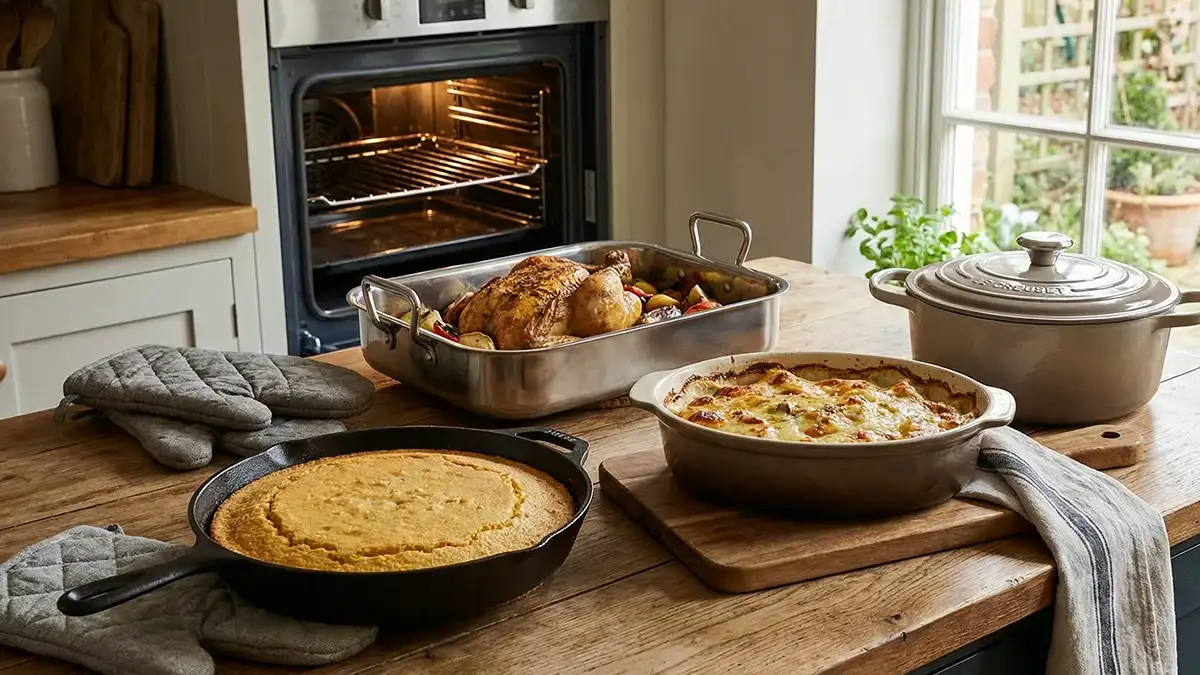
An oven-safe pan is a piece of cookware specifically engineered to endure the high temperatures inside an oven without sustaining damage, warping, or releasing any harmful substances into food. Essential considerations for selecting such a pan include its material composition, the maximum temperature it can safely withstand, the construction of its handles, and the compatibility of its lid to ensure both safety and optimal cooking performance.
- Material Matters: Different materials like cast iron, stainless steel, ceramic, and glass offer unique benefits and limitations for oven use.
- Temperature Ratings: Always verify the pan’s maximum safe oven temperature, as this can vary significantly by material and brand.
- Handle & Lid Safety: Ensure handles and lids are also oven-safe, often indicated by their material (e.g., metal, silicone, heat-resistant glass).
- Non-Stick Nuances: Exercise caution with non-stick coatings, as some are not designed for high oven temperatures.
- Size & Shape: Choose pans that fit your oven and cooking needs, considering capacity for various dishes.
What Defines an Oven Safe Pan?
The term “oven safe” signifies that a piece of cookware is constructed from materials capable of enduring the intense heat of an oven without degradation. This capability is not universal across all kitchen items; many stovetop-only pans would warp, melt, or release chemicals if exposed to oven temperatures. True oven-safe pans are designed to maintain their structural integrity and food safety even under prolonged high heat.
Key attributes of an oven-safe pan include its material composition, which dictates its heat tolerance, and the construction of all its components, including handles and lids. A pan might be oven-safe, but its plastic handle or glass lid knob might not be. Understanding these distinctions is crucial for safe and effective cooking, allowing for seamless transitions from stovetop searing to oven roasting or baking.
Essential Materials for Oven Safe Cookware
The material of a pan is the primary determinant of its oven safety and performance. Each material offers distinct advantages and requires specific care, influencing its suitability for various cooking tasks and oven temperatures.
Cast Iron: Unmatched Heat Retention
Cast iron cookware is renowned for its exceptional heat retention and even heat distribution, making it a favorite for oven use. Once heated, it maintains a consistent temperature, ideal for searing, baking, and slow roasting. Traditional cast iron, when properly seasoned, can withstand extremely high oven temperatures, often exceeding 500°F (260°C).
While incredibly durable, cast iron requires specific care, including regular seasoning to maintain its non-stick properties and prevent rust. Its heavy weight can be a consideration for some users, but its versatility, moving from stovetop to oven, makes it a cornerstone in many kitchens.
Stainless Steel: The Versatile Workhorse
Stainless steel pans are a staple due to their durability, non-reactivity, and ease of cleaning. Most high-quality stainless steel cookware, especially those with all-metal handles, is oven safe to at least 500°F (260°C). The material itself is highly resistant to warping and corrosion, making it a reliable choice for a wide range of cooking applications.
Often, stainless steel pans feature an aluminum or copper core for improved heat conductivity, which is then clad in stainless steel. This construction ensures even heating while maintaining the benefits of stainless steel for oven use. Always confirm the specific temperature rating, especially if the pan has non-metal components.
Ceramic and Glass: Health-Conscious Choices
Ceramic and glass cookware are excellent choices for oven use, particularly for baking casseroles, gratins, and desserts. These materials are non-reactive, meaning they won’t leach chemicals into food, and are often preferred by those seeking healthier cooking options. Glass bakeware, typically made from borosilicate or tempered glass, is generally oven safe up to 450°F (232°C) to 500°F (260°C).
Ceramic cookware, whether fully ceramic or ceramic-coated, also performs well in the oven. Fully ceramic dishes can often handle very high temperatures, while ceramic-coated pans might have lower limits due to the base material or coating composition. Both materials excel at even heat distribution and retention, making them ideal for dishes that require gentle, consistent cooking.
Aluminum and Copper: Conductivity and Care
Aluminum and copper are prized for their superior heat conductivity, allowing for rapid and precise temperature control. While excellent on the stovetop, their oven safety requires careful consideration. Pure aluminum pans can be oven safe, but they may react with acidic foods, potentially imparting a metallic taste. Anodized aluminum, which has a hardened, non-reactive surface, is a more robust oven-safe option.
Copper pans, especially those lined with stainless steel or tin, can also be oven safe. However, copper itself can discolor or warp at very high temperatures, and its handles often contain brass or other metals that may have different temperature limits. Always check the manufacturer’s specifications for copper and aluminum cookware, as their oven safety can vary widely.
Non-Stick Surfaces: Oven Safety Considerations
Non-stick pans offer convenience and easy food release, but their oven safety is a critical point of discussion. Many modern non-stick coatings, such as those made with PTFE (polytetrafluoroethylene) or ceramic-based materials, are designed to be oven safe up to certain temperatures, typically ranging from 350°F (175°C) to 450°F (232°C).
Exceeding these temperature limits can cause the non-stick coating to degrade, potentially releasing fumes or losing its non-stick properties. It is imperative to consult the manufacturer’s guidelines for any non-stick pan to ensure safe oven use. Pans with older or lower-quality non-stick coatings may not be oven safe at all, or only safe at very low temperatures.
The Ultimate Oven Safe Pan Buying Guide: Key Considerations
Choosing the right oven-safe pan involves more than just material; it requires a holistic look at various features to ensure it meets your culinary needs and safety standards.
Understanding Temperature Ratings
The most critical factor in selecting an oven-safe pan is its maximum temperature rating. This specification, usually found in the product description or on the pan itself, indicates the highest temperature the pan can safely endure without damage or chemical leaching. Ratings can range from 350°F (175°C) for some non-stick pans to over 600°F (315°C) for cast iron or all-metal stainless steel.
Always choose a pan with a temperature rating that exceeds your typical cooking needs. If you frequently roast at 400°F (200°C), a pan rated for 450°F (232°C) offers a comfortable margin of safety. Ignoring these ratings can lead to warped pans, melted handles, or even the release of harmful substances.
Handle and Lid Compatibility
A pan might be oven safe, but its handles and lid may not be. Handles made from plastic, rubber, or certain types of wood are typically not oven safe and will melt, burn, or degrade at high temperatures. Look for pans with all-metal handles (stainless steel, cast iron, or riveted metal) or those specifically designed with heat-resistant silicone or phenolic resin handles that have a stated oven-safe temperature.
Similarly, lids often feature plastic or low-temperature glass knobs. While the lid itself might be metal or tempered glass, the knob could be a weak point. Opt for lids with all-metal handles or those explicitly labeled as oven safe to the same temperature as the pan. This ensures the entire unit can transition safely into the oven.
Size, Shape, and Capacity Needs
Consider the size and shape of the pan relative to your oven and your cooking habits. A pan that is too large won’t fit comfortably, while one that is too small might limit your cooking options. Think about the types of dishes you prepare most often. Do you need a deep pan for casseroles, a wide skillet for roasting vegetables, or a smaller dish for individual portions?
Capacity is also important. A larger family or frequent entertaining might necessitate larger pans, while single individuals or couples might prefer more compact options. Ensure the pan’s dimensions allow for proper air circulation in your oven for even cooking.
Cleaning and Maintenance Tips
Proper cleaning and maintenance are essential for extending the life of any oven-safe pan. Different materials require different care: cast iron needs seasoning, stainless steel benefits from deglazing, and non-stick surfaces require gentle cleaning to protect the coating. Always allow pans to cool before washing to prevent thermal shock, which can warp metal or crack glass/ceramic.
Avoid abrasive scrubbers or harsh detergents on non-stick or delicate surfaces. For stubborn baked-on food, soaking the pan can often loosen debris. Regular maintenance, such as re-seasoning cast iron or ensuring non-stick coatings are not scratched, will help your oven-safe pans perform optimally for years.
Common Misconceptions About Oven Safe Cookware
Several myths surround oven-safe cookware that can lead to improper use and potential damage. One common misconception is that if a pan is heavy, it must be oven safe. While many heavy materials like cast iron are oven safe, weight alone is not an indicator. Lightweight aluminum pans can also be oven safe, provided their components are designed for it.
Another myth is that all metal handles are automatically oven safe. While most are, some metal alloys or handle attachments might have lower temperature tolerances. Always verify the manufacturer’s specific rating. Furthermore, assuming all glass or ceramic dishes are oven safe is incorrect; some decorative or lower-quality items may not withstand high heat.
Extending the Life of Your Oven Safe Pans
To maximize the longevity of your oven-safe pans, several practices are recommended. Always adhere to the manufacturer’s maximum temperature ratings; exceeding these limits is a primary cause of damage. Avoid sudden temperature changes, such as placing a hot pan directly into cold water, as this can cause warping or cracking, especially with glass and ceramic.
Store pans carefully to prevent scratching, particularly for non-stick surfaces. Using pan protectors or stacking them with care can help. For cast iron, consistent seasoning and thorough drying after washing are vital to prevent rust. Regular, gentle cleaning and avoiding harsh chemicals will preserve the integrity of all materials.
Making the Right Oven Safe Pan Choice
The decision for the perfect oven-safe pan ultimately depends on your individual cooking style, the types of dishes you prepare, and your comfort with different materials and their care requirements. Consider the frequency of oven use, the highest temperatures you typically cook at, and the specific features that will enhance your culinary experience.
Whether you prioritize the robust heat retention of cast iron, the versatile durability of stainless steel, or the non-reactive properties of ceramic, an informed choice will ensure your cookware serves you safely and effectively for many years. Investing in quality oven-safe pans expands your cooking possibilities, allowing you to confidently transition from stovetop to oven for a wide array of recipes.
Frequently Asked Questions
What exactly qualifies a pan as “oven safe”?
A pan is qualified as “oven safe” if all its components, including the pan body, handles, and lid (if applicable), are designed to withstand the high temperatures inside an oven without melting, warping, or releasing harmful chemicals. Manufacturers specify a maximum safe temperature for each product.
How can I determine if my existing pan is oven safe?
To determine if an existing pan is oven safe, check for markings on the bottom of the pan, the lid, or consult the manufacturer’s website or product manual. Look for a specific temperature rating or the phrase “oven safe.” If no information is available, it’s safest to assume it is not.
What materials are generally considered best for an oven safe pan buying guide?
For oven-safe cooking, cast iron, stainless steel (with all-metal handles), ceramic, and tempered glass are generally considered excellent choices. Each offers distinct benefits in terms of heat retention, distribution, and reactivity, catering to different cooking needs and preferences.
Can non-stick pans truly be oven safe, and what are their limitations?
Yes, many modern non-stick pans are oven safe, but they typically have lower maximum temperature limits, often between 350°F (175°C) and 450°F (232°C). Exceeding these limits can damage the coating, potentially releasing fumes or causing it to degrade, so always check the specific manufacturer’s rating.
Are the handles on all oven safe pans also oven safe?
No, the handles on all oven-safe pans are not necessarily oven safe. While the pan body might be, handles made of plastic, rubber, or certain woods will melt or burn in the oven. Always ensure handles are made of oven-safe materials like metal or heat-resistant silicone, and check their specific temperature rating.
What is the typical maximum temperature an oven safe pan can withstand?
The typical maximum temperature an oven-safe pan can withstand varies significantly by material. Cast iron and all-metal stainless steel pans can often handle temperatures exceeding 500°F (260°C), while tempered glass and ceramic typically range from 450°F (232°C) to 500°F (260°C). Non-stick pans usually have lower limits, often around 350°F (175°C) to 450°F (232°C).
Conclusion
Selecting the ideal oven-safe pan is a crucial step for any home cook looking to expand their culinary repertoire and ensure kitchen safety. Understanding the nuances of different materials, their temperature tolerances, and the compatibility of handles and lids is paramount. By carefully considering these factors, you can confidently choose cookware that seamlessly transitions from stovetop to oven, enhancing your cooking experience.
We encourage you to review the specific needs of your kitchen and cooking habits, using this guide to make an informed decision. Investing in the right oven-safe pans will unlock new possibilities for delicious meals and provide lasting value to your kitchen.
{“@context”:”https://schema.org”,”@type”:”Article”,”headline”:”The Ultimate Oven Safe Pan Buying Guide: Choose Your Perfect Cookware”,”mainEntityOfPage”:”https://homegeartoday.com/?p=87″,”datePublished”:”2025-12-10T09:09:53+00:00″,”dateModified”:”2025-12-10T09:09:53+00:00″}
Oven-safe pans are made entirely of materials that withstand oven heat: cast iron, stainless steel, carbon steel, ceramic, and enameled cast iron are all oven-safe at high temperatures. Pans become oven-unsafe when they include plastic handles, rubber seals, non-rated non-stick coatings, or glass lids with no temperature rating.
Cast iron and carbon steel pans are rated to broiler temperatures (500°F+). Stainless steel pans are typically rated to 500°F. Most non-stick pans should not exceed 400–450°F (as coatings degrade at higher temperatures). Always check the manufacturer’s specific temperature rating for your pan.
Many modern non-stick pans are oven-safe to 400–500°F, but the handle material determines the actual limit. Non-stick pans should never be used under the broiler. Check the manufacturer’s guide — PTFE coatings can release fumes above 500°F, so temperature limits matter for non-stick specifically.
A 10–12 inch stainless steel or enameled cast iron skillet offers the best combination of stovetop-to-oven versatility. Cast iron retains heat exceptionally well for searing and then finishing in the oven. Stainless steel is lighter and easier to maneuver than cast iron.
Metal handles (stainless steel, cast iron) are oven-safe at high temperatures. Silicone handles are typically oven-safe to 400–450°F. Plastic, Bakelite, and rubber handles are not oven-safe. When in doubt, check the pan’s care guide or manufacturer website for the specific handle temperature rating.