
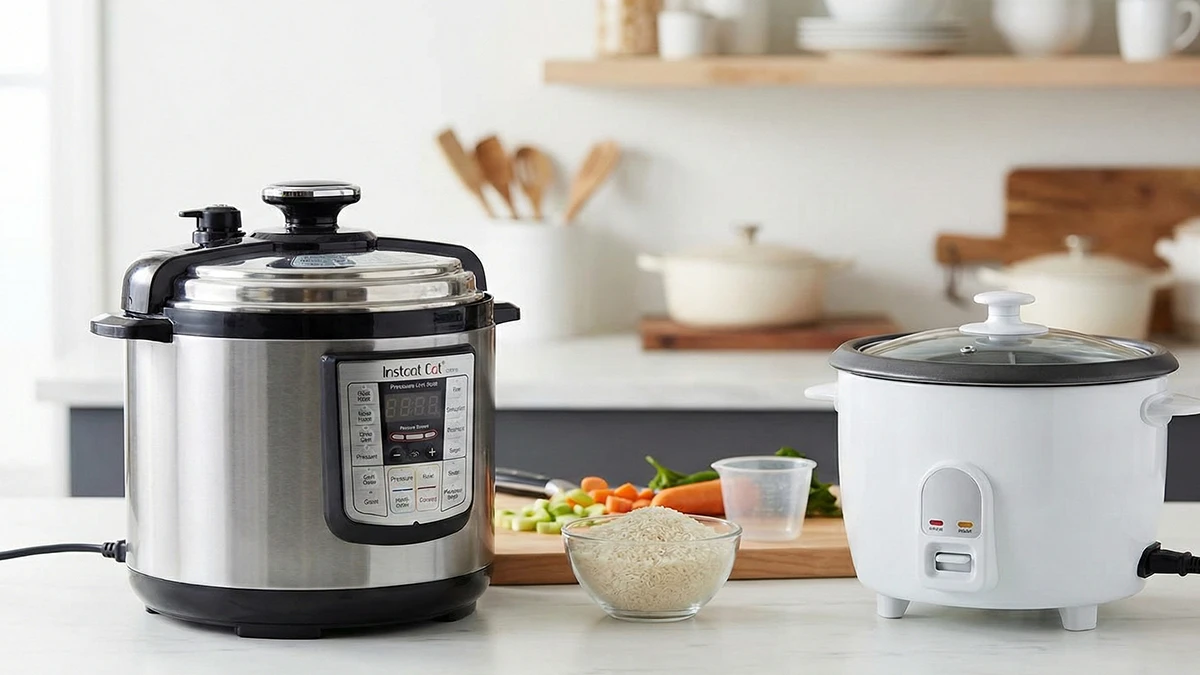
Choosing the right kitchen appliance can significantly enhance your cooking experience, and when it comes to preparing meals, the multi cooker and the rice cooker are two popular contenders. A multi cooker offers broad versatility, combining several cooking functions like pressure cooking, slow cooking, and sautéing into one unit. In contrast, a rice cooker is a specialized appliance meticulously engineered to consistently produce perfectly cooked rice and other grains with minimal effort.
- Multi cookers offer diverse cooking methods, including pressure and slow cooking.
- Rice cookers excel at consistently perfect rice and grains.
- Consider your primary cooking needs and available kitchen space.
- Multi cookers can often cook rice, but dedicated rice cookers may offer superior texture.
- Both appliances aim to simplify meal preparation, but with different focuses.
Understanding the Dedicated Rice Cooker
A dedicated rice cooker is a kitchen appliance specifically designed for one primary purpose: cooking rice. While its name suggests a singular function, modern rice cookers are often capable of preparing various types of grains, including quinoa, oats, and even some lentil dishes. These appliances are engineered to achieve optimal cooking conditions for rice, controlling temperature and moisture precisely to prevent burning, overcooking, or undercooking.
The fundamental design of a rice cooker typically includes a heating element, a non-stick inner pot, and a lid. More advanced models may feature induction heating, fuzzy logic technology, or microcomputer controls, which allow for even greater precision and adaptability to different rice varieties. These technologies monitor the cooking process, adjusting temperature and timing to ensure each grain is cooked to perfection, resulting in fluffy, separate grains every time.
Many rice cookers come with specific settings for white rice, brown rice, sushi rice, and even porridge, simplifying the cooking process to a mere press of a button. Their simplicity and reliability make them a staple in many kitchens, particularly for those who consume rice regularly and value consistent results without constant supervision.
Types of Rice Cookers
- Basic Rice Cookers: Simple on/off switch, ideal for white rice.
- Microcomputer (Fuzzy Logic) Rice Cookers: Adjust cooking based on rice type and quantity, offering more consistent results.
- Induction Heating (IH) Rice Cookers: Use magnetic fields for even heating, leading to superior texture and flavor.
- Pressure Rice Cookers: Combine pressure cooking with rice cooking for faster results and potentially better texture for certain grains.
Exploring the Versatile Multi Cooker
The multi cooker, often popularized by brands like Instant Pot, is a true workhorse in the modern kitchen. It’s an appliance designed to consolidate several traditional cooking methods into a single, compact unit. At its core, a multi cooker typically functions as a pressure cooker, slow cooker, rice cooker, steamer, and sauté pan, among other things. This versatility is its main appeal, allowing users to prepare a wide array of dishes without needing multiple specialized appliances.
The primary advantage of a multi cooker is its ability to save time and space. Pressure cooking, one of its key functions, can drastically reduce cooking times for tough cuts of meat, beans, and stews. Conversely, its slow cooking setting allows for hands-off preparation of tender, flavorful meals over several hours. The sauté function eliminates the need for a separate pan to brown ingredients before pressure or slow cooking, streamlining the entire process.
Multi cookers come equipped with various pre-set programs for specific foods like poultry, meat, chili, yogurt, and, of course, rice. While they can cook rice, their approach is often more generalized compared to a dedicated rice cooker. Users appreciate the convenience of being able to prepare an entire meal, from start to finish, using just one pot.
Common Multi Cooker Functions
- Pressure Cooker
- Slow Cooker
- Rice Cooker
- Steamer
- Sauté/Brown
- Yogurt Maker
- Warmer
- Sterilizer
Multi Cooker vs Rice Cooker Guide: A Direct Comparison
When evaluating a multi cooker vs rice cooker guide, the fundamental distinction lies in their design philosophy: specialization versus versatility. A dedicated rice cooker is built from the ground up to master one task, ensuring every grain of rice is cooked to perfection. Its internal temperature sensors and algorithms are finely tuned for the nuances of different rice varieties, resulting in a texture and consistency that is often unparalleled.
A multi cooker, on the other hand, aims to be a jack-of-all-trades. It performs many functions adequately, and some, like pressure cooking, exceptionally well. While it includes a ‘rice cooker’ function, it may not offer the same level of granular control or specialized settings found in a dedicated appliance. For instance, a multi cooker might have a general ‘rice’ setting, whereas an advanced rice cooker could have distinct programs for short-grain, long-grain, brown, and even GABA rice, each optimized for specific water absorption and cooking times.
The choice often boils down to your cooking priorities. If rice is a daily staple and achieving perfect texture is paramount, a dedicated rice cooker is likely the superior choice. If you seek an appliance that can handle a broad spectrum of cooking tasks, from quick weeknight dinners to slow-cooked weekend meals, and can also cook rice to a satisfactory standard, then a multi cooker offers unmatched convenience and space efficiency.
Key Differences in Functionality and Features
The core differences between these two appliances extend beyond their primary purpose to their specific functionalities and features. Understanding these distinctions is crucial for making an informed decision.
Specialized Rice Cooking Features
Dedicated rice cookers often boast features specifically tailored for rice. These include:
- Fuzzy Logic/AI Technology: Intelligently adjusts cooking time and temperature based on the type and quantity of rice.
- Induction Heating (IH): Provides precise, even heating from all sides, leading to superior texture and flavor.
- Specific Grain Settings: Pre-programmed modes for various rice types (white, brown, sushi, wild, mixed grains) and other cereals like quinoa or oatmeal.
- Texture Control: Options to select desired rice texture (e.g., firm, regular, soft).
- Keep Warm Function: Maintains ideal serving temperature without overcooking or drying out the rice for extended periods.
Multi-Cooker Versatility Features
Multi cookers, by their nature, offer a broader range of functionalities:
- Pressure Cooking: Significantly reduces cooking times for many dishes, from stews to roasts.
- Slow Cooking: Ideal for tenderizing meats and developing deep flavors over several hours.
- Sauté/Brown: Allows users to sear ingredients directly in the pot before other cooking modes, minimizing cleanup.
- Steaming: Comes with a steamer rack for vegetables, fish, or dumplings.
- Yogurt Making: Maintains precise temperatures for fermentation.
- Customizable Programs: Many models allow users to set manual cooking times and temperatures for various methods.
- Delay Start: Schedule cooking to begin at a later time, perfect for meal prepping.
Pros and Cons of Each Appliance
Each appliance brings its own set of advantages and disadvantages to the kitchen. Weighing these can help determine which best fits your lifestyle.
Dedicated Rice Cooker
Pros:
- Unmatched Rice Quality: Consistently produces perfectly cooked rice with ideal texture and moisture.
- Simplicity: Extremely easy to use, often just a one-button operation.
- Consistency: Reliable results every time, eliminating guesswork.
- Compact Size: Generally smaller footprint, ideal for limited counter space.
- Energy Efficiency for Rice: Optimized for rice cooking, potentially using less energy for that specific task.
Cons:
- Limited Functionality: Primarily cooks rice and grains, offering little versatility for other dishes.
- Single Purpose: Takes up kitchen space for a single-use appliance.
- Not Ideal for Other Cooking: While some can steam or make simple soups, they are not designed for complex meals.
Multi Cooker
Pros:
- Exceptional Versatility: Replaces multiple appliances, saving space and simplifying cooking.
- Time-Saving: Pressure cooking drastically reduces meal preparation time.
- Convenience: One-pot cooking for many recipes, from appetizers to desserts.
- Broad Recipe Repertoire: Capable of cooking a vast array of dishes using different methods.
- Space-Saving: Consolidates several appliances into one unit.
Cons:
- Learning Curve: Can be intimidating for new users due to numerous functions and settings.
- Rice Quality: While it can cook rice, the results may not always match the precision of a dedicated rice cooker.
- Larger Footprint: Generally larger than a basic rice cooker, though smaller than the sum of appliances it replaces.
- Complexity: More buttons and settings can be overwhelming for those seeking simplicity.
Factors to Consider When Choosing
Making the right choice between a multi cooker and a rice cooker depends heavily on your individual cooking habits, kitchen setup, and culinary aspirations. Consider these factors carefully:
Your Cooking Habits and Frequency
How often do you cook rice? If rice is a daily staple in your household, a dedicated rice cooker might be a worthwhile investment for its consistent, superior results. If you cook rice only occasionally but frequently prepare stews, soups, or other diverse meals, a multi cooker offers greater utility.
Available Kitchen Space
Kitchen counter and storage space are often at a premium. A multi cooker, while versatile, typically has a larger footprint than a basic rice cooker. If space is extremely limited, a compact rice cooker might be more practical. However, if the multi cooker replaces several other appliances, it could ultimately save space.
Desired Cooking Functions
Beyond rice, what other cooking methods do you frequently use or wish to explore? If pressure cooking, slow cooking, sautéing, or steaming are important to you, a multi cooker is the clear choice. If your needs are almost exclusively focused on perfectly cooked grains, then a rice cooker is sufficient.
Ease of Use
Are you looking for a simple, set-it-and-forget-it appliance, or are you comfortable with a device that has more settings and a slight learning curve? Rice cookers are generally more straightforward, while multi cookers, with their numerous functions, require a bit more familiarity.
Family Size and Capacity Needs
Consider the typical meal size you prepare. Both appliances come in various capacities. Ensure the chosen appliance can accommodate the amount of food you usually cook for your household.
Beyond Rice: What Else Can Each Cook?
While their names suggest specific roles, both multi cookers and rice cookers can extend their utility beyond their primary functions, albeit to different degrees.
What a Dedicated Rice Cooker Can Cook (Beyond Rice):
- Other Grains: Quinoa, oats, barley, farro, couscous.
- Steamed Vegetables: Many come with a steaming tray for healthy sides.
- Soups and Stews: Basic models can simmer simple broths or thin stews.
- Hard-Boiled Eggs: Can perfectly cook eggs with minimal effort.
- Small Cakes/Breads: Some models can bake simple desserts or quick breads.
What a Multi Cooker Can Cook (Beyond Rice):
- Full Meals: Pot roasts, chili, curries, pasta dishes, casseroles.
- Soups and Broths: From quick pressure-cooked broths to slow-simmered soups.
- Desserts: Cheesecakes, custards, puddings.
- Yogurt: Homemade yogurt with precise temperature control.
- Beans and Legumes: Cook dried beans quickly without pre-soaking.
- Meat and Poultry: Tenderize tough cuts or cook whole chickens.
- Breakfast Items: Oatmeal, grits, even frittatas.
Making the Right Choice for Your Kitchen
Ultimately, the decision between a multi cooker and a rice cooker hinges on your personal culinary landscape. If your kitchen is a hub of diverse cooking activities, where you frequently experiment with different recipes and cooking methods, the multi cooker’s versatility will likely be a game-changer. It consolidates multiple appliances, saves space, and offers the convenience of one-pot meals, making it ideal for busy individuals or families who appreciate efficiency.
However, if your daily routine revolves around perfectly cooked rice, and you prioritize consistency and simplicity above all else for your grains, then a dedicated rice cooker is the superior choice. Its specialized design ensures that every batch of rice, regardless of type, achieves an ideal texture and flavor that a multi cooker might struggle to replicate consistently. For those who value the art of perfect rice, the specialized appliance is an indispensable tool.
Consider your lifestyle, the types of meals you prepare most often, and the space you have available. Both appliances are designed to simplify cooking, but they do so with different philosophies. By carefully evaluating your needs against their respective strengths, you can confidently select the appliance that will best serve your kitchen for years to come.
Frequently Asked Questions About Multi Cookers and Rice Cookers
What is the primary difference in a multi cooker vs rice cooker guide?
The primary difference is versatility versus specialization. A multi cooker offers numerous cooking functions like pressure cooking, slow cooking, and sautéing, while a rice cooker is expertly designed for the sole purpose of cooking various types of rice and grains to perfection.
Can a multi cooker replace a dedicated rice cooker?
A multi cooker can certainly cook rice, and for many users, its rice function is perfectly adequate. However, it may not offer the same level of specialized control, precise temperature management, or specific grain settings that a high-end dedicated rice cooker provides for achieving truly optimal rice texture.
Which is more suitable for a small kitchen: a multi cooker or a rice cooker?
For a small kitchen, the choice depends on your needs. A multi cooker can replace several appliances, potentially saving overall space if you would otherwise buy a pressure cooker, slow cooker, and rice cooker separately. However, a basic dedicated rice cooker typically has a smaller individual footprint than a multi cooker.
Are multi cookers more expensive than rice cookers?
Generally, multi cookers tend to have a higher initial outlay than basic dedicated rice cookers due to their complex technology and multiple functionalities. However, when considering the combined expense of purchasing separate appliances for each function a multi cooker performs, it can be a more economical choice in the long run.
What are the main benefits of using a dedicated rice cooker over a multi cooker for rice?
The main benefits of a dedicated rice cooker for rice include superior consistency in texture and moisture, specialized settings for different rice types, and often simpler operation focused solely on achieving perfect grains without fuss or a learning curve.
How does a multi cooker handle different types of rice compared to a rice cooker?
A multi cooker typically has a general ‘rice’ setting that works well for common varieties. A dedicated rice cooker, especially advanced models, often features specific pre-programmed settings for various rice types like white, brown, sushi, or wild rice, optimizing the cooking process for each to ensure ideal results.
Conclusion
Navigating the choice between a multi cooker and a rice cooker involves understanding your culinary priorities and kitchen environment. A multi cooker stands out for its incredible versatility, consolidating numerous cooking methods into one efficient appliance, ideal for diverse meal preparation. Conversely, a dedicated rice cooker offers unparalleled precision and consistency for perfectly cooked rice and grains, making it an essential tool for rice enthusiasts.
By considering your cooking frequency, available space, and desired functionalities, you can confidently select the appliance that best supports your kitchen endeavors. Both are valuable additions, designed to simplify cooking and enhance your home dining experience.
[{“@context”:”https://schema.org”,”@type”:”Article”,”headline”:”Multi Cooker vs Rice Cooker Guide: Which Appliance is Right for Your Kitchen?”,”mainEntityOfPage”:”https://homegeartoday.com/?p=96″,”datePublished”:”2025-12-11T09:13:02+00:00″,”dateModified”:”2025-12-11T09:13:02+00:00″},{“@context”:”https://schema.org”,”@type”:”ItemList”,”itemListElement”:[{“@type”:”ListItem”,”position”:1,”name”:”Understanding the Dedicated Rice Cooker”},{“@type”:”ListItem”,”position”:2,”name”:”Types of Rice Cookers”},{“@type”:”ListItem”,”position”:3,”name”:”Exploring the Versatile Multi Cooker”},{“@type”:”ListItem”,”position”:4,”name”:”Common Multi Cooker Functions”},{“@type”:”ListItem”,”position”:5,”name”:”Multi Cooker vs Rice Cooker Guide: A Direct Comparison”},{“@type”:”ListItem”,”position”:6,”name”:”Key Differences in Functionality and Features”},{“@type”:”ListItem”,”position”:7,”name”:”Specialized Rice Cooking Features”},{“@type”:”ListItem”,”position”:8,”name”:”Multi-Cooker Versatility Features”},{“@type”:”ListItem”,”position”:9,”name”:”Pros and Cons of Each Appliance”},{“@type”:”ListItem”,”position”:10,”name”:”Dedicated Rice Cooker”},{“@type”:”ListItem”,”position”:11,”name”:”Multi Cooker”},{“@type”:”ListItem”,”position”:12,”name”:”Factors to Consider When Choosing”},{“@type”:”ListItem”,”position”:13,”name”:”Your Cooking Habits and Frequency”},{“@type”:”ListItem”,”position”:14,”name”:”Available Kitchen Space”},{“@type”:”ListItem”,”position”:15,”name”:”Desired Cooking Functions”}]}]
Related: how to choose a quiet blender
A multi cooker (Instant Pot-style) is more versatile — it pressure cooks, slow cooks, steams, sautés, and cooks rice. A dedicated rice cooker consistently produces better rice with less attention. For small kitchens, the multi cooker’s versatility makes it the better single-appliance investment.
A quality rice cooker slightly outperforms a multi cooker for rice texture because it is optimized specifically for that function. However, multi cooker rice is very good and sufficient for most households. Dedicated rice cookers only become clearly superior in serious rice-focused cooking contexts.
The Instant Pot Duo (6-quart) and Ninja Foodi are the most popular multi cookers offering pressure cooking, slow cooking, steaming, and rice functions in a single compact appliance. The 6-quart size suits families of 2–4; smaller 3-quart models exist for singles or couples.
For households eating rice multiple times per week, a dedicated rice cooker is worth having — it produces consistently better results with less monitoring and frees up the multi cooker for other tasks. For occasional rice cooking, the multi cooker rice function is entirely adequate.
A multi cooker using the pressure cook function cooks white rice in 3 minutes (plus 10 minutes pressurizing time). A dedicated rice cooker takes 25–35 minutes for white rice but requires no pressurizing time. For speed, a pressure cooker wins; for simplicity and hands-off operation, the rice cooker is easier.