
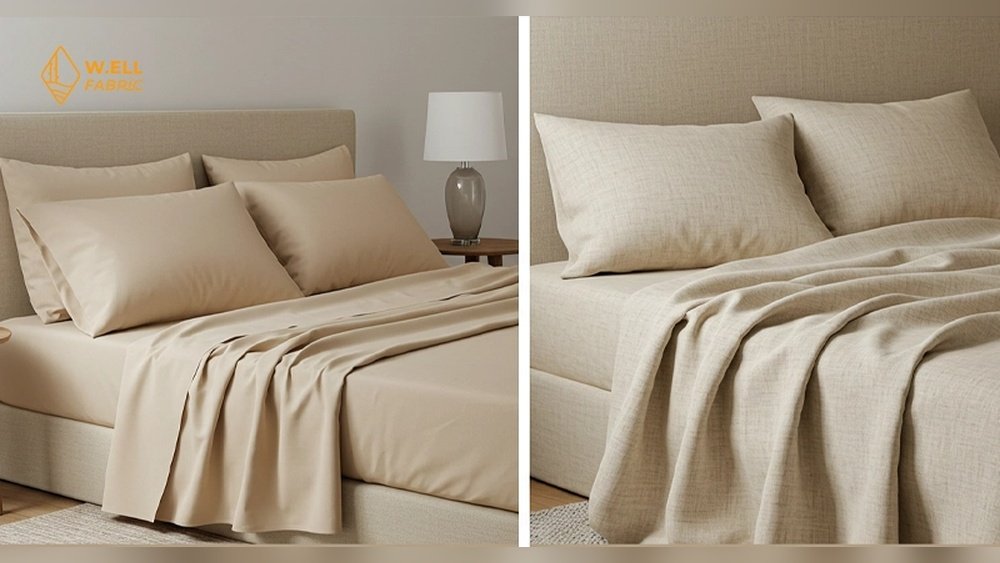
Choosing the right bed sheets can completely change how well you sleep. With so many materials available, it’s easy to feel confused. Linen, cotton, and bamboo sheets are three of the most popular choices today. Each one offers unique benefits, but also has some downsides. Whether you want cool sheets for summer, something soft for sensitive skin, or sheets that last for years, understanding the differences can help you make the best choice for your needs. This guide breaks down what really matters, using simple language and practical advice.
What Makes Linen, Cotton, And Bamboo Different?
Every sheet material begins with a different plant source and manufacturing process. These differences shape how each fabric feels, looks, and performs over time.
- Linen comes from the flax plant. It’s one of the oldest textiles in the world. Linen fibers are thick and strong, giving the fabric a crisp feel and a slightly wrinkled look.
- Cotton is the most common material for bed sheets. The cotton plant’s fluffy fibers are spun into thread, creating soft, breathable fabrics. There are many types of cotton, with Egyptian and Pima being the most famous for luxury bedding.
- Bamboo sheets are made from the fast-growing bamboo plant. The stalks are processed to create soft threads, often called bamboo viscose. Bamboo sheets are known for being extra soft and eco-friendly.
These origins affect everything from texture to price.
Comfort And Feel: Which Is Softest?
The way a sheet feels against your skin can influence your whole night. Here’s how each material compares:
Linen
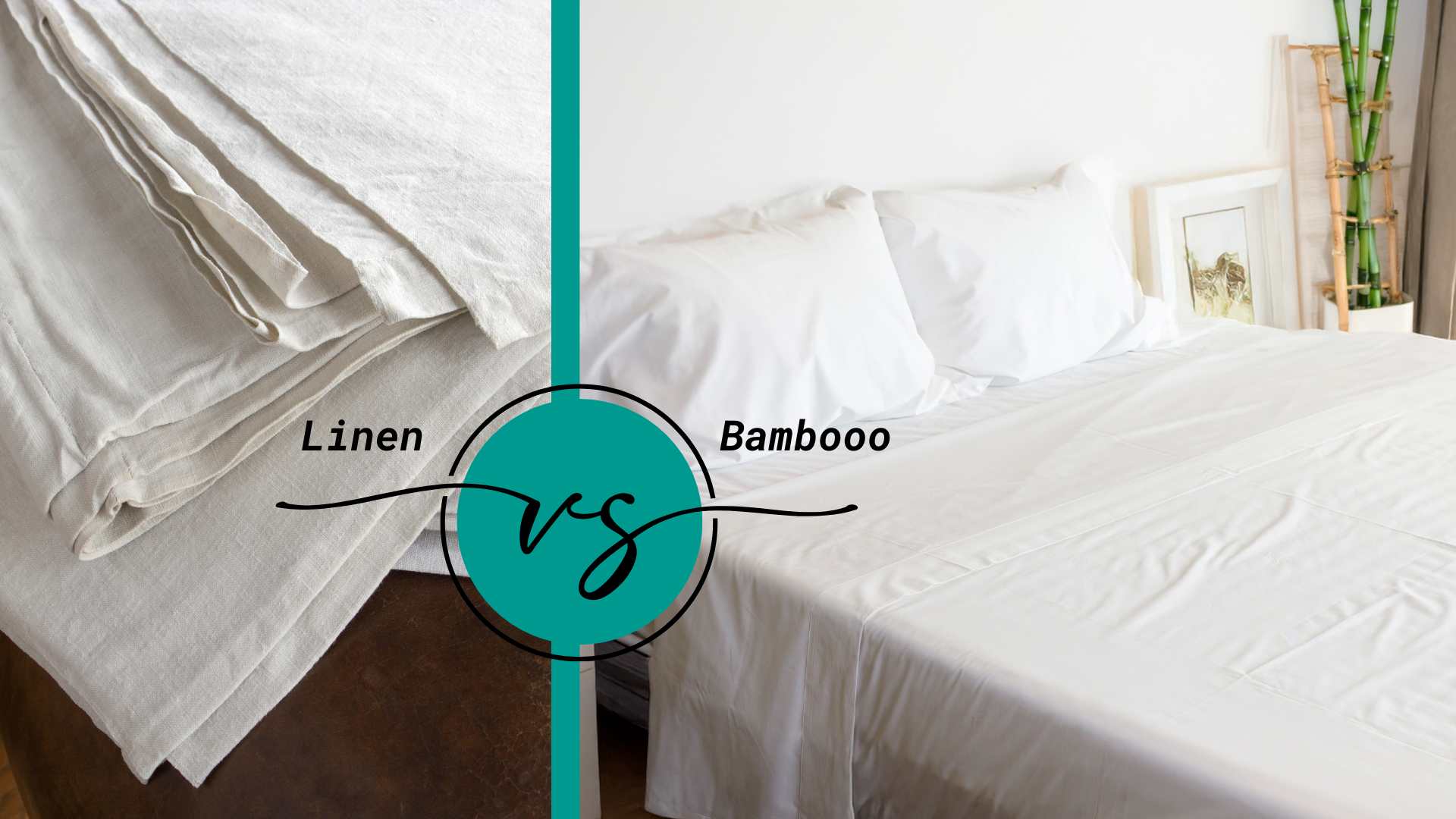
Linen sheets start out crisp and a little rough, but get softer with every wash. They feel cool and dry, which many people love in hot weather. Linen’s texture is more “grainy” compared to cotton or bamboo.
Cotton
Cotton sheets, especially those with a high thread count, are known for their softness. They feel smooth from the start, and the softness increases with washing. Percale cotton is crisp and fresh, while sateen cotton feels silky.
Bamboo
Bamboo sheets are famous for their “buttery” softness. They are smooth and cool to the touch, even more than cotton. People with sensitive skin often prefer bamboo because it rarely causes irritation.
Non-obvious insight: While many believe thread count is the key to softness, the type of fiber and weave actually matter more, especially with linen and bamboo.

Credit: getsmartlinen.com
Breathability And Temperature Control
Sleeping cool is important for comfort and health. Let’s see how these sheets help with temperature:
Linen
Linen has a loose weave and natural moisture-wicking abilities. It’s one of the coolest bedding fabrics, perfect for hot climates or people who sweat at night.
Cotton
Cotton is also breathable, but less so than linen. Percale cotton is especially good for airflow, while sateen is warmer.
Bamboo
Bamboo sheets naturally regulate temperature. They feel cool in summer and warm in winter, adjusting to your body’s needs.
Here’s a quick comparison:
| Material | Breathability | Best For |
|---|---|---|
| Linen | Excellent | Hot sleepers, humid weather |
| Cotton | Good | All climates |
| Bamboo | Very Good | Variable temperatures |
Non-obvious insight: Many people don’t realize that humidity affects how cool sheets feel. Linen and bamboo manage moisture better than most cottons.
Durability And Lifespan
Buying quality sheets is an investment. You want them to last.
Linen
Linen sheets are extremely durable. With care, they can last over a decade. They get softer, not weaker, with use.
Cotton
Cotton sheets’ lifespan depends on quality. Egyptian or Pima cotton can last years, but cheap cotton may pill and wear out fast.
Bamboo
Bamboo sheets are strong but can be sensitive to rough washing. Good bamboo sheets last up to 5 years with gentle care.
Here’s a lifespan estimate:
| Material | Average Lifespan | Care Required |
|---|---|---|
| Linen | 10+ years | Low to moderate |
| Cotton | 3-7 years | Varies by quality |
| Bamboo | 3-5 years | Gentle care |
Maintenance And Care
All sheets need washing, but some are easier to look after than others.
- Linen: Wash in cool water and tumble dry low or line dry. Linen wrinkles easily, so expect a relaxed look unless you iron.
- Cotton: Machine washable. High-quality cotton can handle hot water, but lower-quality cotton may shrink or fade.
- Bamboo: Needs gentle cycles and mild detergent. Avoid bleach and fabric softeners, which damage the fibers.
Practical tip: If you dislike ironing or fussing over laundry, cotton percale is the easiest option.
Environmental Impact
Many buyers want sheets that are kind to the planet.
- Linen: Flax uses little water and few pesticides. Linen is biodegradable and lasts long, making it very eco-friendly.
- Cotton: Conventional cotton farming uses a lot of water and chemicals. Organic cotton is much better but less common and more expensive.
- Bamboo: Bamboo grows fast without much water or pesticides. However, turning bamboo into fabric sometimes uses chemicals. Look for OEKO-TEX or organic certifications.
Non-obvious insight: Linen sheets, when compared over their lifespan, often have a lower total environmental impact than bamboo or cotton, especially when kept for many years.
Credit: bedvoyage.com
Price Comparison
Price often decides which sheets you choose. Here’s what to expect:
| Material | Average Price (Queen Set) | Value for Money |
|---|---|---|
| Linen | $150 – $400 | High, due to long life |
| Cotton | $40 – $250 | Wide range (depends on quality) |
| Bamboo | $60 – $250 | Good, but less durable than linen |
Practical advice: Cheaper sheets often cost more in the long run because they need to be replaced often.
Allergies And Skin Sensitivity
If you have allergies or sensitive skin, your choice matters even more.
- Linen: Naturally hypoallergenic and resists dust mites and mold.
- Cotton: Usually safe, but can hold onto dust if not washed regularly.
- Bamboo: Naturally antibacterial and hypoallergenic, often recommended for eczema or very sensitive skin.
Style And Appearance
Looks aren’t everything, but they do matter in a bedroom.
- Linen: Casual, relaxed, and slightly wrinkled. Available in earthy colors.
- Cotton: Classic and smooth, with many colors and patterns.
- Bamboo: Soft sheen, drapes well, usually comes in solid colors and neutrals.
Non-obvious insight: Linen’s “wrinkled” look is intentional and considered stylish, not a sign of poor quality.
Common Buyer Mistakes
Even smart shoppers make errors when picking sheets. Watch out for these:
- Believing high thread count always means better quality. The fiber and weave matter more.
- Not checking care instructions—some bamboo and linen sheets can’t handle heat or strong detergents.
- Focusing only on price, not total value or lifespan.
- Overlooking certifications for bamboo and organic cotton.
- Ignoring your sleeping style—hot sleepers need different fabrics than cold sleepers.
Which Sheets Are Right For You?
There’s no “one size fits all” answer. Think about:
- Your local climate: Hotter areas benefit from linen or bamboo.
- Skin sensitivity: Bamboo or linen are best for sensitive skin.
- Maintenance: Cotton percale is the easiest to care for.
- Longevity: Linen lasts longest, but costs more upfront.
- Budget: Cotton offers the widest price range.
If you want more technical details and fiber science, Wikipedia’s bedding article is a trusted place to start.
Frequently Asked Questions
Are Linen Sheets Better Than Cotton For Hot Sleepers?
Yes, linen sheets are usually cooler and wick moisture better than cotton. If you sweat at night or live in a humid climate, linen’s breathability helps you stay dry and comfortable.
How Long Do Bamboo Sheets Last Compared To Cotton?
Bamboo sheets generally last about 3-5 years with good care. High-quality cotton sheets can last longer, sometimes up to 7 years, but lower-quality cotton may wear out faster.
Do Bamboo Sheets Really Help With Allergies?
Yes, bamboo sheets are naturally hypoallergenic and antibacterial. They resist dust mites and bacteria, which is helpful for people with allergies or sensitive skin.
Why Are Linen Sheets More Expensive?
Linen sheets cost more because making linen is labor-intensive. Flax fibers are harder to process, and linen lasts much longer than most cotton or bamboo sheets, making it a good investment over time.
What’s The Best Way To Keep Linen Sheets Soft?
Wash linen sheets in cool water with gentle detergent. Avoid fabric softeners and high heat. Over time, linen softens naturally with each wash.
Making the right choice between linen, cotton, and bamboo sheets can improve your sleep and your bedroom’s style. Each material offers special benefits, so pick what matches your needs, habits, and budget. The best sheets are the ones you enjoy sleeping in every night.

Credit: wellfabric.com
For more helpful guides, check out percale vs bamboo sheets difference, best material for cooling sheets, and cotton vs microfiber bedsheets comparison.
The best choice depends on your priorities. Linen is the most durable and breathable, cotton is affordable and easy to care for, and bamboo is the softest and most moisture-wicking of the three.
Yes, linen sheets become noticeably softer with each wash and use. New linen can feel slightly rough at first but develops a beautifully soft, lived-in texture after several washes.
Bamboo sheets typically cost more than cotton but offer exceptional softness, natural antibacterial properties, and moisture-wicking performance. They are worth the investment for those who prioritize comfort or have sensitive skin.
Linen is the most durable bedding fabric, lasting 20+ years with proper care. High-quality cotton is also long-lasting, while bamboo, though soft, may pill or weaken faster if washed improperly.
Bamboo sheets are naturally antibacterial and hypoallergenic, making them the better choice for allergy sufferers. Organic cotton is also a good option as it is grown without chemical pesticides that can trigger sensitivities.