
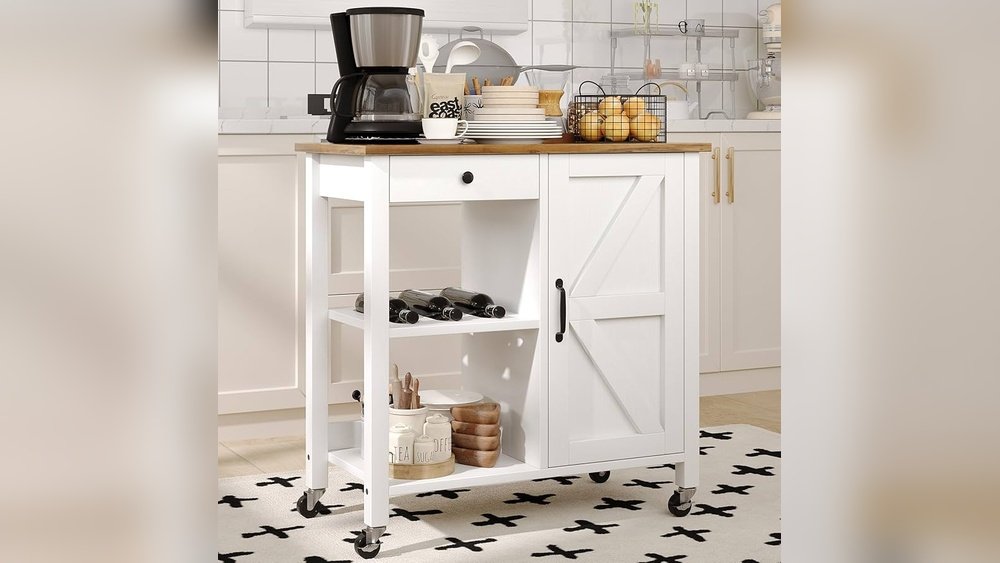
When your kitchen is small, every inch matters. You need smart solutions to get more counter space and storage without making your kitchen feel crowded. That’s why many people look at kitchen carts and kitchen islands. Both can help, but they’re not the same. Choosing the right one can transform your small kitchen, while the wrong choice can make things worse.
Let’s explore the differences, benefits, and drawbacks of kitchen carts and islands, focusing on what works best for small spaces. This guide will help you understand what fits your needs, style, and budget, and how to avoid common mistakes.
What Is A Kitchen Cart?
A kitchen cart is a movable piece of furniture, usually on wheels, that adds extra counter space and storage. Kitchen carts come in many styles, sizes, and materials. Most have shelves, drawers, or cabinets underneath, and some include features like towel racks or wine holders.
Why People Choose Kitchen Carts
Kitchen carts are popular in small kitchens for several reasons:
- Mobility: You can roll them wherever you need more space.
- Flexibility: Use them as a prep station, extra storage, or even a serving cart.
- Compact Size: Many are slim, so they fit in tight spaces or corners.
- Affordable: Kitchen carts usually cost less than fixed islands.
Some carts double as small dining tables or bar carts, making them even more useful in apartments and condos.
What Is A Kitchen Island?
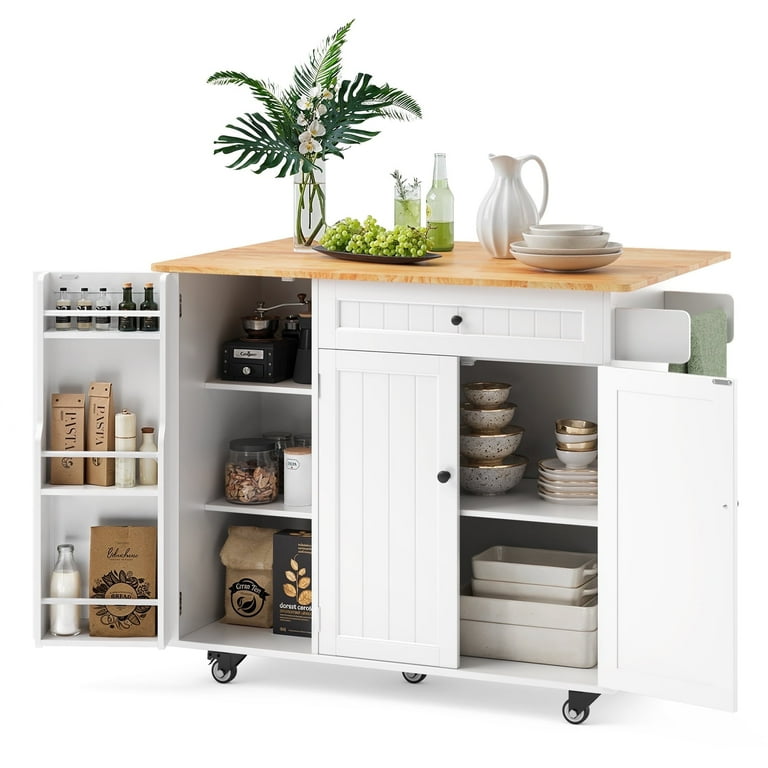
A kitchen island is a larger, often stationary, piece of furniture placed in the middle or side of the kitchen. It provides extra counter space, storage, and sometimes seating. Islands can be fixed (attached to the floor) or freestanding but not always easy to move.
Why People Choose Kitchen Islands
Islands are attractive for these reasons:
- Ample workspace: They offer a large surface for preparing meals.
- Lots of storage: Most have cabinets, drawers, and sometimes shelves.
- Multi-functional: Some islands include sinks, cooktops, or breakfast bars.
- Design statement: Islands often become the center of attention in a kitchen.
For small spaces, compact or portable islands are available, but they are usually bigger and heavier than carts.
Credit: www.walmart.com
Key Differences: Kitchen Cart Vs Kitchen Island
Understanding how carts and islands compare is essential for small kitchens. Here’s a quick look at their main differences:
| Feature | Kitchen Cart | Kitchen Island |
|---|---|---|
| Mobility | Usually on wheels, easy to move | Mainly stationary, some are semi-portable |
| Size | Compact, fits small spaces | Larger, needs more room |
| Storage | Limited shelves/drawers | More cabinets and drawers |
| Cost | Lower, starts around $50 | Higher, often $200+ |
| Functionality | Flexible uses (prep, serving) | Can add sinks, appliances |
The main takeaway: carts are better for moving and tight spots, while islands offer more space and features but need more room.
Benefits Of A Kitchen Cart For Small Spaces
Kitchen carts solve many small kitchen problems. Here’s how they help:
- Adds counter space when needed: You can roll a cart out while cooking and tuck it away later.
- Maximizes storage: Open shelves or baskets can hold pots, pans, or even small appliances.
- Easy to move: Wheels let you bring the cart near the stove, sink, or dining table.
- Helps with organization: Some models have hooks for utensils, racks for spices, or drawers for towels.
- Multifunctional: Use as a snack station, coffee bar, or serving cart when guests come over.
- Affordable and easy to assemble: Most carts are budget-friendly and don’t require professional installation.
A non-obvious insight: Some people forget to check the wheel quality. Cheap wheels can scratch floors or break under heavy loads. Always check if the cart has locking wheels for safety.
Drawbacks Of A Kitchen Cart
Kitchen carts have some downsides, especially in very tight kitchens:
- Less stable: They can move when you don’t want them to, especially if the wheels don’t lock.
- Limited workspace: Most carts are small, so you may run out of room for large meal prep.
- Lower weight capacity: Not meant for very heavy items.
- Style limitations: Some carts look more “utility” than designer, which may not suit all tastes.
A mistake beginners make: Overloading the cart with heavy appliances or stacking too many items, making it hard to move or risking tipping.
Benefits Of A Kitchen Island For Small Spaces
You might think a kitchen island is only for big kitchens. But there are compact islands designed for small spaces, and they offer several advantages:
- More workspace: Even a small island adds a solid, fixed surface for meal prep.
- Extra storage: Cabinets or deep drawers can hide pots, dishes, or cleaning supplies.
- Can double as a dining area: Some islands have overhangs for stools, creating a breakfast bar.
- Stronger and more stable: Fixed islands don’t move, so they support heavy mixing or chopping.
- Better design options: Many styles blend with modern or classic kitchens, adding value and visual interest.
A less obvious benefit: Fixed islands can be customized with outlets or USB ports, letting you use appliances or charge devices easily.
Drawbacks Of A Kitchen Island
Islands are not always the best choice for small spaces. Here’s why:
- Takes up more room: Even a small island needs enough clearance to walk around (at least 36 inches all sides).
- Not mobile: Once placed, they’re hard to move—so you must plan carefully.
- More expensive: Prices are higher, especially for quality materials or custom features.
- Installation required: Some need assembly or even professional help, which adds to the cost.
- Possible code issues: In tiny kitchens, islands may block appliances or doors.
A mistake people make: Installing an island that’s too big, making the kitchen feel cramped and hard to use.
Which One Is Best For Your Small Kitchen?
Choosing between a cart and an island depends on your kitchen’s size, layout, and your needs. Here’s how to decide:
Measure Your Space
Before shopping, measure your kitchen. Make sure there’s at least 36 inches of space around any new piece, so you can move freely and open cabinets or appliances.
Consider Your Main Needs
- If you need flexibility and moveable space, a kitchen cart is better.
- If you want a permanent prep area and more storage, a compact island is best.
Look At Your Cooking Habits
- If you often cook big meals or bake, you’ll appreciate a solid, stable island.
- If you mostly need extra space when guests come, a cart is easier to tuck away when not in use.
Think About Style
Kitchen carts tend to look more casual, while islands can match your kitchen cabinets and style. Some carts now come in designer finishes, but options are wider for islands.
Budget
Kitchen carts often start at $50 and go up to $300 for premium models. Small islands range from $200 to $1,000+, especially for custom designs. Don’t forget to include assembly or installation costs.

Credit: www.amazon.com
Real-life Examples
- Studio apartment: A rolling cart doubles as prep space and a coffee station, then tucks against the wall for more floor room.
- Tiny galley kitchen: A slim island with drawers fits in the center, adding storage and breakfast seating for two.
- Rental kitchen: A cart is used because it doesn’t require screws or major changes—perfect for renters.
Common Mistakes And How To Avoid Them
- Ignoring clearance: Don’t squeeze in a cart or island without enough space to walk or open the fridge.
- Choosing the wrong wheels: Cheap wheels can damage floors or get stuck.
- Overfilling shelves: Too many items on open shelves make your kitchen look cluttered.
- Not considering height: Make sure the cart or island matches your counter height for comfortable use.
- Skipping assembly instructions: Rushing assembly leads to wobbly furniture and safety hazards.
Kitchen Cart And Island Comparison Table
Here’s another look at common features side by side:
| Feature | Kitchen Cart | Kitchen Island |
|---|---|---|
| Mobility | High | Low |
| Storage | Moderate | High |
| Cost | Low | Medium to High |
| Assembly | Easy | Moderate to Difficult |
| Long-term Value | Good for renters | Good for owners |
Essential Buying Tips
- Check dimensions: Always measure your space and compare with product sizes.
- Look for locking wheels: Prevents accidents and keeps the cart steady.
- Choose easy-to-clean materials: Stainless steel, solid wood, or quality laminates are best.
- Think about future needs: Will you move soon? A cart is easy to take with you.
- Ask about assembly: Some pieces need tools or two people to build.
Trend Watch: Multi-use And Smart Features
Modern kitchen carts and islands now include smart features like:
- Built-in USB charging ports
- Pull-out garbage bins
- Foldable sides for more workspace when you need it
- Magnetic knife strips or spice racks
These features help small kitchens work harder and smarter, making your life easier.
Sustainability And Quality
Sustainability matters. Many brands now use FSC-certified wood or recycled materials for kitchen carts and islands. This is better for the environment and often means fewer harsh chemicals in your home. Always check for quality certifications or reviews before buying. For more on sustainable furniture, visit the Wikipedia furniture page.
Credit: www.walmart.com
Final Thoughts
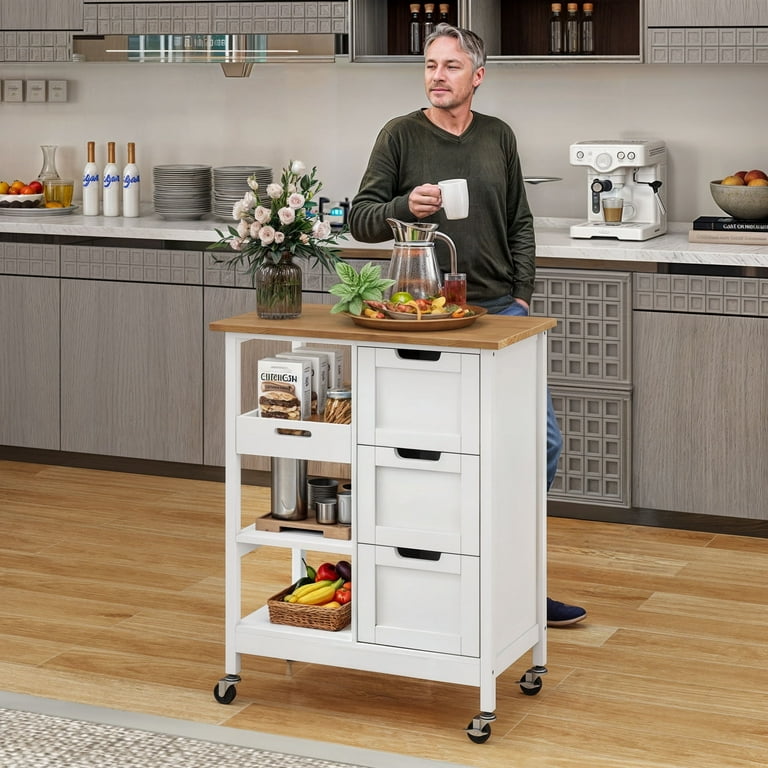
When you’re working with a small kitchen, every decision counts. A kitchen cart gives you mobility and flexibility, perfect for renters or anyone who likes to rearrange. A kitchen island provides solid workspace and more storage, but needs careful planning and a slightly bigger investment.
The right choice depends on your lifestyle, kitchen layout, and future plans.
Don’t rush. Measure your space, think about your cooking habits, and choose the option that will make your kitchen more enjoyable and efficient. A well-chosen cart or island can be the secret weapon for any small kitchen.
Frequently Asked Questions
What Is The Main Difference Between A Kitchen Cart And A Kitchen Island?
The biggest difference is mobility. A kitchen cart is usually on wheels and easy to move, while a kitchen island is heavier and designed to stay in one place. Carts are better for flexible needs, islands offer more space and features.
Can I Use A Kitchen Cart As A Small Island?
Yes, many people use a sturdy kitchen cart as a mini island, especially in small kitchens. Just make sure it’s stable and has enough workspace for your needs.
How Much Space Do I Need Around A Kitchen Island?
You should have at least 36 inches (about 91 cm) of open space on all sides of an island. This lets you move safely and open cabinets or appliances without problems.
Are Kitchen Carts Sturdy Enough For Heavy Appliances?
Some high-quality carts can hold heavy appliances, but many basic models are better for lighter items. Always check the weight limit and avoid overloading shelves or the top.
Should I Choose A Kitchen Cart Or Island If I Plan To Move Soon?
If you’ll move soon, a kitchen cart is the better choice. It’s easy to take with you and doesn’t require installation or major changes to your kitchen.
For more helpful guides, check out small rental kitchen organization ideas, magnetic spice rack organization ideas, and how to organize baking supplies.
Choose a kitchen cart if you need flexibility — they are mobile and easy to reposition. Choose a fixed kitchen island if you want permanent extra counter space, storage, and possibly seating.
Yes, kitchen carts are excellent for small kitchens. They add prep space and storage without permanently occupying floor space, and many models can be moved out of the way when not in use.
For small kitchens, a compact island between 24×36 inches and 30×48 inches works well. Ensure at least 42 inches of clearance on all sides for comfortable movement around the island.
A kitchen cart can serve many of the same functions as an island — extra prep space, storage, and a casual dining spot. The main difference is that carts are mobile and typically less substantial in size.
Solid wood butcher block tops are ideal for prep work. Stainless steel tops are easy to clean and durable. Choose a base material (wood, metal) based on your kitchen’s style and humidity levels.