
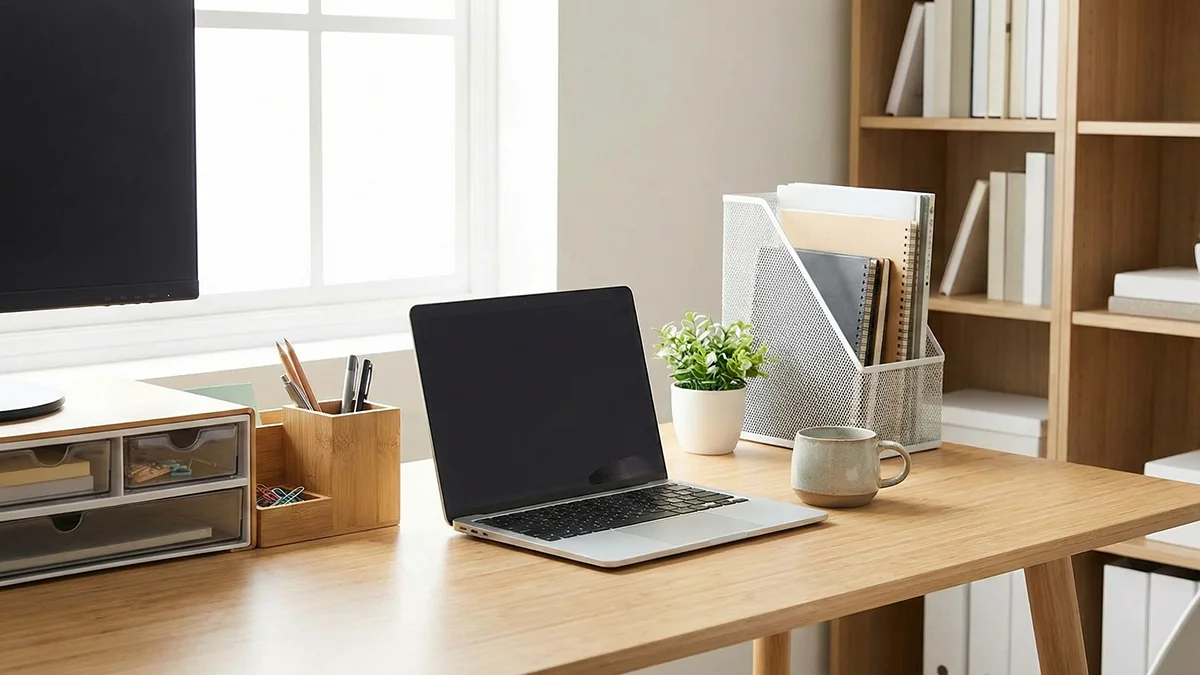
Keeping your desk clutter-free with organizers involves a systematic approach that combines regular decluttering, strategic categorization of items, and the smart utilization of various storage solutions. This process creates an efficient, stress-reducing, and productive workspace by ensuring every item has a designated home and is easily accessible when needed.
- Regularly declutter to remove unnecessary items.
- Categorize items for logical storage.
- Utilize a variety of organizers for different needs.
- Implement vertical storage to maximize space.
- Manage cables effectively for a clean look.
- Develop sustainable habits for long-term tidiness.
The Hidden Costs of a Cluttered Desk
A cluttered desk can seem like a minor inconvenience, but its impact extends far beyond aesthetics. The visual chaos often translates into mental clutter, making it harder to focus on tasks at hand. Searching for misplaced documents or tools wastes valuable time that could be spent on productive work.
Beyond lost time, a disorganized workspace can contribute to increased stress levels. The constant visual reminder of unfinished tasks or unfiled papers can create a sense of overwhelm. This environment can also hinder creativity and problem-solving, as the mind struggles to find clarity amidst the disarray.
Why a Clutter-Free Workspace Boosts Productivity and Well-being
Conversely, a clutter-free workspace offers numerous benefits that directly contribute to enhanced productivity and overall well-being. When your desk is organized, your mind feels clearer, allowing for better concentration and improved task efficiency. Everything has its place, reducing the time spent searching for items.
An organized environment also promotes a sense of calm and control, significantly reducing stress. It fosters a more professional and inviting atmosphere, whether you work from home or in an office. This positive environment can boost motivation, encourage better work habits, and even inspire more creative thinking.
The Essential First Step: Decluttering Your Desk Thoroughly
Before introducing any organizers, a thorough decluttering process is crucial. Begin by removing everything from your desk surface and drawers. This allows you to see the true extent of your items and provides a blank slate for reorganization.
Next, sort through each item, creating three distinct piles: Keep, Donate/Discard, and Relocate. Be honest about what you truly need and use regularly. Items that haven’t been touched in months or years should likely be discarded or donated. Relocate items that belong elsewhere, such as personal belongings or items for other rooms.
Wipe down all surfaces once your desk is empty. This physical cleaning provides a fresh start and makes the organizing process more satisfying. Only bring back items that belong in the ‘Keep’ pile and are essential for your daily work.
Keeping Desk Clutter Free with Organizers: Essential Strategies
The key to successful desk organization lies in implementing effective strategies that prevent clutter from accumulating. This involves understanding your workflow and choosing organizers that support it. Start by assigning a specific home for every single item on your desk.
Utilize the ‘one in, one out’ rule for certain categories, like pens or notebooks, to prevent over-accumulation. Regularly review your organized system to ensure it still meets your needs. As your work habits evolve, your organization system may need slight adjustments to remain effective.
Think vertically to maximize space, especially on smaller desks. Employ drawer dividers to keep internal spaces tidy and prevent items from mixing. Cable management is another critical strategy, transforming tangled wires into an orderly setup that enhances both aesthetics and safety.
Top Organizers for Every Desk Item and Space
The market offers a vast array of organizers designed to tackle specific clutter challenges. Choosing the right tools is paramount to creating a functional and aesthetically pleasing workspace. Consider the size of your desk, the types of items you need to store, and your personal aesthetic preferences.
From simple trays to complex modular systems, each type of organizer serves a unique purpose. The goal is to find solutions that not only contain clutter but also make your workflow more efficient. A well-chosen organizer can transform a chaotic area into a highly functional zone.
Drawer Dividers and Inserts for Small Essentials
Drawers are often catch-all spaces for small items, quickly becoming disorganized. Drawer dividers and inserts are indispensable for maintaining order within these hidden compartments. They create dedicated sections for pens, paper clips, sticky notes, USB drives, and other small office supplies.
These organizers come in various materials, including plastic, bamboo, and metal, and can be customized to fit different drawer sizes. By keeping small essentials neatly separated, you eliminate rummaging and ensure that frequently used items are always easy to find. This small change significantly reduces frustration and saves time.
Vertical Storage Solutions: Shelves, Risers, and File Holders
When desk surface area is limited, vertical storage becomes your best friend. Monitor risers not only elevate your screen to an ergonomic height but often include built-in drawers or shelves underneath for extra storage. This frees up valuable space directly beneath your monitor.
Small desktop shelves or cubbies can house books, binders, or decorative items without encroaching on your primary workspace. Vertical file holders are excellent for keeping important documents, magazines, or notebooks upright and easily accessible, preventing them from scattering across the desk.
Mastering Cables: Effective Cable Management
Tangled cables are a common source of desk clutter and can be a tripping hazard. Effective cable management is crucial for a clean and safe workspace. Solutions range from simple cable ties and clips to more elaborate cable sleeves and management boxes.
Cable trays can be mounted under the desk to hide power strips and excess wiring. Adhesive cable clips guide individual wires along the desk edge or legs, keeping them out of sight. Investing in wireless peripherals wherever possible can also significantly reduce the number of cables needing management.
Desktop Caddies and Trays for Quick Access
For items you use constantly, a desktop caddy or tray provides convenient, quick access without creating visual chaos. A caddy with multiple compartments can hold pens, scissors, rulers, and other frequently used tools in an organized fashion. This prevents them from being scattered across the desk surface.
Stackable trays are ideal for incoming mail, documents needing immediate attention, or papers to be filed. They keep these items contained and prevent them from becoming a sprawling mess. The key is to use these for active items, not as long-term storage.
Wall-Mounted and Under-Desk Organizers to Maximize Space
Don’t overlook the potential of wall space and the area under your desk. Wall-mounted shelves, pegboards, or magnetic strips can store items like headphones, small tools, or even decorative elements, keeping your desk surface clear. These solutions are particularly useful in compact workspaces.
Under-desk drawers or shelves can be installed to store larger items like notebooks, extra supplies, or even a small printer. Headphone hooks or bag hangers can also be attached to the side or underside of your desk, utilizing otherwise unused space and keeping items off the floor or desk surface.
Designing Your Optimal Organized Desk Layout
Once you have your organizers, the next step is to design a layout that supports your workflow. Place frequently used items within arm’s reach. Less frequently accessed items can be stored in drawers or on shelves slightly further away. Consider the ‘zone’ approach: a primary work zone, a reference zone, and a supply zone.
Ensure your monitor is at eye level and your keyboard and mouse are positioned ergonomically. This not only improves comfort but also contributes to a more efficient workspace. Experiment with different arrangements until you find a layout that feels intuitive and maximizes your productivity.
Building Sustainable Habits for a Permanently Tidy Desk
Organization is not a one-time event; it’s an ongoing process. Building sustainable habits is crucial for maintaining a permanently tidy desk. Dedicate a few minutes at the end of each workday to clear your desk. Put away items, file documents, and prepare for the next day.
Regularly review your system to ensure it still serves your needs. As your tasks or tools change, your organization system may need to adapt. Avoid the temptation to let things pile up, as even small amounts of clutter can quickly escalate into a full-blown mess.
Digital Decluttering: An Often Overlooked Aspect of Workspace Organization
Physical clutter is only half the battle; digital clutter can be equally detrimental to productivity. A desktop full of unorganized files, an overflowing email inbox, or a chaotic downloads folder can create mental stress and slow down your computer. Treat your digital space with the same organizational rigor as your physical desk.
Create a logical folder structure for your digital files. Regularly delete unnecessary files and empty your recycle bin. Unsubscribe from unwanted emails and utilize email filters to manage your inbox. A clean digital workspace complements a tidy physical desk, contributing to overall efficiency.
Choosing the Best Organizers: Practical Tips for Your Needs
Selecting the right organizers requires careful consideration of your specific needs and workspace. Start by assessing the types and quantities of items you need to store. Do you have many small items, or larger documents and binders?
Measure your desk and drawer dimensions before purchasing any organizers to ensure a proper fit. Consider the material and aesthetic; choose organizers that complement your existing decor and create a cohesive look. Opt for modular or expandable systems if you anticipate your storage needs might change over time. Prioritize functionality and durability to ensure your chosen solutions stand the test of time.
The Long-Term Rewards of a Systematically Organized Desk
The effort invested in systematically organizing your desk yields significant long-term rewards. A consistently tidy workspace fosters a clear mind, reduces daily stress, and enhances focus, leading to higher productivity and better quality work. It transforms your work environment into a place of calm and efficiency, rather than a source of frustration.
Beyond productivity, a well-organized desk reflects a professional image and can positively influence your overall well-being. It’s an investment in your daily comfort and success, creating a foundation for sustained effectiveness in all your endeavors.
Frequently Asked Questions
What are the best types of organizers for keeping desk clutter free?
The best organizers vary by need but commonly include drawer dividers for small items, vertical file holders for documents, monitor risers with storage, desktop caddies for frequently used tools, and cable management solutions. Combining these types addresses different clutter challenges effectively.
How often should I declutter my desk to maintain a clutter-free space?
To maintain a clutter-free space, a quick decluttering session at the end of each workday is highly recommended. A more thorough review and reorganization can be beneficial once a month or quarterly, depending on how quickly items accumulate in your workspace.
Can keeping desk clutter free with organizers really improve my productivity?
Yes, absolutely. A clutter-free desk reduces distractions, minimizes time spent searching for items, and promotes a clearer mental state, all of which directly contribute to improved focus and enhanced productivity. It allows you to concentrate on tasks rather than on the surrounding mess.
Are there budget-friendly options for keeping desk clutter free with organizers?
Many effective and budget-friendly options exist for desk organization. Simple solutions like repurposing small containers, using DIY drawer dividers from cardboard, or opting for basic plastic or mesh organizers can be very effective without requiring significant spending.
What’s the first step to start keeping desk clutter free with organizers?
The very first step is to completely clear your desk surface and drawers. Then, sort through every item, deciding what to keep, discard, or relocate. This initial purge creates a clean slate and helps you understand exactly what needs to be organized.
How do I choose the right desk organizers for my specific job or hobbies?
To choose the right organizers, first identify the specific tools, documents, or supplies your job or hobbies require daily. Consider how you use these items and select organizers that provide easy access and logical storage for those particular items, supporting your unique workflow.
Conclusion
Achieving and maintaining a clutter-free desk with organizers is a transformative process that significantly enhances productivity, reduces stress, and improves overall well-being. By systematically decluttering, strategically choosing appropriate storage solutions, and building consistent habits, you can create an efficient and inspiring workspace. Take the first step today to reclaim your desk and unlock a more focused and productive work life.
{“@context”:”https://schema.org”,”@type”:”Article”,”headline”:”Boost Productivity: Keeping Desk Clutter Free with Organizers for a Tidy Workspace”,”mainEntityOfPage”:”https://homegeartoday.com/?p=906″,”datePublished”:”2025-12-12T19:34:24+00:00″,”dateModified”:”2025-12-12T19:34:24+00:00″}
Apply the clear desk rule: only items used daily stay on the desk surface. Everything else goes in drawers, shelves, or storage. End each workday with a 2-minute desk reset — return all items to their homes so you start fresh the next morning.
Under-desk drawers for supplies, a vertical file organizer for documents, a single pen cup for writing tools, a cable management tray, and a small tray for the only daily-use items that must be accessible are the most effective clutter-reducing desk organizers.
Use a pegboard above the desk for tools and supplies, a monitor stand with built-in storage, a small desktop organizer for the top 5 daily-use items, and cable management to eliminate wire clutter. Wall-mounted filing pockets replace in-drawer file storage.
Ideally 5–8 items: your computer, a single writing tool, a notebook or planner, a water bottle, your phone or dedicated charging spot, and a desk lamp. Everything else should be stored off the surface and retrieved only when needed.
Research consistently shows that visible desk clutter competes for visual attention and increases cognitive load. A clear desk creates a psychological signal that it is time to focus, and most people report meaningfully better concentration in a consistently clear workspace.