
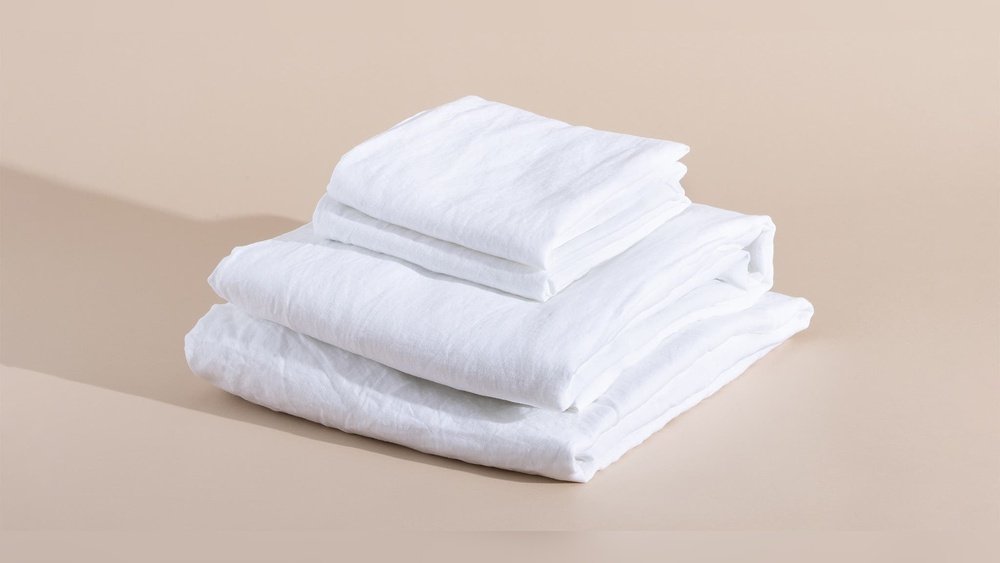
Many people struggle to get good sleep during hot nights, waking up sweaty and restless. If you’re a hot sleeper, the fabric of your bed sheets matters more than you might think. Two of the most popular choices are linen and percale. But which is truly better for keeping you cool and comfortable? The answer depends on several factors, including fabric properties, your personal preferences, and even how you care for your sheets. This article takes a deep dive into the linen vs. percale debate, so you can make the right choice for your best night’s sleep.
What Does It Mean To Be A Hot Sleeper?
A hot sleeper is someone who tends to feel warm or sweat during the night, even when the room temperature is normal. This can be due to body chemistry, health conditions, or simply personal comfort levels. Hot sleepers often wake up feeling uncomfortable, and regular sheets can make the problem worse by trapping heat or moisture.
If you’re a hot sleeper, choosing the right bedding can make a huge difference. The right fabric helps your body regulate temperature by wicking away moisture and allowing air to flow freely. Let’s explore how linen and percale compare in these areas.
Understanding Linen And Percale
Before comparing, it’s important to know what these fabrics really are.
What Is Linen?
Linen comes from the fibers of the flax plant. It’s one of the oldest fabrics in the world, valued for its strength and coolness. Linen sheets are usually thicker than cotton, with a slightly rough texture at first that softens over time.
What Is Percale?
Percale is not a material, but a type of weave. Most percale sheets are made from cotton, woven in a tight, simple crisscross pattern. This gives percale a crisp, smooth feel and a matte look. Percale is usually lighter and thinner than linen.
Linen Vs. Percale: How They Help Hot Sleepers
Let’s look at the most important qualities for hot sleepers and see how linen and percale perform.
Breathability
Linen is famous for its excellent airflow. The natural fibers are thicker but less tightly woven, which allows heat to escape and air to move. Many people describe sleeping on linen as “cool and breezy.”
Percale sheets are also breathable, thanks to their weave. The tight pattern keeps the fabric light and crisp, but not as airy as linen. However, good quality cotton percale can still feel cool against the skin.
Moisture Wicking
Sweating at night is a common problem for hot sleepers. Linen absorbs up to 20% of its weight in moisture before it feels damp, and then dries quickly. This means you stay dry even if you sweat.
Percale cotton sheets also absorb moisture, but not as much as linen. Percale tends to dry a bit slower, and can sometimes feel clammy if you sweat a lot.
Softness And Feel
Linen starts off with a slightly rough texture, but it becomes softer with every wash. Some people love the lived-in, relaxed feel of linen; others prefer something smoother.
Percale is known for its crisp, cool feel—almost like a freshly ironed shirt. It remains smooth and soft, but never silky or shiny.
Durability
Linen is extremely strong—two to three times stronger than cotton. With proper care, linen sheets can last for decades and actually get better with age.
Percale sheets are also durable, but they can wear out faster, especially in lower thread counts or with frequent washing.
Appearance And Style
Linen has a casual, slightly wrinkled look that many find attractive and relaxed. Percale sheets look neater, with a matte finish and less visible wrinkles.
Cost
Linen sheets are often more expensive than percale, mainly because of the cost to produce and process flax fibers.
Percale sheets are available in a wide range of prices, making them more accessible for most people.
Here’s a quick side-by-side comparison:
| Feature | Linen | Percale |
|---|---|---|
| Breathability | Excellent | Very Good |
| Moisture Wicking | High | Moderate |
| Softness | Textured (softens over time) | Crisp and smooth |
| Durability | Very high | Good |
| Price | Higher | Lower to moderate |
Real-world Insights: How Hot Sleepers Rate Linen And Percale
To get a clear picture, let’s look at what hot sleepers actually say about their experiences. Several sleep surveys and product review sites give useful data:
- In a 2022 survey by Sleep Foundation, 68% of hot sleepers rated linen sheets as “cooler” than percale.
- On Amazon and bedding forums, users often mention waking up less sweaty with linen, but some dislike the “scratchiness” at first.
- Many percale fans enjoy the crispness and say it feels fresh, but a small group reports that percale doesn’t handle heavy sweating as well as linen.
Common Myths And Overlooked Details
Many people believe that higher thread count always means cooler sheets. Actually, for hot sleepers, lower thread counts (in both linen and percale) are often better for airflow. High thread counts can trap heat, making you sweat more.
Another detail: The way you care for your sheets can affect how cool they feel. Over-drying or using fabric softeners can coat fibers, reducing breathability.
Which Sheet Is Better For You? Key Factors To Consider
Making the right choice depends on more than just “linen vs. percale.” Here’s what you should consider:
1. Climate
If you live somewhere hot and humid, linen is usually the best. Its superior moisture-wicking and airflow help a lot. In milder climates, percale can be just as comfortable.
2. Skin Sensitivity
If you have very sensitive skin, new linen sheets might feel rough at first. People with allergies often prefer percale, since cotton is naturally hypoallergenic and less textured.
3. Maintenance
Linen requires gentle washing and air drying to keep it strong and soft. Percale is easier to care for—you can machine wash and tumble dry without worry.
4. Budget
Linen is an investment. If you want something affordable and still cool, percale is a great choice.
5. Aesthetic Preference
Choose linen for a relaxed, lived-in look. Choose percale for a tidy, hotel-style bed.
Here’s another comparison for quick reference:
| Consideration | Linen | Percale |
|---|---|---|
| Best for hot, humid weather | ✓ | |
| Softness right out of the box | ✓ | |
| Easy care | ✓ | |
| Durability over years | ✓ | |
| Lower cost | ✓ |
Practical Tips For Hot Sleepers Choosing Sheets
- For maximum coolness, choose linen or percale sheets with a thread count between 200 and 400.
- Wash sheets in cool water and avoid heavy fabric softeners.
- Air dry linen when possible to keep it soft and durable.
- If your sheets feel too rough, wash them a few times before judging—they often get softer.
- If your budget allows, try one linen pillowcase and one percale, then compare how you sleep on each.
Environmental Impact: Linen Vs. Percale
Many hot sleepers are also interested in how eco-friendly their bedding is.
Linen is considered one of the most sustainable textiles. Flax grows with little water and no pesticides, and linen sheets can last decades, reducing waste.
Percale (cotton) can be eco-friendly if you choose organic or certified brands. However, conventional cotton farming uses more water and chemicals than flax.
A non-obvious tip: Linen’s lower environmental impact can also mean fewer allergens in your sleep space, a bonus for sensitive hot sleepers.
Credit: www.thegoodsheet.com.au
Mistakes To Avoid When Buying Sheets For Hot Sleepers
Many people waste money or end up disappointed because they:
- Buy sheets with a “cooling” label but ignore the material and weave.
- Choose high thread counts, thinking it equals luxury, but end up hotter at night.
- Skip checking return policies—some sheets feel different after a few nights.
- Forget to consider how their mattress or pillow affects heat retention.
- Overlook care instructions, causing sheets to lose their cooling properties quickly.
When Percale Might Be Better Than Linen
Although linen has advantages for hot sleepers, there are situations where percale is better:
- If you have very sensitive skin or dislike any texture.
- If you want an easy-care, wrinkle-free look.
- If you sleep hot but not excessively, and want a lighter, crisper sheet.
- If you’re on a tight budget but still want good breathability.

Credit: www.amazon.com
Expert Opinions And Final Thoughts
Sleep experts often recommend linen for serious hot sleepers—those who struggle with night sweats or live in very warm climates. However, percale remains a top choice for those who want a classic, crisp feel and a cooler sleep than regular cotton.
Both fabrics are much better than sateen or polyester blends for hot sleepers. If possible, try both and see which feels best for you over several nights.
For more scientific details on fabric breathability and sleep, the Sleep Foundation offers a helpful overview: Sleep Foundation.
Frequently Asked Questions
Is Linen Really Cooler Than Percale For Hot Sleepers?
Yes, linen is generally cooler because of its loose weave and natural moisture-wicking properties. Most hot sleepers find linen keeps them drier and more comfortable, especially in humid climates.
Do Linen Sheets Get Softer Over Time?
Absolutely. Linen starts off a bit rough, but with each wash, it gets softer and more comfortable. High-quality linen can become buttery soft after several washes.
Can Percale Sheets Still Be Good For Hot Sleepers?
Yes, percale is still a great choice for hot sleepers, especially if you want a crisp, smooth feel. It’s especially good in moderate climates or if you don’t sweat heavily.
How Long Do Linen And Percale Sheets Last?
Linen sheets can last up to 20 years with proper care. Percale sheets usually last 5-10 years, depending on the quality and how often they are washed.
What Thread Count Is Best For Cooling Sheets?
For both linen and percale, a thread count between 200 and 400 is ideal. Higher thread counts can trap heat and reduce breathability, which is not good for hot sleepers.
Choosing between linen and percale comes down to your personal needs, your climate, and your comfort preferences. Both are excellent options for hot sleepers, but linen has a slight edge for maximum coolness and moisture control. If you can, test both types to see which one helps you wake up refreshed and sweat-free.

Credit: snowehome.com